Categories
Columns Lifestyle People

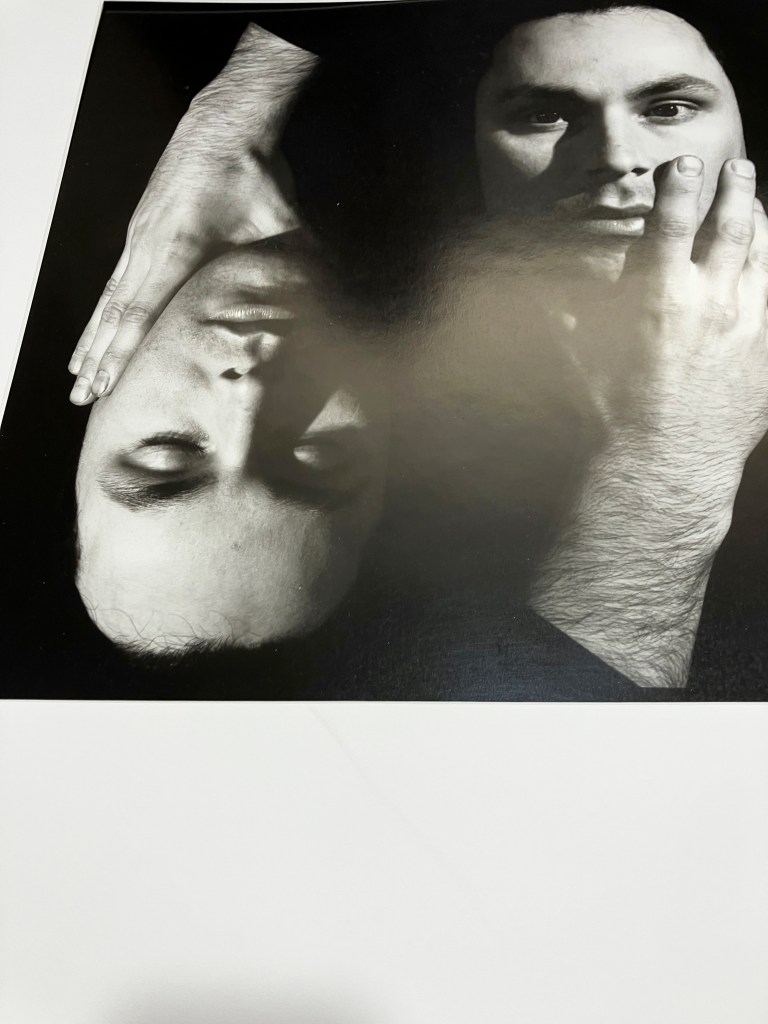
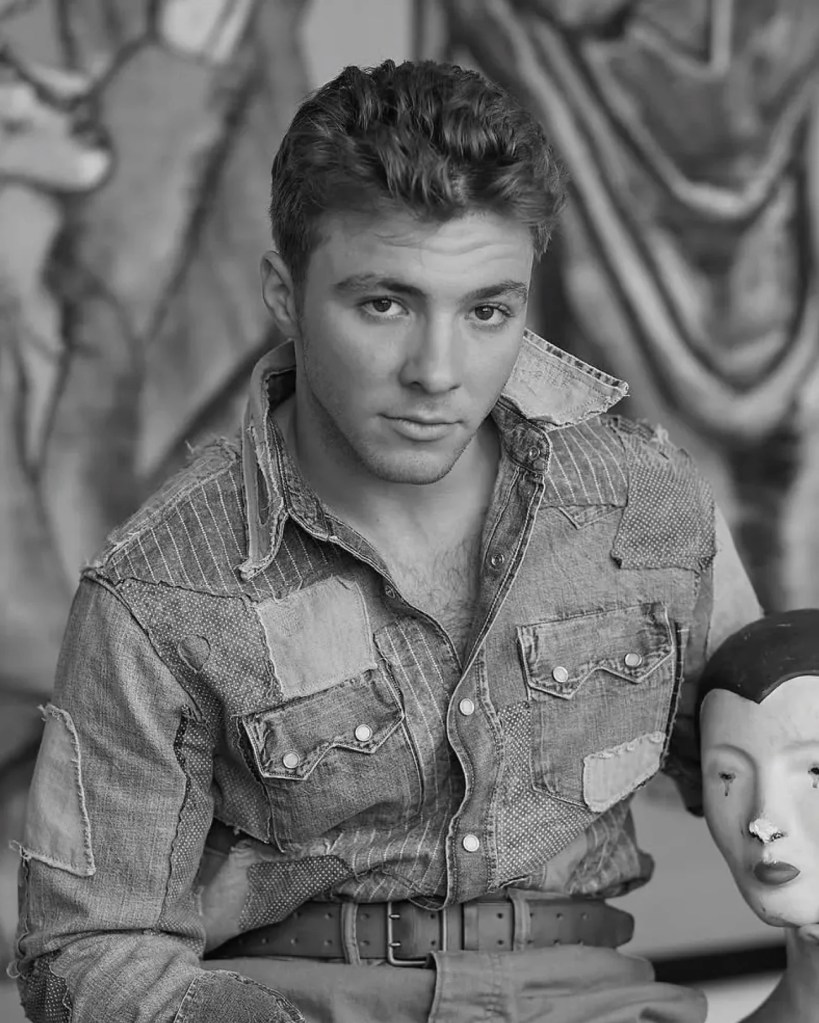
Rocco Ritchie is an artist to be reckoned with.

It would be easy to rush to call Rocco Ritchie a “nepo baby” and dismiss his artistic success as being down to his famous parents. Of course, any help in an industry riddled with nepotism and driven by who you know can be an advantage. However, I am the first to say that Rocco is a huge talent with an original voice — if there is such a thing — and that originality is precisely why he is taking the art world by storm.

Rocco Ritchie is gaining recognition not because of who his parents are, but because of who he is becoming. In an industry often suspicious of famous surnames, he has quietly and confidently carved out a space that feels earned rather than inherited. Far from the caricature of a “nepo baby,” he has demonstrated discipline, originality, and a genuine commitment to craft that has surprised critics and collectors alike.

The label of nepotism is an easy one to reach for. As the son of global icon Madonna and filmmaker Guy Ritchie, Rocco grew up surrounded by creativity, privilege, and cultural capital. Yet what is striking about his artistic rise is how deliberately he stepped away from the spotlight that might have guaranteed instant attention. For years, he worked under a pseudonym, allowing his art to speak before his name did. That decision alone signals intent: Ritchie wanted critique, not cushioning.

His work does not rely on imitation or celebrity gimmickry. While many emerging artists fall into the trap of echoing fashionable trends or overtly referencing their influences, Ritchie resists this. Too often, artists with minimal talent but strong PR and marketing skills are sold to naïve buyers on the strength of a story rather than substance. The work may look good on a wall, but when it comes time to resell, the narrative unravels. Ritchie’s art does not rely on hype; it stands on its

own.

His work feels personal and idiosyncratic, and my hunch is that it will one day sell at serious auction houses. His paintings often explore mood, texture, and form with a restraint that belies his youth. There is confidence in his mark-making and composition, but also vulnerability — an understanding that art is as much about questioning as it is about declaring.

What sets Ritchie apart is that his work resists easy categorisation. There are echoes of classic portraiture, abstract expressionism, and urban grit, yet these elements are filtered through a distinctly contemporary lens. His use of layered surfaces and muted palettes gives the impression of images emerging from memory rather than being presented as finished statements. This refusal to over-explain is refreshing in an age of overexposure.

Equally compelling is Ritchie’s personal evolution. Over recent years, he has grown into a strikingly handsome and self-assured man, yet without the performative bravado often associated with celebrity offspring. There is a quietness to his public presence — a sense that he is more comfortable in the studio than on the red carpet. This grounded demeanour enhances his credibility as an artist committed to longevity rather than instant fame. He does not overtly reference other artists in his work, though there may be subtle echoes of the Mexican greats Frida Kahlo and Diego Rivera — favourites of his mother — woven quietly into his visual language.

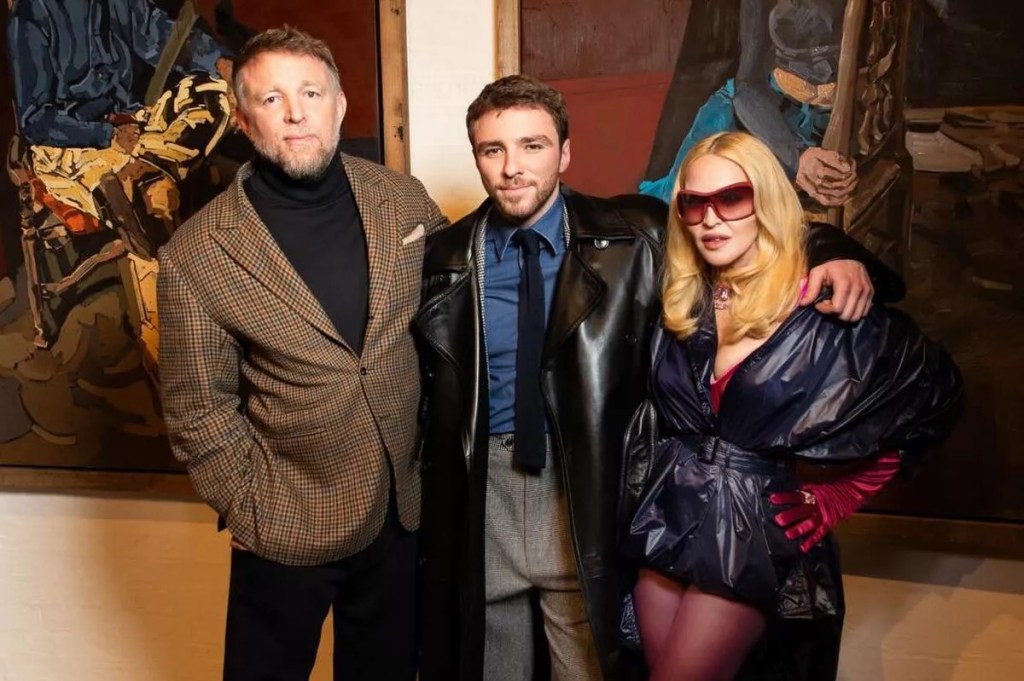
Public fascination has also been reignited by rare and genuinely touching moments of unity between his parents. Seeing Madonna and Guy Ritchie together in public for the first time in years, supporting their son, struck a chord. In an era where celebrity family dynamics are often reduced to spectacle, their shared pride felt sincere. It underscored that Rocco’s journey has not been about rebellion or reaction, but about reconciliation — between heritage and independence, privilege and purpose.

It would be naïve to deny the influence of Madonna’s deep love of art. A lifelong collector with a formidable eye, she has immersed herself in fine art, from classical masters to cutting-edge contemporary works. Growing up around such visual literacy undoubtedly shaped Rocco’s sensibilities. But influence is not imitation. Rather than copying his mother’s tastes, Ritchie appears to have absorbed an understanding of art as dialogue — between past and present, self and society.

What makes his rise feel so timely is that audiences are craving authenticity. Collectors and critics alike are increasingly weary of hype without substance. Ritchie’s work rewards slow looking. It invites interpretation without dictating meaning. This approach has helped him build genuine momentum, with exhibitions that attract attention not because of scandal or surname, but because viewers are curious to see what he will do next.

Rocco Ritchie’s emergence reminds us that legacy does not have to be a burden. It can be a foundation — one that still requires effort, risk, and humility to build upon. He is not storming the art world with noise, but with nuance. And in today’s cultural climate, that quiet confidence may be the most radical statement of all.

END

Categories
Columns Culture Lifestyle

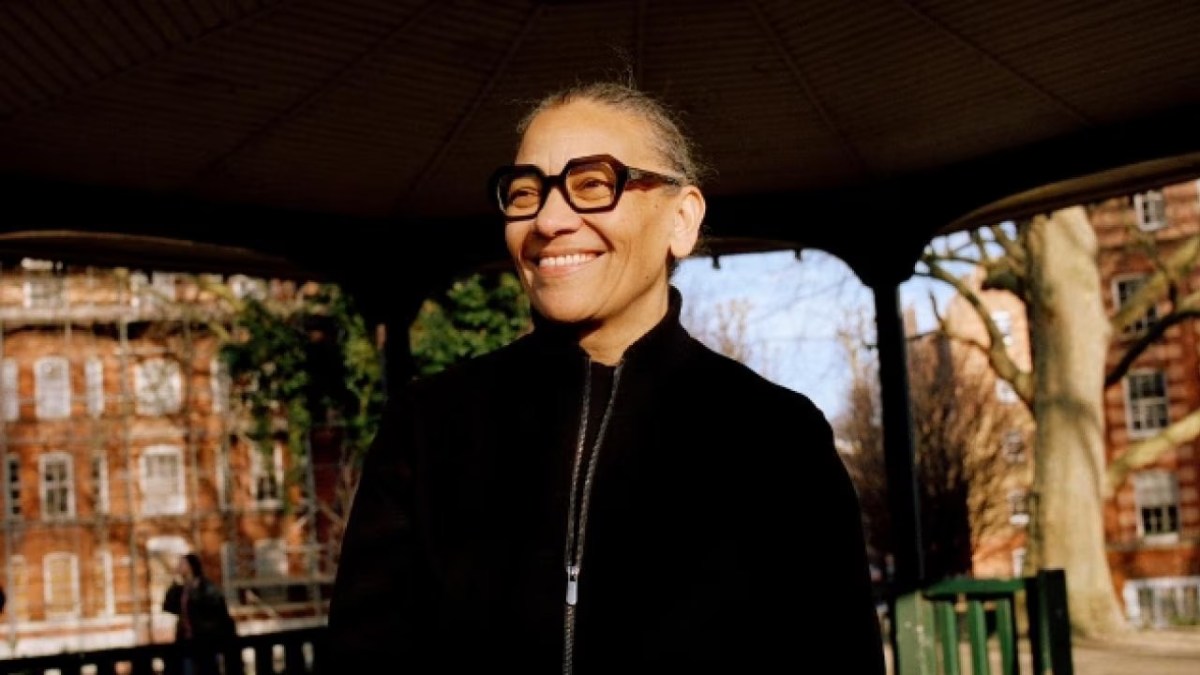
Lubaina Himid: Britain’s Bold Vision for the Venice Biennale 2026

By Steven Smith.

When news broke that Lubaina Himid RA, CBE would represent Britain at the 2026 Venice Biennale, the art world let out a collective cheer. At 72, the pioneering British artist—born in Zanzibar, based in Preston—has earned a place among the most influential voices of her generation. Her work, a dazzling blend of history, storytelling, and social critique, has long challenged the narratives that dominate Western culture, shining a light on the contributions of Black figures who have too often been overlooked.

Himid is no stranger to breaking ground. In the 1980s and 1990s, she curated trailblazing exhibitions like Five Black Women (1983) at London’s Africa Centre and The Thin Black Line (1985) at the ICA, putting Black female artists firmly on the map at a time when mainstream galleries barely noticed. Her daring vision earned her the Turner Prize in 2017, and a CBE followed in 2018, honours that recognise not just her artistry but her remarkable influence on the British cultural landscape.

And yet, Himid remains delightfully down-to-earth. On hearing of her Biennale invitation, she laughed, “with both disbelief and pleasure,” before reflecting on the opportunity:

“It is such a great honour and at the same time a brilliant and exciting opportunity to make something particularly special, which resonates with multiple audiences, communicates with complex histories, and looks to a more collaborative future.”

The Path to Venice

Being chosen to represent Britain in Venice is no small feat. The British Council, which manages the UK’s pavilion, conducts a rigorous selection process. Artists are nominated and assessed by curators, critics, and cultural institutions from across the country. Their proposals are scrutinised for artistic excellence, innovation, and international significance—a combination that signals not just mastery of craft, but an ability to spark conversation on a global stage. The final decision rests with the Pavilion Commissioner and the Visual Arts Advisory Group.

It’s a recognition that places an artist at the very pinnacle of contemporary British art, transforming their career and showcasing their vision to a global audience. For Himid, whose work thrives on dialogue, this platform offers a chance to create a profound, immersive experience in Venice’s historic spaces.

Reimagining the British Pavilion

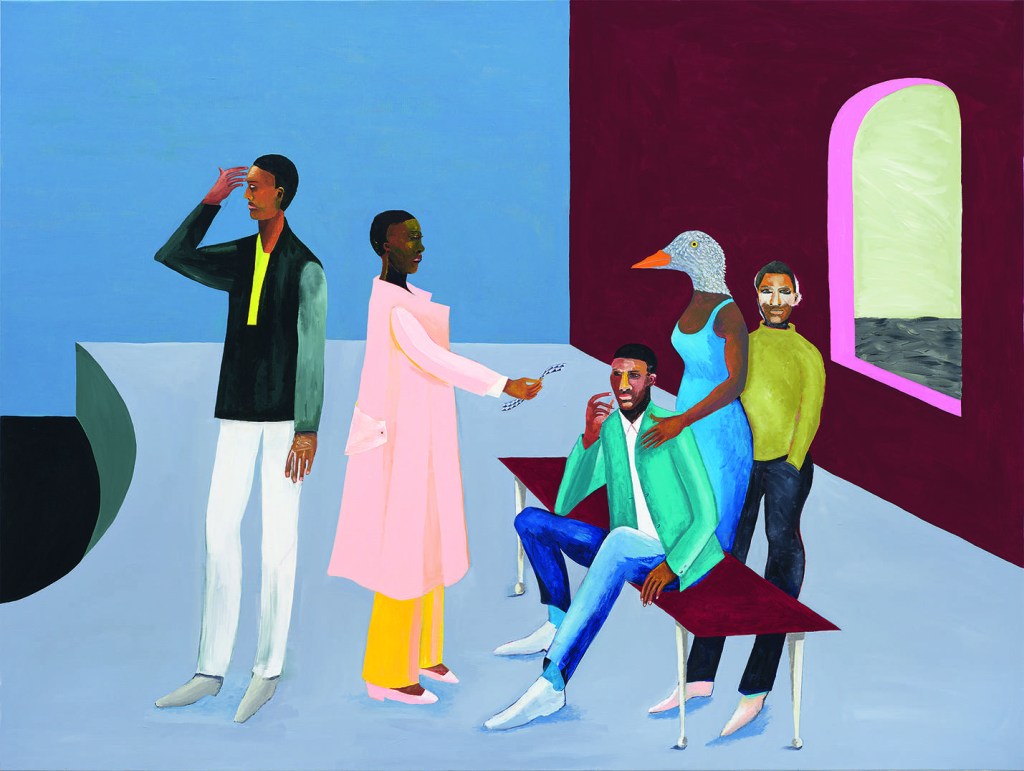
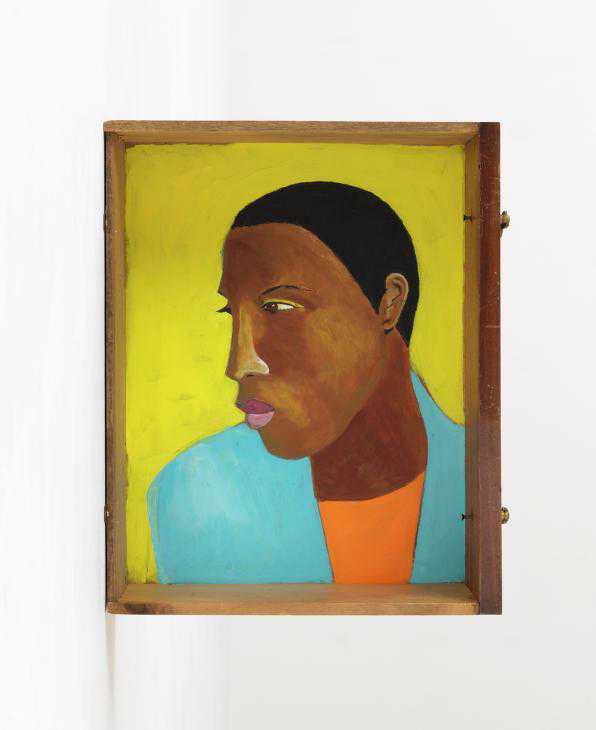
Himid is renowned for pushing the boundaries of painting, sculpture, and installation, fusing textures, narratives, and sound to construct spaces that feel alive, vivid, and socially urgent. Emma Dexter, Director of Visual Arts and the British Council Collection, describes Himid’s approach as “a radical optimism combined with incisive social critique,” noting that her exhibition will transform the Pavilion into a journey of discovery.

For Venice 2026, Himid’s work promises to be both playful and profound, intimate yet expansive—a conversation across centuries and continents, a reminder that history is never neutral, and that art can illuminate the stories we have forgotten.

From her early curatorial triumphs to her recent global recognition, Lubaina Himid has always worked at the intersection of history, identity, and imagination. Venice will be the latest—and most spectacular—stage for her audacious vision, a moment that promises to resonate far beyond the gilded canals and crowded pavilions of Italy’s floating city.

In 2026, the British Pavilion will not just exhibit art—it will tell a story, vibrant and urgent, through the eyes of one of Britain’s most brilliant and fearless artists.

https://www.tate.org.uk/whats-on/tate-modern/lubaina-himid

https://www.royalacademy.org.uk/art-artists/name/lubaina-himid-ra-elect

Categories
Columns Lifestyle People

Is Everyone a Little Bit Racist? By Steven Smith

Avenue Q

Is everyone a little bit racist ?

In the wake of current events, 2Shades asks the question: “Is everyone unintentionally a little racist?” Are we, as a society, guilty of labelling others at a glance? Does our upbringing dictate our fear of those perceived as different? How can we move forward and ensure that everyone is seen — and treated — as equal?

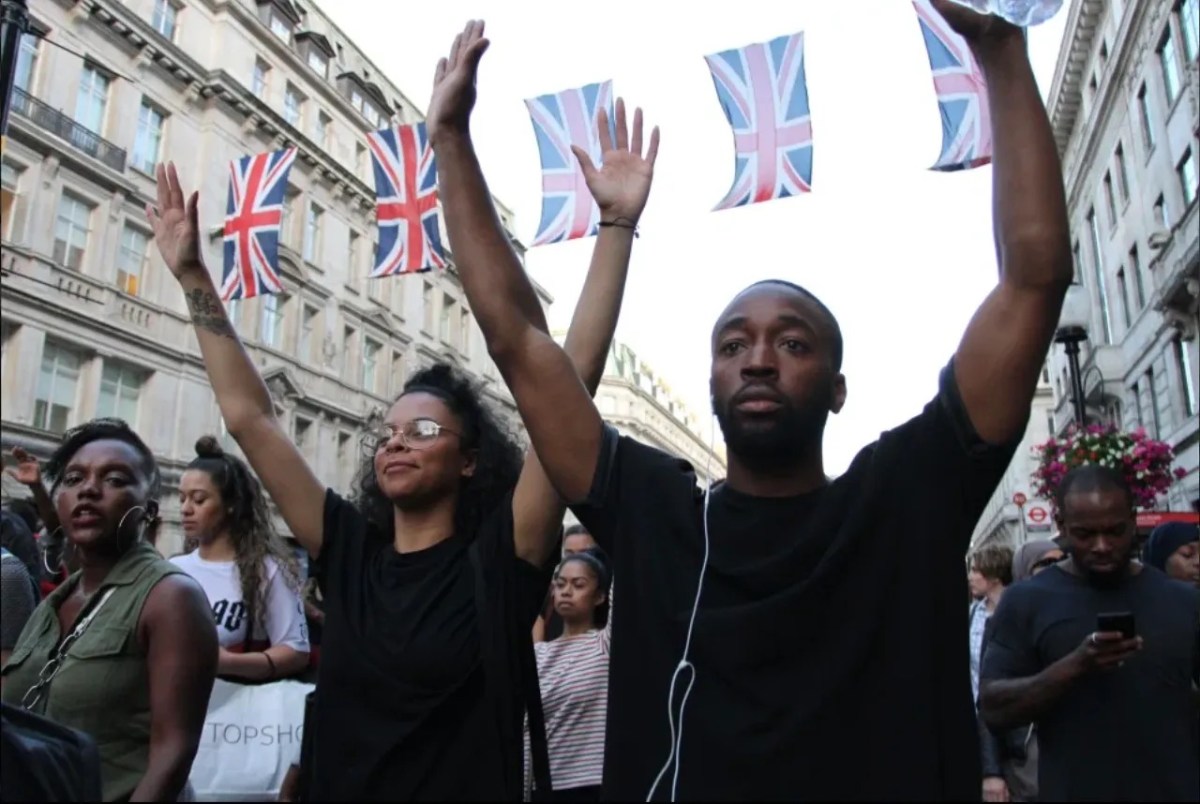
These days, you can’t escape slogans like “Black Lives Matter” and “Trans Rights.” They’re everywhere — and it breaks my heart that we still need to say those words. We think of ourselves as a civilised society, yet some people still feel the need to proclaim that their lives have value. Even during the pandemic, crowds took to the streets, desperate to have their voices heard.


Strike at the Root

How, in 2025, do people still feel like their lives matter less? And why does anyone need reminding that a life matters? We all breathe the same air and wake up with similar hopes, dreams, and stresses. Why should anyone feel like others see them as lesser?

It’s time to ensure that future generations never need to be reminded of their worth. As with many serious issues, we must strike at the root. Since no one is born a racist, let’s teach children that we are all the same.

Racist — someone who believes that other races are inferior to their own and therefore treats them unfairly, discriminating against other races, religions, or anyone perceived to be part of a minority group.


Avenue Q and the Racist Song

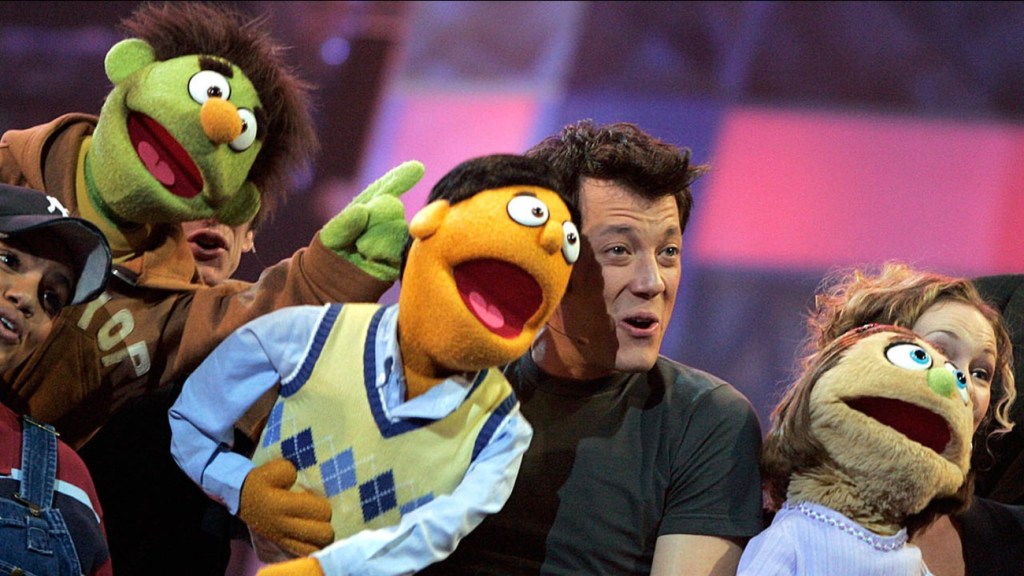
About ten years ago, I was sitting in the notoriously uncomfortable Noël Coward Theatre — wondering if the Marquis de Sade had designed the seats for people under 5’2” who hadn’t eaten in weeks — waiting to see one of my guilty pleasures: Avenue Q. It’s a kind of adult puppet show that has me in stitches every time.

But there’s one song that makes me squirm: “Everyone’s a Little Bit Racist.”

Princeton, the puppet, asks Kate Monster, “You’re a monster, right? So are you related to Tricky Monster, my neighbour?” Horrified, Kate calls him out — and Princeton points out some of her own biases. Then they burst into song:

“Everyone’s a little bit racist sometimes…”

At first, I was indignant. “Don’t put me in that category!” I thought, leaving the theatre. Yet Kate Monster’s reaction hit a nerve. You wouldn’t believe how many times I’ve been asked if I know a certain gay person — just because I’m gay.


The Gay Book

At a wedding in Guernsey, a woman I’d never met ran up to me and blurted out, “I hear you’re gay! David from EastEnders is gay — do you know him?”

I replied, “No, but I’ll look him up in the gay book.”

Her eyes widened. “There’s a book?”

I assured her there was (she didn’t get the irony) and off she went to tell her friends — who seemed to find me fascinating purely because of my sexuality.

Was it ignorance, racism, homophobia, or just misguided curiosity? Either way, I felt uncomfortable — half-expecting a wicker man to be erected in the town square.

Yes, many people — even with good intentions — can be unintentionally racist or discriminatory. This subject is close to my heart, which is why I’ve hesitated to speak out. Take my beautiful best friend of ten years, Dee. Her incredible personality and talent struck me first — not the colour of her skin.


“This Is My Gay Friend”

My eyes roll when I hear someone say, “This is my gay friend.”

My friends aren’t defined by race, sexuality, or religion. They’re defined by loyalty, kindness, and character. That’s what I see in another human being.


The N Word

Race only becomes relevant when a friend opens up about painful experiences — like when, as a child, her white friend’s mother told her she wasn’t allowed to play with her anymore because she was a n——. She ran home in tears. Her mother gently said, “Sometimes people in this world aren’t very nice.”

Even as she told me this story, I could see from her eyes — from her posture — that the wound still hurt.


Statues and Cancel Culture

How do we fix things so that no child ever feels this way? Peaceful protest is one way — but let’s steer clear of mob mentality. Keep perspective.

Churchill, Gandhi, and other historic figures were undeniably racist by today’s standards. But judging them solely by modern values brings little progress. Where do we draw the line?

If a statue needs to come down due to proven atrocities, let’s campaign — legally and collectively — for its removal. Not through vigilantism.

I’m also unsure we’re achieving anything by banning old TV shows. These are cultural artefacts — uncomfortable, yes, but historically significant.

When I heard Fawlty Towers’ “The Germans” had been banned, it felt like the final straw. Little Britain is apparently gone too.


Racism Off the Scale

If you want to see truly racist shows, look at the 1970s — Alf GarnettGeorge and Mildred, or Not on Your Nellie. In one episode, Hylda Baker asks a Black policeman for directions, then says, “You won’t know, you’re not from here either.”

Benny Hill was rife with misogyny, homophobia, and racism — yet celebrated in the US. Even the Carry On films were full of it. Bo’ Selecta! was criticised by Trisha Goddard, though Mel B and Craig David participated. And White Chicks, where two Black men disguise themselves as white women, is still one of my favourites.

Trying to erase the past is futile. By all means, campaign — but let’s make democratic decisions, not let the loudest voices dictate.


“All Lives Matter” — But You’re Missing the Point

Yes, all lives do matter — but that’s not the point. It’s not that Black lives matter more — it’s that they haven’t mattered enough. Imagine seeing images implying your ancestors’ lives were worthless. How would you feel?


Foundations of Prejudice

Let’s not pretend racism only comes from white people. It exists in every race. So let’s examine the root causes.

It starts with children. Schoolbooks shouldn’t include just one token non-white character. Representation should be equal and authentic. Let’s integrate, educate, and explore our complex past while teaching why things must change.


Redheads

Growing up in 1970s Scotland, there were no children of colour in my school. But I still stood out — red hair, Scottish accent. I was different. I was bullied.

Even today, redheads are mocked. I’ve explained that redheads often have more sensitive skin — and even educated people look puzzled.

Katie Hopkins once said, “There’s nothing worse than a ginger boy in younger years.” Hateful. Nasty.

Me at 63 but back in school being a red head got be bullied ,

Your Correspondent

We may not be born racist, but it’s a poisonous lesson many absorb early. My dad hated the Welsh. He’d tell stories about a man who stole his army uniform and say, “Never trust them.” Yet he adored Katherine Jenkins. His views were racist, misogynistic, and homophobic — but typical of his time.


Enoch Powell

At family gatherings, kindly grandmothers would say things like, “I don’t mind the coloureds, as long as they don’t move in next door — it brings down the property value.”

A friend’s mum once declared, “Enoch Powell had the right idea.”
His Rivers of Blood speech still echoes in some circles.

We must teach our children that judging or bullying others is never acceptable. We may come from different heritages, but we are one people.


Grace Jones and Harlem

My musical influences included Diana Ross, Nina Simone, and Ella Fitzgerald. Moving to London, I encountered other cultures — clubbing at places like The Embassy and Bangs Adams, dancing to Grace Jones and Sister Sledge. To me, dark skin was beautiful.

In New York, I was warned not to go to “Black neighbourhoods.” Why? “They’re dangerous.” That attitude is the problem. I went anyway.

Harlem in the ’70s was vibrant, full of life. But segregation — fuelled by fear — persists.


My early musical influences Diana Ross , Nina Simone , Sister Sledge

Hair

One good thing about the US: to become a licensed hairdresser, you must learn to style all hair types. Not so in the UK, where separate salons still exist for Black and white clients.

I’ve shown up to jobs where actresses looked horrified. One woman said, “No offence, honey, but no white boy’s touching my weave.”

She loved it in the end. The UK could learn a lot from America on this front.


Dee and Me

Dee and I are often mistaken for a couple. We’re not. But we’ve faced attitude — from both Black and white people — even in cosmopolitan London.

At a Caribbean funeral, I was twice asked to park cars. One man said, “Easy mistake. You all look the same.”

Harlem 1970

Conclusion

Racism is learned — and it’s everywhere. Real change won’t come from reactive outbursts. It starts with education. It starts with talking, not shouting.

Let’s stop teaching kids that some people are worth less. Let’s support organisations like Diversity Role Models, which go into schools and promote inclusivity.

Sometimes I wonder — if Earth were attacked by aliens, would we finally unite?
Looking at today’s governments, I doubt it. After all, they can’t even agree on how to fight a virus.


Contact Steven at: spman@btinternet.com

Categories
Columns Culture People

Thomas Farthing

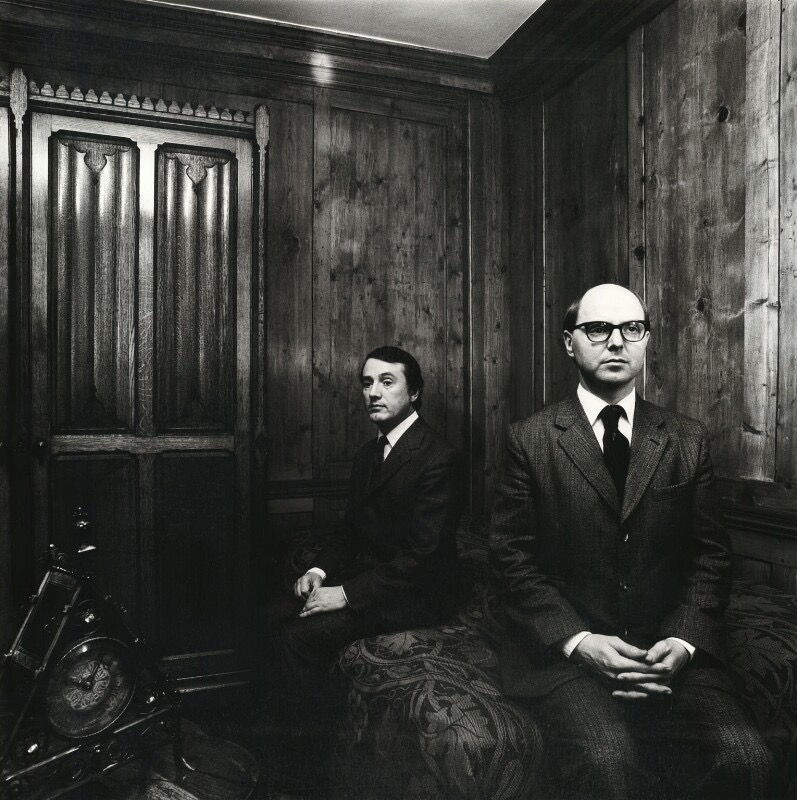
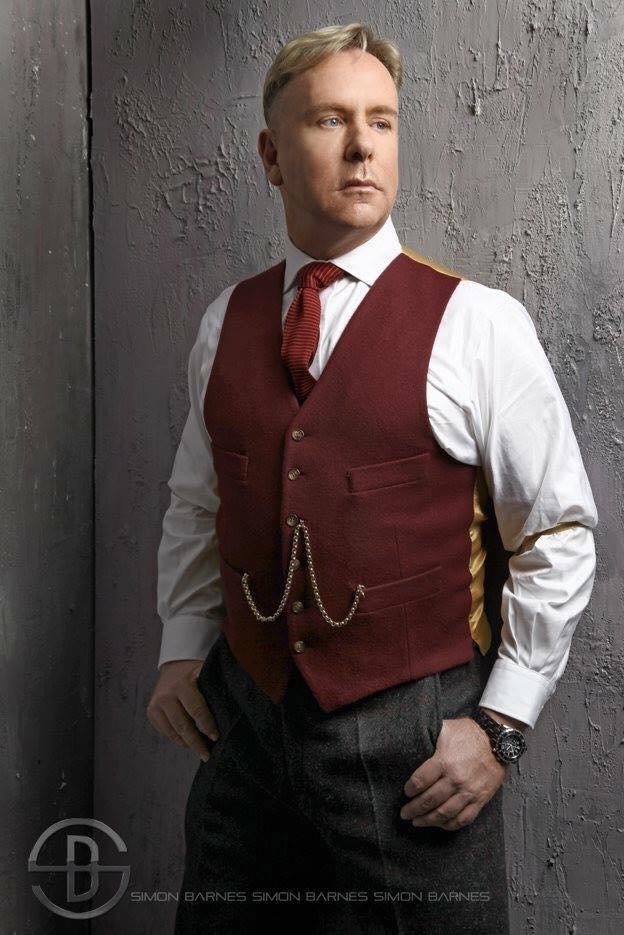
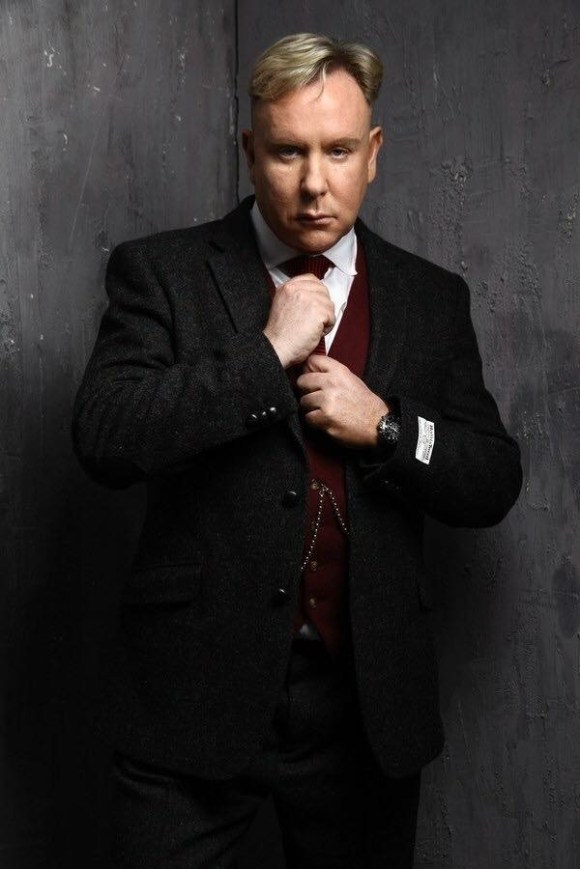
Thomas Farthing Simon Barnes pictures .


Men’s Fashion Secret Thomas Farthing 

When I had  just turned 13, my mother took me and my sister on a trip to London for the first time. What made this journey so magical, apart from the bustle and excitement of the big city, was entering the doors of Barbara Hulanicki’s Biba store. From its elegant black and gold art deco logo to its amazing layout and stunning fashions, Biba bowled me over.

The New York Dolls were performing that night in the Rainbow Rooms at the top of the shop. The food court was full of exotic delights I’d never heard of and my mum treated me to an apple strudel, with its deep apple and raisin filling sprinkled with cinamon and covered in in spiral pastry.

I got my first man bag and a trendy vest and I felt like a million dollars. I imagined I was Marc Bolan, and I counted the minutes I could escape dull Whitely Bay to live in this electric city, somewhere I felt for the first time that I truly belonged.

I did move to London and have had many adventures along the way. But there have been very few shops that gave me the buzz that Biba did all those years ago. Much as I love shopping, these days the excitement is sadly lacking, as chain stores take over our high streets with their dull product ranges and uniform window displays. Everything looks the same, although there are some exceptions, of course, such as the Harrods food hall.

But now I’ve discovered a fashion store that gives me the same thrill I experienced when I entered Biba as a teenager.

A few weeks ago, I was told that I would be modelling at the Ideal Home Christmas Show and needed to be fitted at the Thomas Farthing http://www.thomasfarthing.co.uk/ store in Museum Street, right by the British Museum. So one chilly autumn evening, fellow model Frankie Holloway and I took ourselves off to Bloomsbury.

Entering Thomas Farthing is like going back in time to a more elegant era. From the penny farthing leaning against the shop window to the classy Edwardian interior, it has a magical feel, like entering the dream kingdom of Narnia and a world away from the depressing chain store experience.

It’s packed full of delights for the stylish man and has some lovely touches, from the quirky duck decked out in a bow-tie to a set of battered luggage you imagine might have accompanied a young man about town on his grand tour of Europe in a bygone century.

Frankie and I couldn’t wait to try on their amazing and unique designs, which are hand made to the highest quality and finish.

Run by Adam Skyner and his stunning fiancee, Jenna Louise Hardy, the shop has been open for a year. Judging by the eclectic clientele, including tourists seeking the Downton Abbey look, it’s going to be a huge success.

Jenna and Adam have a skilful eye and quickly dressed Frankie in a style that I can only describe as Downton Abbey meets Al Capone – the only thing missing was the violin case! But he looked amazing and loved the style.

It was my turn next and, being a 17 1/2 inch neck and 48 inch jacket, I am always a little nervous that I’ll look like a bulky bear if I have too many layers. That’s just how I felt on our first attempt at a fantastic winter tweed suit, but Jenna quickly jumped in as she realised I needed a more tailored look. She produced the most wonderful coat and Adam grabbed a shirt that fitted like a glove. It all came together and I just loved the finished look, which was topped off with a red bowler hat.

http://www.thomasfarthing.co.uk

Adam came from Stumper & Fielding in Portobello Road and he and Jenna clearly have a passion for what they do. Jenna even showed me how to wear my waistcoat with the last button undone, the traditional way it would have been worn by an Edwardian gentleman.

Needless to say, when we modelled Thomas Farthing’s clothes at the Christmas Ideal Home Exhibition for Angel Sinclair’s Models of Diversity http://www.modelsofdiversity.org/ the outfits had the audience applauding.

The store stocks classic Irish and UK designs, Loake, McGee, Gurteen, Peregrine, Hanan Fulton, as well as their own Thomas Farthing brand. 

Jack Eyers 

http://www.thomasfarthing.co.uk

Thomas Farthing

Thomas Farthing

40 Museum St

London

WC1A 1LU

020 7831 1600
Copyright Steven R Smith 

Categories
Columns People

Meet an Enlightened Bouncer in London: A New Perspective

Not all bouncers in the UK are bad

George Khoury, a 40-year old bouncer who touched our souls at 2Shades on our night out, unaware that we’d be meeting an angel at the doorstep of a pub in Elephant & Castle

He will be writing for 2Shades whenever his wisdom takes the wheels and he’s got plenty of it.

George Khoury’s, “Let’s start with you” in his own words.

“One of the deepest yearnings I’ve had is to learn and understand who I am, what my purpose is, what I need to do to continue to grow, develop and flourish. This is something that each of us require to feel true happiness, ensuring we put ourselves first and utilise the people and opportunities around us to be the best version of ourselves that we can. This emphasis on your own existence is what really brings about the concept of self-love.

George Khoury

“If you don’t love yourself, who else will….” These are the truest words that my mother once told me. I remember hearing this but not truly listening or understanding the implications. 

What do we want for the people and things we love? To protect them and keep them safe, to make them happy, support them through difficult times, encourage them to understand their self-worth, their positive qualities, develop their strengths while improving and managing their weaknesses. We would do anything for these people to show them that life is worth living and that everything will be okay. There is a sense of fulfilment and joy that comes with encouraging someone to shine. In most cases the person that loses out on this support, encouragement, and love is ourselves. How can someone who has been there your whole life be unappreciated, disregarded, and sacrificed?

From birth we are pure, vulnerable, and dependent. We are a product of the life we are born into. We learn what we’re shown and understand the world in that way. Our surroundings become our reality and we are told what is right and wrong, what our values should be, what is important, what is expected, and how we can be as happy or successful as the people before us. Everyone needs a mentor, a support mechanism, and a community that helps you build the road ahead rather than leave you to find your own way in a complicated and challenging world,

I was born into a mixture of cultures, ethnicities, and languages. I always knew I was a boy but I didn’t care. My gender was fluid and not defined. I was allowed to be a curious child and was never judged or labelled from a very young age.

I was occasionally asked at the after-school club “are you a girl or a boy?” With my long hair that I could tie into a small ponytail like my fathers. He has always been my hero. He is strong, brave, resilient, and gives everything he has to better himself and provide for his family. The first one to respond to a loud noise at night and the first one out of the door to get to work early and put food on the table. These are qualities that are inspiring and meant that I was lucky enough to have a strong father figure in my life. My only issue was feeling that I would never be good enough or be able to make him proud.

From the moment I started year 7 I stood out from everyone else. I was a positive and curious soul who wanted to make friends and learn. The reality was much different. Either the pupils were confused by the way I was, felt threatened or generally disliked me because I did not fit the idealistic norms of society. The people who did want to be my friend had to accept the burden of being associated with me. The name calling, being singled out, laughed at, scrutinised and analysed daily. Everyone wants an easy life and I made things complicated for them by being me, whatever that was.

My entire being contradicted the norms that these young people had been adapted to. Male presenting with a feminine and caring nature and a distinct voice that people associated with being gay. That was my reality and if it wasn’t for the values, morals, and wisdom that my parents had planted deep into my consciousness, I can honestly say that I would not be here today.

The physical and emotional abuse I was subjected to on a daily basis took away my light, my uniqueness and my purpose. It labelled and categorised me into boxes I didn’t understand or choose for myself. How could I defend something I didn’t understand or have the opportunity to identify and love? I was already what they called me and was in a body that I had no emotional connection to.

The only way I could survive was to try my hardest to be what everyone felt was normal. Lowering my voice and using less of an emotive tone, restricting my natural body movements to not stand out, trying to please everyone to make them happy and in return feel accepted and included with an actual purpose.

George Khoury

As I turn 40 and reflect on my life, I realise that there was never an issue with me at all. I have always been that same happy and glowing soul I was when I was a child. The world twisted and pulled me into a box I couldn’t fit into no matter how much I tried to.

It took losing myself and wanting a way out of this life to truly understand how special and unique I am. Exactly what my parents had been trying to show me from a young age, and why they would get so angry and disappointed in me for not recognising it. They knew I could do better and be a more successful version of myself and that the potential was always there.

This came across as disappointment and never feeling like I could be the child they wanted. I came across a key ring my parents bought me for my birthday which I never took real notice of at the time.
It was during a low moment where I had to try really hard to get up and do anything.

It said “…if we could give you one thing in life, we would give you the ability to see yourself through our eyes. Only then would you realise how special you are to us,” This was the turning point for me and after wiping my tears I realised who I was, and saw the purpose I have in the world, something I had never been able to do. In this life you need to listen to the people who love you unconditionally whoever they are and find your people. If I hadn’t found my queer community and beautiful people that see me as I am without any other judgement or labelling, I would never have believed that I was an actual human being that was allowed to be me and not what the world bullied me into becoming.

I am a glowing ray of positive energy that walks through life climbing the barriers and mountains that humanity have placed in my way and keeping my fire burning no matter how cold or dark it gets, however windy or overwhelming things are, no matter how much my anxiety tries to hold me still and stop me growing, I will carry this light to bring happiness and laughter into the world.

Challenging discrimination, bullying and representing every minority that exists in this world through my gender, sexuality, and ethnic background, I will keep being me, as this was what I was always created to do.

Look after yourself and remember that it all starts with you. You can only give all of your love and soul if you have your housekeeping in order and this starts with knowing who you are. Not the constructed and created you by society, peers, and family but the true being that you are with no deflection or distraction from the issues that come with living. The beautiful, unique, and wonderful you, Let’s start there, let’s start with you.”

George’s 40th birthday celebrations