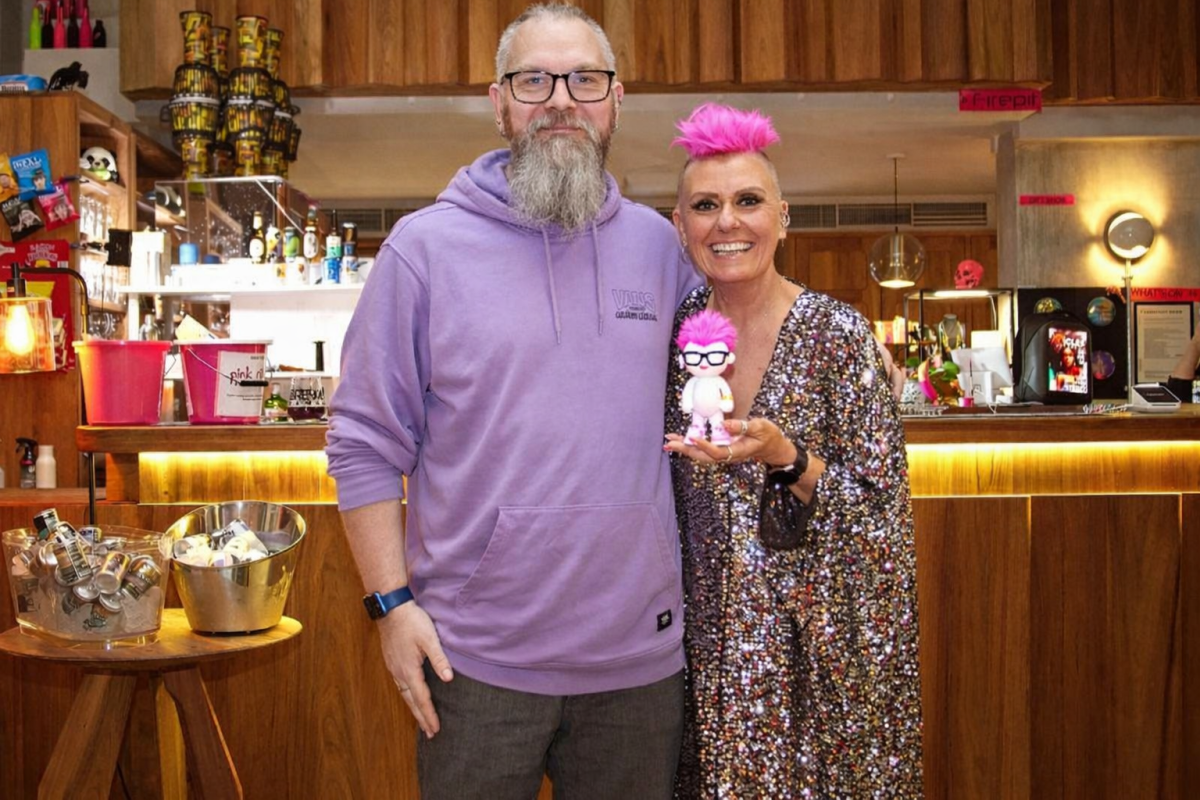
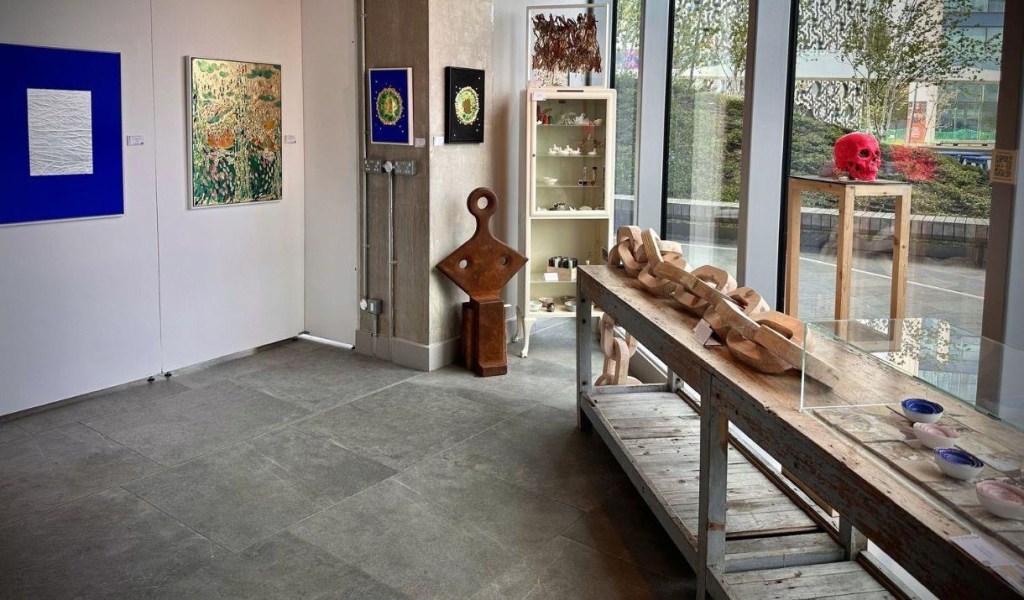
t was with palpable excitement that artist Alistair Blaster unveiled a deeply personal and touching tribute to Lisa Allen of the Pink Ribbon breast cancer charity—her very own “Blanky,” lovingly created in her image. The presentation took place at the Firepit Gallery by the O2, a vibrant creative hub that has become synonymous with championing grassroots art and meaningful causes. Surrounded by an enthusiastic and supportive crowd, the moment captured not only the spirit of artistic expression but also the profound sense of community that events like this inspire.
The evening was a celebration of both creativity and compassion, with attendees gathering to support the vital work of the Pink Ribbon charity. Alistair’s piece stood as a heartfelt acknowledgment of Lisa Allen’s tireless dedication and the impact she continues to make in raising awareness and supporting those affected by breast cancer. The “Blanky” itself—playful yet poignant—embodied warmth, comfort and resilience, echoing the very ethos of the charity it honoured.
Also on display was the striking work BustOut by artist Anne-marie Bickerton, whose bold and expressive style added another layer of depth to the evening’s artistic offering. Her work, known for its emotional intensity and fearless use of colour, complemented the tone of the event perfectly, reinforcing how art can be both visually captivating and socially powerful.
Alistair Blaster is rapidly emerging as a distinctive voice within the contemporary art scene. His unique creations—often character-driven and rich in narrative—have already attracted the attention of notable figures, including Vicki Michelle Allo Allo ” and Dr Anna Kennedy. OBE His work has also begun to cross into storytelling, inspiring children’s literature that carries the same warmth and imaginative spirit found in his visual pieces.
Speaking about the inspiration behind the “Blanky,” Alistair shared: “I am a huge supporter of Pink Ribbon, and I wanted to do something to celebrate not only the charity but Lisa Allen, who is truly inspirational in her work.” His words resonated with many in the room, underlining the importance of recognising the individuals behind charitable movements—those who quietly and consistently make a difference.
The event at Firepit Gallery was more than just an art showcase; it was a reminder of how creativity can be harnessed for good, bringing people together in support of causes that matter. With his growing reputation and heartfelt approach, Alistair Blaster is certainly an artist to watch.
If you’re looking for art that truly stands out—something with edge, intellect and a distinct Italian flavour—then Italian-born artist Ernesto Romano is a name worth seeking out.
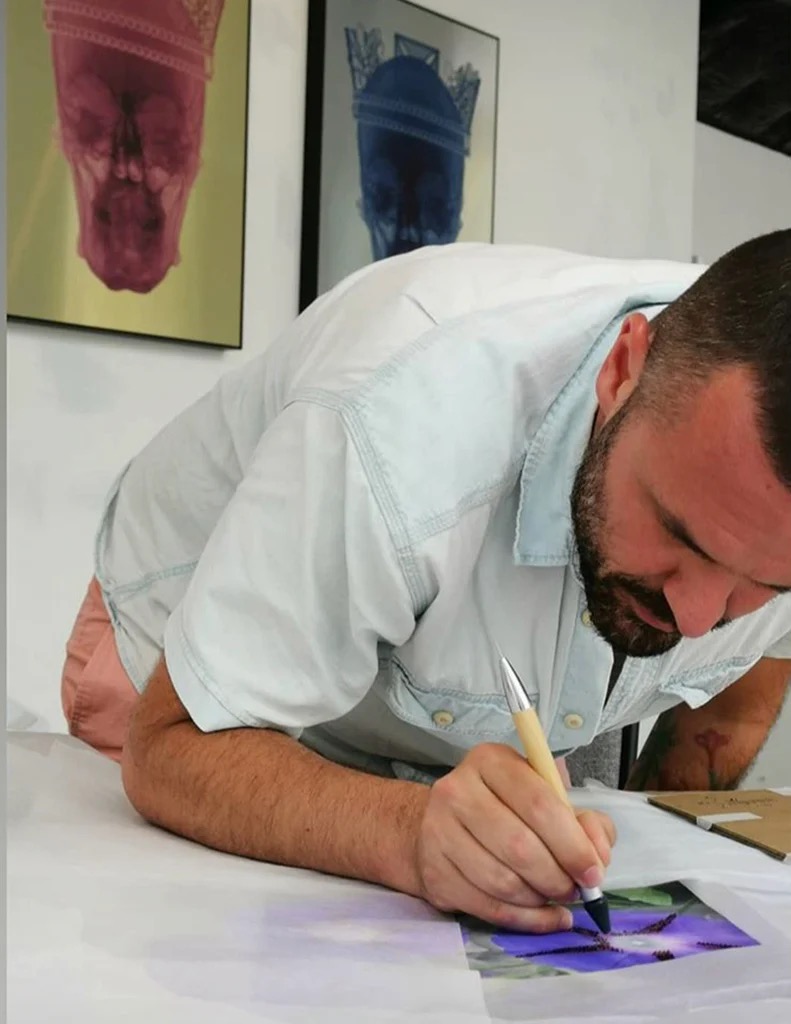
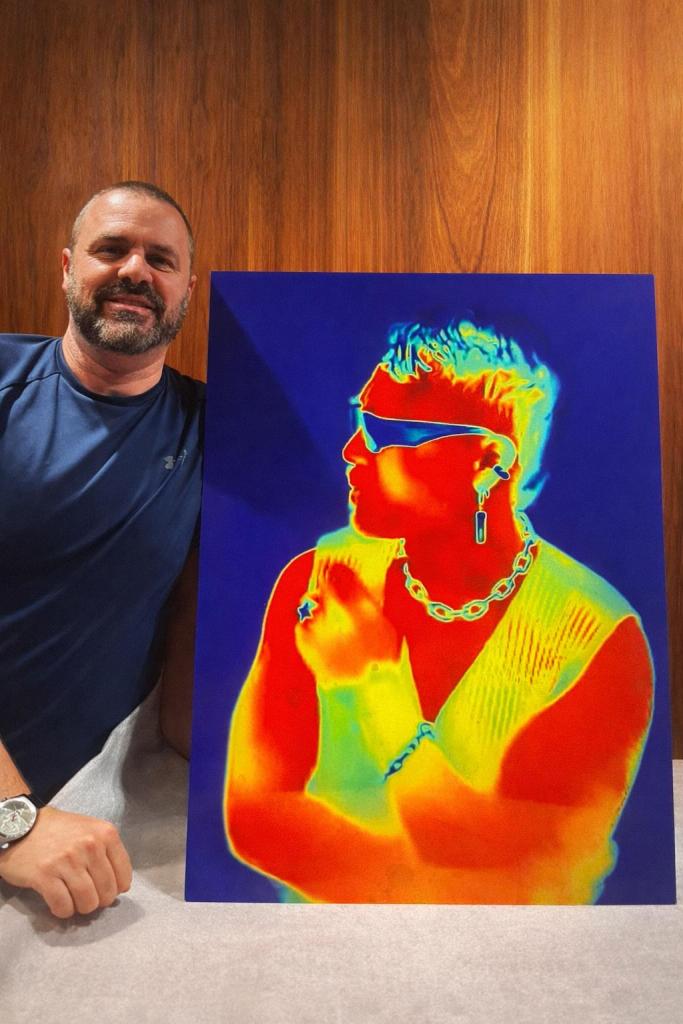
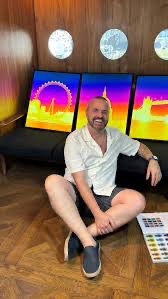
Romano lives and works in London, where his practice reaches far beyond the surface of the body and into its very core. Based at the remarkable FirePit Gallery, just moments from The O2, he creates work that is as visually seductive as it is intellectually provocative. This is the kind of art that stops people in their tracks—the portrait no one else has, and the talking point everyone wants.
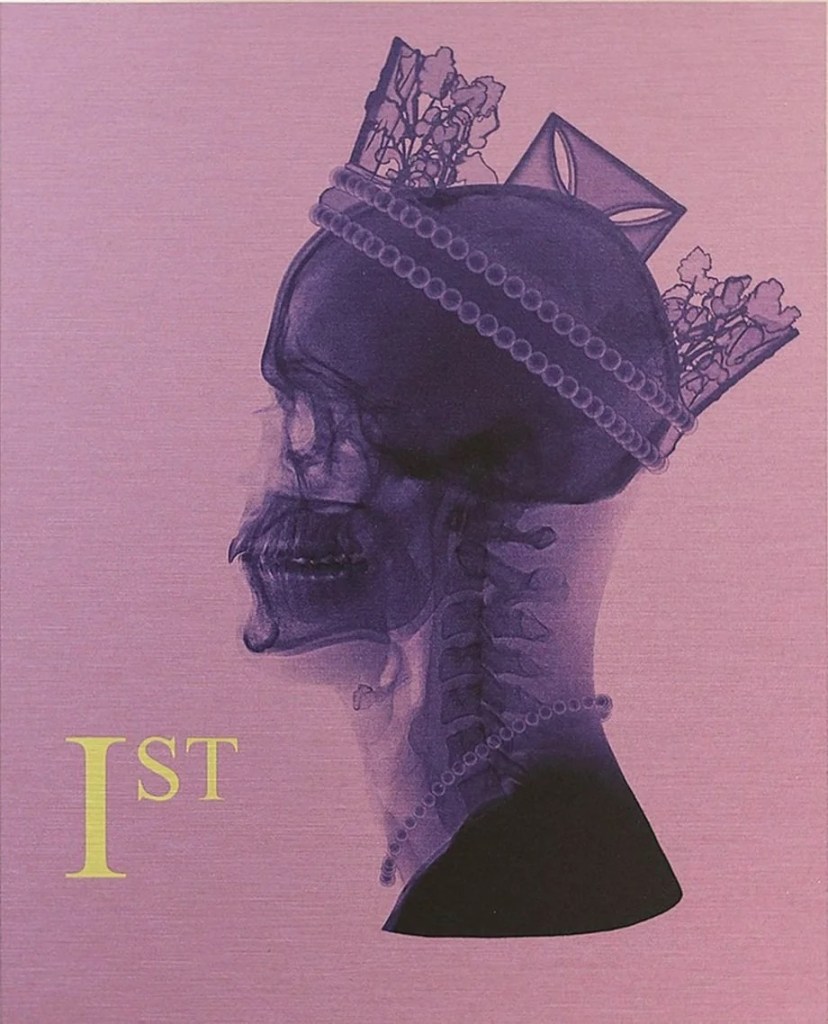
At the heart of Romano’s work is an extraordinary and deeply personal source material: his own medical records. X-rays, MRIs and internal scans of his body are transformed into striking, often playful artworks that quietly ask some of life’s biggest questions. “I am progressively dissecting myself,” he says with a smile. By stripping the body of its external markers—fashion, status, wealth and adornment—Romano reveals a powerful truth: beneath it all, we are equal. Bones, organs and neural structures carry no hierarchy. Jewels mean nothing here.
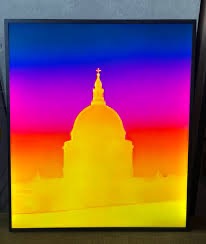
And yet, paradoxically, jewels and decoration frequently appear in his work. Glitter, gold leaf and even diamond dust sit alongside stark medical imagery, creating a fascinating tension between what lies beneath the skin and the sparkle we use to present ourselves to the world. Bold colour is central to his practice, an influence he traces back to Pop Art, and for Romano, colour is inseparable from life itself. It is a celebration of being alive, of being human. You can easily imagine his work echoing the iconic glamour of Andy Warhol’s portraits of Marilyn, and being sought after by collectors and celebrities alike.
Research plays a vital role in his creative process. Romano spends countless hours studying historical anatomical drawings, medical imagery and scientific material. He is also deeply inspired by documentaries about the Universe. Reflecting on humanity’s origins and our place within something so vast can feel overwhelming, he admits, but it is precisely that sense of scale that fuels his creativity. Big questions, after all, lead to bold ideas.
At the core of his practice is an ongoing, almost forensic exploration of his own body. Each project focuses on a different internal element, analysed, reimagined and transformed. His most recent work centres on the brain: a three-dimensional print created from an MRI scan converted into a digital 3D file. Next, he hopes, will be the heart—both literally and conceptually.
Romano cites Damien Hirst as a key influence, particularly in terms of colour, though he is careful to stress that his admiration is selective. If he could own any artwork, Guido Reni’s Ecce Homo would be high on the list, while in the contemporary world he is drawn to the visceral, energetic paintings of Riccardo Cinalli, which he describes as full of carnality and pathos.
Originally trained as an architect, Romano brings a strong sense of proportion, balance and material awareness to his art. Architecture taught him the emotional power of simplicity, the relationship between order and chaos, and the importance of restraint. “Less is more,” he says, echoing Mies van der Rohe—a philosophy that underpins even his most glittering works.
Away from the studio, his passions are quieter but no less revealing. If he weren’t an artist, he would be a botanist. He grows flowers from seed and finds the process meditative—a gentle counterpoint to the intensity of his conceptual work. Electronic music provides the soundtrack to his studio hours, while Stephen Hawking’s The Universe in a Nutshellremains his favourite book, a fitting choice for an artist fascinated by existence, origin and meaning.
Looking ahead, Romano dreams of showing his work in unconventional settings. A techno club such as Berghain, housed in a former power station, feels like a natural fit—raw, industrial and immersive. He imagines his pieces on a monumental scale, backlit like giant lightboxes, vibrating with sound and energy. He has already made an international impact, having spent three months working in Shanghai, and his ambitions continue to expand globally.
Ask him where he sees himself in ten years and the answer is simple and quietly confident: at home, making exciting new work for another exhibition somewhere in the world, tea in hand, surrounded by plants. Always moving forward. Always creating.
Finding the perfect birthday experience for someone special is no small task—especially when expectations are high and the guest of honour is flying in from Lisbon with friends in tow. A month before the big day, my phone rang.
“Steven,” my best friend said, “I really want to do something fun for Hernando’s birthday. Something exciting. A show. There’ll be ten of us. What do you suggest?”
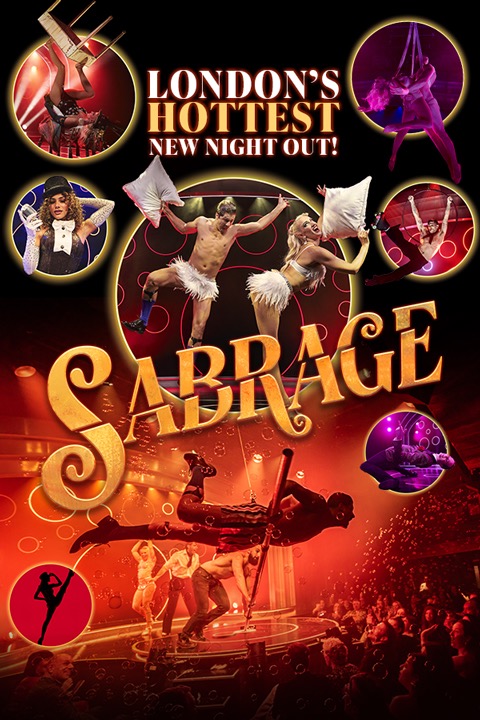
I’d been hearing whispers—more like delighted murmurs—circulating through my social circle about a production with just the right amount of cheeky X-factor. A show called SABRAGE. The reviews were glowing, bordering on evangelical, and once I looked further, the decision was made.
Described as an intoxicating collision of circus artistry, vintage glamour, high-octane acrobatics, and mischievous humour, SABRAGE promised far more than a conventional night out. It billed itself not merely as a show, but as an experience. And it
delivers—spectacularly.
On Saturday evening, we headed to King’s Cross, an area that has undergone one of London’s most impressive transformations over the past decade. Once gritty and utilitarian, it’s now a cultural and social hub buzzing with confidence. Lafayette, located just four minutes’ walk from the station, sits discreetly behind the main thoroughfare—an architectural gem that immediately sets the tone.
From the moment you arrive, the welcome is warm and efficient. Even security manages to be charming—no small feat. Before entering the theatre space, there are a few house rules. Chief among them: no photographs of nudity. This might raise an eyebrow or two, but rest assured—nothing here is gratuitous. Everything is artfully staged, elegant, playful, and firmly in good taste. If you’re easily offended, this may not be your night—but if you appreciate sensuality delivered with wit and intelligence, you’re in safe hands.
One of SABRAGE’s most impressive feats—aside from the performers themselves—is the seamless audience experience. Drinks and food can be ordered directly from your seat via a simple scan, and every member of staff we encountered was genuinely helpful, friendly, and clearly proud of the production.
The show opens with a theatrical pop—a sword cleanly slicing the cork from a champagne bottle—setting the mood instantly. Our hosts glide onstage, equal parts ringmaster and rogue, and from that moment, the audience is completely seduced.
Then comes the talent.
Almost immediately, the room developed a collective crush on Flynn Miller, whose high-flying aerial act is nothing short of breathtaking. There is a rare beauty in watching someone so utterly in command of their body, defying gravity with elegance, strength, and apparent effortlessness. His performance alone would be worth the ticket price.
But SABRAGE is far more than a one-man triumph. The cast—drawn from the very best international circus and acrobatic talent—deliver a relentless parade of jaw-dropping moments. There is danger, precision, laughter, and an undercurrent of delicious rebellion throughout. Vintage glamour collides with modern irreverence, and the result is electric.
What makes SABRAGE truly special is its balance. It knows exactly how far to push without tipping into excess. The humour is cheeky rather than crude. The sensuality is teasing, never tawdry. The spectacle is bold but controlled. Every act feels curated, every transition intentional.
By the end of the evening, our table of ten—birthday boy included—was unanimous. This wasn’t just a successful celebration; it was a night none of us will forget. SABRAGE doesn’t simply entertain—it exhilarates.
If you’re looking for something genuinely different in London, whether for a birthday, celebration, or simply because life deserves more champagne-fuelled circus brilliance, SABRAGE at Lafayette should be at the very top of your list.
Well, I have just witnessed a man stand up and speak who could best be described as the prodigious love child of Keith Richards and Ricky Gervais—conceived, perhaps, through the mischievous spirit of Janet Street-Porter. Hilarious. Sharp. Fearless. Unapologetically himself.
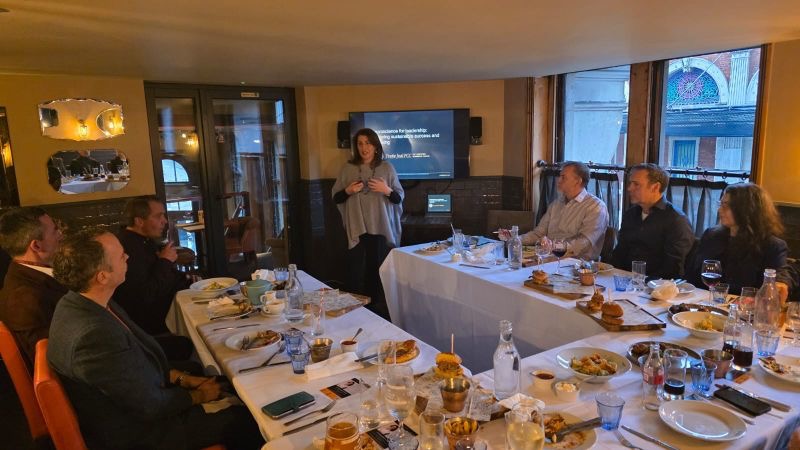
And yet, despite appearances, I was not tucked away in a comedy club. Instead, Anna Kennedy OBE and I had ventured somewhere altogether different, joining Pier Space Speakers Corner London for one of their celebrated lunches, held at the funky Balfour St Barts.
What struck me immediately was the atmosphere: a room buzzing with ideas, warmth, and possibility. This was not a classroom, nor a rigid corporate seminar. It was a gathering of diverse voices—entrepreneurs, creatives, leaders, advocates—coming together to share experiences across business, inspiration, leadership, and life itself. A place where stories mattered as much as strategies.
I am no stranger to speaking. I love radio and television, thrive in podcasts, relish a debate, and happily interview just about anyone. Give me a microphone and a subject and I’m entirely at home. But there is a lesser-known truth about me: when it comes to standing up and talking about myself, I freeze. I brick it, as we say. Confidence deserts me. Words scatter.
Yes, a couple of glasses of vino may occasionally loosen the tongue and—miraculously—result in a standing ovation. But that’s hardly a reliable strategy.
So when Anna suggested we both attend Speakers Corner London—not as performers, but as participants, learners, listeners—I jumped at the chance. And I am so glad I did.
Out and about with Anna Kennedy obe
This was the perfect antidote to fear: an environment that was supportive rather than judgemental, energising rather than intimidating. Not a “class” in the traditional sense, but something far more powerful—an inspirational space where you learn almost by osmosis, simply by being in the room with talented, generous people who genuinely want others to succeed.
Anna, of course, took to it like the Energiser Bunny discovering a microphone. Confident, articulate, and deeply authentic, she reminded everyone why her work in autism awareness and advocacy has made such a lasting impact. Watching her speak so naturally, so purposefully, was inspiring in itself.
The lunch marked a pretty epic kick-off to the 2026 events season, and it felt fantastic to be back among such a stellar group of speakers. The line-up read like a roll-call of insight and expertise: Paul Thomas, the “Sound of Success” specialist; Graham Norris, a future confidence guru; Phil Street FIH, hospitality podcaster extraordinaire; Gill Tiney, global collaboration champion and super-connector; Maria Pardo, marketing guru and Toastmasters president; Nic Marks, happiness author and statistician; Hulya Erbeyli PCC, an authentic leadership coach; Paul Cook, expert in change and transformation; and Trevor Folley, whose work on building cultures of trust resonated deeply.
A special mention must go to Yvette Jeal PCC, who opened the speaker spotlight slots for the year with a calm, confident and fascinating immersion into the neuroscience of peak performance. It was one of those talks that leaves you thinking differently—not just about leadership, but about how we show up every day. Felix Riley followed with a high-energy, often amusing and extremely useful set of ten tips for speakers, distilled from years of hard-won experience.
And then there was Zoie Golding MBE, sharing news of the Big Movement and its inspiring mission to get more men dancing for mental health—proof, if ever it were needed, that leadership comes in many forms, and impact is not confined to boardrooms.
By the end of the afternoon, I realised something important: this wasn’t just about learning how to speak better. It was about confidence, connection, and community. About giving people permission to find their voice—whatever that voice sounds like—and to use it with purpose.
So yes, Anna Kennedy OBE and I did venture out to do something different. And in doing so, I found myself quietly braver, unexpectedly inspired, and already looking forward to the next Speakers Corner London gathering in May.
Sometimes, the most powerful thing you can do is simply show up, sit among the experts, and allow yourself to learn.
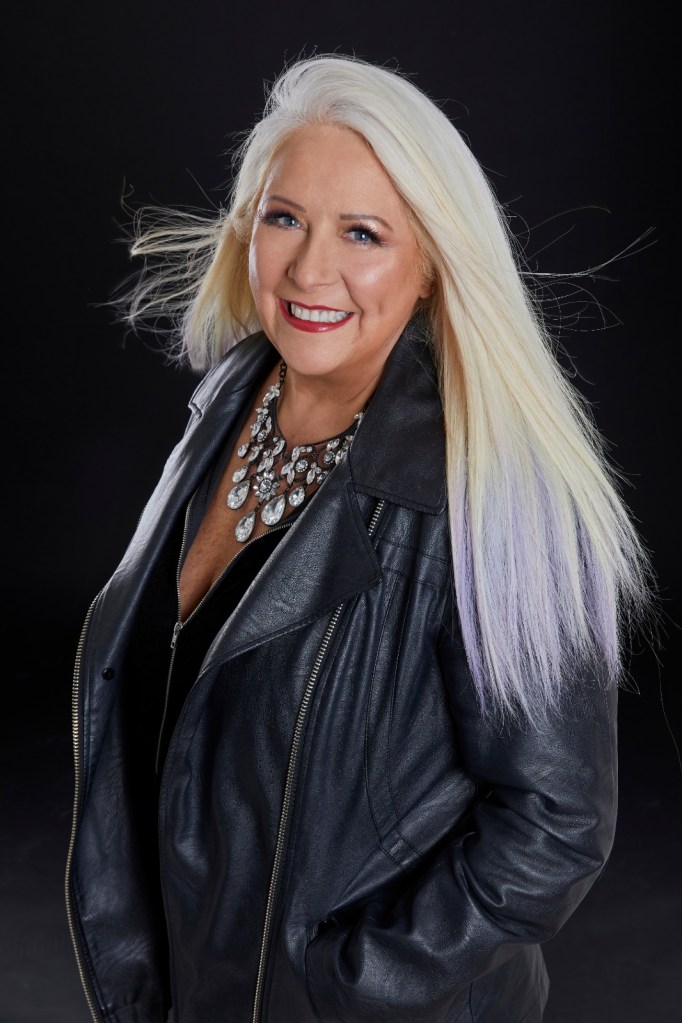
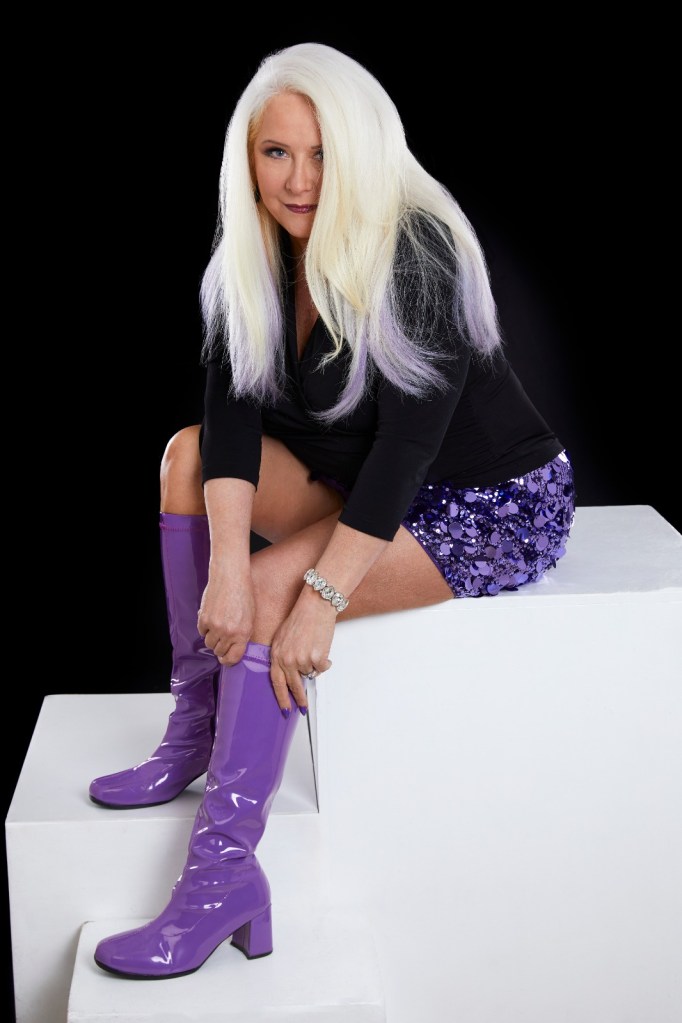
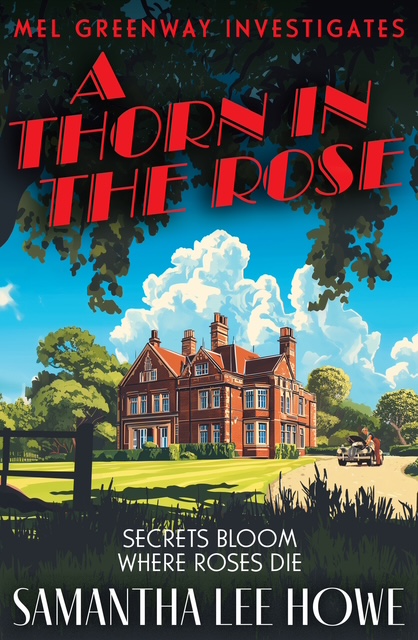
Samantha Lee Howe is an award-winning author, screenwriter, and broadcaster, known for her ability to craft gripping, emotionally rich narratives. Her latest release, A Thorn in the Rose, launches the Mel Greenway Investigates series, set in post-World War II Britain. The novel follows Lady Melinda “Mel” Greenway, a former army mechanic, who uncovers a body buried beneath the rose garden of the crumbling Avonby Estate. As Mel digs into the mystery, she faces a dangerous web of family secrets, class divisions, and unresolved romance, all while navigating the tensions between the estate’s wealthy residents and its resentful staff. Blending suspense with social history, Howe’s storytelling draws readers into a compelling world of intrigue and mystery.
Picture Annemarie Bickerton all make up Ayesha Baig
In celebration of her new book, Samantha shares her seven favourite things — offering a personal look into the inspirations and interests that fuel her creativity. From her fascination with forgotten histories to the quiet moments of reflection that help her develop unforgettable characters, Samantha’s list reveals the influences behind her writing and the passions that drive her. Whether it’s her love of storytelling, her advocacy work, or her dedication to unearthing hidden truths, Samantha’s journey as an author continues to resonate with readers worldwide. A Thorn in the Rose is just the beginning of an exciting new chapter in her career.
I have so many favourite things that this was a tough one. But in no particular order, here is my seven favourite things.
Ballgowns
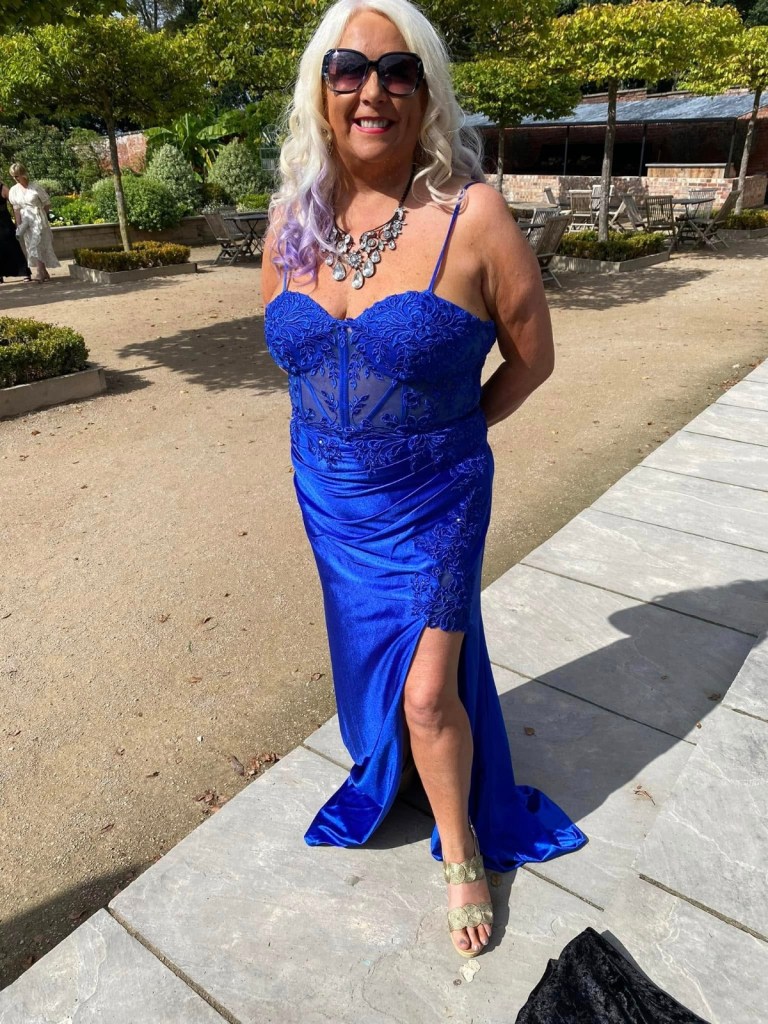
Yes, I adore a fancy frock — particularly when there’s a suitably glamorous excuse to wear one. There is something wonderfully transformative about a ballgown: the weight of the fabric, the sweep of the skirt, the quiet confidence it lends the wearer.
My favourite gown was designed by the formidable businesswoman Heather Hardy, who owns the highly successful prom, wedding, and occasionwear shop Glitz and Glamour Boutique, where I regularly indulge my love of elegant dressing. Some time ago, Heather turned her considerable talent to creating her own VIP range — a venture that met with well-deserved success.
Most wonderfully of all, she designed a dress with my favourite style firmly in mind and even named it after me. It remains a deeply flattering honour — proof that sometimes a love of beautiful clothes can be rewarded with something truly personal and unforgettable.
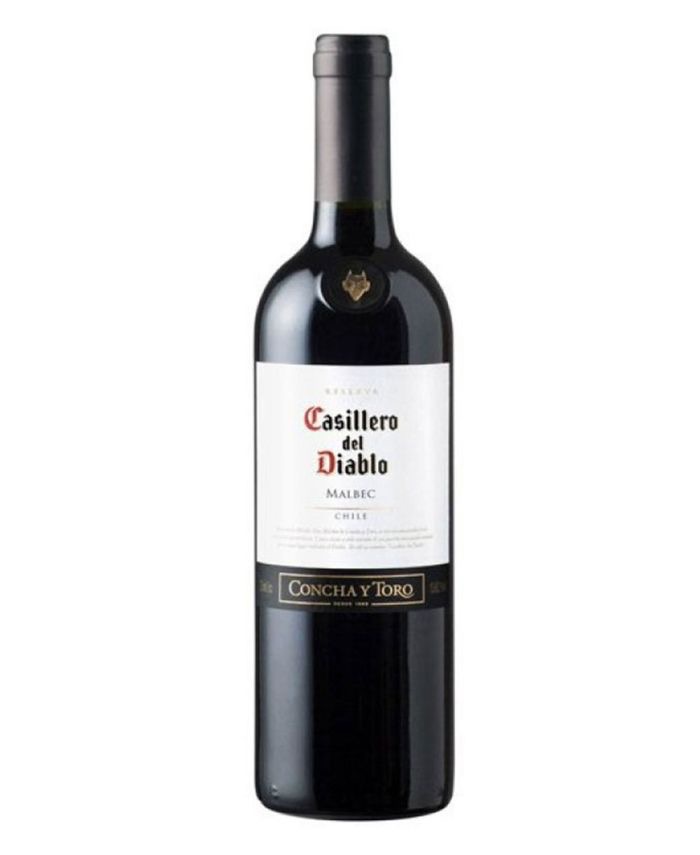
My favourite wine is red, and I’m particularly partial to a good Malbec. Rich, smooth, and reassuringly full-bodied, it’s a wine I return to time and again. As a result, my go-to choice — reliable, consistent, and eminently quaffable — is Casillero del Diablo Malbec. It never disappoints, whether opened for a quiet evening at home or shared with friends.
They also produce a very fine Carménère, which I enjoy just as much — a slightly bolder companion with depth and character, perfect for lingering conversations and unhurried dinners.
Cheese.
Self-indulgent, I know — but wine and cheese truly do belong together. I have a particular fondness for baked Camembert, especially since I first shared one with my husband, David, on our very first date. It was a long time ago now, yet it has never been forgotten. Even today, a Camembert still feels like a small celebration in itself, and I love to bring one out for us on special occasions, as a quiet reminder of where our story began.
Cats
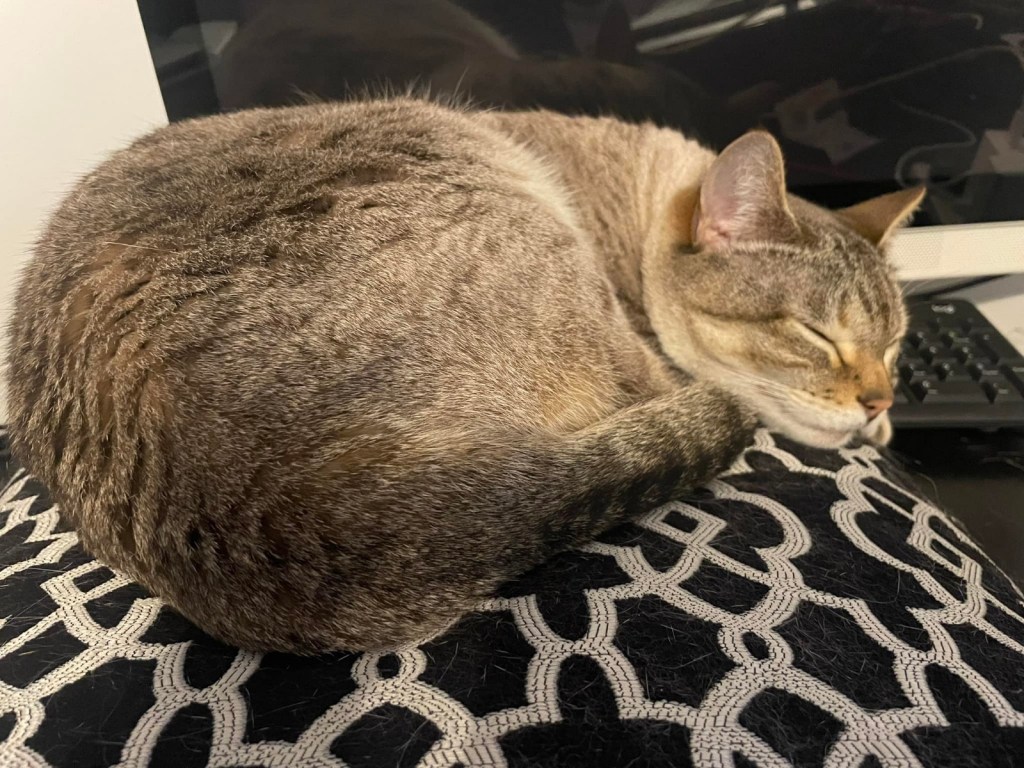
My beautiful furbaby, Skye, is my constant companion when I’m writing. Even now, she’s curled up against my leg as I type, quietly supervising proceedings in the way only a cat can.
What I love most about cats, in general, is their individuality. No two are ever quite the same; each has a personality entirely its own. Skye possesses the softest, sweetest nature, endlessly affectionate and reassuring — yet she also has a mischievous streak that appears whenever things fail to go her way.
Case in point: eating the fake snow off the Christmas tree, an act guaranteed to provoke a reaction from us and, I suspect, part of the appeal. It’s this blend of gentleness and gentle rebellion that makes her such a joy — and such an essential presence in my everyday life.
Skye the cat .
Birthday cake
I adore birthday cake, and the very best part is always the fondant icing. There’s something indulgent and irresistible about it — smooth, sweet, and unapologetically decadent. Still, I’m rather glad it only makes an appearance twice a year in our household, because it’s exactly the sort of pleasure one could develop a dangerous fondness for. Given half the chance, I suspect I could become thoroughly addicted
My Laptop
I honestly couldn’t live without my laptop. It’s an essential part of my daily life, serving as my main tool for work, communication, and social media. It’s where emails are written, ideas are shaped, and conversations are kept alive.
I don’t play computer games, but I do enjoy using it creatively — designing posters and banners, experimenting with layouts, and bringing ideas to life on the screen. Of course, it also has its less industrious moments. Every now and then, it becomes the perfect instrument for procrastination, doubling as a portal to streaming series when I really should be doing something else.
Practical, creative, and occasionally indulgent, my laptop has become far more than just a piece of technology — it’s a constant companion in both my working and wandering hours.
My Kitchen
As I love to cook, my kitchen is my favourite room in the house. It is also the hub of every party we have, and I’m always amazed by how everyone congregates in there each time. I take great pride in it too, and it always has to have clear and clean surfaces, ready, as I’m always saying, to cook the next meal.
My last two dining experiences began with a maître d’ who seemed to have stepped straight out of a sitcom, delivering the inevitable line — “Have you booked?” — in a tone that somehow manages to feel both accusatory and theatrical. Honestly, it makes me want to scream, “If I had booked, I would have told you!” It’s a small moment, but it can instantly drain the anticipation from what should be a relaxed and enjoyable evening out.
Thankfully, any lingering irritation melted away entirely when I arrived at 123 Browns. It isn’t the easiest place to find, but trust me — it is absolutely worth the search. Tucked away like a secret waiting to be discovered, this intimate yet beautifully curated venue feels calm, thoughtful, and quietly confident. From the moment you step inside, there is a sense that this is a place created with care. The space is stylish without being showy, warm without being overbearing, and there is also a charming outdoor area that feels perfect for long conversations and unhurried evenings.
Specialising in plant-based cuisine, 123 Browns proves — emphatically — that vegan dining can be indulgent, creative, and deeply satisfying. This is not food that relies on novelty or gimmicks; it is food that speaks for itself. The service plays a huge part in setting the tone. With only two members of staff working, the experience felt remarkably seamless. From the outset, we were treated less like customers and more like welcome guests. The team took time to explain the menu clearly and enthusiastically, answering questions with genuine warmth. My friend’s rather complex dietary requirements were handled with complete ease, and the wine and food recommendations were thoughtful, informed, and delivered without even a hint of judgement or impatience.
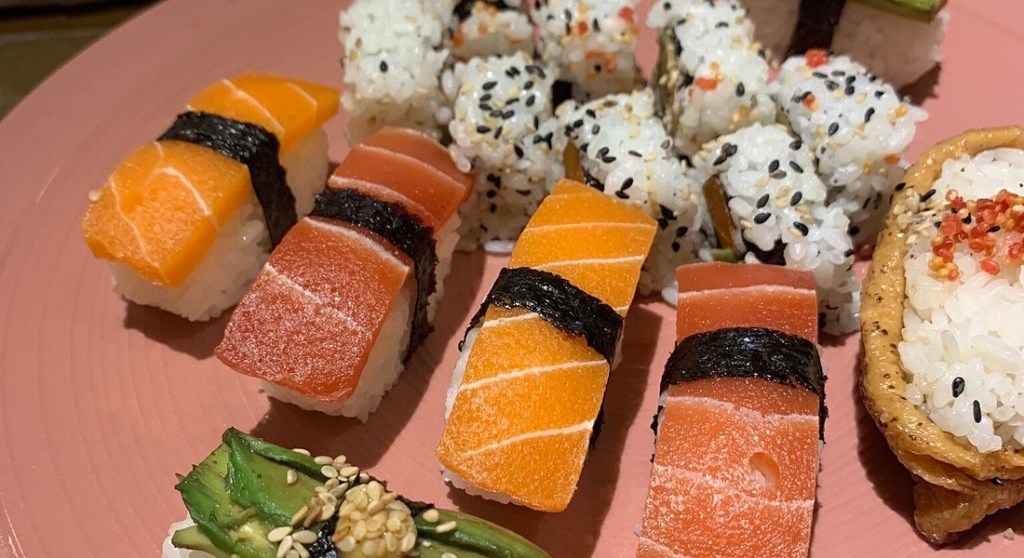
The food itself was outstanding. Every dish felt carefully considered, beautifully presented, and packed with flavour. This is plant-based cooking that doesn’t attempt to imitate meat unnecessarily, but instead celebrates texture, balance, and freshness. The seasoning was confident without being heavy-handed, allowing individual ingredients to shine. If you love sushi, the plant-based sushi here is nothing short of divine — fresh, inventive, and genuinely memorable. Each bite felt clean, vibrant, and indulgent in equal measure. My only regret is that I didn’t order more savoury dishes before sensibly — or foolishly — leaving room for dessert.
And then there was the dessert. The matcha cheesecake deserves its own paragraph, possibly its own fan club. It may genuinely be the dessert of the century. Silky smooth and perfectly balanced, it was indulgent without ever feeling heavy. The matcha flavour was subtle rather than overpowering, lending depth and elegance rather than bitterness. I had two. Yes, two. Naughty? Absolutely. Worth it? Without question.
What truly sets 123 Browns apart, however, is its atmosphere. There is a calm, welcoming energy that makes you feel instantly at ease — almost like coming home. It feels like a safe, comforting space where you are encouraged to slow down, be present, and enjoy food that has clearly been prepared with intention and care. Honestly, just go. It is a treat in every sense, and once you have been, you will already be planning your return.
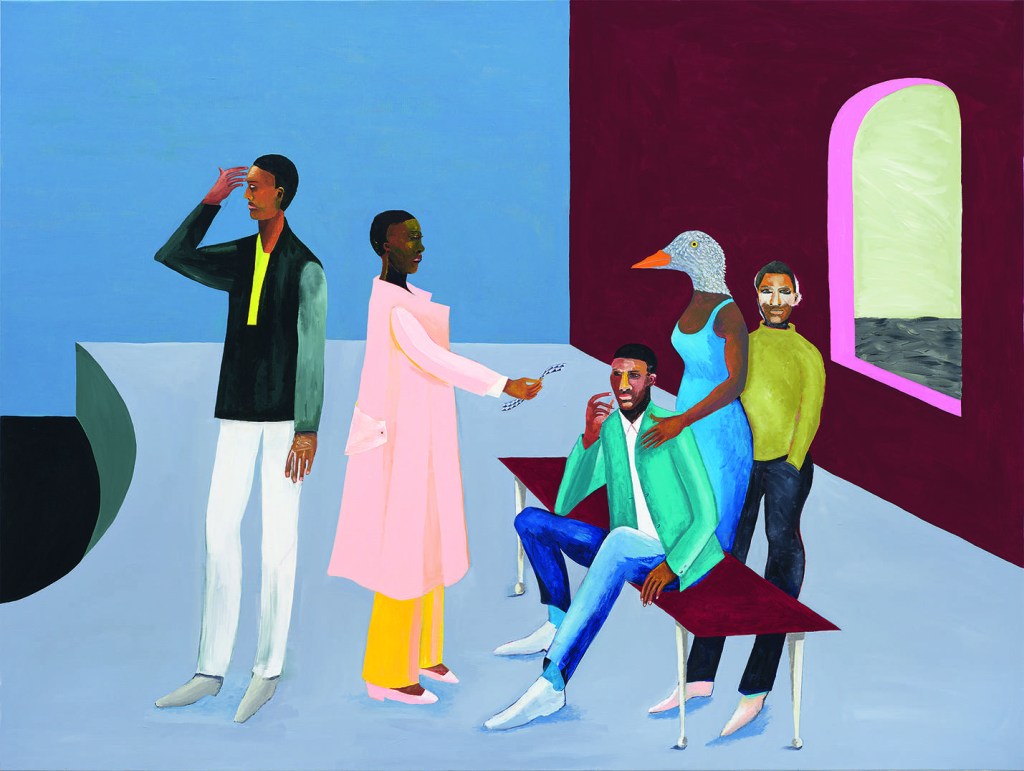
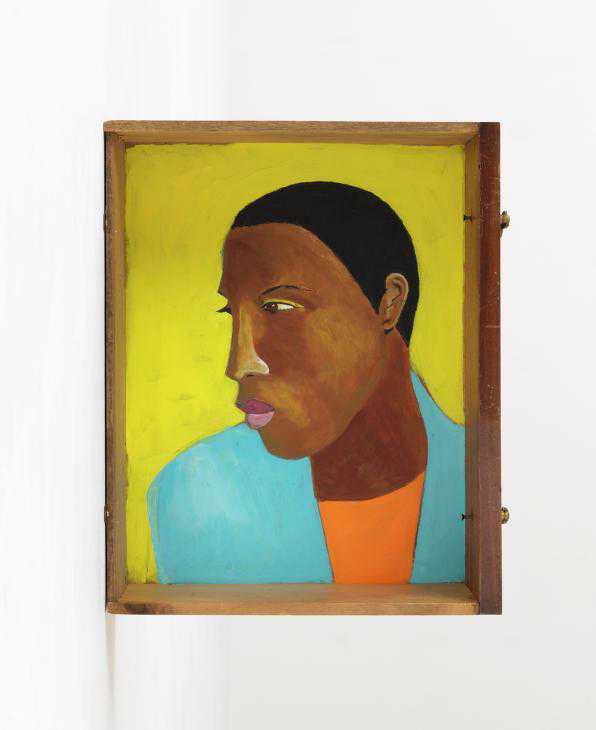
When news broke that Lubaina Himid RA, CBE would represent Britain at the 2026 Venice Biennale, the art world let out a collective cheer. At 72, the pioneering British artist—born in Zanzibar, based in Preston—has earned a place among the most influential voices of her generation. Her work, a dazzling blend of history, storytelling, and social critique, has long challenged the narratives that dominate Western culture, shining a light on the contributions of Black figures who have too often been overlooked.
Himid is no stranger to breaking ground. In the 1980s and 1990s, she curated trailblazing exhibitions like Five Black Women (1983) at London’s Africa Centre and The Thin Black Line (1985) at the ICA, putting Black female artists firmly on the map at a time when mainstream galleries barely noticed. Her daring vision earned her the Turner Prize in 2017, and a CBE followed in 2018, honours that recognise not just her artistry but her remarkable influence on the British cultural landscape.
And yet, Himid remains delightfully down-to-earth. On hearing of her Biennale invitation, she laughed, “with both disbelief and pleasure,” before reflecting on the opportunity:
“It is such a great honour and at the same time a brilliant and exciting opportunity to make something particularly special, which resonates with multiple audiences, communicates with complex histories, and looks to a more collaborative future.”
The Path to Venice
Being chosen to represent Britain in Venice is no small feat. The British Council, which manages the UK’s pavilion, conducts a rigorous selection process. Artists are nominated and assessed by curators, critics, and cultural institutions from across the country. Their proposals are scrutinised for artistic excellence, innovation, and international significance—a combination that signals not just mastery of craft, but an ability to spark conversation on a global stage. The final decision rests with the Pavilion Commissioner and the Visual Arts Advisory Group.
It’s a recognition that places an artist at the very pinnacle of contemporary British art, transforming their career and showcasing their vision to a global audience. For Himid, whose work thrives on dialogue, this platform offers a chance to create a profound, immersive experience in Venice’s historic spaces.
Reimagining the British Pavilion
Himid is renowned for pushing the boundaries of painting, sculpture, and installation, fusing textures, narratives, and sound to construct spaces that feel alive, vivid, and socially urgent. Emma Dexter, Director of Visual Arts and the British Council Collection, describes Himid’s approach as “a radical optimism combined with incisive social critique,” noting that her exhibition will transform the Pavilion into a journey of discovery.
For Venice 2026, Himid’s work promises to be both playful and profound, intimate yet expansive—a conversation across centuries and continents, a reminder that history is never neutral, and that art can illuminate the stories we have forgotten.
From her early curatorial triumphs to her recent global recognition, Lubaina Himid has always worked at the intersection of history, identity, and imagination. Venice will be the latest—and most spectacular—stage for her audacious vision, a moment that promises to resonate far beyond the gilded canals and crowded pavilions of Italy’s floating city.
In 2026, the British Pavilion will not just exhibit art—it will tell a story, vibrant and urgent, through the eyes of one of Britain’s most brilliant and fearless artists.
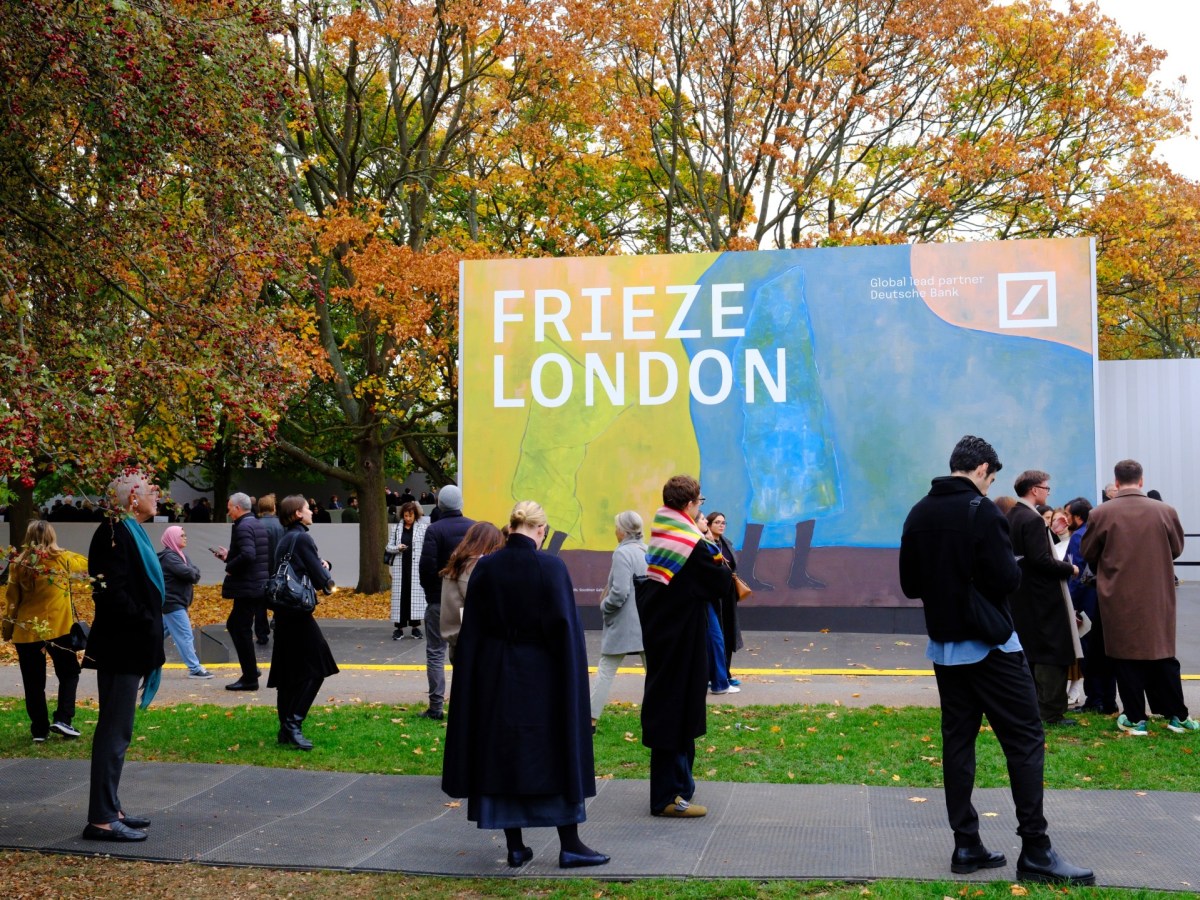
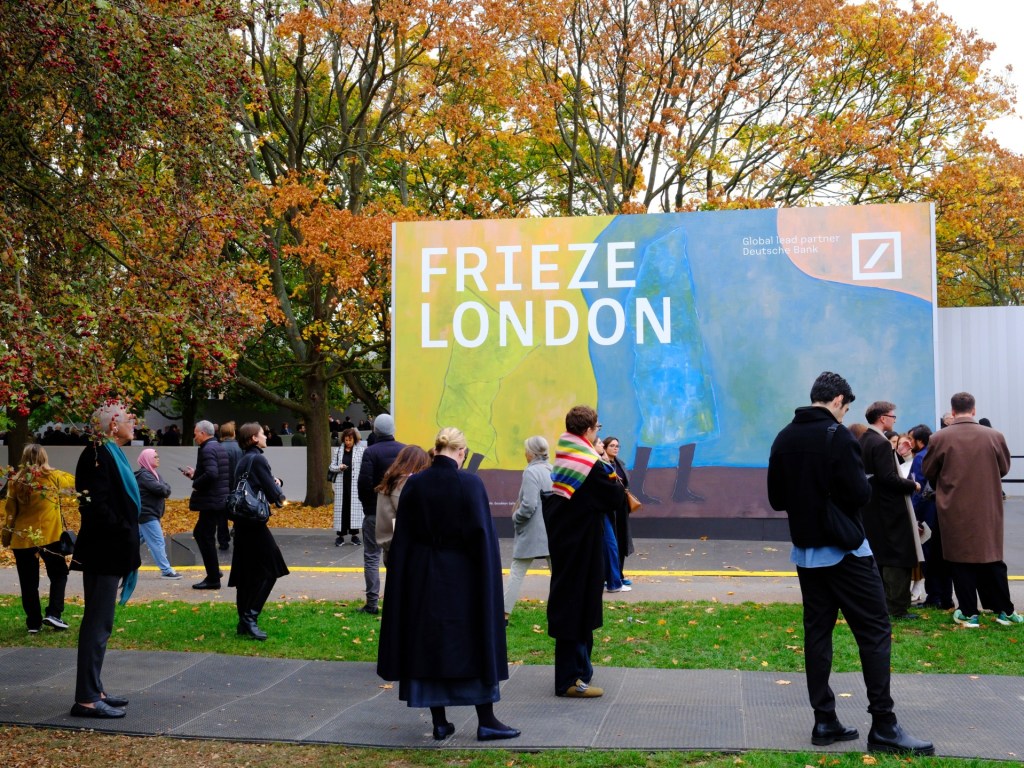
Frieze London 2025.PHOTO: LINDA NYLIND. COURTESY OF FRIEZE
By Steven Smith
“This was Frieze in its most mature form — calm, confident, and beautifully human.”
This October, Regent’s Park once again became the beating heart of contemporary culture, as London’s premier art fair returned with a noticeably more reflective air. Gone were the flashing lights and social-media gimmicks that once dominated the scene — in their place, a quiet confidence and an emphasis on meaning over market value. Frieze London 2025 proved that the true allure of art lies not in the roar of spectacle, but in surprise, sincerity, and the occasional whisper that lingers long after the tents come down.
A Quieter Kind of Dazzle
Each autumn, the white tents of Frieze rise like a sleek temporary city, drawing curators, collectors, and celebrities who glide between installations and champagne bars. But this year, something had shifted. The fair felt calmer — less about performance, more about purpose.
The tone was set from the outset. New entrance pavilions — elegant aluminium structures created by A Studio Between using 75 per cent recycled metal — signalled sustainability rather than status. It was a small yet telling gesture: Frieze has grown up.
Inside, the fair’s redesigned layout provided space to breathe. Instead of the crowding and visual overload of previous years, this edition privileged air, light, and contemplation. And what stood out most was originality. You weren’t left thinking “Hirst homage” or “Bacon knock-off” — though artistic lineage was there — the work felt boldly its own.
Frieze remains vast — more than 280 galleries across Frieze London and Frieze Masters — yet this year’s coherence was striking. Focus, the section dedicated to younger galleries, became its emotional anchor. Thirty-plus exhibitors explored climate, identity, displacement, and belonging with genuine urgency rather than opportunistic messaging.
One standout installation — a delicate shelter of reclaimed textiles and timber — spoke quietly yet powerfully of “home”. No gimmicks. Just humanity.
Even the major galleries opted for subtlety. Gagosian, Hauser & Wirth, and White Cube resisted spectacle in favour of introspection: small, thoughtful works that drew viewers in rather than overwhelming them.
“Frieze 2025 is a fair about stories, not stunts.”
The Market Mood
Frieze is both cultural pilgrimage and high-stakes shop floor — and the cooling market was impossible to ignore. Economic uncertainty has made collectors judicious, especially in Britain. Yet the fair thrived precisely because it did not mask reality.
Dealers confessed that sales were careful but consistent. Relationships mattered more than rapid-fire transactions. There was less frenzy, more trust — and with it, a sense of optimism that art still carries weight when times feel lean.
Art with Intention
What defined Frieze this year wasn’t a single blockbuster piece — but a collective tone of intentionality. Works spoke across booths about survival, memory, fragility, and the search for place.
Even architecture joined the conversation. Those aluminium pavilions — modest in shine yet rich in idea — mirrored the fair’s shift: modernism stepping into mindfulness.
Once known for glamour and provocation, Frieze has found its inner voice. No longer chasing viral moments, it invited something rarer: genuine attention.
“If previous years shouted, this one spoke — and everyone listened.”
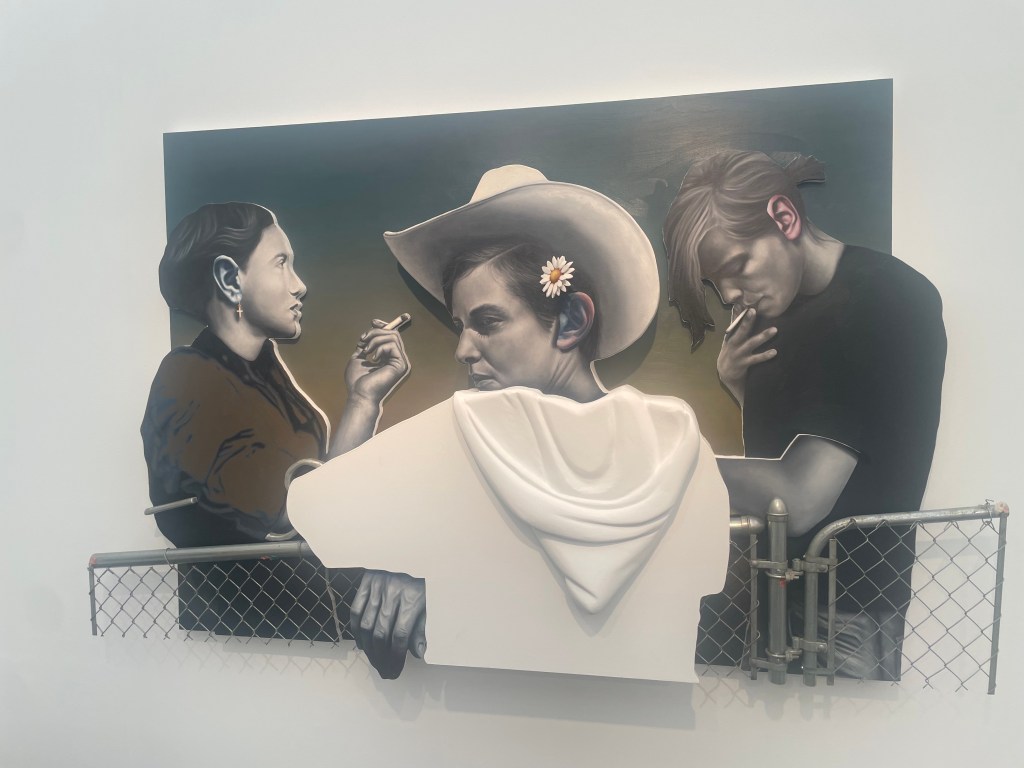
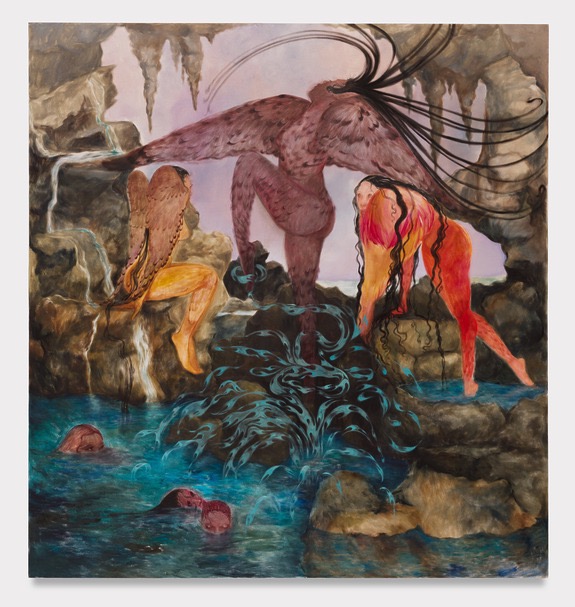
Naudline Pierre, Bathers, (2025). PHOTO: COURTESY OF NAUDLINE PIERRE AND JAMES COHAN
Moments of Stillness
Frieze 2025 balanced buzz with calm. The chatter of negotiations coexisted with long, quiet looks. Visitors paused not because works were famous — but because they were interesting.
Climate anxiety, migration and belonging were recurring ideas, but handled with nuance rather than sloganising. There was vulnerability — a powerful antidote in a world polished to a shine.
Where It Wobbles
A fair this size still overwhelms. After several hours, even the sharpest eye risks softening into what insiders call “booth blur”. And while sustainability was championed, the contradiction of air-freighted masterpieces inside temporary architecture remains unresolved.
Yet for Frieze, these were growing pains — not failings.
“After three hours, the brain begins to flatten everything into booth blur — but somehow, this year, the art fought back.”
London’s Moment
Amid market turbulence, Frieze reaffirmed London’s role as the art world’s soulful heart. Where Basel can feel clinical and New York transactional, London offers intellect tempered with humour — grit paired with grace.
A temporary city in a timeless park: that is its poetry.
Frieze London 2025 was the grown-up edition — less showmanship, more sincerity. It favoured ideas over Instagram, meaning over money. It reminded us that great art doesn’t always demand attention. Sometimes it waits. Sometimes it whispers. And sometimes, if you pause long enough, it tells you exactly what you needed to hear.
“This was Frieze in its most mature form — calm, confident, and beautifully human.”
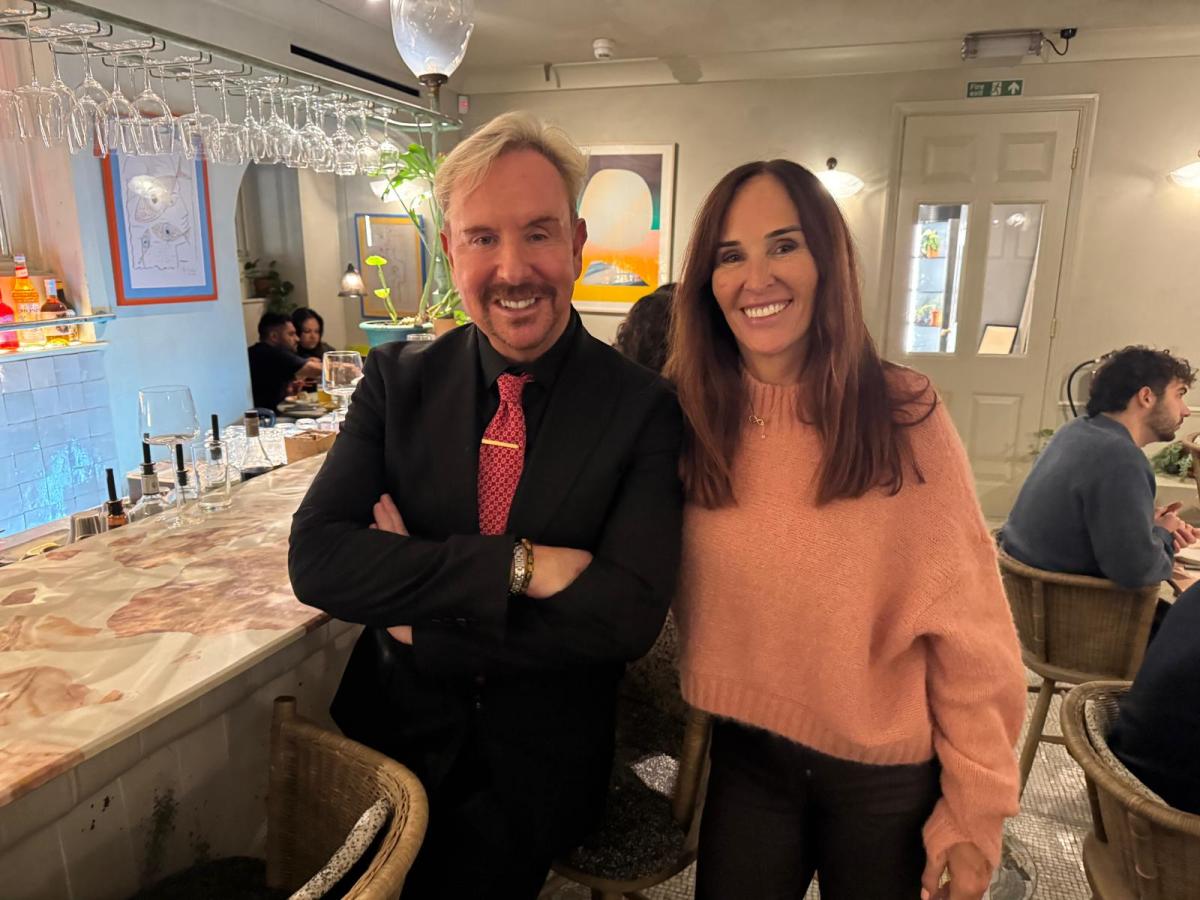
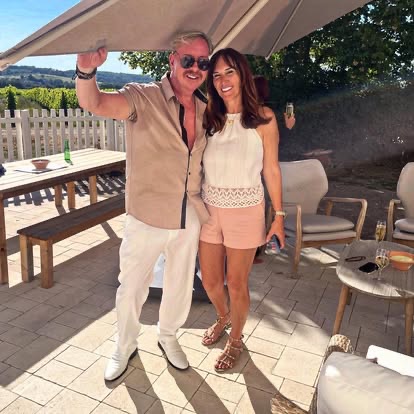
Celebrating my best pals birthday was just a dream.
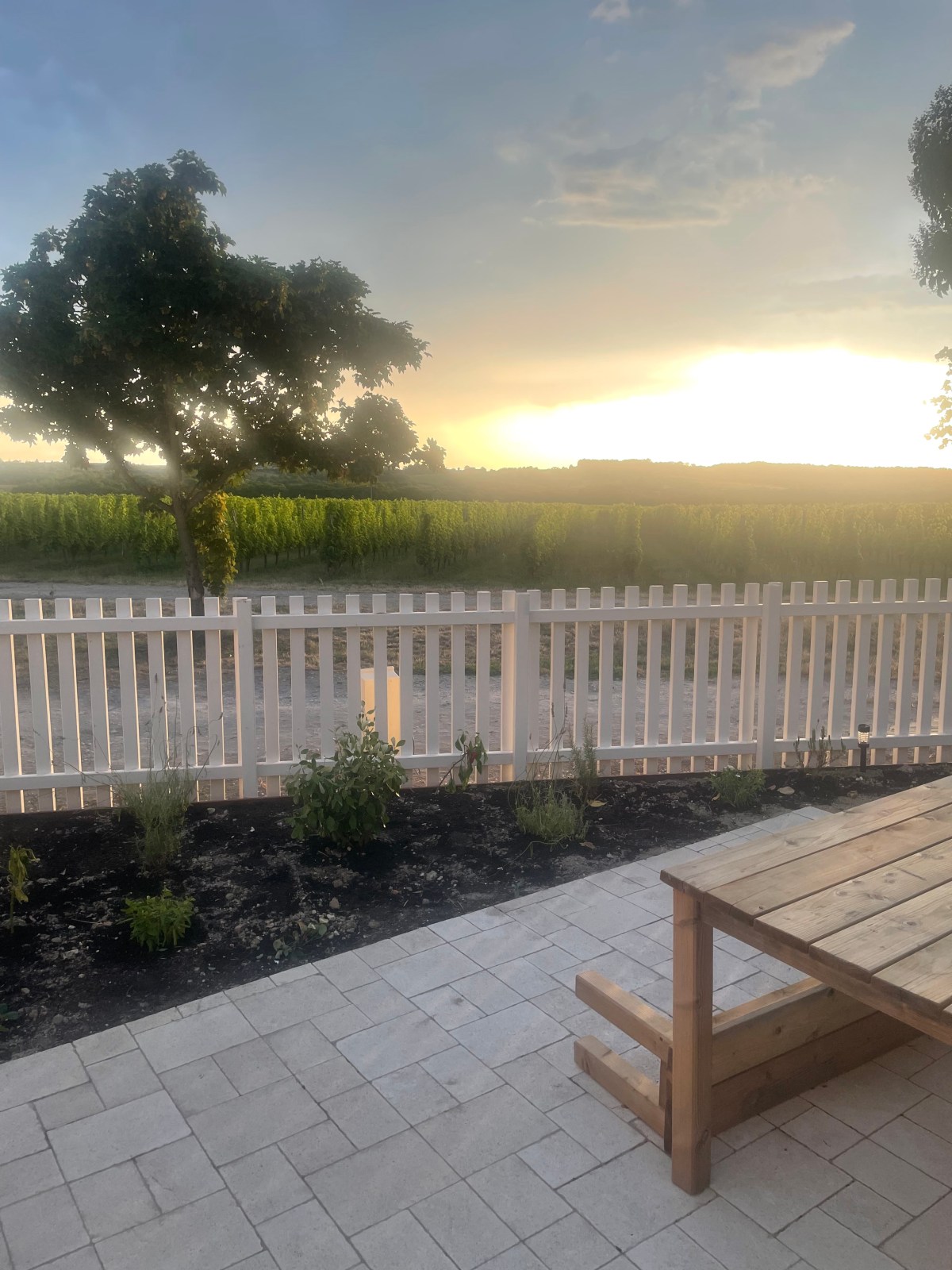
My best pals birthday in superb surroundings .
France’s Dordogne is no stranger to charm, but this tiny wine-soaked village might just be its best-kept secret
By Steven Smith
Five days in a southwest French village left me sun-warmed, wine-softened, and wondering how I’d lived this long without knowing Saussignac existed. This is rural France at its most painterly — all rolling vineyards, candlelit dinners, and the slow thrum of a life well-lived.
The Birthday That Changed Everything
When my best friend invited me away for her birthday, I braced for Dubai. Maybe Ibiza. Somewhere loud and expensive, where my idea of a lie-in would be drowned out by basslines and foam cannons.
Instead, she said, “Saussignac.”
The name meant nothing to me — until an artist friend described it as “wines of the gods, food like nectar, and a village so pretty it could be in a Merchant Ivory film.” He added, with a wink, “Some hotels feel like art galleries — all taste, style, and warmth.”
Two weeks later, we were landing at Bergerac Airport, a dinky 1960s gem that could double as a film set. In 10 minutes, we were in the hire car. In 20, we were in another world.
“Darling, you don’t do anything there. You immerse yourself in beauty.”
First Glimpse of a Slower Life
The drive was a moving painting: rolling vineyards, fields of wildflowers, terracotta-tiled farmhouses unchanged for centuries. Every curve of the road offered a new gasp-worthy view.
My Secret Sanctuary
While the rest of the party checked into the lively hub of the village, I chose a private B&B run by Dutch hostess Ingrid Leenders.
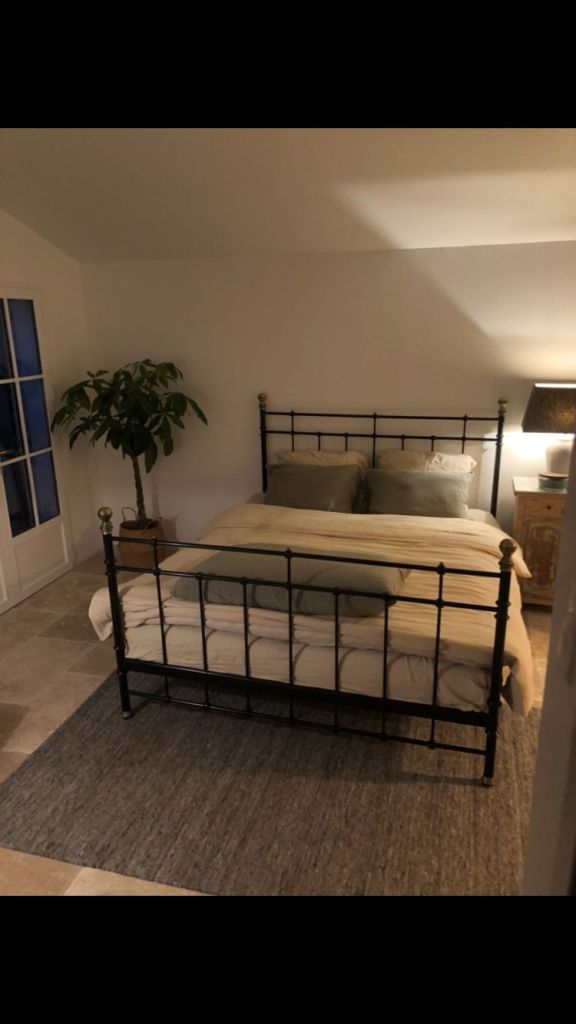
Her place is a pocket of peace: rustic gardens, a tiled pool, and rooms with open-plan bathrooms (romantics, take note). No TV, but strong Wi-Fi, a coffee machine, and a small fridge. Each morning at seven sharp, breakfast appeared — fresh bread, cheeses, eggs, and orange juice.
Ingrid herself? A doll. Always ready with tips, and never in the way.
Meanwhile, my friends took over Le 1500, a 12th-century building transformed into a boutique haven by retired businessman-turned-artist 58 year old Michael F. Rumsby and his husband, Lee McNeal.
Every room is a curated mix of antiques and art. A history room and library invite slow afternoons. Outside, the walled garden hides a pool, bar, and dining terrace that in summer becomes an event space — open-air films, long-table dinners, and the infamous Bad Boys Burger Night.
Our first evening was spent at Mélange, a family-run restaurant with stone walls, castle views, and a menu that changes weekly. Owners Melanie and Charlie are culinary magicians — especially for those of us with “difficult” diets. My pescatarian self and vegan friends were both spoiled.
If I ever marry, it will be at Château Lestevenie.
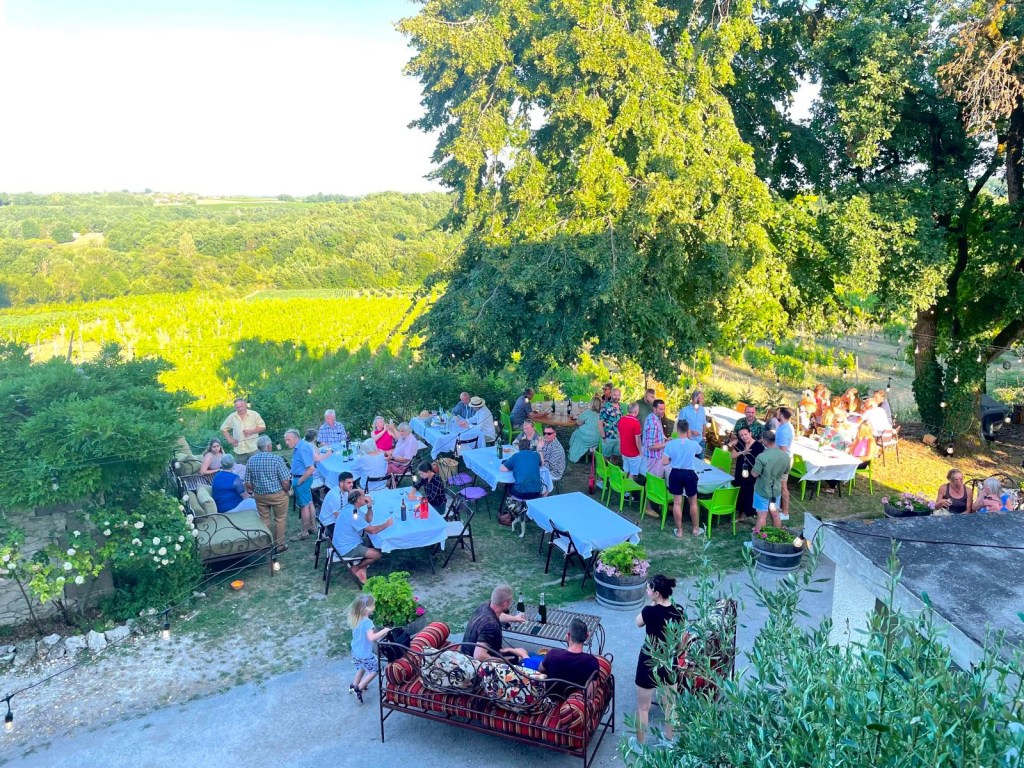
Owners Petrie and Jaco, both South Africans trained in the Stellenbosch winelands, host Summer Soirées so perfect they feel scripted: live jazz, vineyard sunsets, and rotating menus of Mexican, Indian, and French cuisine — all paired with their own sparkling Lestevenie Brut.
Just a short stroll from the village, Château Fayolle offers 130 acres of vines and woodland, plus terrace lunches that must be pre-ordered.
Wine here is history: since 1254, Saussignac and Bergerac bottles have graced Europe’s finest tables. Today, owners Frank and Riki Campbell are taking it global.
Some in our group opted for Château des Vigiers — a blend of fairways, fine dining, and château glamour between Bergerac and Saint-Émilion. It’s home to a championship golf course, a Michelin-starred restaurant, and a choice between historic suites or sleek relais rooms.
Saussignac isn’t about ticking off sights. It’s about strolling past shuttered stone houses, tasting wine under vine-laced terraces, and lingering until the sky blushes.
Bring a car — taxis are rare and expensive. Pre-book meals and flag any dietary quirks in advance. And then? Let the place work its quiet magic.
“By the end of the week my body was lighter, my mind calmer, my soul recharged.”
If You Go
Best time to visit: May–September for warm evenings and vineyard events. Getting there: British Airways (London City) and Ryanair (Stansted) fly direct to Bergerac. Car hire essential. Don’t miss: Mélange for dinner, Château Lestevenie’s Summer Soirée, Château Fayolle’s terrace lunch. Pack for: Lazy afternoons, lingering dinners, and the urge to never leave.
Steven Smith explores the emotional impact of going on holiday—how it can make or break friendships, test your sanity, and turn dream escapes into nightmare getaways. PLUS: His top tips for surviving travel with friends.
According to a Daily Telegraph survey conducted by Lloyds of London, eight out of ten people suffer from pre-holiday stress. In fact, numerous studies suggest that after divorce, house moves, and bereavement, going on holiday ranks as one of life’s most stressful events.
The Passion for Travel
Like many in the LGBTQ+ community, I’m fortunate to have the means and opportunity to travel widely—something linked to higher disposable income among our demographic. For me, travel is a passion. I’ve trekked Machu Picchu in Peru, cruised the Nile, dived beneath waterfalls, and flown over volcanoes by helicopter in Maui. I cherish those moments. Travelling with my partner of 18 years was always a joy. Sure, we had the odd delay or hiccup, but I adore airports and took most things in stride.
Add college friends into the mix, however, and you’ve got a different story. Assuming your friends have the same holiday agenda—or are as organised as you—can be a huge mistake.
Chiang Mai erotic garden.
Underpants Around His Ankles
It was Christmas morning in Gran Canaria. In the living room of my one-bedroom apartment, a large bearded bear of a man lay passed out on the floor. No, it wasn’t Santa. He had his trousers and underpants around his ankles—but had forgotten to remove his shoes. Behind him stood a naked, naughty elf. It was my friend, Brian Murphy, and I was ready to kill him.
My other friend, Blake Matthews, was in the villa next door and had been banging the headboard all night with a man who claimed to be a straight male escort from Croydon. Right.
Not quite the festive morning I had imagined. Despite our prior agreement not to bring random men home—so we could enjoy a calm Christmas breakfast together—it had quickly descended into chaos.
I packed my rucksack, stepped over the bear, and went off to enjoy a solo breakfast on the seafront.
What had I been thinking?
Gran Canaria wasn’t even my idea. A travel company, pleased with a few articles I’d written, gifted me a flight and villa for Christmas. It was more of a studio apartment, really. They kindly offered a discounted flight for a guest, and before long, five people wanted in. Suddenly, I was playing travel agent, and everyone started bitching about each other. Stress had already set in before we’d even packed our bags.
Two days before departure, I sent out a group text with flight times, terminal info, and villa directions. I added that I’d be checking in solo and would see them either at the gate or on the flight.
Blake replied: “CONTROL FREAK. RELAX. I’LL BE THERE.”
Another couple pulled out, saying Blake had offended them. I didn’t have the energy to argue.
At Gatwick, I stood alone at the gate. Just as boarding began, Brian appeared, full of excuses. No sign of Blake—until mid-air, when I felt a strange sense of relief. Blake had spent the last few days moaning about Brian, only to suddenly announce: “Oh, I love Brian,” as he puffed a menthol cigarette. A week later, the arrangement of Brian and me sharing an apartment—with Blake next door—became another source of friction.
Welcome to Hell
Arriving in Gran Canaria, my jaw dropped. “Ye Olde Queen Vic” pub signs flashed before me. The apartment was basic but expected. That didn’t stop Brian from moaning. He couldn’t wait to hit the notorious Yumbo Centre in search of his first conquest. The only upside? It was a five-minute walk, saving us taxi fares.
Determined to make the best of it, we set out. En route, we saw a fight—and a man get stabbed. Charming.
The Yumbo Centre—a giant shopping mall by day, gay Mecca by night—was surreal. You’d hope to be inspired by loving couples.
“We’ve been together for 29 years and we’re totally faithful,” said a pair from Blackpool.
“Gosh, I hope I can say that one day,” I replied. “Although… why is your hand on my bottom?”
“Oh, we share people.” So much for romance.
The drinks were cheap, the sun was shining, and I told myself everything would be fine—if I made it back to the apartment alive.
Act Two, Scene One
Blake finally arrived, fresh from flying British Airways business class—and made sure everyone knew it. Still drunk, he boasted: “Darling, I had gear with me and did a line with the steward in the galley.” Pure fiction, but the crowd laughed.
Blake, who had travelled with me many times, was always a walking contradiction. With his Freddie Mercury moustache, even a blind dog could tell he was gay. Yet he’d hide his Spartacus Guide under a Jackie Collins novel and insist on getting out of cabs a few streets away from gay bars.
Now he and Brian were lounging like extras from Dynasty, wrapped in white towels and robes, trashing the accommodation. “Steven, we’re not complaining but… what were you thinking?” said Blake, dramatically.
I found them a new place—one that suited their tastes. They weren’t thrilled. Now half-naked and on their fourth glass of bubbly, Blake puffed on another menthol and quipped, “I’m sure I’ll grow fond of the pet cockroach in my room.”
Then he hugged me. “Darling, we want to be with you. That’s why we came.”
Thankfully, my ex and his partner arrived, bringing some much-needed sanity. I hired a car and explored Gran Canaria properly. The island is beautiful—surprisingly so. Even the Yumbo grew on me. As long as I left before Alexis and Krystal stirred from their beauty sleep, I could enjoy peaceful days and return for cocktails and Blake’s nightly one-man show.
Did I mention I met my dream guy there, too?
The Police Officer’s Boyfriend
He wasn’t single—his partner was head of LGBTQ+ liaison for the police. “We share,” he said. “Are you up for it?”
“You’re kidding! If he were mine, no one would be touching him but me.”
I may have added, “Shame on you. You’re supposed to set an example.”
No judgment—so long as it’s consensual and no one is exploited—it’s just not my bag.
We saw each other a few times back home. But what goes around comes around. He stayed with his partner.
Was it bad friend choices? Or just me, dreaming of a jolly gay Christmas and failing to plan the logistics?
Holiday Rules and Snorers
There are so many stories. Like the time I woke to a stranger in bed with me and my best friend. Or when someone “forgot” their stage name didn’t match their passport.
Then there’s Adam.
Ours was a mature friendship. We talked things through. A year in, he asked, “Fancy a holiday?”
Alarm bells. Holidays can make or break a friendship. But I liked Adam, and when he suggested a cruise down the Nile from Luxor, I was sold.
Adam warned me he snored—and wow, did he. I recorded it (he wasn’t thrilled), but it prompted him to finally address the issue. Snoring can ruin holidays; one of my friends recently had to sleep by the pool just to escape her partner’s decibels.
Egypt. Wow.
The Nile cruise was magical. A shaky start (our airport transfer never arrived), but even dashing through dark backstreets in a cab to find our boat, we laughed all the way.
Sitting in the Winter Palace Hotel in Luxor—home of Agatha Christie’s Death on the Nile—Adam asked, “Shall we go see the sights?”
“Let’s just do Glamour’s Five-Star Hotel of the Nile for now,” I said.
We howled.
We discussed finances before the trip—essential. “It all comes out in the wash” was our motto. Sometimes one of us was more flush, and we’d cover each other. No awkwardness.
We all know the tightwad friend: the one who orders a starter and tap water, then helps themselves to the shared wine. But when it’s their round? Crickets.
Salmonella and Sensibility
Adam and I had many great adventures. He was the perfect pseudo-boyfriend. But eventually, someone else would come along. In Sitges, that’s exactly what happened.
We never planned for it—mistake. Sitting alone at dinner while he held hands with someone else wasn’t fun. We should’ve talked it through, as we usually did. Thankfully, it didn’t harm our friendship.
I can be a walking holiday disaster. Mosquitoes treat me like a buffet. I’ve caught Hepatitis B in India and salmonella in the Dominican Republic. But it never puts me off.
Because travel is freedom. And when shared with the right friend, it’s unforgettable. No matter how grown-up we are, caring for one another never goes out of fashion.
Have a great holiday season.
My Top 6 Tips for Travelling With a Friend:
Talk first. Discuss your expectations for the trip.
Be honest. Are you going for fun—or just to split costs?
Acknowledge your quirks. Any snoring, early riser habits, etc.
Talk about money. Set clear agreements in advance.
Respect personal space. Holidaying together doesn’t mean joined at the hip.
Look after each other. The best travel souvenir is a stronger friendship.























 2Shades Magazine