Re[Sens] Skincare Arrives at MINX: Kensington’s Most Exclusive Beauty Destination
London, UK – [Date] – The secret to radiant, effortlessly flawless skin has arrived. Re[Sens], the disruptive luxury skincare brand adored by beauty insiders, is now available exclusively at MINX, the elegant beauty sanctuary in the heart of Kensington.
Blending science with indulgence, Re[Sens] was born from a singular vision: to correct the overlooked flaws in traditional skincare. Each formula is powered by a high-performance fusion of anti-inflammatory and anti-ageing actives, meticulously designed to neutralise harmful water—a hidden skin aggressor present in countless beauty routines. The result is skin that feels instantly soothed, deeply hydrated, and illuminated from within.
Already hailed by leading beauty editors, one signature product in the collection has earned the coveted label “better than Botox”—a testament to its transformative power.
For those with Celtic skin, prone to persistent redness and sensitivity, Re[Sens] is nothing short of revolutionary. Its formulas calm, balance, and even out tone in ways that foundation simply cannot, revealing a complexion that is naturally luminous and picture-perfect.
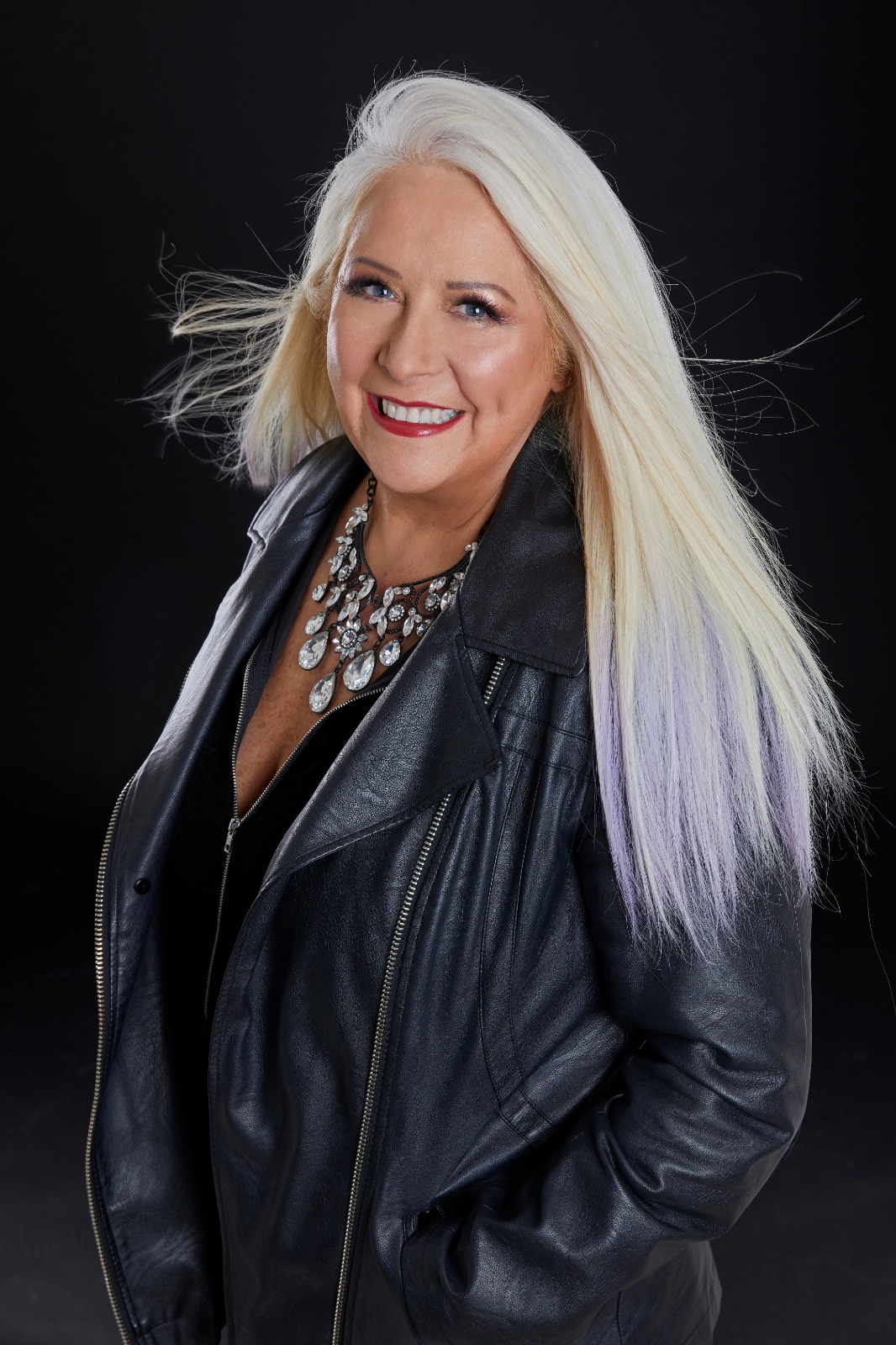
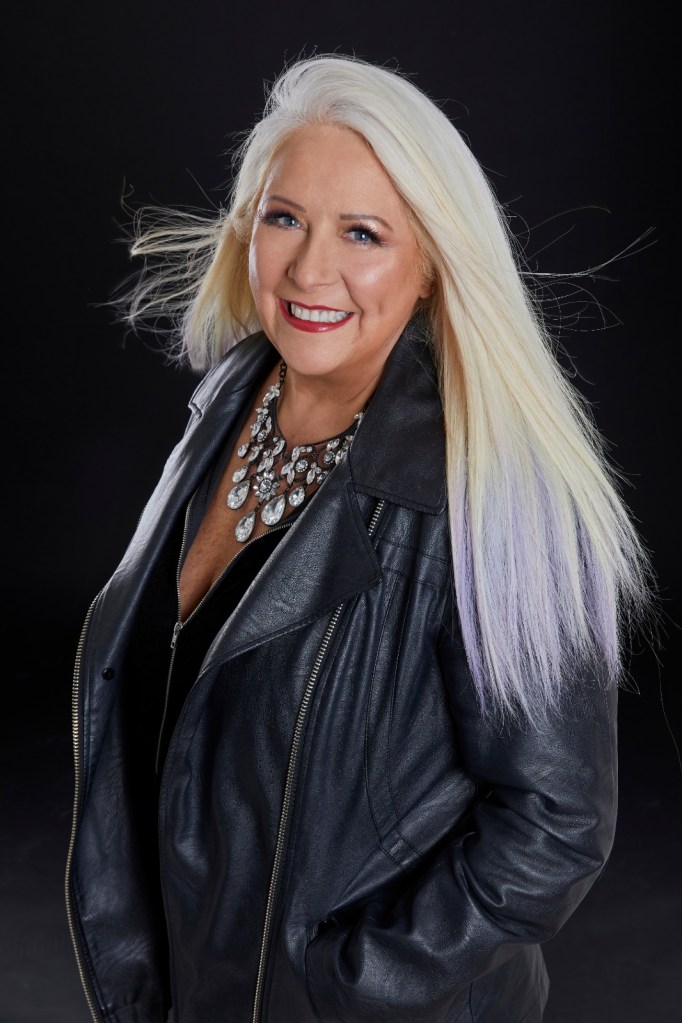
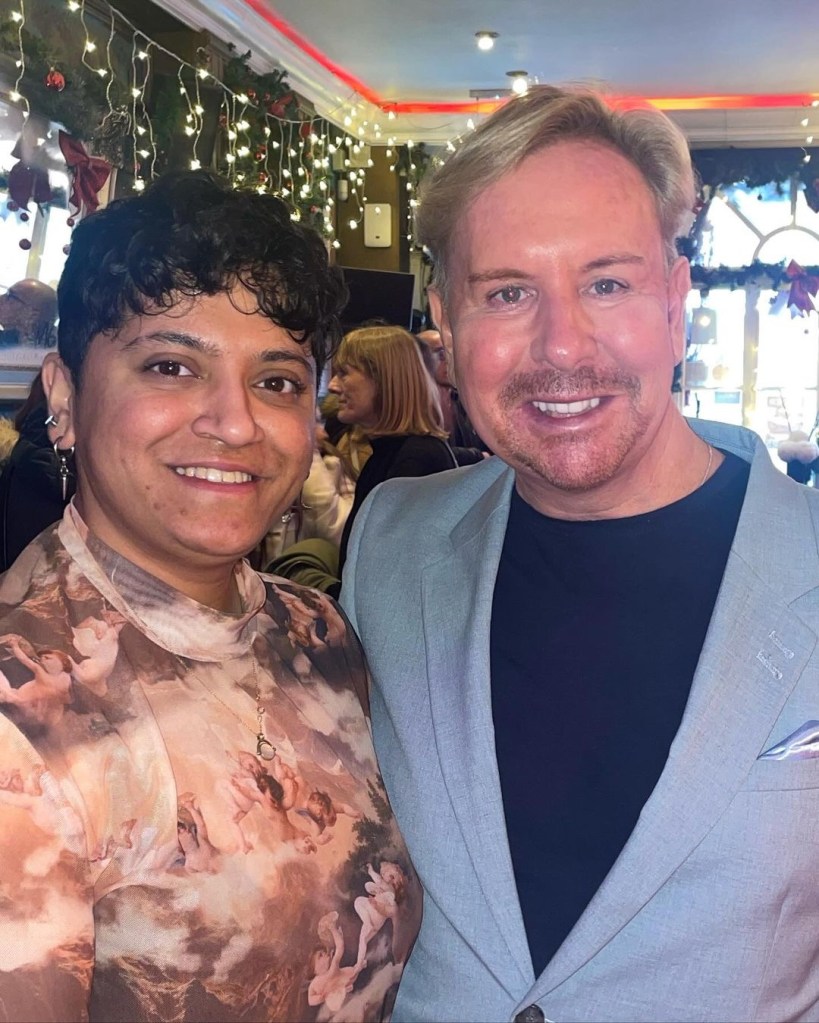
From silky serums for youthful and oily complexions to indulgent, peptide-rich creams for mature skin, every product in the range delivers measurable, visible results. The anti-ageing line in particular has gained a loyal following among high-profile clients. Television presenter and author Wendy Turner Webster credits the range with a remarkable improvement in her skin—so much so that she is often asked if she has had cosmetic treatments.
Wendy Turner Webster a huge fan of Re Sens
“We are delighted to bring Re[Sens] to MINX, a place that embodies sophistication, expertise, and excellence,” says a spokesperson for Re[Sens]. “The team’s dedication to personalised beauty experiences perfectly complements our mission to deliver skincare that doesn’t just promise results—it delivers them.”
At MINX, the experience is as indulgent as the results. Kensington’s most discerning clientele can enjoy bespoke skincare consultations from expert therapists trained in the Re[Sens] philosophy. Every visit is a journey—one where clients leave not only with extraordinary products, but with the knowledge to transform their skincare routine forever.
This exclusive collaboration between Re[Sens] and MINX invites Londoners to indulge in the ultimate skincare luxury: scientifically perfected formulas, beautifully presented, and trusted by those who expect nothing less than exceptional.
Discover the difference at MINX, where beauty is not just enhanced—it is redefined.
For more information or to explore the complete Re[Sens] collection, visit: 🔗 MINX Beauty 🔗 Imagine You
In the wake of current events, 2Shades asks the question: “Is everyone unintentionally a little racist?” Are we, as a society, guilty of labelling others at a glance? Does our upbringing dictate our fear of those perceived as different? How can we move forward and ensure that everyone is seen — and treated — as equal?
These days, you can’t escape slogans like “Black Lives Matter” and “Trans Rights.” They’re everywhere — and it breaks my heart that we still need to say those words. We think of ourselves as a civilised society, yet some people still feel the need to proclaim that their lives have value. Even during the pandemic, crowds took to the streets, desperate to have their voices heard.
Strike at the Root
How, in 2025, do people still feel like their lives matter less? And why does anyone need reminding that a life matters? We all breathe the same air and wake up with similar hopes, dreams, and stresses. Why should anyone feel like others see them as lesser?
It’s time to ensure that future generations never need to be reminded of their worth. As with many serious issues, we must strike at the root. Since no one is born a racist, let’s teach children that we are all the same.
Racist — someone who believes that other races are inferior to their own and therefore treats them unfairly, discriminating against other races, religions, or anyone perceived to be part of a minority group.
Avenue Q and the Racist Song
About ten years ago, I was sitting in the notoriously uncomfortable Noël Coward Theatre — wondering if the Marquis de Sade had designed the seats for people under 5’2” who hadn’t eaten in weeks — waiting to see one of my guilty pleasures: Avenue Q. It’s a kind of adult puppet show that has me in stitches every time.
But there’s one song that makes me squirm: “Everyone’s a Little Bit Racist.”
Princeton, the puppet, asks Kate Monster, “You’re a monster, right? So are you related to Tricky Monster, my neighbour?” Horrified, Kate calls him out — and Princeton points out some of her own biases. Then they burst into song:
“Everyone’s a little bit racist sometimes…”
At first, I was indignant. “Don’t put me in that category!” I thought, leaving the theatre. Yet Kate Monster’s reaction hit a nerve. You wouldn’t believe how many times I’ve been asked if I know a certain gay person — just because I’m gay.
The Gay Book
At a wedding in Guernsey, a woman I’d never met ran up to me and blurted out, “I hear you’re gay! David from EastEnders is gay — do you know him?”
I replied, “No, but I’ll look him up in the gay book.”
Her eyes widened. “There’s a book?”
I assured her there was (she didn’t get the irony) and off she went to tell her friends — who seemed to find me fascinating purely because of my sexuality.
Was it ignorance, racism, homophobia, or just misguided curiosity? Either way, I felt uncomfortable — half-expecting a wicker man to be erected in the town square.
Yes, many people — even with good intentions — can be unintentionally racist or discriminatory. This subject is close to my heart, which is why I’ve hesitated to speak out. Take my beautiful best friend of ten years, Dee. Her incredible personality and talent struck me first — not the colour of her skin.
“This Is My Gay Friend”
My eyes roll when I hear someone say, “This is my gay friend.”
My friends aren’t defined by race, sexuality, or religion. They’re defined by loyalty, kindness, and character. That’s what I see in another human being.
The N Word
Race only becomes relevant when a friend opens up about painful experiences — like when, as a child, her white friend’s mother told her she wasn’t allowed to play with her anymore because she was a n——. She ran home in tears. Her mother gently said, “Sometimes people in this world aren’t very nice.”
Even as she told me this story, I could see from her eyes — from her posture — that the wound still hurt.
Statues and Cancel Culture
How do we fix things so that no child ever feels this way? Peaceful protest is one way — but let’s steer clear of mob mentality. Keep perspective.
Churchill, Gandhi, and other historic figures were undeniably racist by today’s standards. But judging them solely by modern values brings little progress. Where do we draw the line?
If a statue needs to come down due to proven atrocities, let’s campaign — legally and collectively — for its removal. Not through vigilantism.
I’m also unsure we’re achieving anything by banning old TV shows. These are cultural artefacts — uncomfortable, yes, but historically significant.
When I heard Fawlty Towers’ “The Germans” had been banned, it felt like the final straw. Little Britain is apparently gone too.
Racism Off the Scale
If you want to see truly racist shows, look at the 1970s — Alf Garnett, George and Mildred, or Not on Your Nellie. In one episode, Hylda Baker asks a Black policeman for directions, then says, “You won’t know, you’re not from here either.”
Benny Hill was rife with misogyny, homophobia, and racism — yet celebrated in the US. Even the Carry On films were full of it. Bo’ Selecta! was criticised by Trisha Goddard, though Mel B and Craig David participated. And White Chicks, where two Black men disguise themselves as white women, is still one of my favourites.
Trying to erase the past is futile. By all means, campaign — but let’s make democratic decisions, not let the loudest voices dictate.
“All Lives Matter” — But You’re Missing the Point
Yes, all lives do matter — but that’s not the point. It’s not that Black lives matter more — it’s that they haven’t mattered enough. Imagine seeing images implying your ancestors’ lives were worthless. How would you feel?
Foundations of Prejudice
Let’s not pretend racism only comes from white people. It exists in every race. So let’s examine the root causes.
It starts with children. Schoolbooks shouldn’t include just one token non-white character. Representation should be equal and authentic. Let’s integrate, educate, and explore our complex past while teaching why things must change.
Redheads
Growing up in 1970s Scotland, there were no children of colour in my school. But I still stood out — red hair, Scottish accent. I was different. I was bullied.
Even today, redheads are mocked. I’ve explained that redheads often have more sensitive skin — and even educated people look puzzled.
Katie Hopkins once said, “There’s nothing worse than a ginger boy in younger years.” Hateful. Nasty.
Me at 63 but back in school being a red head got be bullied ,
Your Correspondent
We may not be born racist, but it’s a poisonous lesson many absorb early. My dad hated the Welsh. He’d tell stories about a man who stole his army uniform and say, “Never trust them.” Yet he adored Katherine Jenkins. His views were racist, misogynistic, and homophobic — but typical of his time.
Enoch Powell
At family gatherings, kindly grandmothers would say things like, “I don’t mind the coloureds, as long as they don’t move in next door — it brings down the property value.”
A friend’s mum once declared, “Enoch Powell had the right idea.” His Rivers of Blood speech still echoes in some circles.
We must teach our children that judging or bullying others is never acceptable. We may come from different heritages, but we are one people.
Grace Jones and Harlem
My musical influences included Diana Ross, Nina Simone, and Ella Fitzgerald. Moving to London, I encountered other cultures — clubbing at places like The Embassy and Bangs Adams, dancing to Grace Jones and Sister Sledge. To me, dark skin was beautiful.
In New York, I was warned not to go to “Black neighbourhoods.” Why? “They’re dangerous.” That attitude is the problem. I went anyway.
Harlem in the ’70s was vibrant, full of life. But segregation — fuelled by fear — persists.
My early musical influences Diana Ross , Nina Simone , Sister Sledge
Hair
One good thing about the US: to become a licensed hairdresser, you must learn to style all hair types. Not so in the UK, where separate salons still exist for Black and white clients.
I’ve shown up to jobs where actresses looked horrified. One woman said, “No offence, honey, but no white boy’s touching my weave.”
She loved it in the end. The UK could learn a lot from America on this front.
Dee and Me
Dee and I are often mistaken for a couple. We’re not. But we’ve faced attitude — from both Black and white people — even in cosmopolitan London.
At a Caribbean funeral, I was twice asked to park cars. One man said, “Easy mistake. You all look the same.”
Harlem 1970
Conclusion
Racism is learned — and it’s everywhere. Real change won’t come from reactive outbursts. It starts with education. It starts with talking, not shouting.
Let’s stop teaching kids that some people are worth less. Let’s support organisations like Diversity Role Models, which go into schools and promote inclusivity.
Sometimes I wonder — if Earth were attacked by aliens, would we finally unite? Looking at today’s governments, I doubt it. After all, they can’t even agree on how to fight a virus.
Yes — Steven’s Viewz is back, and this month’s edition is bursting with variety, insight, and just the right dose of controversy! As always, Steven brings his unique voice and unfiltered perspective to the table, tackling topics that range from the deeply thought-provoking to the wonderfully unexpected.
This issue explores everything from equality in marriage — reminding us how far we’ve come and how far we still have to go — to the growing interest in magic mushrooms and their potential benefits in mental health treatment. It’s bold, it’s current, and it’s never afraid to ask the uncomfortable questions.
Farage and the Marriage Debate
Laure Ferrari with Nigel charming lady .
If you’re wondering whether the Reform Party under Nigel Farage might take a stance against the LGBTQ+ community, you may not have to look very far. A closer glance at Farage’s voting record reveals that he once voted against same-sex marriage—a move that speaks volumes about his social and political outlook.
This position seems somewhat ironic, given Farage’s own colourful marital history. Having been through two failed marriages himself, one might imagine he’d be a little more open-minded—or at the very least, more humble—when it comes to other people’s right to marry. Love, after all, comes in many forms, and marriage is a deeply personal choice that should be available to all consenting adults, regardless of gender or sexual orientation.
I had the chance to meet Farage briefly once, and I’ll say this: his current partner, Laure Ferrari, is a charming and intelligent woman. But perhaps Farage would be better served reflecting on his own relationship history before trying to legislate who can and cannot get married. A man who has struggled to sustain long-term commitments might want to tread lightly before denying others the right to even try.
If Farage is basing his stance on traditional or biblical values—as he often implies—then perhaps he should revisit those same values in the mirror. The Bible, after all, says a great deal about humility, compassion, and loving thy neighbour—principles that seem to get conveniently overlooked in his rhetoric. Selective morality has never made for good leadership, and voters are waking up to that.
Farage often touts his children as a source of pride, and no doubt he is a dedicated father. One of his children is an outspoken supporter of Donald Trump, which tells you a great deal about the household dynamic and political leanings. That said, it’s good to hear that despite having had testicular cancer, he’s clearly not firing blanks.
Isabelle Farage did an internship in Washington DC
While loyalty to family is admirable, it doesn’t excuse positions that marginalise entire communities or strip people of their rights in the name of so-called tradition. It’s worth asking: what kind of future does the Reform Party really envision? A society where love is judged and legislated? Where equality is rationed out depending on who fits into a narrow, outdated mould? The UK has made great strides in LGBTQ+ rights, and going backwards is not what people want—or need.
In the end, Farage’s views on marriage may say more about him than they do about society at large. Rather than acting as the moral gatekeeper, perhaps it’s time he looked inward and asked himself why love between two people—regardless of gender—should ever be up for debate.
Love is love. And no politician, no matter how many headlines they chase, should have the power to decide otherwise.
I think it’s safe to say that no one will be rushing to give Erin Patterson — the so-called “mushroom murderer” — a job in the prison kitchen anytime soon. The tragic case has cast a long shadow over what has always seemed like a fairly harmless food.
Come to think of it, all my wonderful vegan friends who create amazing mushroom-based dishes might find me double-checking what varieties they’re actually using from now on! Mushrooms truly are one of nature’s wonders — packed with nutrients, flavour, and even potential healing properties. In fact, magic mushrooms (when used in microdosing) are showing promising results in mental health treatments, including anxiety, PTSD, and depression.
However, not all mushrooms are safe. Some look similar to edible varieties but are highly toxic, even deadly. It’s always best to source mushrooms from trusted suppliers or foragers who are fully trained in identification.
Death Cap mushrooms .
Here are a few of the most dangerous mushrooms to avoid:
Death Cap (Amanita phalloides)
Destroying Angel (Amanita virosa)
Funeral Bell (Galerina marginata)
Deadly Webcap (Cortinarius rubellus)
Panther Cap (Amanita pantherina)
False Morel (Gyromitra esculenta)
Mushrooms can nourish or kill — respect is key.
Driving me mad
Let’s make one thing clear: this is not a rant about women drivers. That said, there’s one male driver left such an impression that part of my heart still feels stranded in the Cotswolds — I’ve no idea how I survived that journey.
Now, one friend, bless her, assured me she had an advanced driving licence. This was just as we found ourselves parked in the central reservation, waiting for the next juggernaut to thunder past or into us I was gasping for air. “If I take the wrong one, it can be miles before I can turn back,” she said calmly — completely puzzled by my look of terror.
With the number of high-profile motorway deaths recently, I think I’m fully justified in being a back-seat driver. One friend drove with a small dog on her lap, a slurpy drink in one hand, and then decided it was the perfect time to apply lipstick. She seemed genuinely shocked when I wanted to get out of the car.
Taking a call while holding the phone in one hand should absolutely be illegal — and yet, some of my lady friends seem to do it as if it’s second nature. Zero awareness. Zero empathy.
One particularly playful argument — when I declined a Greggs coffee in favour of a Starbucks ” How can you afford that your broke ” — nearly ended in disaster, as the car narrowly missed a truck. When I instinctively threw my hands up onto the dashboard, I got snapped at: “That’s their fault — and if you keep doing that, you can get out!”
Apparently I’m the difficult one. But when we finally reached one friend’s house, her daughter-in-law took one look at me and said, “How did you survive that? It’s a suicide mission waiting to happen.”
Another friend got a ticket (thankfully not while I was in the car).
With drones now being used to catch drivers holding phones, drinks, or simply not holding the wheel — well, I say: bring it on!
Happily Ever After
The gorgeous couple Mel B and Rory McPhee
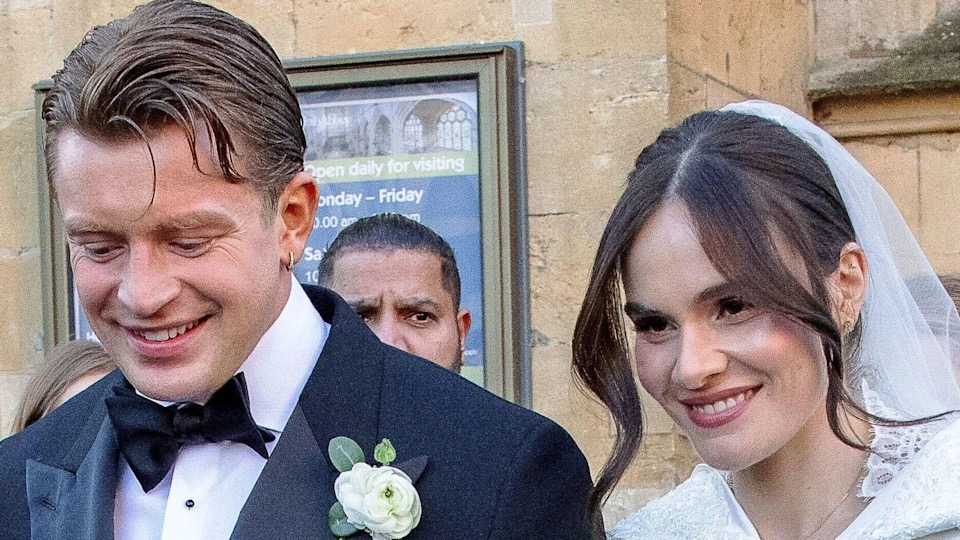
It’s lovely to finally see some heartwarming news in the papers for a change! Scary Spice herself — the fabulous Mel B — has officially tied the knot with her long-time partner, Rory McPhee. He’s a professional hairdresser, and from the photos, they both looked absolutely gorgeous on their big day. There was an effortless glamour about them, and Mel B radiated happiness.
After everything Mel has been through in her personal life, it’s refreshing to see her smiling, looking confident, and surrounded by love. The wedding seemed like something straight out of a modern-day fairytale — intimate, stylish, and full of joy. I really hope that, just like in the stories, this marks the beginning of a “happily ever after” for the couple.
It’s easy to forget that celebrities are real people, with real hopes, heartbreaks, and dreams. Mel has always been a bold, outspoken figure, and her resilience over the years is truly inspiring. Seeing her find love again is a reminder that there’s always hope — no matter what life throws at us.
Here’s to new beginnings, lasting happiness, and a bit of Spice Girls sparkle. Congratulations, Mel and Rory — wishing you a lifetime of love and laugher .
When you tune in to watch The 1975 perform live, you’re not just listening to a concert—you’re boarding an electrifying emotional rollercoaster. From the first beat to the final bow, Matty Healy doesn’t just sing; he commands, provokes, and enchants. At Glastonbury, he led his band into the annals of festival history with a performance that was nothing short of spellbinding—part protest, part performance art, and all heart.
There’s no doubt that watching The 1975 live is like being caught in a storm of sound and sentiment. Healy, a vocal advocate for mental health awareness, brings his audience on a journey that often feels bipolar in nature—veering from euphoric highs to moments of raw, painful vulnerability. One moment, you’re leaping in unison with thousands, lost in the pulse of a synth-heavy anthem; the next, you’re hushed and still, listening as he declares, “I’m bleeding for you.” Behind him, haunting visuals flash—images of human suffering, environmental destruction, animal cruelty—reminding the audience that this isn’t just music, it’s a call to consciousness.
“It’s not about politics anymore,” Healy said mid-set. “It’s about love. It’s about being kind. Only with that will we ever make a real difference.” It’s these moments of candour that transform his concerts from simple entertainment into deeply moving communal experiences. In an industry where many shy away from difficult truths, Healy walks straight into them, arms wide open.
His onstage persona oscillates between bravado and vulnerability. “I’m the greatest poet,” he quips with a grin—only to retract with a shrug in the next breath, “No, I’m an idiot.” The line between jest and confession blurs. It’s this constant tension—between confidence and self-doubt, performance and honesty—that makes him so captivating. Matty Healy was born for the stage, but it’s his disbelief in his own myth that makes the myth so powerful.
Critics often compare him to rock legends—Jagger, Iggy Pop, maybe even Bowie—but the truth is, Healy defies easy classification. He’s original, carving out a space that feels entirely his own. Perhaps the closest parallel is Marc Bolan, who stunned a generation with “Ride a White Swan,” opening the doors for glam rock and gender fluid performance styles. Bolan didn’t just sing songs—he shaped culture. Healy is doing the same, one provocative, glittering, gut-punch of a show at a time.
Musically, The 1975 occupy a unique space in modern rock. Their sound is a kaleidoscope—one moment polished pop, the next raw post-punk, with forays into jazz, soul, and experimental electronica. Healy’s songwriting is equally diverse. At times playful and catchy, at others profound and searching, he writes like someone trying to make sense of the world in real time. His voice—distinctly androgynous—is now fully formed. It’s a sound that feels both masculine and feminine, emotionally expressive without relying on the grit or aggression often associated with male rock vocalists.
Unlike performers such as Eminem or Macklemore, who often lean on female vocalists to soften or elevate their songs, Healy’s voice stands entirely on its own. There’s no need for a counterbalance. His vocal tone is rich, resonant, and complete. If a perfectly dressed salad needed no extra dressing, then Healy’s voice is that seasoned dish—balanced, flavorful, and satisfying all on its own.
And while Matty Healy is the band’s lightning rod, The 1975 is far more than just one man. The musicianship within the group is extraordinary. Drummer George Daniel is a master of rhythm—an innovator whose work deserves to be ranked alongside legends like Keith Moon and Ginger Baker. His beats are not just background; they are the spine of every song. Then there’s saxophonist John Waugh, whose solos are so expressive and vital that it’s easy to imagine David Bowie himself swooping in to steal him for a side project. Guitarist Adam Hann is no less impressive, crafting intricate textures and soaring riffs that elevate every performance.
1975 Drummer George Danielles a drummer for the hall of fame .
Together, they’re a cohesive force, a band in the truest sense. At Glastonbury, they played not like hired hands or background musicians, but like brothers—a family bound by the music they make. It was Healy, of course, who brought them all together, and it is his vision that they continue to follow. But it’s the synergy of all four that gives the band its power.
The 1975
The Glastonbury crowd, thousands strong, didn’t just watch—they listened. When Healy pleaded with them to “be kind” and to “make a difference,” they responded not with cheers but with thoughtful silence, a stillness that only true impact can elicit. Few performers have that kind of power. It’s the rare ability to hush a festival crowd, not with volume but with vulnerability.
And already, there are imitators—artists scrambling to mimic his stage presence, his fashion, his lyrical style. We won’t name names—let’s be kind, as Healy would urge—but the influence is undeniable. The 1975 are not just leading; they’re redefining the genre.
As the final chords rang out into the Glastonbury night, one thing became clear: this was a moment that would be remembered. The band could have easily played for another hour, and no one would have left. But sometimes, leaving them wanting more is the mark of a true master. And Matty Healy, for all his self-doubt and sarcasm, is exactly that—a master performer, a cultural touchstone, and yes, perhaps the Pied Piper of modern rock.
The world will keep watching. The arenas will fill. And The 1975 will continue to evolve, to provoke, and to inspire. Glastonbury may be behind them, but their story is far from over.
END
Why The 1975 and Matty Healy Support LGBTQ+ Rights and Fund Them
In an era where performative allyship is all too common in pop culture, The 1975 have carved out a reputation for genuine advocacy—particularly when it comes to LGBTQ+ rights. Fronted by the passionate and outspoken Matty Healy, the Manchester-based band not only vocalizes support but backs it with real action and funding.
Healy and his bandmates—George Daniels, Adam Hann, and Ross MacDonald—aren’t just a group with a large LGBTQ+ following; they’ve actively embraced and empowered the community. Their hit “Loving Someone” has become something of a modern gay anthem, resonating deeply with queer fans for its themes of identity, love, and resistance to conformity.
But their commitment goes well beyond lyrics. In a tangible display of support, The 1975 donated £16,000 to help create an LGBTQ+ centre in London—a meaningful contribution aimed at fostering safe spaces and community resources. As Healy himself said, “You might wonder why this is needed and ask what exactly everyone is still scared of, but sadly stigma still exists.” It’s clear he understands the ongoing challenges faced by LGBTQ+ individuals and refuses to remain silent.
Healy’s activism isn’t just about charity—it’s also about calling out injustices. At the BRIT Awards, he used his platform to highlight misogyny in the music industry, quoting journalist Laura Snapes to critique the double standards applied to male and female artists. This kind of intersectional awareness is why his advocacy rings true.
Part of Healy’s inclusive worldview stems from his upbringing. With a gay icon for a mother—actress Denise Welch—and a father known for playing drag characters on TV, he grew up immersed in queer culture. Labels never mattered in his household, and that open-mindedness clearly carries into both his personal life and public platform.
What truly sets The 1975 apart, though, is how authentic and accessible they remain despite global fame. Backstage at a packed O2 concert, Healy was more concerned about making sure a guest had a drink than what he was going to wear on stage. That sincerity, that desire to connect rather than dominate, defines their relationship with fans—especially LGBTQ+ fans who have long searched for artists that don’t just exploit queer culture but stand alongside it.
In short, The 1975 aren’t just the band everyone’s talking about because of their catchy songs or chart success. They matter because they’re using their platform with genuine purpose—offering representation, safe spaces, and support for those who need it most.
‘Fag hag’ or beard is a gay slang phrase referring to women who associate generally or exclusively with gay or bisexual men. But you knew that already, didn’t you?
Now, I hate labels of any kind, but when a woman tells me, “I love the gays,” my toes curl. Even my nephew, at thirteen, was smart enough not to fall for that one. “They’re just like everyone else—good and bad,” he shrewdly pointed out. It’s funny in Ab Fab when Edina blurts out, “All my friends are gay.” Oh, the irony.
However, women who proudly label themselves as fag hags often raise serious red flags. I’ve heard it too many times: “Other women just don’t get me, but you and the gay guys do.” This is usually followed by something about liking bad boys in bed. That’s nice for them. Me? I want to be liked for who I am—not for my sexuality or a label.
On my first visit to a gay club—New York’s Limelight—I noticed lots of model-type women dancing. My friend said, “They feel safe here. They can dance and not get hit on.” It wasn’t long before straight men caught onto this and started frequenting the more glamorous gay venues. One night, I was with a group of guys when a stunning girl approached and said, “So sad you’re all gay. I’d f*** the lot of you!”
A little voice piped up, “I’m straight.” It was my pal who, though he leads the way in gay fashion, is 100% straight. Many men have tried their luck with him—the lady and him were in a taxi home minutes later.
Elizabeth Taylor. Wowza.
She loved the company of gay men—from Rock Hudson to Tab Hunter and Montgomery Clift—calling them her confidants. Tallulah Bankhead, when she wasn’t famously trying to sleep with gay men, preferred their company too. Even Mary Queen of Scots liked to quote the pretty men.
As for me—I just like people. It just so happens many of my closest friends are women: glamorous, powerful, and fabulous. But none of them would call themselves fag hags. With them, I’m still the old-fashioned gent: opening doors, walking roadside on the pavement, even pulling out chairs. Though some of these women try to lead while dancing—and pull out my chair instead.
Despite having my picture taken for a dating site, I’m no further along in love. One of my rocks, Liz Branson, is on the phone from her New York office. She splits her time between there, Dubai, and London.
“Have you done it?” she asks. Trying to change the subject, I ask when she’s next in London. There’s a pause.
“You haven’t,” she snaps, irritated. Then she barks: “Jo Allen’s. Tuesday. 9:30.” She doesn’t wait to see if I’m free—and hangs up. Ten minutes later, she texts: “If you are free, can you book it?”
Liz is great fun—always right, obsessively so at times. That’s part of what makes her successful, alluring, and fascinating. She’s also always late, often with some story. The truth? It takes her half an hour to oil her body so it glistens. That’s just part of her prep to go out. Despite her brass balls in business and her ability to crush high-powered men, she still likes to be every inch the high-maintenance woman.
She’s my Grace—as in Will & Grace. But it’s a myth that all women “get” gay men just because they hang out with us. Even women who say, “I’m a gay man trapped in a woman’s body,” can be shockingly naive.
The brilliant Will and Grace
A long-time friend recently remarked, after a theatre visit, that I’d loved the show because it had five scantily dressed young men. As pretty as they were, they left me sexually cold. She must’ve missed the memo—none of my boyfriends have been under 40.
My best gay mate knows that the cast of Peaky Blinders or Colin Farrell gets my pulse racing. Teen boys? They’re like watching Dita Von Teese dance—entertaining, but that’s all. This same friend once asked, “Why would you want to give head rather than take?” Well…
Peaky Blinders Top Men
Liz, for the record, didn’t really know any gay men before me—aside from one man who lived with her as straight and came out later. I think she assumed we all came from the same mould. She even rushed into another relationship with a gay man who promptly took her to gay bars and more.
Personally, I think friendships should be mutual. I’m fine in straight bars, and when I do visit gay bars, it’s usually for dinner or an event. Once, Liz called whispering: “I’m on Clapham Common.” Thinking there was a concert, I asked what was on. “No,” she replied, “I’m cruising with— Have you done this?” I nearly screamed. That was a step too far. That relationship ended when the guy tried to seduce Liz’s then-husband.
It wasn’t the first time I heard of women going cruising with gay men. My former boss was in a Freedom cab once when the driver said he was dropping condoms off at Hampstead Heath. She piped up, “Oh, I’ve been there!” Her gay friends had taken her. This phenomenon passed me by. I don’t cruise—it’s scary. And as broad-minded as I am, why would you take a woman?
Colin Farrell a dream .
Anyway—Liz is late again. She’s texted multiple times, blaming an Uber driver, a lion escaping from Regent’s Park Zoo, and a fire at a local orphanage. But when she finally arrives, she looks spectacular, and the whole restaurant turns to stare. Liz waves, hair glossy, eyes sparkling.
She’s now vegan—though she was already a nightmare in restaurants. After sending an omelette back four times once, I took a photo of the “perfect” omelette and handed it to the waiter the next day. She wasn’t amused—but it was funny.
Back to the evening. Only one waiter and one chef resigned since she placed her order—kidding. I suggest popping to Tesco for the soya sauce she insists on. That goes down like a lead balloon, as usual. She has everyone fussing over her.
There’s the usual gossip: a gorgeous executive she went skinny dipping with in Dubai (amazing in bed—15 years younger—is that too much?). Then, yet again, she brings up Darryl, the best sex of her life, who turned out to be a complete asshole. I’ve heard about him 90 times.
The good thing about Liz—she’s no energy vampire. She wants to know about you. Unfortunately, she’s fixated on my love life. She thinks my best pal and I should be together. “Why aren’t you with someone?” she asks.
People often miss this: gay men can have purely platonic friendships with other gay men. Of course, I love my best mate—but I have no plans to marry him. I joke, “Fine. I’ll propose next week.” Liz screams and wants champagne—until I admit I’m joking. Her face falls (as much as it can, post-Botox).
We laugh, drink, and just when I think we’re winding down, Liz insists we head to Old Compton Street. “Why?” I ask. She loves G-A-Y, apparently. But my gut tells me she’s obsessing about finding me a fella. I suggest Radio Bar instead. Blank look.
There’s no queue at G-A-Y. Inside, Liz grabs a drink and immediately turns into Cilla Black, introducing me to random men. “Who do you like?” she shouts. I feel like a rabbit in the headlights. “I’ll be discreet,” she yells. “I’m all good, thanks,” I say, hugging her.
She dances with drag queens and shouts, “I’m a gay icon!” Naturally, they all agree. She’s no Madonna or Judy, but for one night—she was. It was actually quite sweet.
Flushed with her success, we head to Rupert Street to meet a friend. Her one-woman show goes down well there too. I brief her beforehand not to mention dating him. She thinks he’s too young, so I’m safe.
Then Liz starts chatting to the handsome doorman—who’s straight and married. He calls me over: “Why don’t you take your girlfriend somewhere she can meet a man?” I grin. “She wanted to come here—not me.”
Who says she couldn’t meet a man there? My sister had a holiday romance with a gay club manager in Key West. Another female friend married a bartender from a gay bar.
So, Liz and I are still happily single—but watch this space for more
Ah… the Passive Aggressives. We’ve all met them. They open their mouths and what comes out sounds like a compliment—but it’s actually a veiled put-down. Before you can respond, they’ve already moved on to a new subject. Like silent assassins, they strike, then dare you to recover from the blow.
If you say, “Hey, would you like that said to you?”, they recoil in horror and reply, “Why are you so sensitive, darling? It was a compliment,” shaking their heads like they’re the victim of #PassiveAggression.
From: “I do admire how you keep going when others would have thrown in the towel ages ago—so brave,” to: “You know that outfit suits you—don’t let others put you off, whatever they say.”
Favourite?
My personal favourite came from a friend who’d actually introduced me to my now-best male pal. She told me: “So glad it’s going well with you two… you shouldn’t care what others are saying about you both.”
Let’s not forget the classic: “You can’t tell anyone I told you this, but so-and-so said XYZ about you.” My reply? Always: “Why were they so comfortable telling you?”
Now, much passive aggression comes from strangers, but the deepest cuts usually come from people we love, see regularly—or worse—family members.
Madeleine, a dear friend of mine, simply can’t help herself.
We All Know a Few Wicked Queens
The trouble is, I love her, and I tend to overlook her barbed remarks. Picture this: dinner with a group of friends as she regales the table with a story— “Oh darling, we were sitting up in premium class while Steven was way back in economy, squashed between two people.”
Everyone chuckles and looks at me sympathetically. In reality, she was also in economy. A bit further from me, yes—but the same class. Why make me the fall guy in her tale?
I don’t correct her. Honestly, I’m speechless. And who wants to play #PassiveAggressiveTennis? I know she loves me—really.
Spelling Lessons
Another agent friend, Antonia, has a wicked sense of humour, and her loyalty redeems a lot. I was so looking forward to lunch with her. She’d just returned from New York, promoting her girlfriend’s record, and we planned to pop into a gallery event where one of her friends was exhibiting.
But it didn’t take long for the first blow: “Darling Donna [her girlfriend] and I were just saying—you forget what a great writer you are—pause—as you’re just such an appalling speller.” Then, after another pause: “Does someone help you?” she asked, casually munching a root vegetable like we were discussing the weather.
It’s true—I’m dyslexic. Spelling is not my strong suit. But after over 20 years writing for publications around the world, and two published books, I’ve earned my place. If it weren’t for journalist and presenter Jane Moore encouraging me— “You have the voice. The rest will come—just do it.”
With technology, hard work, and mentors like Jane, I carved out a writing career. These days, people actually rate my work—and that means a lot. So I just smile and explain that yes, I have editors and tech, and the tools are better now.
Before I finish, the topic shifts—to Donna hitting the charts in the U.S.
Still Not Done
Later, at the packed gallery event, Madeleine introduces me to a group of people: “Everyone, this is Steven. He’s a great writer—but can’t spell.”
They look bemused. Madeleine has struck—and vanished—leaving me standing there hoping no one starts a crowdfund for my spelling lessons.
Arlena & Real Life
Life isn’t like the movies when the passive-aggressive gang comes for you. Most of us feel like rabbits in headlights—unlike the deliciously sharp Dames Diana Rigg and Maggie Smith in Evil Under the Sun.
Maggie, as Daphne Castle, greets Diana Rigg’s character Arlena Marshall: “Arlena and I were in the chorus of a show together—not that I could compete. Even in those days, she could always throw her legs in the air higher than any of us—and wider!”
Arlena retorts, “Kenneth, what a surprise. When you told me the island was run by a quaint little landlady, I had no idea it was Daphne Castle.”
There’s a fine line between bitchy and passive-aggressive.
Mother-in-Law Moments
A friend’s mother-in-law, taken backstage after a show, hugged the leading man and gushed about how amazing he was. The leading lady popped in to say hello. She turned to her and said, “I thought you were great… don’t listen to those reviews.”
Silence. The actress smiled, made her excuses, and left. When we later pointed out it was a line from The Feud (Joan Crawford vs. Bette Davis), the poor woman was mortified—she hadn’t meant it to cut. In hindsight? Hysterically funny.
The day before, she’d overheard me chatting to a famous pop star: “Who was that?” she asked. I should’ve said, “Mind your own business,” like my mum would. But I answered. Her reply? “Why would they want to talk to you?”
Gobsmacked. And somehow, older people get away with more. She really is lovely, though.
LGBTQ and the Passive Blow
As a member of the LGBTQ+ community, we often face passive aggression. It’s exhausting.
At a wedding in Guernsey, where the bride was 20 years older than the groom (so you’d think a liberal crowd, right?), a woman rushed up: “Oh, you two must be Mandy’s gay friends from London!”
She beamed like she expected us to burst into I Am What I Am. I tried some small talk. She wasn’t done: “David is gay—from EastEnders!” I replied, “Really? Amazing. I’ll look him up in the book.” Her eyes widened, “There’s a book?” “Yes, we’re all registered. I’ll bring you a copy next time I visit Mandy.”
Okay, that may have been me being passive-aggressive.
From: “I don’t mind the gays. My hairdresser’s one.” to: “I’m all for it—but don’t you mind not being able to have children?” We’ve all heard those.
Let’s not get started on the “bitchy queen” lines: “Don’t mind me, it’s all in jest. I’m just a bitch.” You’re waiting for them to hand you the poisoned apple. “Go on, bite, dear.”
What the Experts Say
Dr Pam
Experts say the best way to handle passive-aggressive people is not to react.
Self-help psychologist Dr Pam Spurr (@DrPamSpurr) says:
“People can be passive-aggressive for many reasons, but usually it’s because they have a manipulative streak.
If they want to put you down, the easiest way is with a backhanded compliment. It wrong-foots you and leaves you wondering what they really meant. That’s emotional manipulation.
She adds:
“Passive aggression often comes from resentment, envy, or jealousy—sometimes without them even realising it.
Some people, however, do know exactly what they’re doing. They enjoy the power of the subtle jab.”
Her advice?
Call it out calmly—especially if you see the person often.
If it’s someone you barely know—ignore it, put it in perspective.
Realise: it’s more about them than it is about you.
According to LearningMind.com, passive aggression also includes chronic lateness (to gain attention), controlling events, undermining others behind their backs, playing the victim, or pretending there’s no issue when there clearly is.
Psychology Today agrees:
Recognise the behaviour.
Stay calm.
Don’t take it personally.
Confront it if needed.
Blackmail and Backlash
These all sound simple on paper. But for people like me—who hate confrontation—even a kind challenge results in tears and emotional blackmail. I’ll do anything to stop someone crying.
Growing up, pointing out when someone was wrong led to a meltdown. Still today, if I gently mention something upsetting, I get: “I can’t say anything right,” soon followed by, “I had a terrible childhood.”
Let’s be honest—in the UK, from the 60s to the 80s (and sometimes now), talking about feelings can feel like a deadly sin.
Teach Them Young
Signe Whitson, LSW, writing for Psychology Today, notes:
“Without directly addressing passive-aggressive behaviour, the pattern will play out again and again. For real change, benign confrontation is necessary.”
She argues being assertive isn’t something to fear.
I agree. Imagine if we taught kids that if someone they love says something hurtful, it’s okay to speak up and share how it made them feel.
As Dr Pam says,
“Sometimes they don’t even realise what they’re doing.”
I hear many of you saying that in these bizarre and often crazy times. You could be forgiven for wondering if the great God (if you believe in such an entity) might reach down and reply, “Sure! Will you be paying for that in crypto, Bitcoin, or the old-fashioned pound?” He may even offer you one of His NFT-signed art posters, promising that once you re-join Earth, it will have quadrupled in value—guaranteeing your return comes with a bang and, most certainly, millionaire status… well, in crypto land, at least. Just as Alice drops through a hole in search of it all.
Let’s give some extra love for Tracey Emin’s Digital Editions.
Well, I found myself asking what an NFT is last year. I keep hearing it mentioned at events and parties. A friend visiting LA called and said, “Darling, you’re no one here if you’re not into NFTs or crypto.” Cue the sinking feeling—like when someone tries to sell me a multi-level marketing scheme. “People felt the same about stamps when they started,” she added.
Fair point. Our great-grans kept money under the mattress after losing trust in banks during the Great Depression of 1929. And let’s not even get started on Lehman Brothers filing for bankruptcy in 2008, leaving people penniless and robbed of their life savings.
NFT (Non-Fungible Token) is a record on a blockchain associated with a particular digital or physical asset. Ownership is recorded and transferable via the blockchain, making NFTs something that can be sold or traded.
So what is an NFT in relation to art? An NFT is a digital asset that exists purely in the digital world—you can’t touch it, but you can own it. It can take the form of any digital file: an artwork, an article, music, or even a meme. For instance, Disaster Girl, the original photo, sold for $500K earlier this year.
Disaster Girl original photo sold as an NFT for $500k
But is it the emperor’s new clothes? For every artist who champions NFT art, there are others who won’t touch this new way of trading. Boy George has opened his own digital platform: www.cryptoqueenznft.com. Though he hasn’t sold through auction houses like Sotheby’s or Christie’s, his work has fetched significant sums at charity events—and he certainly has talent. Tracey Emin has also joined the NFT art scene alongside several well-known artists. But many remain firmly against it.
In Business of Business, a piece titled Artists Against NFT quoted Zilch, an Atlanta-based artist: “Personally, I’m against NFTs. However, we have to acknowledge that the system exists. It still requires regulation—it’s not a free-for-all, unmoderated space where all hell breaks loose. Systems get made, systems get abused, then they get regulated.”
London saw its first NFT gallery, Quantus Gallery, open earlier this year. The star-studded launch featured Ant Middleton, makeup model Jodie Kidd, and the dashing Callum Best, mingling with socialites, City boys, and what looked like would-be Kray brothers. It was a glamorous and eclectic crowd—and the buzz was undeniable.
Art is subjective, and let’s not forget where the term con artist comes from. A brilliant salesman can sell snow to an Eskimo. It’s the same with paintings. Remember ART, the award-winning play? Serge, indulging his taste for modern art, buys an expensive, completely white painting. Marc is horrified. Their friendship unravels over what constitutes “art,” while Yvan tries to play peacemaker. Art, ultimately, is what you decide it is.
Every wise boy seems to be dipping into crypto. I’m absolutely convinced that, like in multi-level marketing, some will make a mint—and others will get burnt. At one point, my inbox was flooded with “get rich with crypto or Bitcoin” invitations. I nearly joined one, as many top business names were involved. But during the meeting, it became clear they were investing in… well, something that wasn’t quite there. “We’re hoping to get Adele and Tom Cruise involved,” they said. Apparently, people will pay thousands to sit at a computer in NFT sunglasses. I guess people have spent fortunes on dressing up avatars in virtual games for years. It certainly helped the Kardashians build their portfolio.
But when I asked what Adele’s or Tom Cruise’s agents thought of all this, the answers were vague. It was clearly a wish list. I followed my instinct and said: “No, thank you.” A year later, despite the impressive credentials of its founders, the venture has gone nowhere.
There’s definitely a strong element of the hard sell from NFT enthusiasts. Personally, I’d still take the advice of my financial advisors and avoid anything with a gambling edge—especially if you have an addictive personality or can’t afford to lose. Most serious investors in high-end art use qualified advisors and buy through reputable auction houses or galleries that mentor their artists. They often request first refusal if the work is resold.
NFT art is certainly something to watch. If you have disposable income, then by all means—fill your boots. But in a volatile market, with crypto prices constantly swinging, it’s not something that helps me sleep at night.
I asked a woman who’s doing an incredible job promoting NFTs how she was paid. As she knocked back a glass of champagne, she replied: “God, money, darling!” That said it all to me.
Added Note: Buying Art as an Investment
When buying art as an investment, choose wisely. While some artists are natural-born salespeople—able to “sell snow to Eskimos,” as the saying goes—it’s important to remember that enthusiasm and charm are not guarantees of long-term value.
Be cautious when you hear the phrase “It sold at auction.” This often refers to a charity auction or fundraising dinner—not a prestigious sale at Christie’s or Sotheby’s. There is a significant difference between these venues in terms of how the sale reflects on an artwork’s market value and provenance.
Reputable artists are usually represented by established and well-known galleries for a reason. These galleries not only help manage the artist’s career but also serve to protect the integrity and long-term value of their work. Many of them will request first refusal if you ever decide to resell the artwork, helping maintain consistency and trust in the secondary market.
Serious collectors often work with art consultants or experts to guide their purchases—again, to protect the investment’s value. There are always exceptions in the art world, of course, but if you’re not properly informed or protected, and an artist has persuaded you their work is worth £50,000, don’t be surprised or disappointed if, when it comes time to resell, it turns out not to be worth the canvas it’s painted on.
Art should be enjoyed and loved, but if you’re buying with investment in mind, do your homework—and seek trusted advice.
it is not always the food that makes a perfect dinner party
Steven’s Viewz How to Give a Bad Dinner Party
In the ’70s and ’80s, dinner parties were a regular thing. With shows like Come Dine with Me and the rising costs of eating out, dinner parties are making a huge comeback. Though some still entertain at venues such as restaurants, there’s nothing more intimate and fun than having a group of friends—or interesting people—over to your home for a private dinner party. But as much as a good host can make it a terrific night to remember, the wrong recipe for an evening can lead to a dinner party your guests will talk about for weeks—for all the wrong reasons.
When you’re hosting for wine connoisseurs or food gourmets, the conversation may revolve around cuisine and drink. But believe it or not, the best dinner parties don’t always centre on either. Of course, putting on a good show that doesn’t have you locked away in the kitchen all night is still a good idea.
In fact, one of the most amusing dinner parties I attended began with a call from a hostess who, not being known for her culinary skills and usually opting to dine out, invited me over to see her new kitchen. The day after the invite, she phoned: “Darling, would you do your marvellous chicken fajitas on Friday?” Asking was she planning a potluck (when everyone brings a course), Fajitas , don’t travel well. There was a pause before she added, “Oh, I thought you could cook?” I replied, “No, it’s your turn,” and hung up!
Not my chicken fajitas , Mine look better .
I arrived at her stunning Hampstead home on the Friday. The table was beautifully set, and the new oven was lit—I was suitably impressed. The hostess had that pleased-with-herself look written all over her face; in fairness, this wasn’t her forte. Wine flowed, and nibbles were served, but an hour and a half later, no food had appeared. Looking at the oven, the chicken was still as raw as it had been on the Waitrose shelf. “My love, is the oven actually working?” I gently enquired.
An hour later, we were still no further along. The hostess declared the new oven faulty and called for Chinese. We laughed and put the world to rights until two-thirty in the morning—it was just an amazing night.
It was topped off by a call on Tuesday: the repairman said the oven wasn’t broken—she’d simply forgotten to turn it on. I couldn’t help but ask when she was auditioning for Come Dine with Me. how she was going to cook ? She replied, “Darling, you’re coming over and doing it for me!”
However, for your standard dinner party—especially if you’re not ordering in—don’t cook something that keeps you in the kitchen half the night or that hasn’t been tried and tested. Your guests have come to see you, not watch you stress. Pre-cooking as much as possible is always wise.
Also, always check what your guests eat. At one dinner I attended, they served an enormous piece of goat’s cheese as a starter. Honestly, I’d rather suck someone’s feet than eat that. I used the trick of eating without chewing, washing it down with water. Every time I looked at the plate, it seemed no smaller. Eventually, the host noticed, and I had to admit defeat. They looked less than impressed.
It’s smart to have eggs or a vegan option on standby—just in case a guest hasn’t disclosed their dietary needs.
What really makes a dinner party memorable is the company. Years ago, a socialite who was an expert at entertaining shared some tips with me. Never bring the same type of people together. Lady X would be far more intrigued sitting next to an up-and-coming artist than another socialite. Invite those who can sing for their supper—interesting, amusing guests who can tell a good story or keep up with the latest in books, style, or theatre.
Dinner or lunch party’s can be great but think it out first .
Bring five actors together (unless they’re in the same production) and you risk them trying to outdo each other.
Being a good host is more than just checking glasses and topping up wine. It’s about ensuring your guests are enjoying themselves and actually get to speak. We’ve all been to that dinner where the narcissist dominates the conversation—and even when they pause, they jump back in to reclaim the spotlight. As host, it’s your role to steer the conversation so quieter guests also get a chance. Ask about books, films, theatre—whatever might draw them out.
And please, don’t try to be controversial. Sure, a lively debate can be great—if you know your guests well—but don’t go looking for drama. It could end your night on a sour note.
Avoid topics like age, weight, salaries, and politics. One evening, a guest at a dinner I hosted turned to another and said, “You know, when we get to our age it all needs a little lift—but I love my forties.” The guest was livid: “I’m 32!” she cried, getting up and leaving the table.
Let the conversation flow. Unless you’re lucky enough to have a Stephen Fry at your table, make sure everyone has a voice. And never, ever be the Machiavellian host who opens the night with, “So, who voted for Brexit?!”
Do not be that machiavellian host and try and spark controversy .
One of the worst dinner parties I’ve attended had all the wrong ingredients. We were eating out, so the food was decent—for some. There were quite a few of us, and things started badly: someone I love had reprimanded another guest for being late, which was rich coming from them. Pot, kettle, black, I thought. They’ve never been on time in their life. When I pointed that out, offence was taken—and they were still seething as we arrived.
Our host, Mark—though lovely and amusing—wanted to talk about one topic: a certain lady we’ll call Alice. He and Alice were once close, but no longer, which made her a target. Now, I love gossip as much as the next person, but I prefer it light, witty, and name-free. I’m known for knowing the gossip—but those who know me also know I rarely name names. I’m educated enough to entertain without tearing someone down.
But this monologue about Alice’s every fault dragged on and on. It felt like the only thing missing was Alice’s corpse—she was being verbally hacked to pieces. One hour later, Mark was still talking about Alice, with brief interruptions for “Let’s get another round in,” and one guest returning their starter three times. Some guests had begun looking at their phones. One even mouthed “Come sit with me!”
I suggested that, since we’d established Alice was a c—, perhaps we could move on. That was met with, “Mark is talking—sssh!”
I would have left, but I was staying with one of the guests. Just when I thought the evening couldn’t get worse, a very late guest arrived—the cuckoo, who had seemingly replaced Alice in Mark’s affections. She briefly talked about another of my least favourite subjects—dieting—before the topic swerved straight back to Alice, in which the cuckoo revelled.
The toxic energy was palpable. Our host, smart as he was, was no Oscar Wilde, and only seemed aware of his own voice. Thank God I smoke—those breaks saved me. I even got a text from another guest: “Help!” They were bored stiff.
The cherry on top? Mark wasn’t even hosting. We were all going Dutch. After over two hours of his monologue, one of the guests even drove home drunk.
Here’s my final tip: If you’re hosting drinkers, be responsible. Make sure they have somewhere to stay, book a cab, or use a company that will drive their car home for them. As you pour that last tequila shot, you do not want to hear that someone was in an accident on the way home.
Having trouble sleeping—or just want the best natural help to drift off without taking a pill? Here are my fab four to stop you from counting sheep as you float away to la-la land.
1) Sour Cherry Juice
Tart cherries, among many other benefits, contain melatonin. Increasing your melatonin levels can help you fall asleep quicker and stay asleep longer, offering a natural way to drift through the night. Cherry juice can also help fight inflammation, reduce muscle soreness, and boost your immune system.
Try drinking a glass of juice an hour before bedtime. This gives it time to enter your system—and gives you time to use the bathroom, so your bladder won’t wake you up in the night! If you don’t like the taste of cherry juice, try it in capsule form. Another great tip is to have a warm lavender bath before bed.
Your bedding plays a big part in how well you sleep. My secret weapon is the Fresh Face Pillow—a memory foam pillow wrapped in a silk pillow slip. I’ve always been a devotee of silk and memory foam pillows, but this is different: this pillow literally gives you a cuddle. It’s sheer heaven as you lie back and prepare to dream. It’s also an incredible anti-ageing tool—the silk allows your face to breathe and glide, while the pillow’s unique shape encourages back sleeping, helping prevent those dreaded sleep lines.
If you’re like me and used to sleeping on your side, the Fresh Face Pillow may take some getting used to. In fact, it felt a little claustrophobic the first time I tried it! But the idea of waking up without looking like a giant gorilla had assaulted me in the night made me persevere.
During the first few weeks, I’d use it for short lie-downs with a face mask—it felt like I was at the beautician’s! By the second week, I started using it for full nights. At first, I still woke on my side, but soon it became a must at bedtime. I cannot recommend it enough. Just remember to hand-wash your silk pillowcase or use a delicate setting.
3) This Works Best-Selling Deep Sleep Pillow Spray
This Works Deep Sleep Pillow Spray not only claims to help you fall asleep faster—it also makes your pillows and bedroom smell gorgeous. With a calming blend of lavender, vetivert, and wild camomile, it eases anxiety and helps improve sleep quality. When we sleep, our skin cells repair damage and remove toxins, making deep sleep one of the best beauty secrets.
A few sprays on your pillow before bed is all it takes. And if you have time, a warm lavender bath beforehand works wonders too.
One of the best aids for sleep and beauty is an eye mask. Blocking out light can be a game-changer—especially on long-haul flights. But not just any mask will do. The delicate skin around your eyes deserves something gentle. I always recommend a silk eye mask, and the Mirari Life Grace Silk Velvet Eye Mask is pure perfection.
Made from a luxurious silk-velvet blend, this mask is thick enough to give a complete blackout effect—ideal for even the most light-sensitive sleepers. It also helps reduce sleep creases and preserve your skincare. Yes, it’s a bit pricier than standard eye masks, but it’s a wonderful investment in your beauty regime. Plus, it’s perfect for travel.
It was hard not to stifle a chuckle when I spotted the old familiar sign on the London Underground: “DO NOT STARE.”Really? How is it even possible to avoid making eye contact—no matter how hard you try—when there’s a man across from you mining his nose with such vigour that you worry his fingers might pop out through his eyeball? Or that couple in the corner, so utterly absorbed in each other that you’re not quite sure where to look—especially when she takes a break from kissing to slide her tongue into his ear. lets not start on ” If you see something that does not look right please report it ”
But that’s London for you. A glorious, bustling, cosmopolitan city teeming with people from every walk of life, each more stylish or eccentric than the last. The Tube isn’t just a means of transportation—it’s a rolling reality show. Every trip, every change of line, brings a new cast of characters and a fresh episode of human theatre.
Personally, I’ve always loved the art of people-watching. Airports were once my favourite stage. I’d arrive early just for the chance to observe humanity in transit. Back when loudspeakers used to blare out dramatic announcements—“Mrs Jones, please come to Desk Seven. You have an urgent message.” I never followed to see who Mrs Jones was, but oh, how my imagination ran wild. Maybe she was running away with a lover who’d had a sudden change of heart. Maybe she was being lured back to a secret double life. Most likely, it was something terribly dull—but still, it was enough to get the mental movie reels spinning.
Imagination has always been my saving grace. It’s carried me through life’s best and worst moments. The joy of observing life and its never-ending cast of characters continues to fuel me. As Shakespeare said: “All the world’s a stage, and all the men and women merely players; They have their exits and their entrances, And one man in his time plays many parts.”

But let’s return to the Underground, which has been whisking Londoners beneath the city’s streets since 1863. That “DO NOT STARE” sign, upon closer inspection, had smaller print I hadn’t noticed before: “INTRUSIVE STARING OF A SEXUAL NATURE IS SEXUAL HARASSMENT AND IS NOT TOLERATED.” Fair point—and an important one.
Over a decade ago, I interviewed twelve Page 3 models about their experiences with dating and sex. Shockingly—but sadly not surprisingly—every single one of them had experienced some form of sexual harassment on the Tube. From groping in crowded carriages to lingering, uncomfortable touches during rush hour, it was a grim reminder of the darker side of commuting. Everyone deserves to travel safely, without fear of violation or discomfort.
Yes, let’s stamp out intrusive behaviour. But while we’re putting up signs, how about a few more reminders—common courtesies that could make life better for all of us packed into those rolling metal sausages?
Here’s my updated list of suggested announcements for the London Underground, to be posted right alongside “DO NOT STARE”:
Uncross your legs. No one wants your muddy footprint on their trousers when the train jerks to a stop.
Remove your backpack. Place it between your feet—don’t swing it around like a medieval weapon during rush hour.
Move your bags. That seat is not reserved for your handbag. Let others sit down.
Offer your seat. A little kindness never goes out of fashion. If you see someone elderly, pregnant, or visibly struggling, give up your seat. Don’t pretend to be engrossed in your phone or suddenly blind. But again… DO NOT STARE.
Leave the snacks at home. This isn’t the Orient Express. No one wants to arrive smelling like a bucket of fried chicken or a spicy chow mein from Mr Wok.
Escalator etiquette matters. DO NOT stop dead at the top to check your phone or sort your shopping. Move clear—or risk being shoved, bumped, or bruised.
If someone touches you inappropriately, report it immediately. We all have a right to feel safe.
London’s Underground is legendary around the world for good reason. It’s fast, far-reaching, and, if you ask me, oddly charming. Yes, the fares could be more reasonable—please, Sadiq Khan, no more price hikes—but it remains one of the most efficient and fascinating ways to travel.
So let’s respect it. Let’s love it. And let’s all do our bit to keep the journey pleasant for everyone.
And remember—DO NOT STARE. Even if that Colin Farrell lookalike in rugby shorts gets on at Clapham.