Steven Smith looks at the supplement company taking the UK by storm
Made for women, by women. But good news, fellas — you can nick it too when she’s not looking, because it turns out it works rather well for us as well.
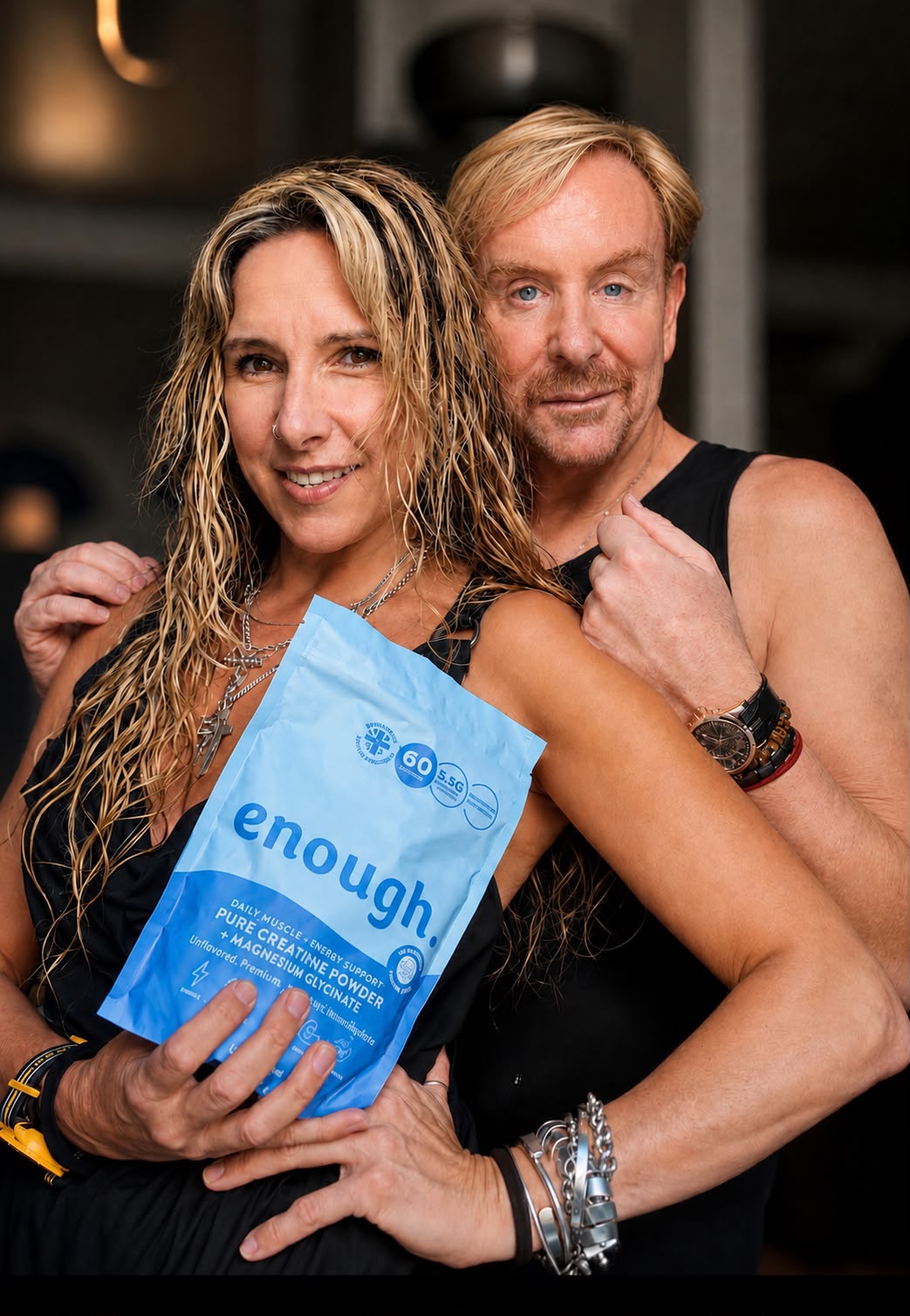
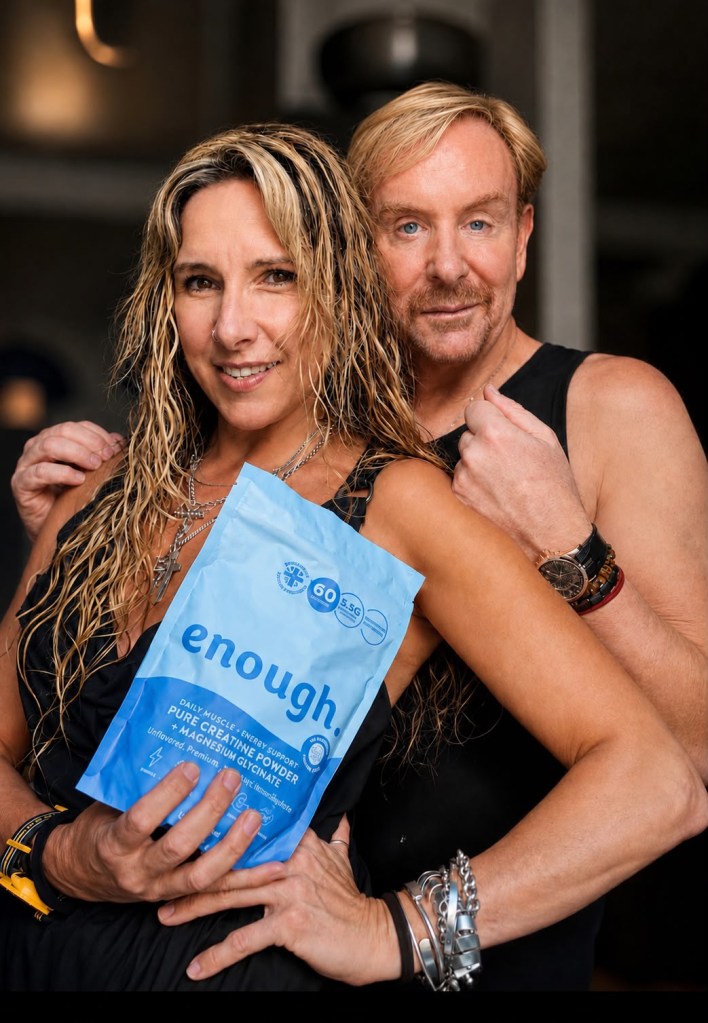
There is no one I know who better embodies the words fitness and health than the artist Piluca When she is not painting something extraordinary, she is usually in the gym, lifting weights, stretching, or somehow making the rest of us feel mildly guilty for cancelling leg day.
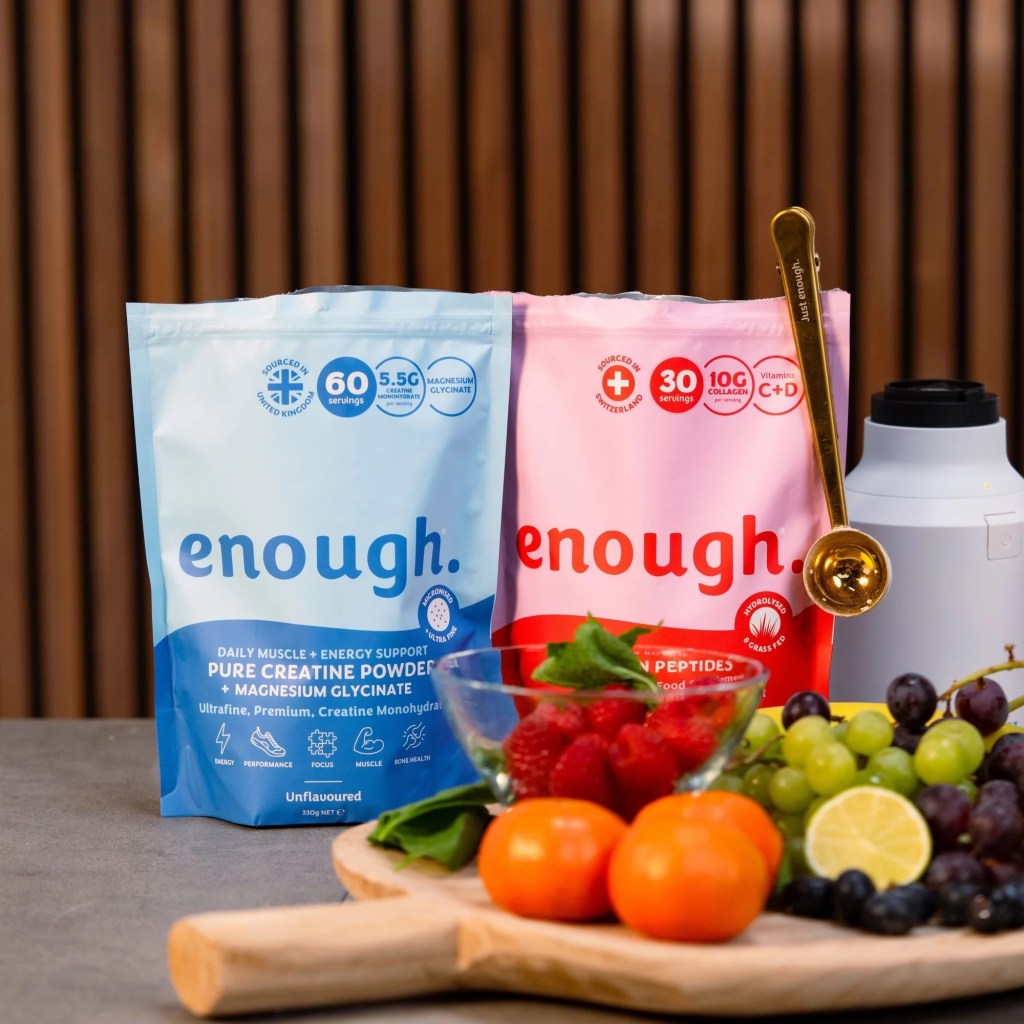
So, imagine my curiosity when I spotted her creatine — or as I lovingly call it, the powder of the gods. Only this was not the rather dull, masculine tub I am used to seeing in greys and blacks with promises of “extreme performance” shouted across the packaging. No, this came in a rather stylish bright blue pack that looked far more exciting than mine.
Naturally, being me, I had to have a nose.
Checking the ingredients, I found myself genuinely impressed. This was not simply another supplement jumping onto the wellness bandwagon with flashy branding and very little substance. The formulas appeared considered, clean, and thoughtfully put together.
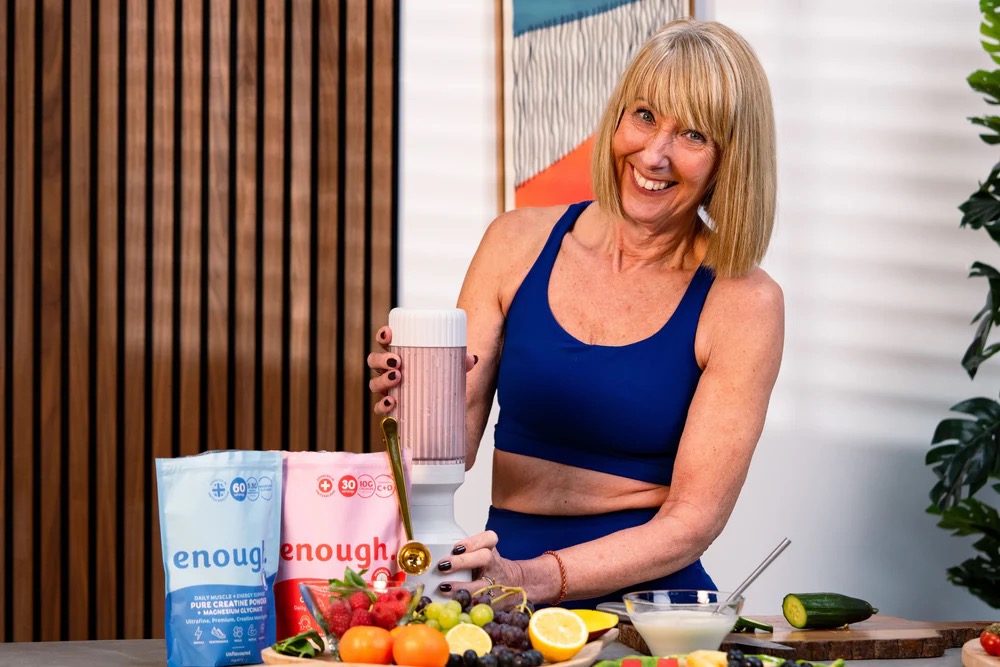
Then there was the collagen powder — beautifully packaged in pink, easy to reseal, and surprisingly elegant for something designed to be stirred into your morning routine. More importantly, if Piluca’s glowing skin is anything to go by, clearly something is working. Quite frankly, if looking fabulous is the side effect, sign me up.
The company behind the products is Enough Wellness, a female-founded British supplement brand created with one very clear mission: to help women feel stronger, healthier, and more confident at every stage of life. Founded by women who became frustrated with confusing health messaging and supplements that often felt more gimmick than science, the brand was designed to simplify wellness rather than complicate it. Their aim is refreshingly straightforward — products backed by research and created for real women navigating real lives.
Now before the men stop reading and assume this is all about collagen, glowing skin, and conversations involving “hormonal wellness” over herbal tea — hear me out.
What intrigued me most was their creatine.
For years, creatine has been unfairly labelled the territory of young men in string vests grunting aggressively beside squat racks. Yet increasingly, women are embracing creatine for strength, recovery, energy, and even cognitive wellbeing — and frankly, the rest of us can benefit too.
Now, before anyone writes in accusing me of suddenly becoming a fitness influencer, let me be clear: I am not claiming miracles. I did not wake up looking like a Marvel superhero after one scoop. But what I did notice was this — I felt better.
There was more energy in the gym, better recovery, and a sense of feeling stronger rather than depleted. As someone who exercises regularly, fasts, and tries to take care of himself without becoming obsessed, I genuinely noticed a difference. It felt clean, easy to take, and perhaps most importantly, it slotted effortlessly into everyday life.
The collagen, too, deserves a mention. Increasingly popular for skin, joints, hair, and overall wellbeing, collagen has become something of a quiet revolution in wellness circles. Enough Wellness has built much of its identity around supporting women through changes in energy, skin, confidence, and ageing — not with scare tactics or impossible promises, but with the rather refreshing idea that ageing can be embraced positively.
What also struck me was the branding. Supplements have changed. Gone are the days of dusty tubs hidden in kitchen cupboards. Wellness is becoming more accessible, more stylish, and — dare I say it — more fun. Enough Wellness understands that people want products that feel approachable rather than clinical. It is wellness without the intimidation.
So, ladies, congratulations. Yet again, you have discovered something fabulous before the rest of us.
And gentlemen? Here is my advice — if you happen to notice a bright blue pouch or elegant pink collagen pack sitting on the kitchen counter, perhaps quietly borrow a scoop when no one is looking.
Just don’t blame me when she notices it running out faster than usual.
Because this woman-focused supplement company may well have accidentally created something the boys want in on too.
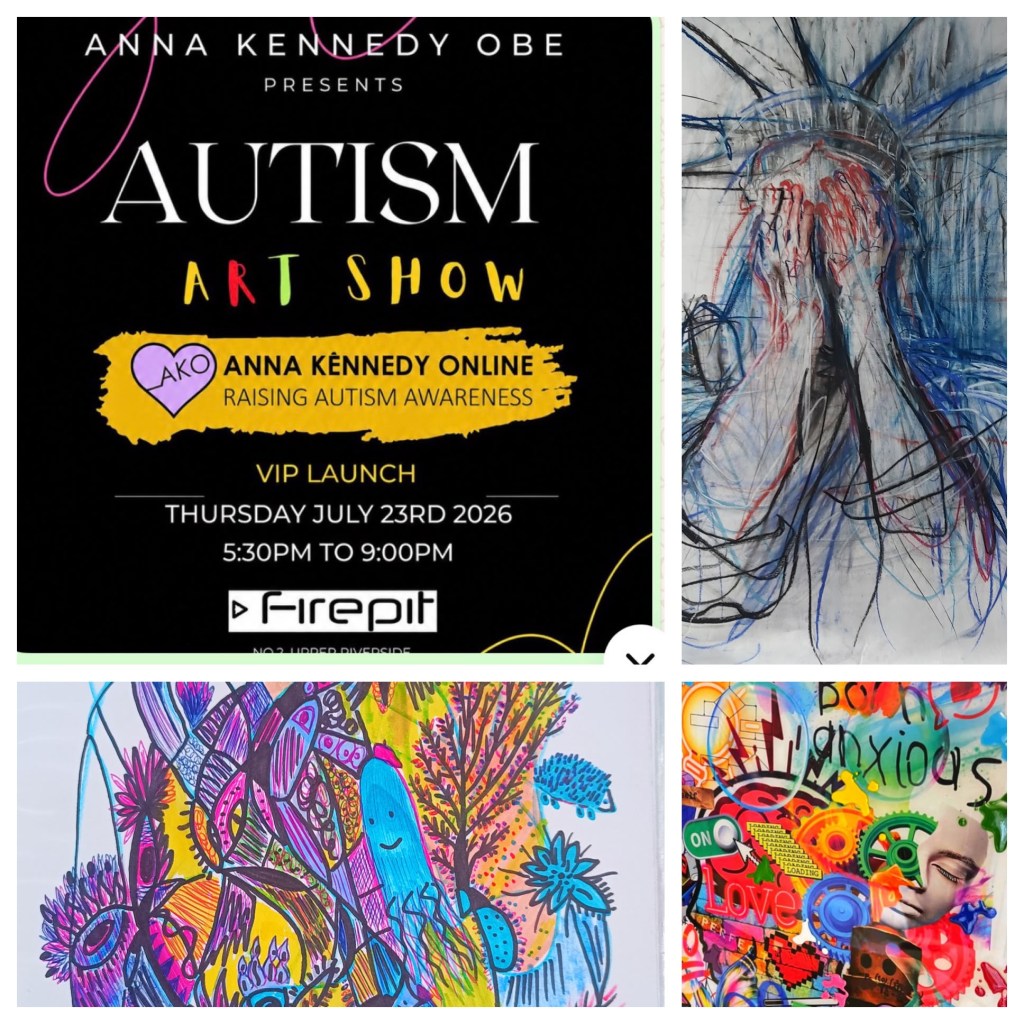
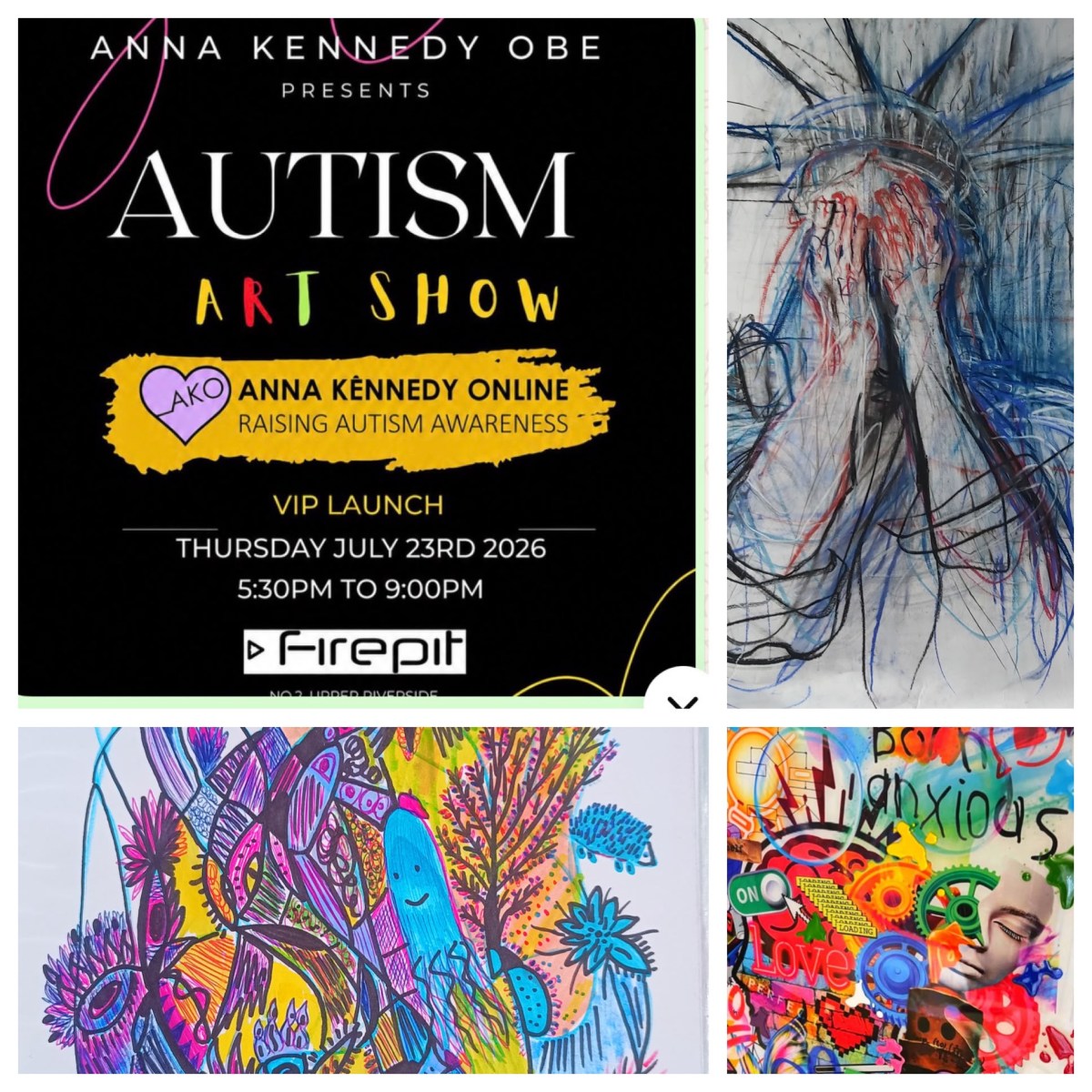
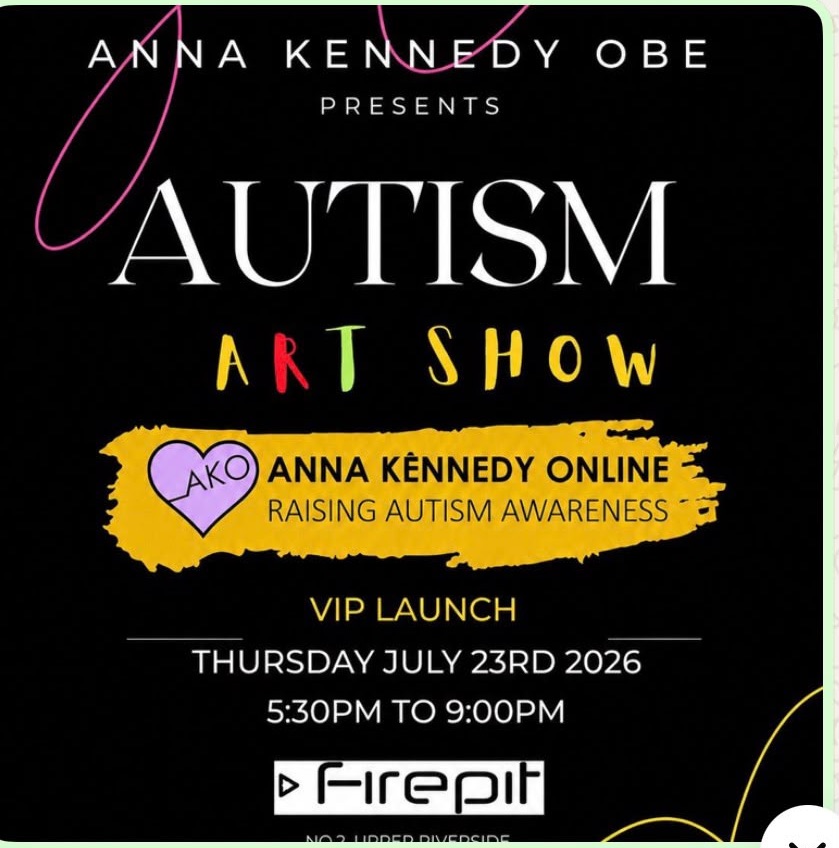
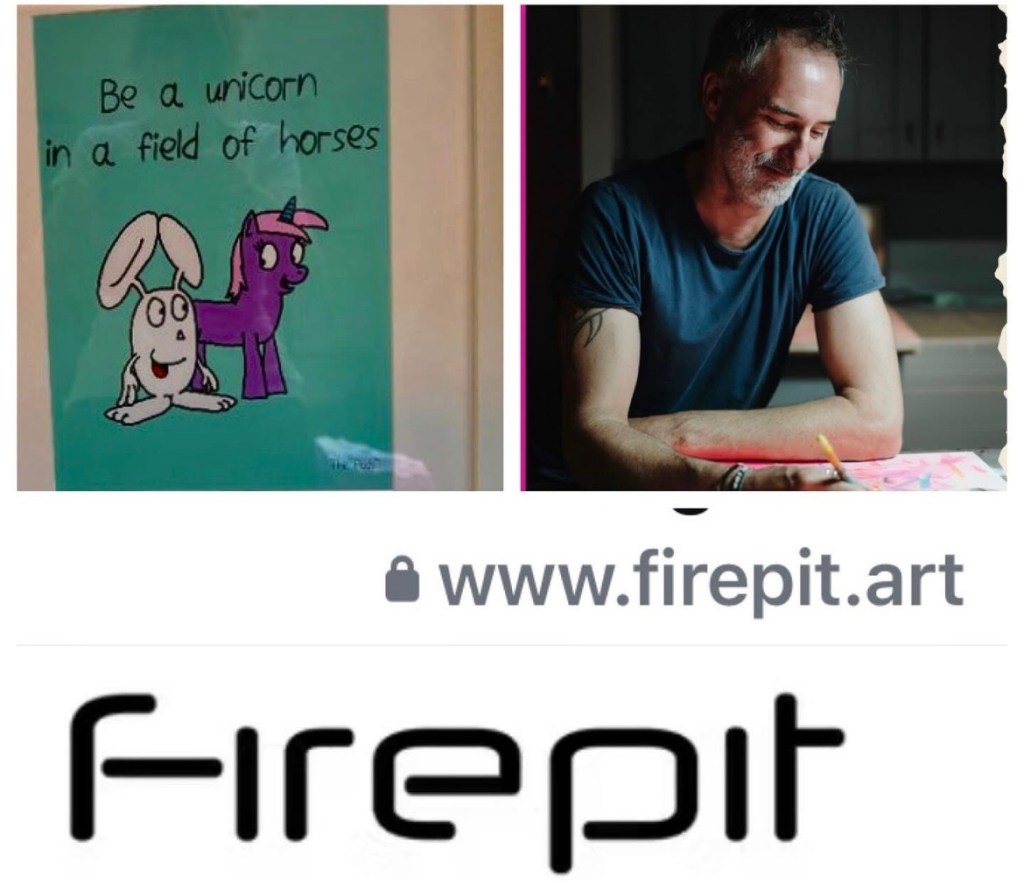
This year’s much-anticipated Autism & Art Show, taking place on 24th July 2026, promises to be a powerful celebration of creativity, individuality and artistic expression. Presented by Anna Kennedy Online, in collaboration with Firepit Art Gallery on London’s vibrant Greenwich Peninsula, the exhibition will once again shine a spotlight on the incredible talents of autistic artists and their allies.
More than simply an art exhibition, The Autism & Art Show is a platform for voices to be heard, stories to be told and creativity to flourish. Through painting, sculpture, photography, mixed media and contemporary works, visitors will experience a diverse collection of art that reflects the unique perspectives, imagination and lived experiences of its artists.
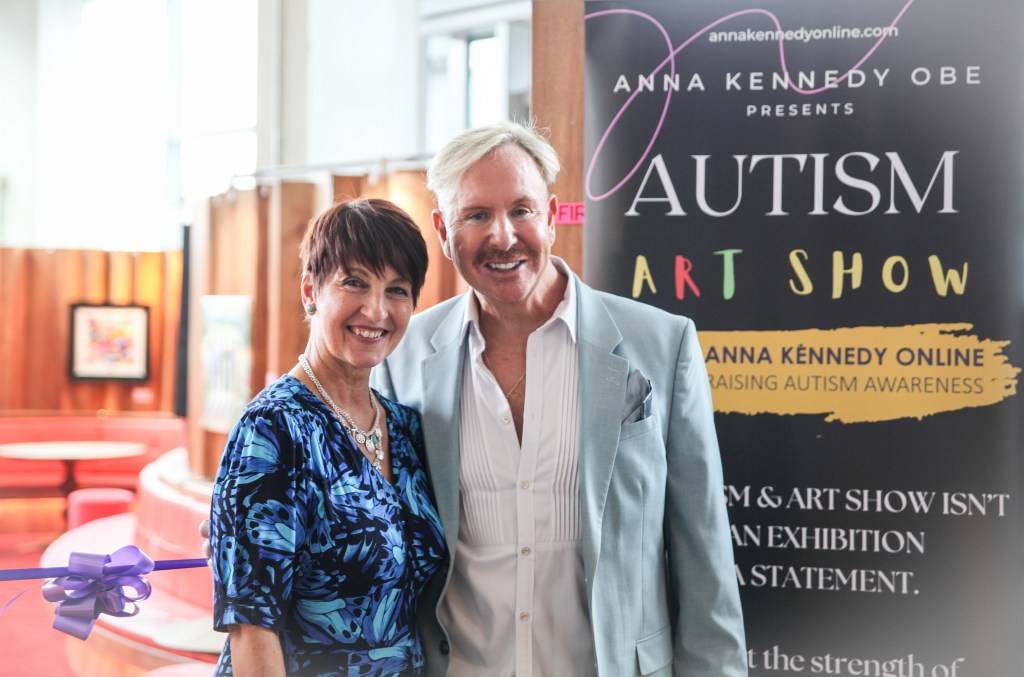
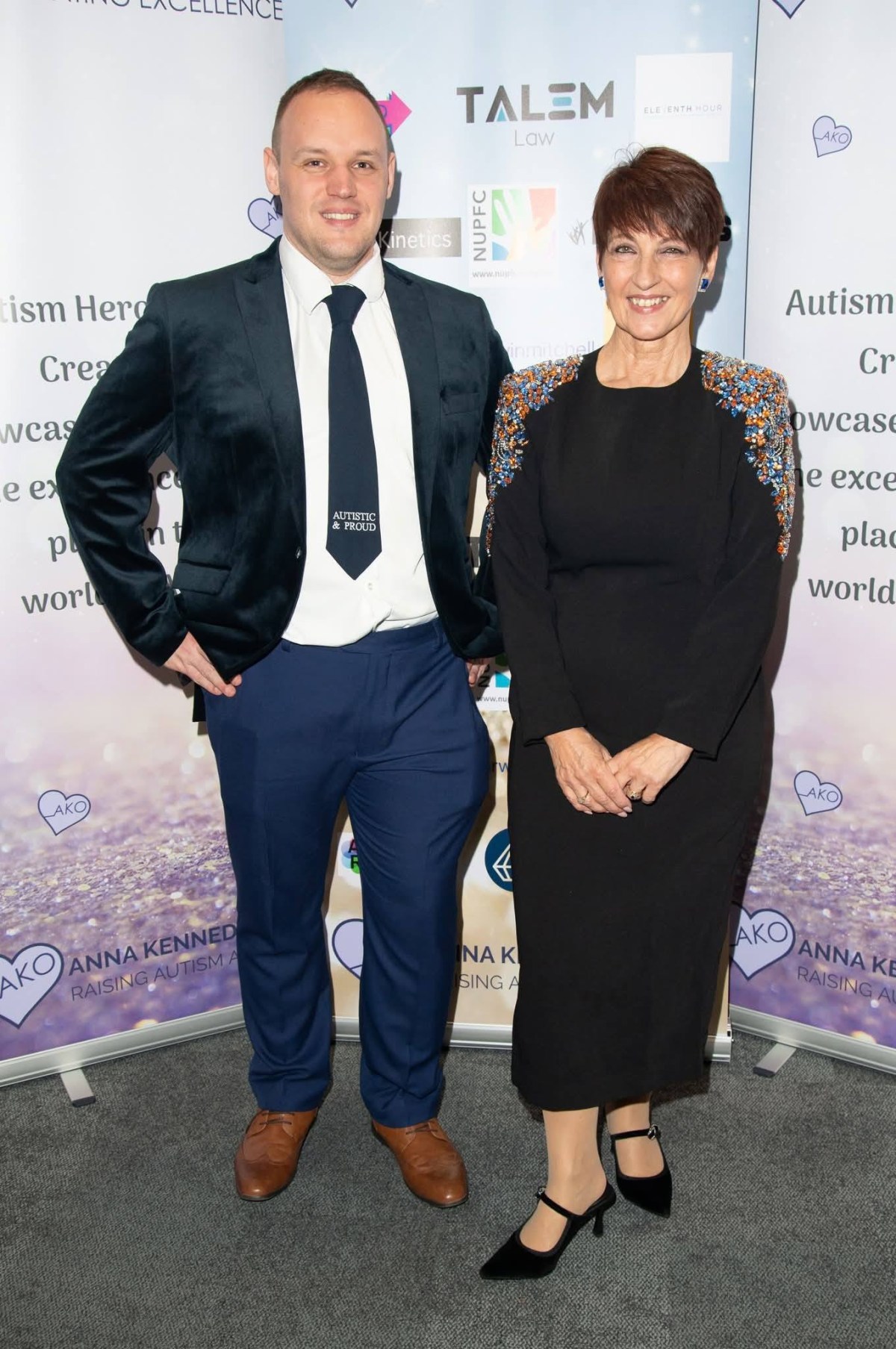
Patron Steven Smith and Dr Anna Kennedy OBE
Presented by Anna Kennedy Online, a charity dedicated to supporting autistic people and their families, the exhibition also plays an important role in raising vital funds to help continue its life-changing work. By supporting the show, visitors are not only discovering extraordinary talent, but also helping champion inclusion, opportunity and understanding within the autism community.
Held in partnership with the much-loved Firepit Art Gallery, renowned for championing emerging and independent creatives, the exhibition promises to be an inspiring, uplifting and unforgettable event. Whether you are an art lover, collector, supporter of the autism community or simply curious to discover fresh creative voices, The Autism & Art Show 2026 is set to be one of the summer’s most heartwarming cultural highlights.
Lana Mitchell
21 Lana, who lives with autism, once feared unfamiliar environments. In 2024, she began volunteering at Shelter Crystal Palace, where her uniqueness was embraced and her creativity blossomed. She now designs themed window displays and has performed at Autism Got Talent .
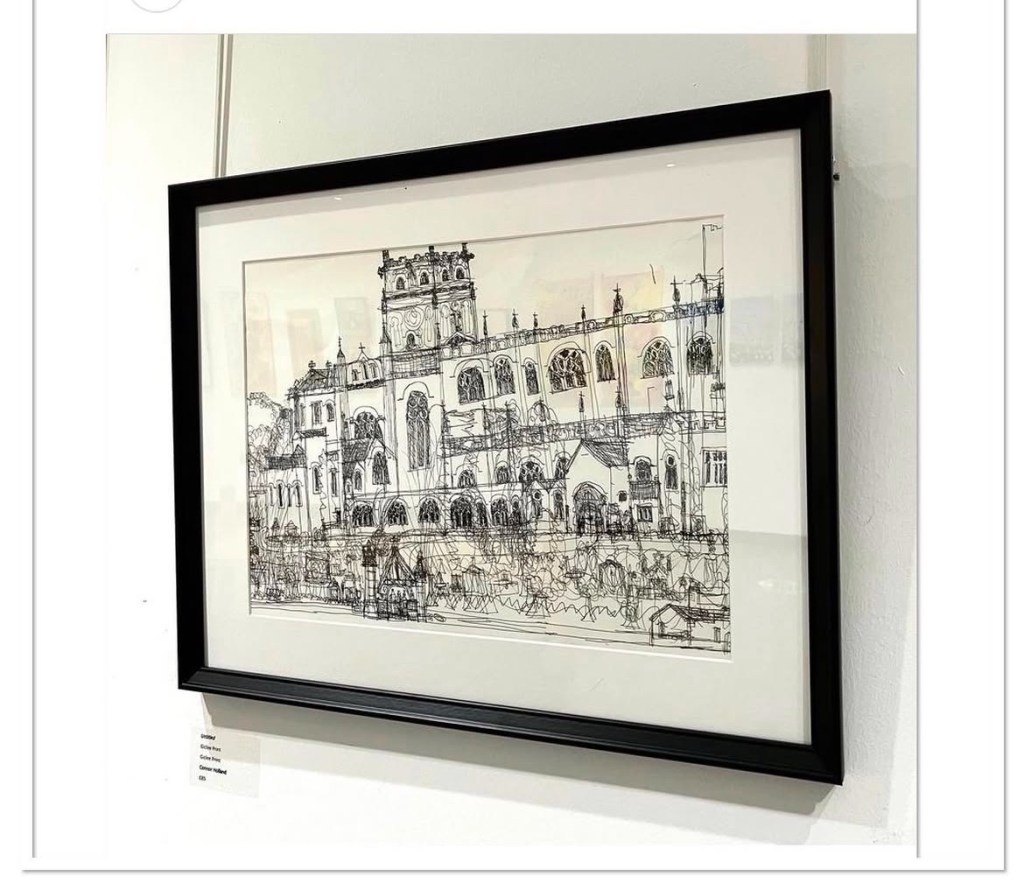
Art By Connor £100
Connor is 18 years old and profoundly autistic. Although he cannot tell us where his incredible talent and passion for drawing come from, his artwork speaks for itself. Drawing entirely from memory and using only the inner cartridge of a biro pen, Connor creates stunningly detailed pieces with extraordinary focus and precision, his pen rarely leaving the page. His favourite subject is churches, and while we do not know what first inspired this fascination or how he recalls such remarkable detail, each drawing reflects a unique gift and an extraordinary way of seeing the world. Through his art, Connor expresses what words cannot, sharing his creativity, dedication, and exceptional talent with everyone who views his work
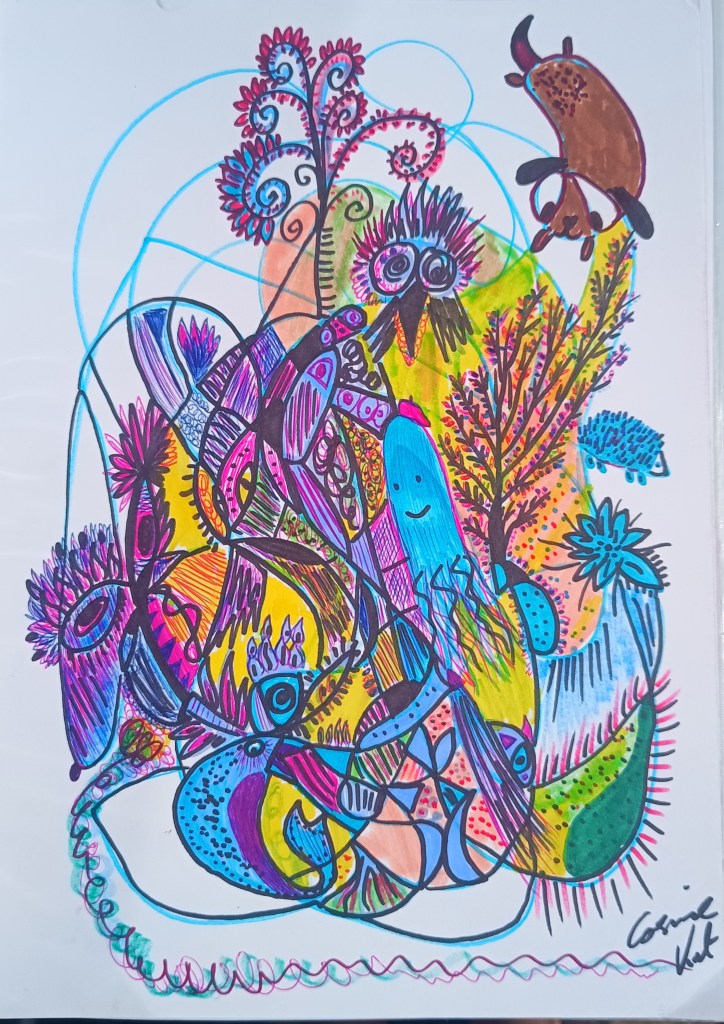
Cosmic Kat from 300
Cosmic Kat is a self-taught artist based in Hucknall, Nottinghamshire who grew up in N.Ireland. Her work features bright colours, alien worlds and fantastical creatures. She was late diagnosed Autistic aged 30 and her work explores the themes of grief, unmasking and identity that this entails.
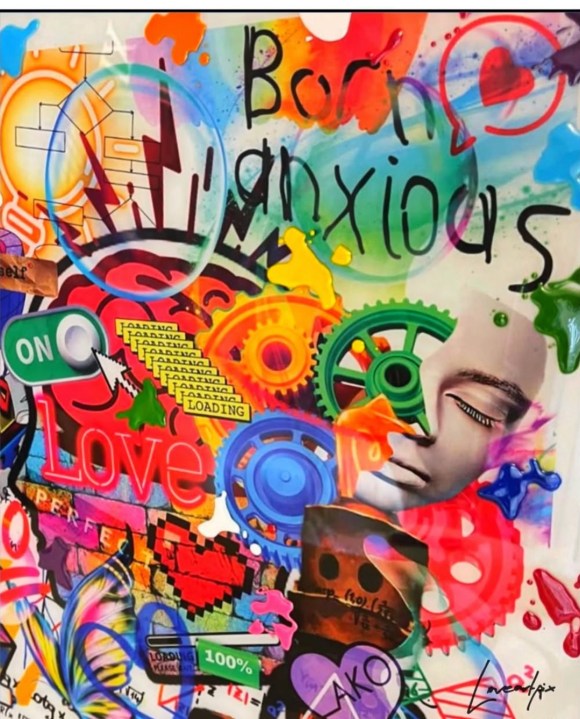
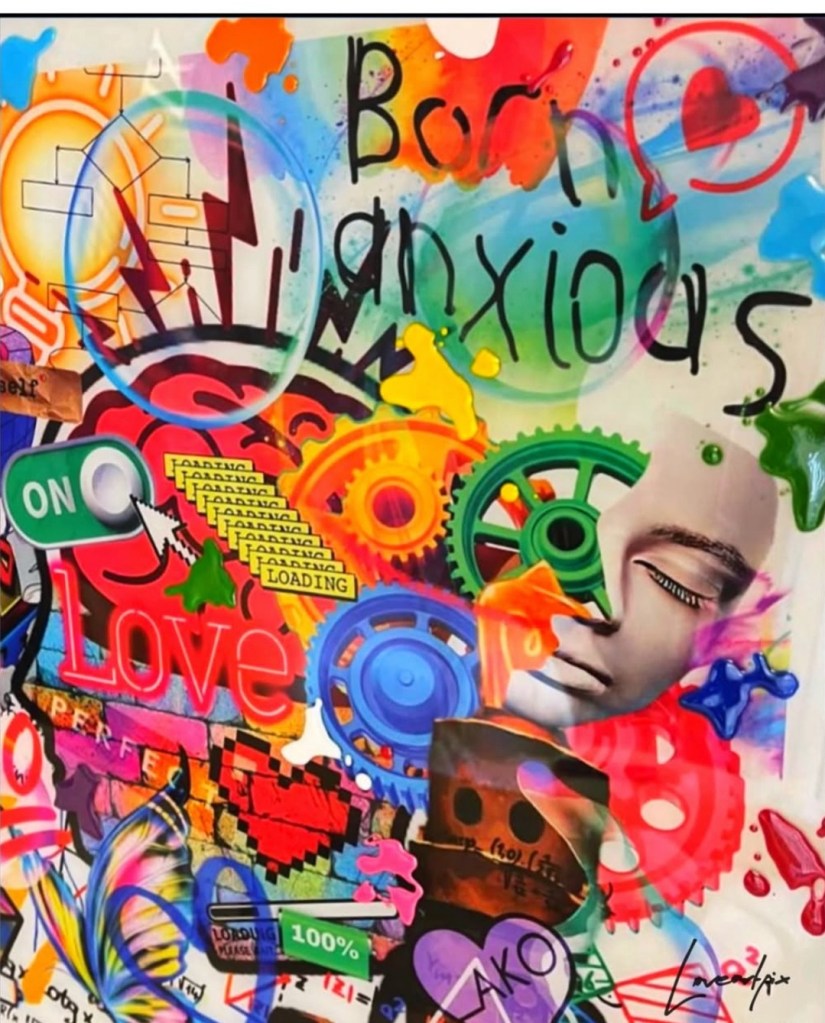
Loveartpix offers from £1000
Loveartpix (Dez)
Loveartpix , a self-taught AudHD (Autism + ADHD) artist from Manchester, uses creativity as a vital outlet for mental health and self-expression. Diagnosed with Bipolar Disorder, Autism, and ADHD, he began his art journey in 2018 as therapy. His vibrant work often reflects the spirit of Manchester and the experiences of neurodivergence
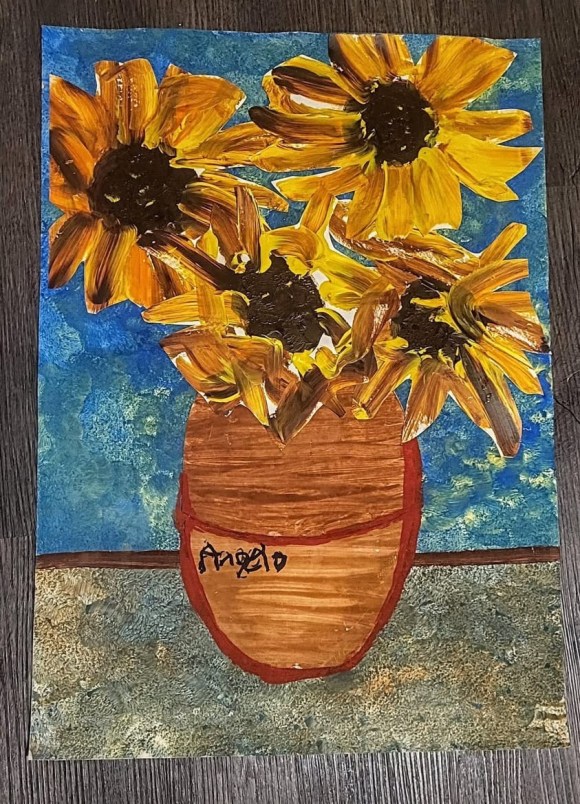
Sun flowers by Angelo Kennedy £500
Angelo, 33, is autistic and lives with significant sensory processing disorder. On display is a vibrant painting of sunflowers he created at just 10 years old. Angelo enjoys cooking, bowling, and continues to work hard on his independent living skills. His brother, Patrick, is also on the spectrum and works at Pinewood Studios
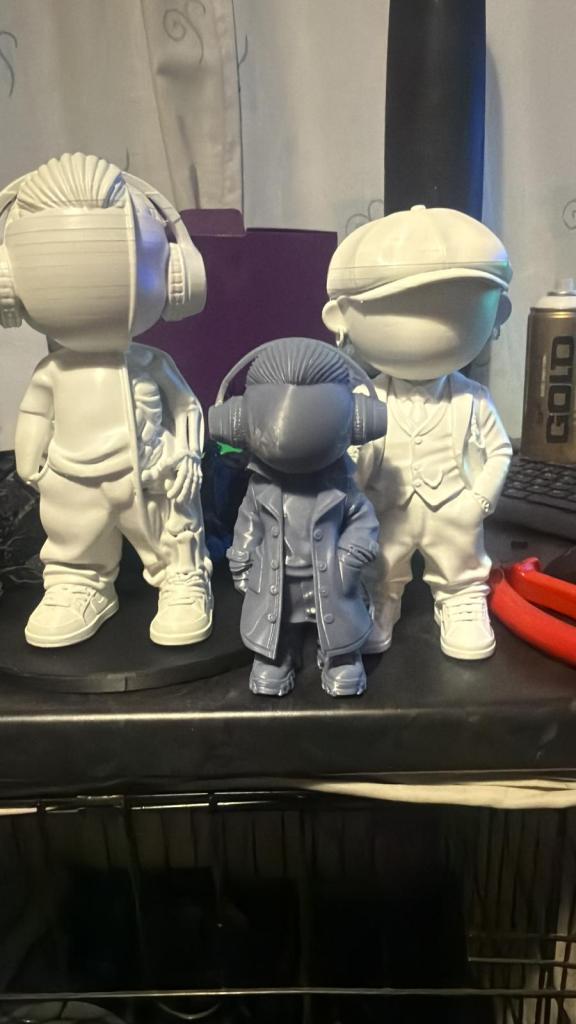
Blanky from £50 each
Alastair Blaster Artz
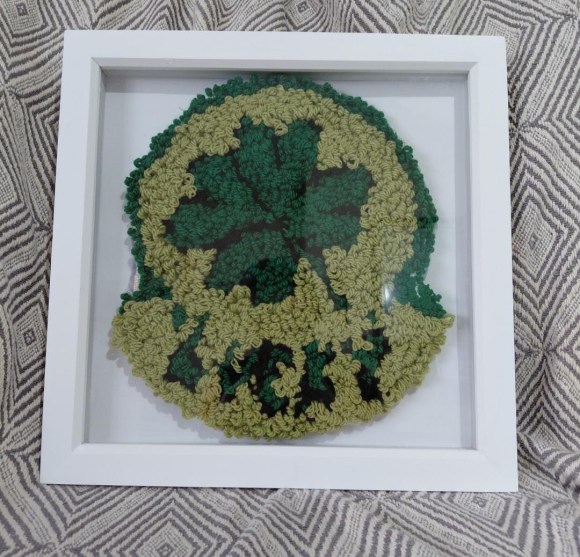
Alastair McEwen, also known as BlasterArtz, is a full-time carer for both his disabled parent and autistic son. Through art, he finds a way to manage emotions, connect with loved ones, and reflect on mental health. His heartfelt piece Blanky, created with friend and writer Steven Smith, has moved many and embodies the power of art as a lifeline.
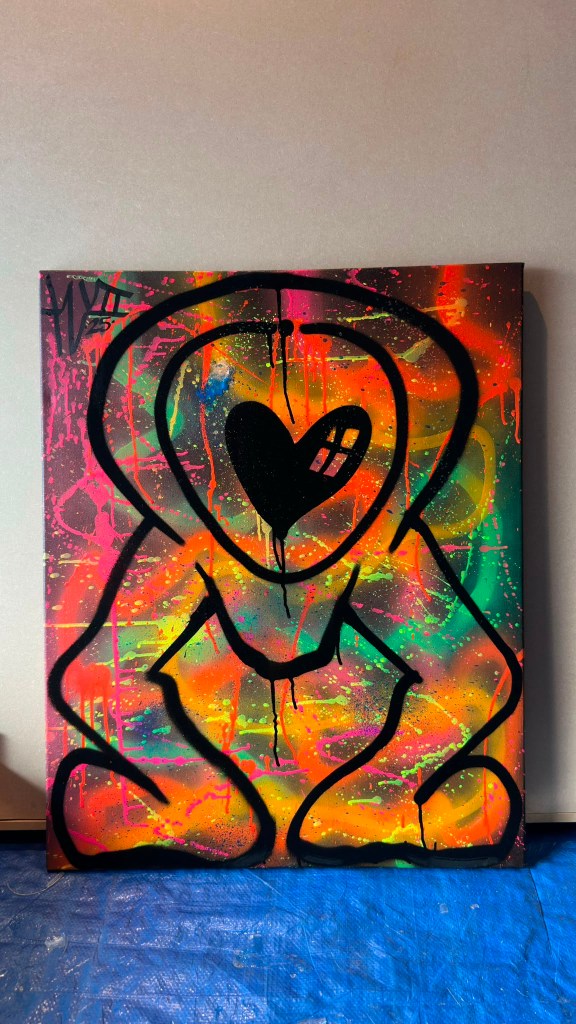
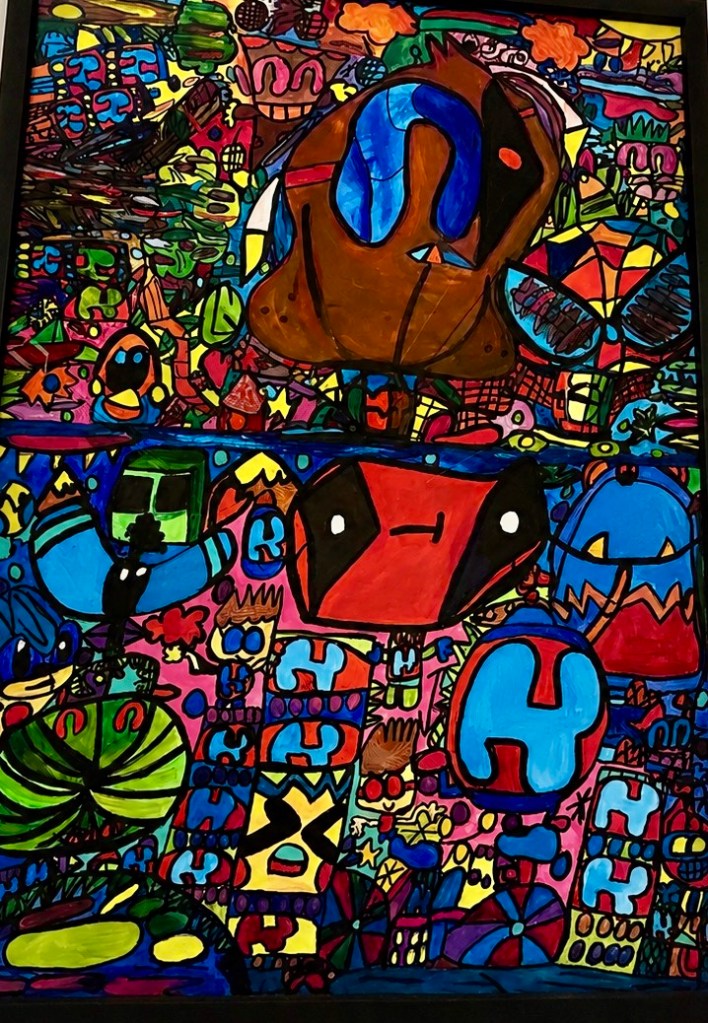
XLVII is a leading figure in the UK urban art scene, renowned for his distinctive graphic style and iconic character, SNAMUH. Combining bold pop-culture influences with the energy of street art, his work explores themes of identity and freedom of expression through vibrant colours, strong character design, and striking visual storytelling. A regular participant in painting jams, gallery exhibitions, and live art events across the country, XLVII has established himself as one of London’s most prolific contemporary urban artists. Now exhibiting at The Fire Pit Gallery, he is generously donating his featured artwork to help raise funds for Anna Kennedy Online, supporting autistic people and their families. Follow his work on Instagram: @xlvii.
Nazaraptor (NAZARAP7OR) is a highly respected figure in the UK urban art scene, known for her energetic style and iconic character, MUCHE. A member of renowned graffiti collectives including CBM, GPC, and ACC (All City Crew), her vibrant work can be seen across the UK, from city streets to galleries and public spaces. Her bold use of colour, expressive handstyles, and unmistakable visual identity have earned her a strong reputation within both street art and contemporary art circles. Currently exhibiting at The Fire Pit Gallery, Nazaraptor brings the energy and creativity of graffiti culture onto canvas. Demonstrating her commitment to giving back, she has generously donated her artwork to help raise funds for Anna Kennedy Online, supporting autistic people and their families. Follow her work on Instagram: @nazaraptor.
Sam Bickerton £50
Sam Bickerton
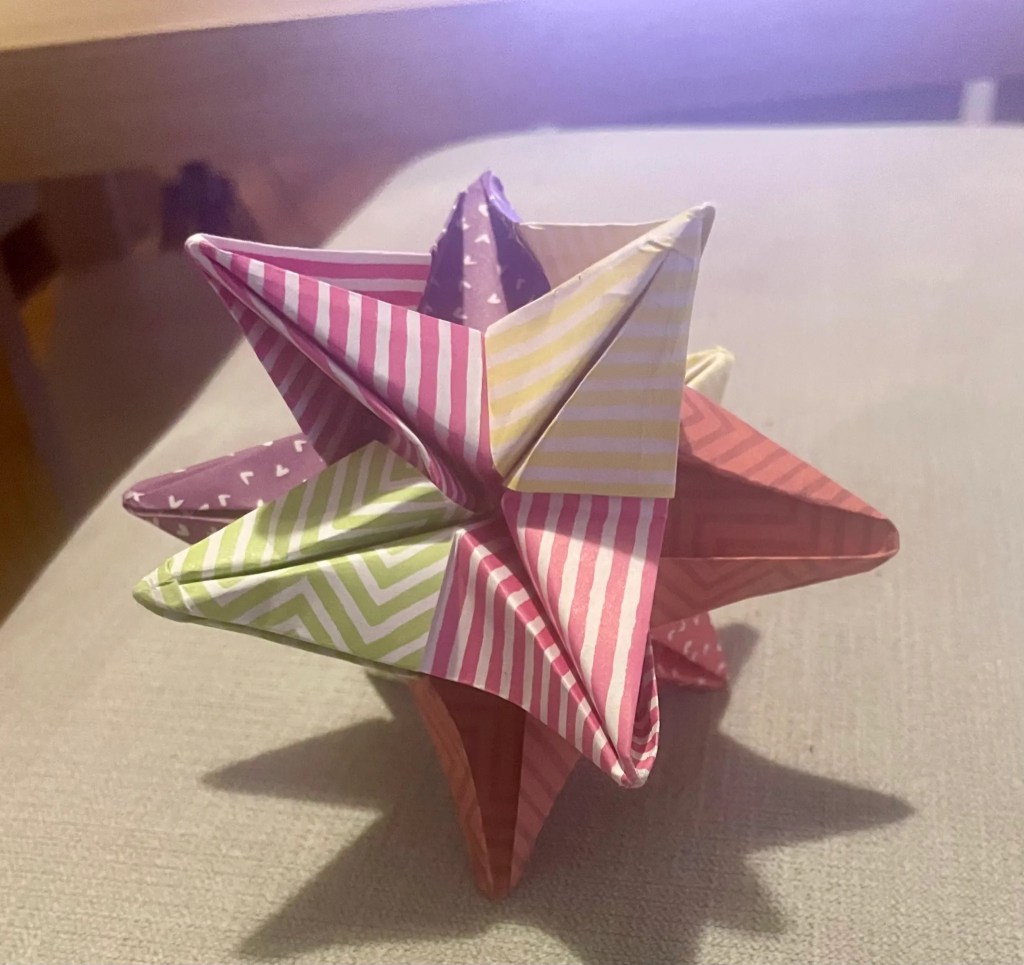
Sam, diagnosed with ASD and dyslexia, demonstrates resilience in the face of social and emotional challenges. From early Lego builds to his love for origami, mask-making, and boxing, Sam’s creativity offers a safe space for self-expression and calm. His journey is one of strength and self-discovery through art.
`Josh Andrade
Josh. £200
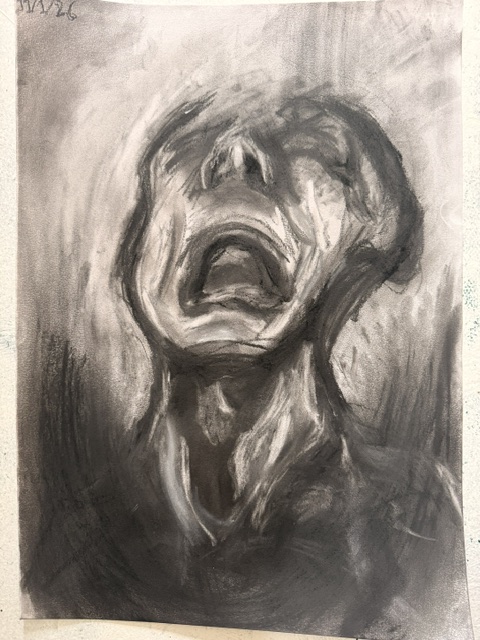
Autistic artist Josh uses his distinctive, eclectic style to tell stories that demand to be seen. Inspired by the experiences of his brother, Leo, and countless others detained in Assessment and Treatment Units (ATUs), this haunting portrait captures the fear, isolation and despair faced by many autistic people and individuals with learning disabilities. More than a work of art, it is a powerful statement on the need for compassion, dignity and a more humane approach to care, ensuring that those whose voices are often overlooked are finally heard.
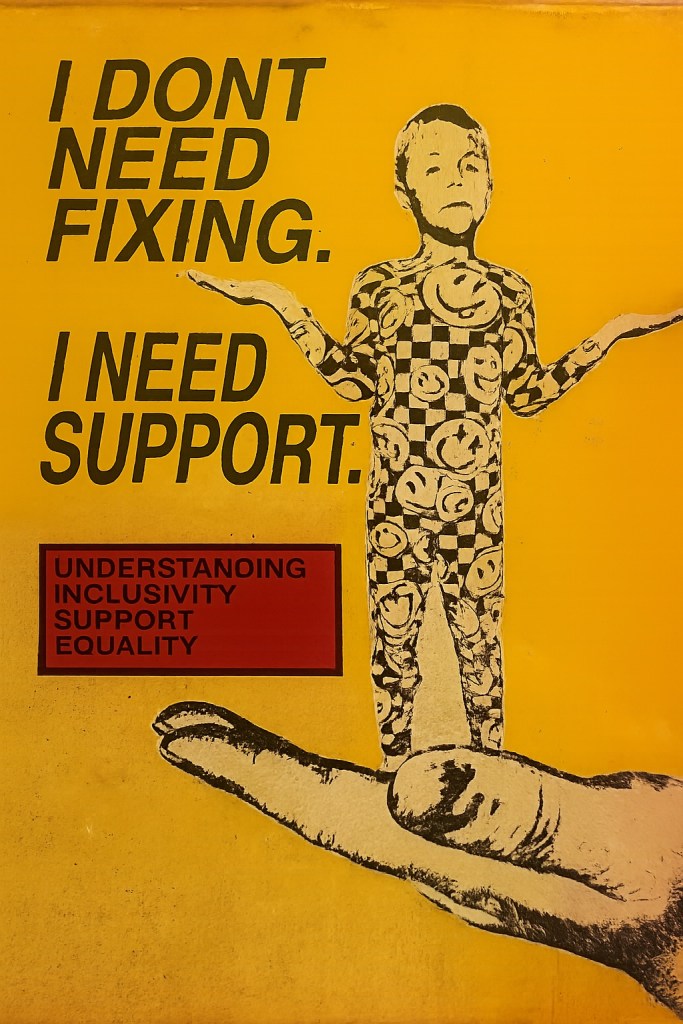
Matthew “BUCKO” Buckingham is a contemporary multidisciplinary artist whose increasingly transdisciplinary practice combines contemporary art, visual communication, autism advocacy, and inclusive design. Through portraiture, printmaking, and the development of an autistic visual language, his work explores autism, identity, and social inclusion. Drawing on his personal experience as both a father and a neurodivergent artist, his practice challenges misconceptions surrounding autism while advocating for greater understanding, support, equality, and acceptance.
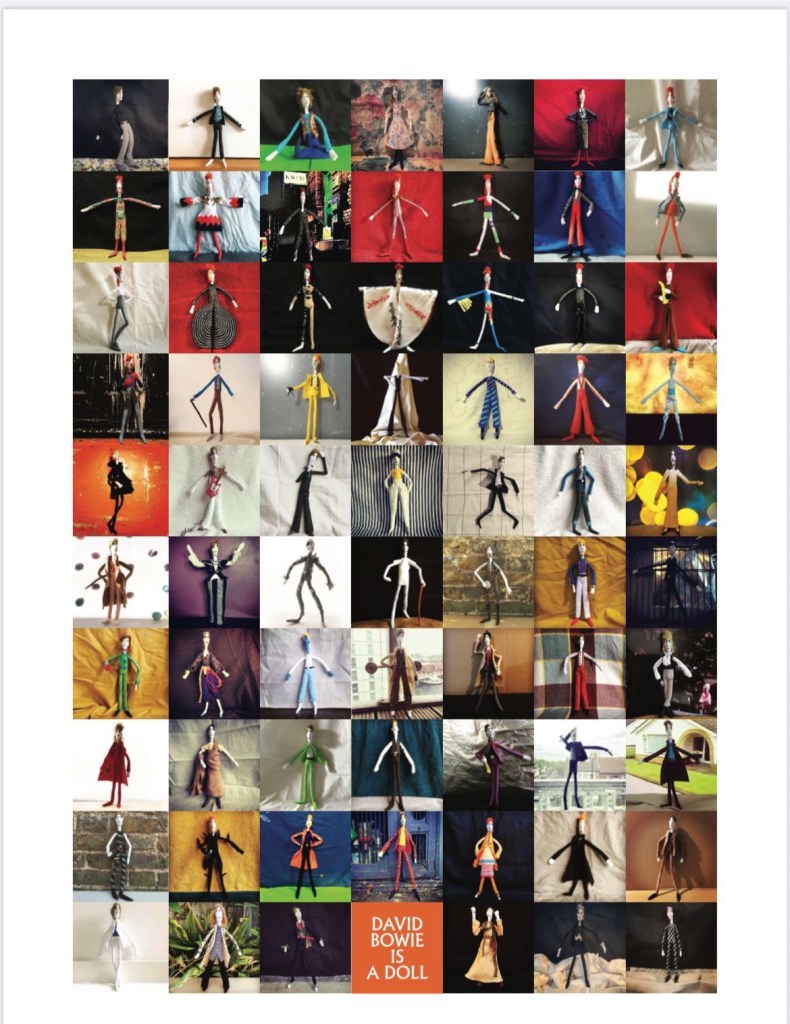
John Lee Bird is a multi-disciplinary artist known for his global exhibitions of paintings, collages, and sculptural work. His DOLLS project features over 2,000 hand-sewn textile sculptures celebrating idols, friends, and queer culture. Inspired by film, drag, cult TV, and music, each 13-inch doll is crafted from felt, beads, buttons, and embellishments. The project began during lockdown as a therapeutic return to textiles, starting with 69 David Bowie dolls. It has since grown into a rich portrait series spanning pop culture icons and personal heroes. John’s work is driven by obsession, emotion, and a deep love of music and storytelling. He also creates sound and film, collaborating with artists such as Simon Fisher Turner and Xiu Xiu. John co-runs the queer club night KNICKERS with musician Jemma Freeman.
Heidi Simm is an autistic, self-taught artist from Essex whose colourful acrylic paintings are inspired by the original characters and imaginative worlds she has created. Alongside her artwork, Heidi has developed Horizon Hero’s, her own collectible card game featuring heroes from the worlds of Disco City and Sci-Fi Kingdom.
For the Autism & Art exhibition, Heidi presents Local Legends, bringing together her unique characters in a vibrant story of creativity, communication and adventure. Her work celebrates the power of imagination and demonstrates how art can create entire worlds from a single idea.
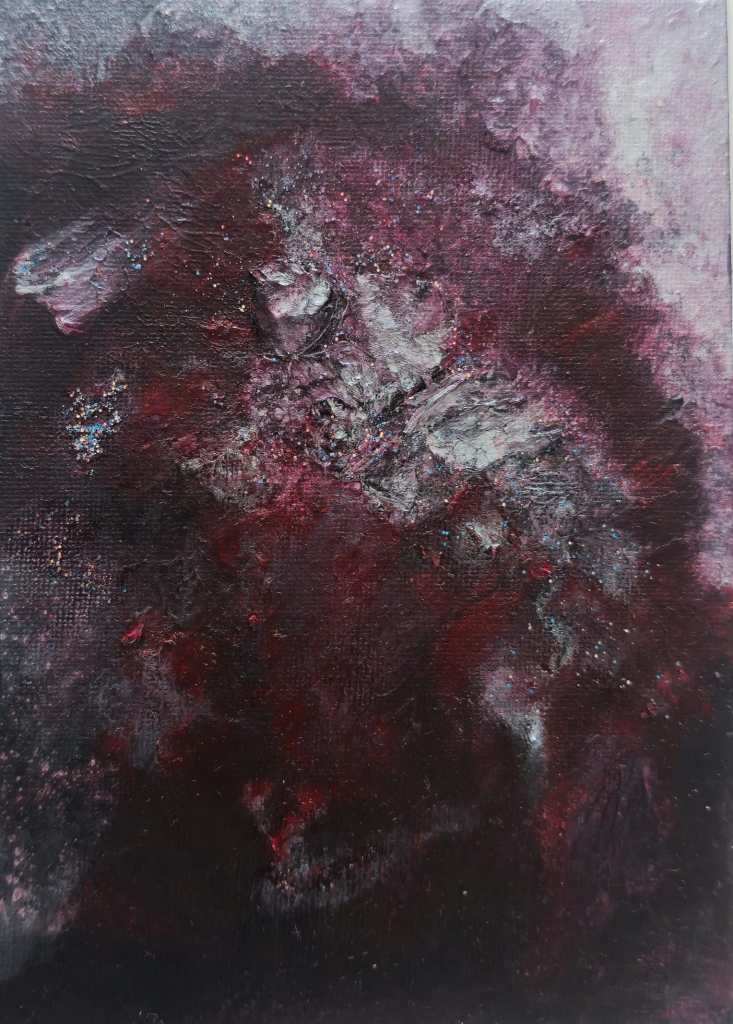
“SHANK3 and autism spectrum disorder” Acrylics and nail polish on canvas. 28x23cm framed (18x13cm on canvas .
Dr Diana Dunca is a drug development scientist with a PhD in Experimental Personalised Medicine (Bioinformatics and Statistical Genetics) from University College London. Her work involves analysing genetic data to help pharmaceutical companies develop safer and more effective treatments for common complex diseases. As these conditions affect a large proportion of the UK population and continue to rise, Diana uses art as a form of expression to raise awareness and inspire hope.
As an emerging artist, Diana translates her scientific perspective into visual form, using gold, shimmer, vibrant colours and nail polish to create radiant, uplifting artworks. Through her art, she invites viewers to discover beauty and hope within disease, while connecting with the resilience, strength and humanity that lie behind scientific research
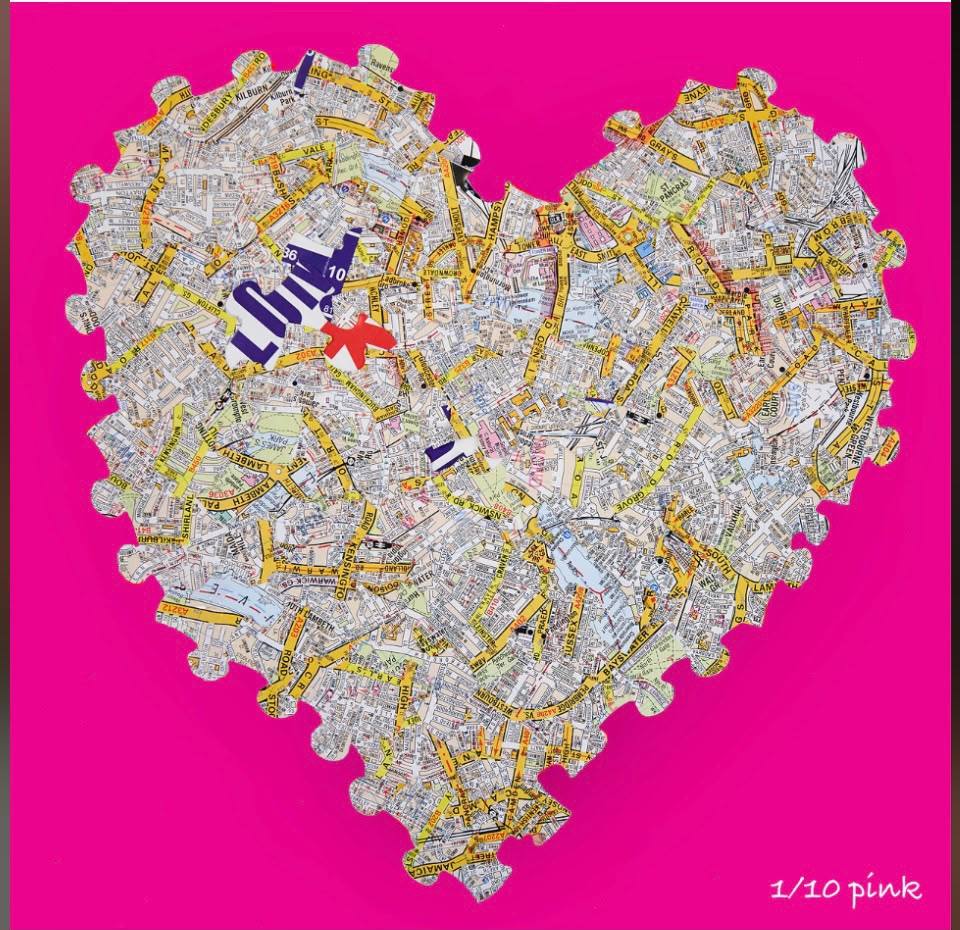
THE MAP OF LOVE by Anne-Marie Bickerton £150
Annemarie Bickerton
With over 30 years in photography and art, Annemarie specializes in editorial portraiture. As digital photography evolved, she pivoted toward headshot work, applying her skills to editorial, corporate, and artistic projects. Annemarie is also a proud mum to Sam, who lives with autism, and continues to champion neurodiverse creativity in all its forms.
Piluca Artist
Piluca: Artist. Muralist. Fashion Visionary. Street Art Queen. Born in Madrid and ignited by Brixton’s wild heart, Piluca is a published illustrator, muralist, fashion designer, and founder of I Am Here 2 Play, launched last year she is a huge supporter of Anna Kennedy on line London. Her vibrant murals and street art light up London’s iconic venues, turning the city into an open-air gallery. A WinTrade Awards finalist, she moves effortlessly across fine art, fashion, and branding with fearless, raw style. Piluca’s creative impact extends deep into communities—leading workshops, festivals, and campaigns with purpose. From fashion to neuroscience illustration, her work defies boundaries—and London proudly
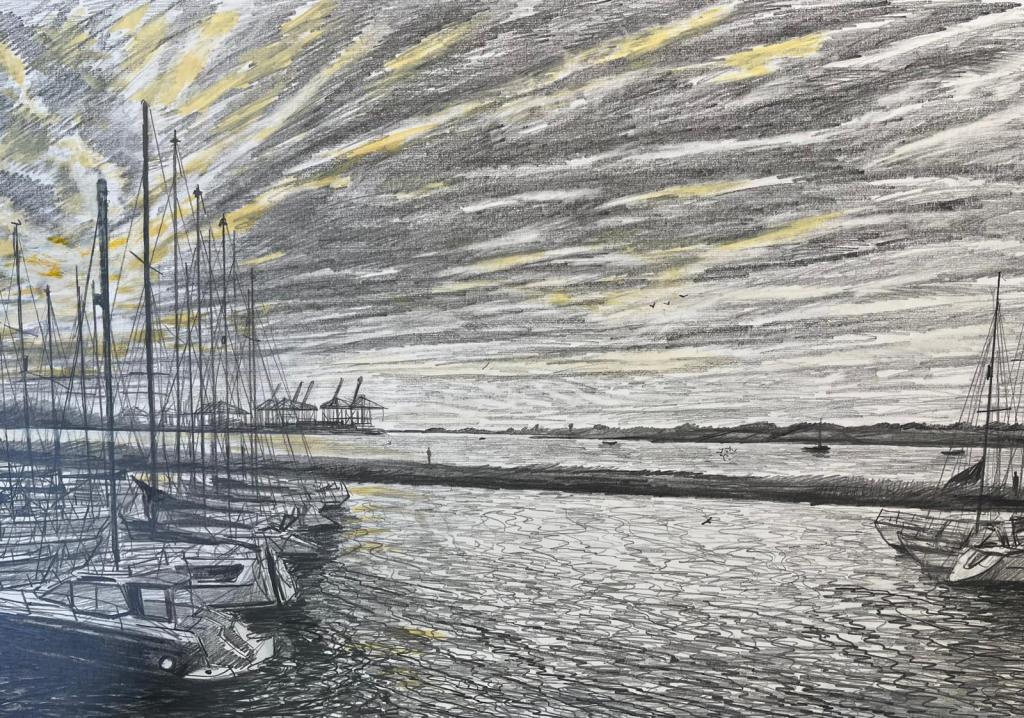
Title: Levington Marina, Suffolk, 2026 Artist: David Downes Dimensions: 52cm x 80cm Medium: pen, ink and acrylic on card. Price: £1,950
David Downes – English Painter and Autism Advocate
David Downes is an acclaimed English landscape painter celebrated for his dramatic skies, seascapes and intricate architectural works. As an autistic artist with a remarkable photographic memory, he creates many of his paintings from vivid recollections of places he has visited. A graduate of the Royal College of Art, David has received prestigious commissions from organisations including the BBC, ITV and The Savoy, where his Diamond Jubilee Pageant painting remains on permanent display.
David is Vice President of the National Autistic Society and an Ambassador for Autism Anglia, using his art and public speaking to raise awareness and support for autistic people. Now based in Manningtree, Essex, where he runs the David Downes Gallery, his work beautifully combines realism and imagination, capturing landscapes and architecture with extraordinary detail and a unique perspective.
Daisy Hutchinson £50 The real Meg
Daisy Hutchinson
Daisy, 21, is autistic and a proud Young Autism Ambassador for Anna Kennedy Online. She has a passion for art, which provides a creative way to express herself and helps her feel calm when she is anxious.
Outside of creating art, Daisy enjoys reading, jogging, singing, geology, Harry Potter, Goosebumps, Toy Story, Disney, Mamma Mia! and Love on the Spectrum. She also loves spending time with her dog, family and friends, and enjoys visits to the cinema, theatre and concerts. Daisy is a friendly, kind-hearted person and is delighted to be exhibiting her artwork at the Autism & Art Show.
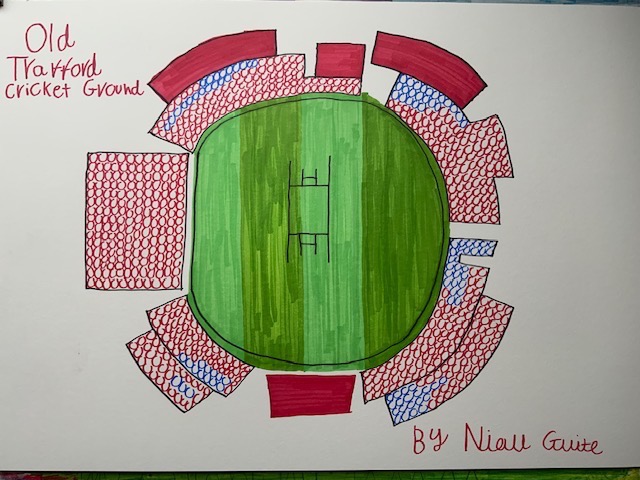
Niall Gaute offers £200
Niall, 30, is an artist with autism, an intellectual disability, dyspraxia, and dyslexia. He gained international acclaim after raising funds for Special Olympics GB by selling his iconic stadium drawings. Niall has exhibited at the Royal Academy Summer Exhibition, delivered a TED Talk, and received an Honorary Doctorate from Sheffield Hallam University for his work promoting inclusion through art.
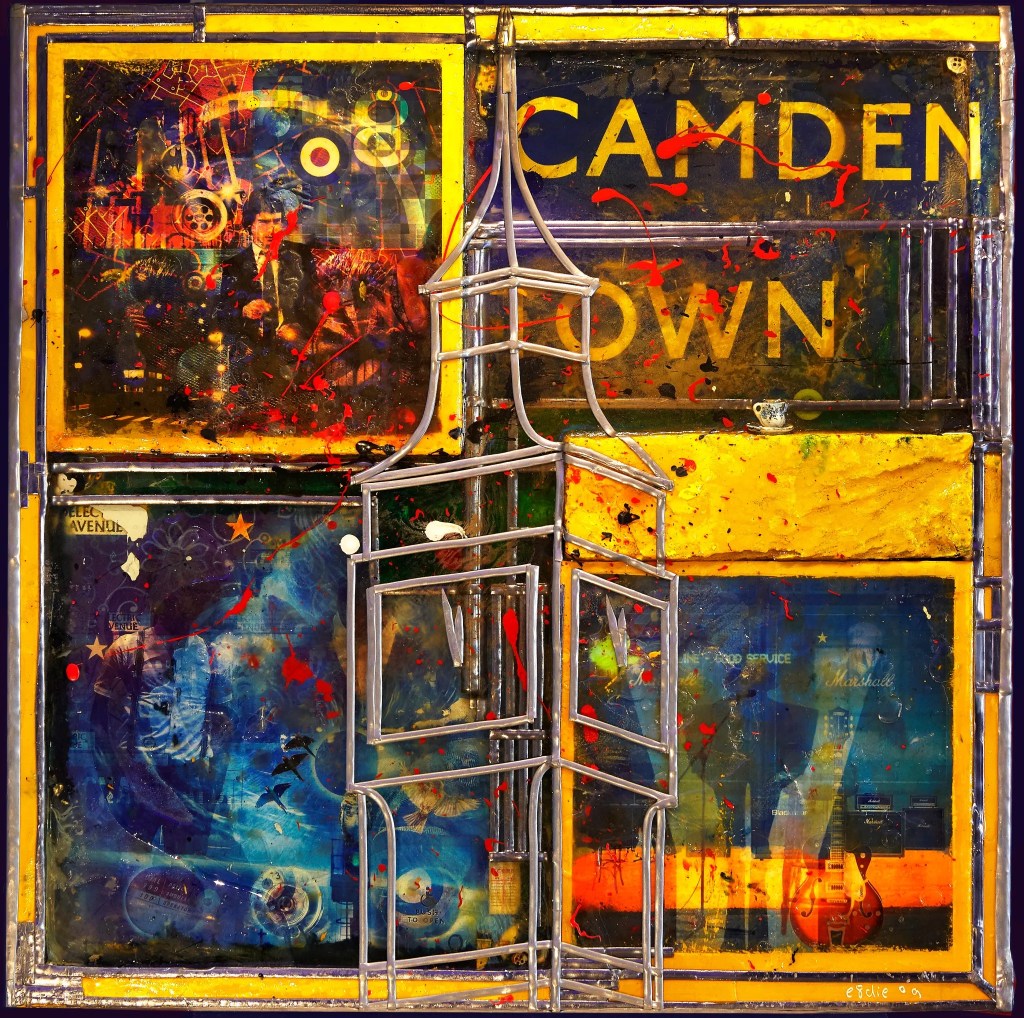
Eddie Wells offers over £1000.
Eddie Wells
Eddie grew up in East London, navigating life with undiagnosed ADHD and dyslexia. Creativity was his refuge. Following his father’s death in 2013, he realized that art wasn’t just an outlet — it was his salvation. His work reflects the inner world of someone living on the spectrum and overcoming silent battles through creative expression.
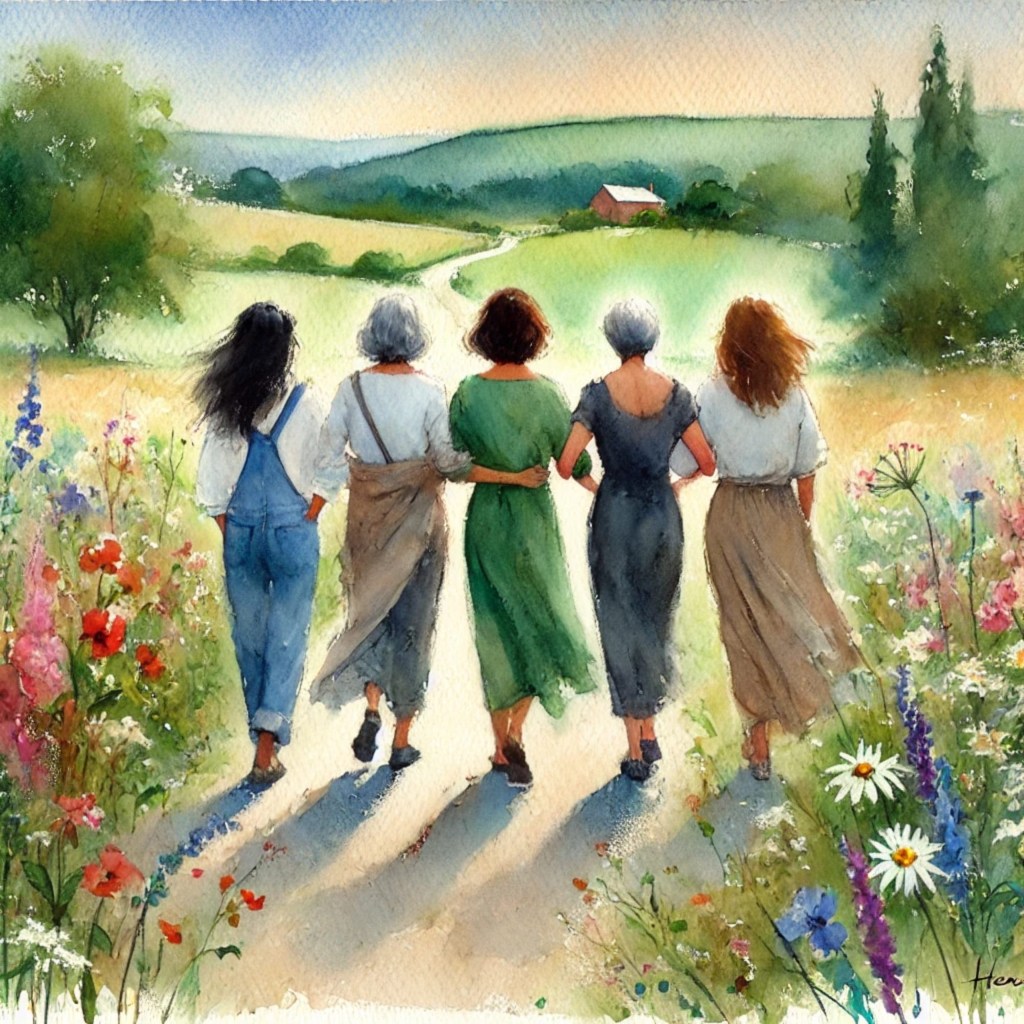
Offers at £250 ” I am woman ”
Tally Nothey
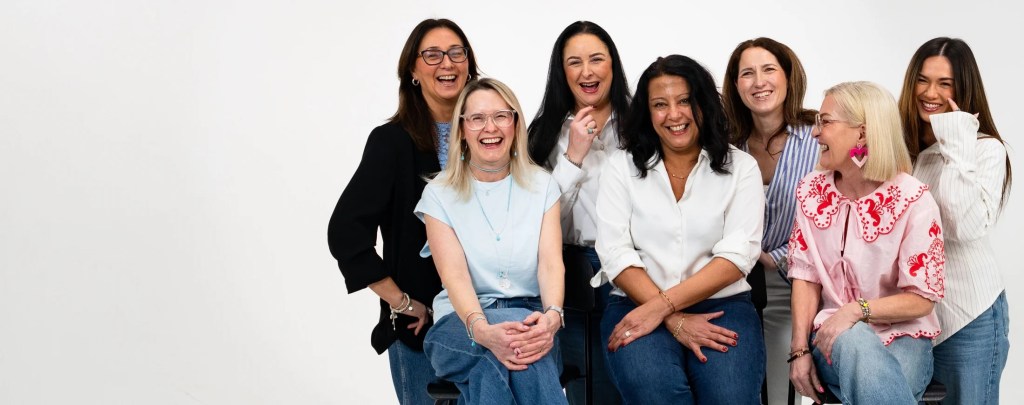
This piece is deeply personal. As the mother of an autistic child, Tally has faced days that felt overwhelmingly heavy—marked by worry, exhaustion, and the deep ache of feeling misunderstood. Yet, through every challenge, it has been the support of close friends that has carried her forward. Each woman represented in this work symbolizes someone who has stood beside her, held space for her fears, celebrated the smallest victories, and reminded her of her own strength when she struggled to find it.
This image reflects that journey. It acknowledges that while friendship may not solve everything, it makes the burdens easier to bear. Together, they have cried, laughed, and lifted one another—and because of them, she never walks alone
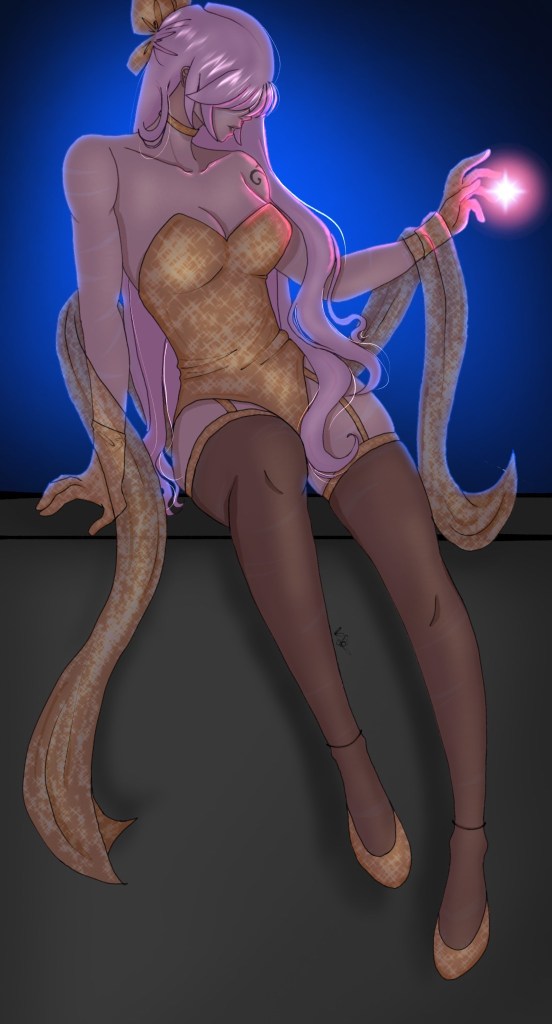
Sadie King offers over £200
Sadie King is a 17-year-old student . She has a strong passion for character design and storytelling. Sadie hopes to build a career in creating her own animated series. Her work often explores original concepts and imaginative worlds. She is eager to share more of her art and ideas with others. Sadie welcomes feedback and is open to showing additional work
Offers over £250.
Marcus Mason-Williams
Marcus is a multi-talented autistic artist and entrepreneur. As a founding member of The Lilac Review — a government-backed campaign spotlighting disabled-led businesses — Marcus uses his business, CoolArt2021, to share wildlife-inspired storytelling and merchandise. “Art and performing set me free,” he says. “Through my stories and performances, I connect with others and the world around me.”
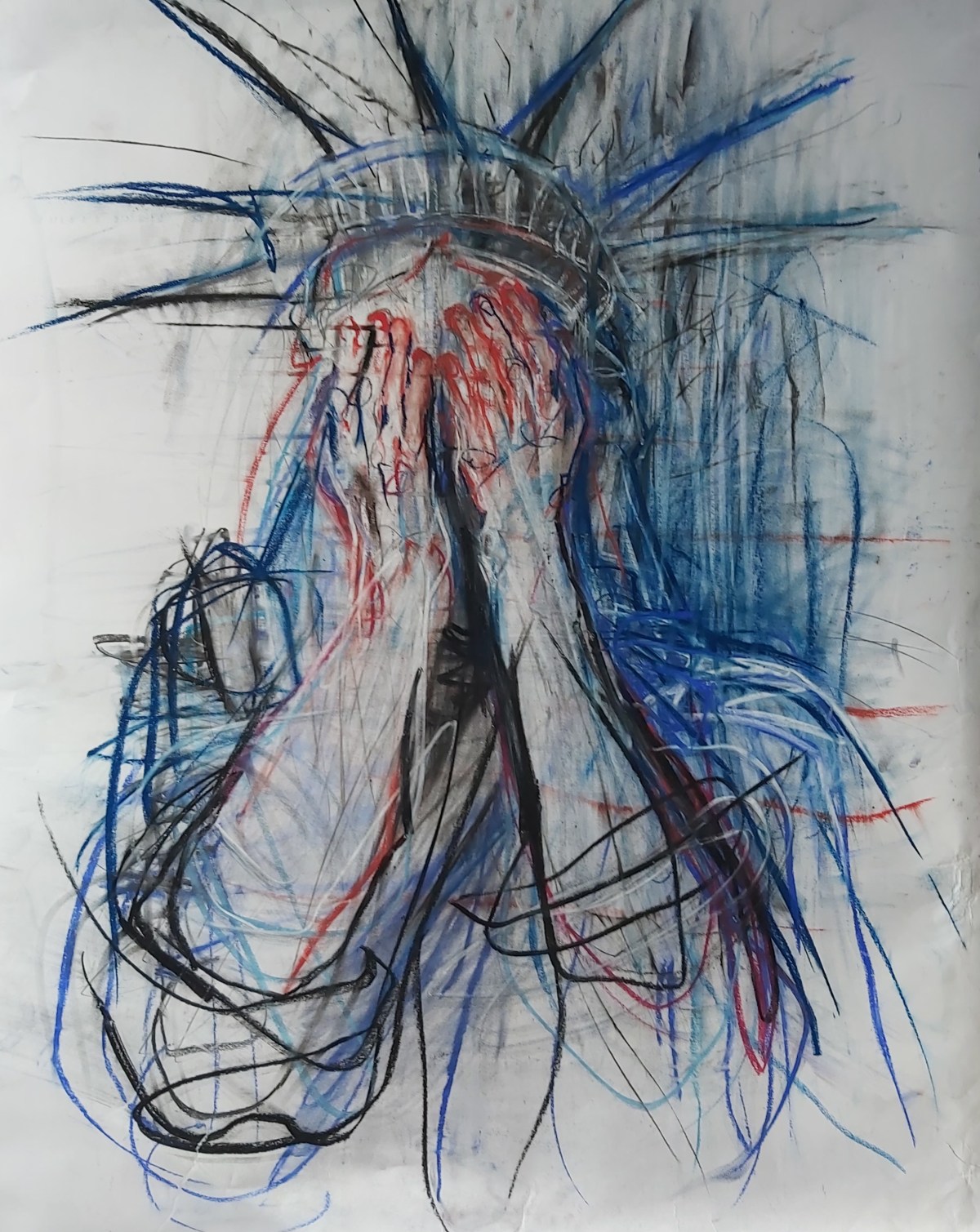
Pastel , charcoal, ompressed charcoal, pencil & graphite on fabriano paper Price- £1,200
LA Colella
Is a London gestural intuitive artist. Who uses music to tap into emotion for figurative works of Art. She describes the music influence as another pastel & believes she has the condition described as Synesthesia. This is an involuntary neurological trait where the stimulation of one sense automatically and consistently triggers an experience in another. She hears music and sees colours.
Lucia works in large scale drawings creating with pastel, charcoal, graphite & pencil.
Her work involves reflections on her personal life past & present.
Lucia claims that ‘Art doesn’t serve the system; it serves your soul. Through executing a piece of Art individuals of all ages can explore & express deep emotions, process complex experiences & reconnect with themselves in meaningful ways’
Artwork title- Sorrows of Liberty
Dimensions 120cm length/ 102cm width
Harvey Price’s special guest artist . Harvey’s artwork is a wonderful example of how creativity can communicate emotion beyond words. His colourful, expressive style reflects his unique way of seeing the world, with each piece celebrating individuality, imagination and self-expression. Harvey’s growing confidence as an artist has inspired many people and highlights the importance of recognising and valuing the talents of autistic artists. His work reminds us that art has the power to connect people, challenge perceptions and celebrate neurodiversity in a truly meaningful way. ( art to be announced )
Courtney Ward £100 value
Courtney is a neurodivergent pan poet, spoken word artist, visual artist, photographer, speaker, and shadow writer for Beyond the Spectrum. Using creativity to give voice to experiences that deserve to be heard, her work has been published by Steel Jackdaw, Poetic Edge Publishers, Worcestershire LitFest, and Writing East Midlands. Through talks and advocacy across the East Midlands and London, she promotes neurodiversity and inclusion, serving on the North London Learning Disability and Autism Council and her local Inclusive Steering Group while encouraging young neurodivergent people to embrace who they are
Emily Haynes,
Emily Haynes, known online as callmeshadz or ShadyShadz, has been passionate about drawing since childhood. Inspired by the beauty of nature and animals, her work celebrates the natural world through imaginative and often fantastical creations. Her artwork explores unusual creatures, the wonders of nature and her reflections on the modern world.
Diagnosed with autism while at university, Emily found that art became an important way to process and express emotions that she often struggled to put into words. Being diagnosed later in life helped her better understand her experiences growing up, and today her creativity provides both a voice and a sense of connection. Her artwork for the exhibition is titled Carnivore.
Entertainment by Lana Mitchell and George Pond
5:00–5:30 pm – Guests arrive
6:00–6:30 pm – Drinks reception
Entertainment
Anna Kennedy OBE welcomes everyone.
Anna introduces George Pond.
Anna thanks George, chats about the artists, and thanks Marcus and the team.
Anna introduces Lana Mitchell.
Ayesha thanks Lana, says a few words about Oracle, and speaks about the charity and her involvement with it.
Anna introduces Vicky Michelle MBE and Samantha Lee Howe, patrons of the charity. for the raffle
Wendy Turner Webster joins midway through the evening, takes over, and says a few words about the artwork.
8:00–9:00 pm – Mingle, network, and enjoy the evening.
CALLING ALL AUTISTIC ARTISTS: SUBMISSIONS NOW OPEN FOR THE SECOND AUTISM & ART SHOW 2026
Following the overwhelming success of its debut event, The Autism & Art Show returns for a second inspiring year, opening on 23rd of July 2026 at the much-loved Firepit Art Gallery, London — and organisers are now calling for autistic artists across the UK to submit their artwork for inclusion.
Screenshot
Presented by Anna Kennedy Online, in collaboration with Firepit Art Gallery, the exhibition celebrates the extraordinary creativity, individuality and talent of autistic artists and their allies, while helping raise vital funds to support the charity’s ongoing work with autistic people and their families.
For many people on the autism spectrum, art is far more than a hobby — it is a powerful form of self-expression, communication and therapy. Through creativity, artists can tell stories, explore emotions and connect with others in meaningful and inspiring ways.
Anna Kennedy OBE, charity patron Steven Smith, and Firepit Gallery founder Marcus Jake are inviting autistic artists to step forward and showcase their work as part of this unique and uplifting exhibition.
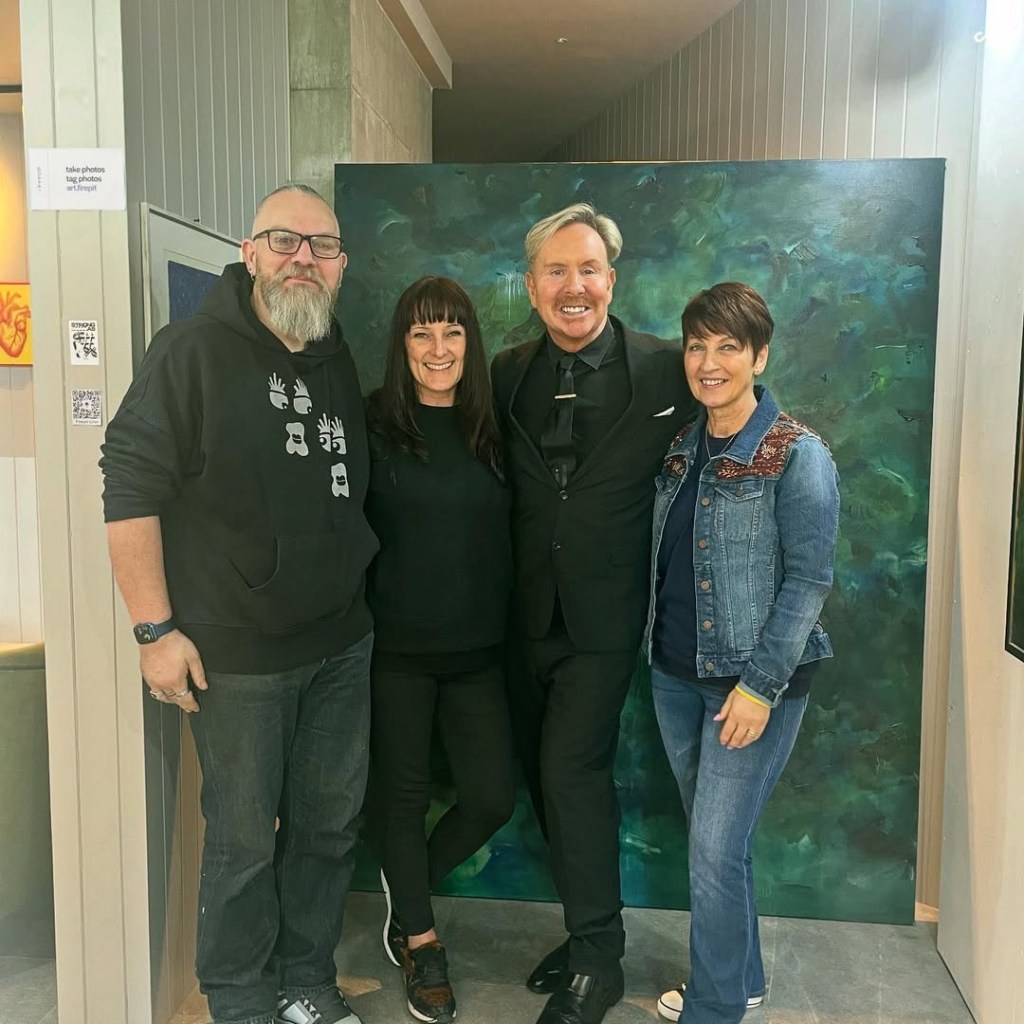
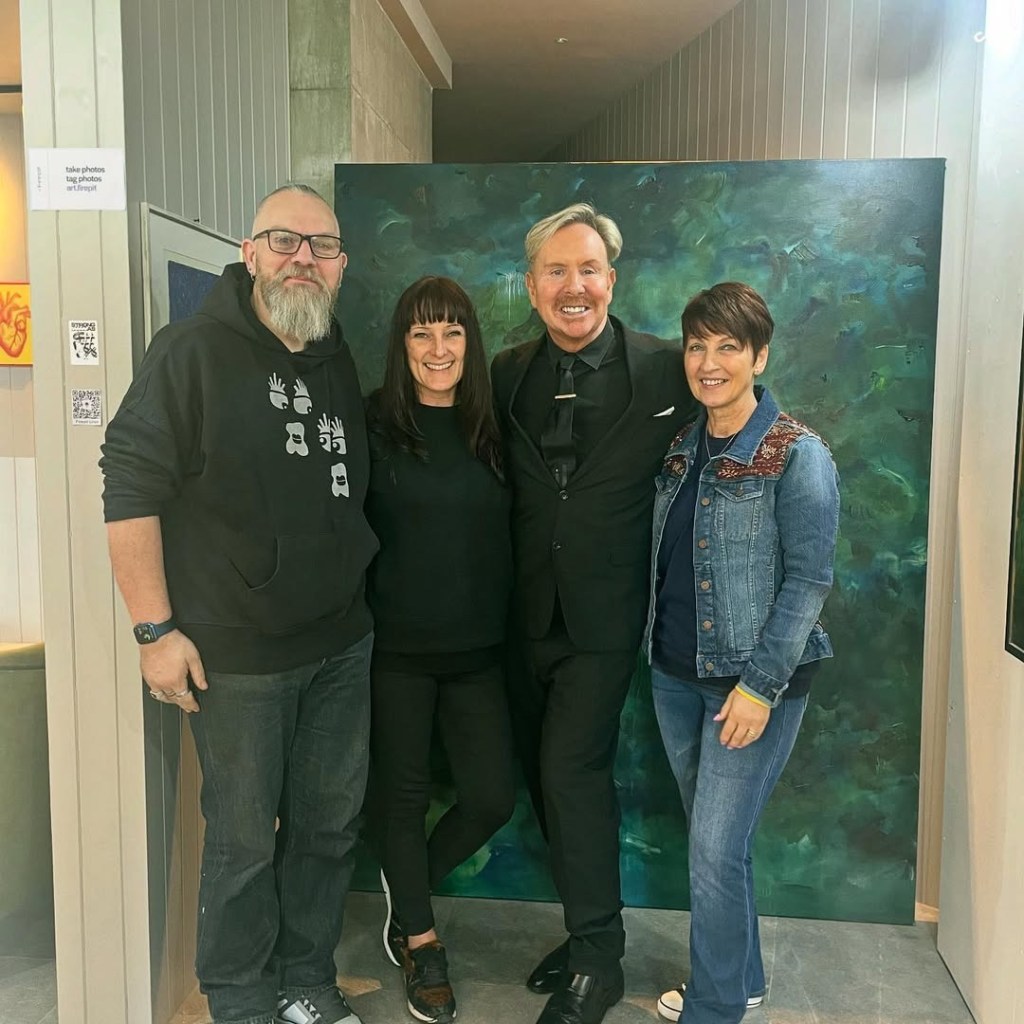
Anna Kennedy OBE and some of the team behind Autism &Art Patron Steven Smith Artist and celebrity photographer Anne-Marie Bickerton and Alistair Blaster
“Art has the power to give a voice to feelings, experiences and perspectives that words alone sometimes cannot express,” said Steven Smith. “We are incredibly proud to celebrate neurodiverse creativity and encourage autistic artists to share their talent with the public.”
The Autism & Art Show promises to be a vibrant celebration of creativity, resilience and individuality, showcasing an exciting tapestry of work from autistic artists from all walks of life. Each artist brings a unique story and artistic voice, making this exhibition a moving tribute to the richness of neurodiverse talent.
Event Location: Firepit Art Gallery CIC No.2 Upper Riverside, 10 Cutter Lane, Ground Floor Unit, Greenwich Peninsula, London SE10 0XX
Artists interested in submitting work or learning more about the exhibition are encouraged to get in touch and be part of this very special event.
Denise Welch Nearly Drowns in the Love at Mighty Hoopla
It might have been “Raining Men” with Denise Welch at Mighty Hoopla on Saturday — but the actress, presenter and beloved LGBTQ+ ally had little idea she would be positively drowned in love by thousands of adoring festival-goers.
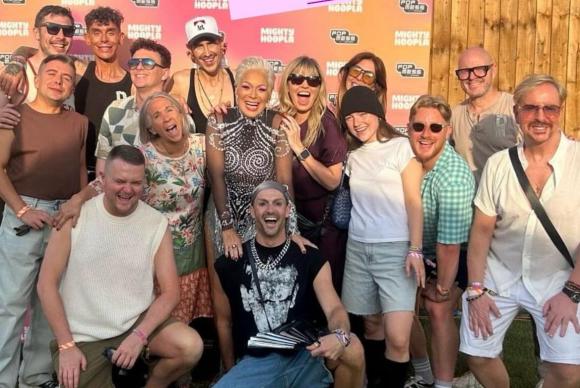
Temperatures were soaring as the glamorous, fabulous and utterly gorgeous descended upon London’s much-loved Mighty Hoopla festival, held in Brockwell Park. Yet somehow, despite the blazing sunshine, the energy only got hotter as crowds gathered for one of the UK’s most joyful celebrations of pop culture, inclusivity and self-expression.
For those unfamiliar, Mighty Hoopla has grown into something of a cultural phenomenon since launching in 2017. Originally conceived as a playful, pop-loving alternative festival, it has blossomed into one of the UK’s biggest celebrations of queer culture and music, welcoming everyone from pop superfans to families, drag artists, celebrities and festival lovers under one glitter-covered umbrella. It sits somewhere between Pride, a giant theatrical daydream and a fabulous summer carnival — not quite Pride itself, but absolutely driven by the same spirit of love, acceptance and freedom.
The audience is wonderfully eclectic, as are the performers. Think A Midsummer Night’s Dream with sequins, cocktails and singalongs.
Celebrity spotting alone was worth the ticket price. Among those mingling were RuPaul’s Drag Race UK winner Tia Kofi, EastEnders star Natalie Cassidy, the ever-divine Kate Thornton accompanied by her lovely mother Sandra, and Smoggie Queens star Phil Dunning — who, quite frankly, deserves a BAFTA. Vanderpump Rules favourite Scheana Shay also added a touch of Hollywood sparkle to proceedings. That, however, was merely the tip of the star-studded iceberg.
People-watching at Mighty Hoopla deserves five stars in itself. From feather boas to outrageous glitter looks and fashion statements that could stop traffic, every corner offered a visual feast. Though the heat was relentless, I managed to find a shady sanctuary with my bestie Pam Sharrock, where we enjoyed a cocktail or two. A small warning — drinks are certainly not cheap — but beautifully made and served by wonderfully friendly staff.
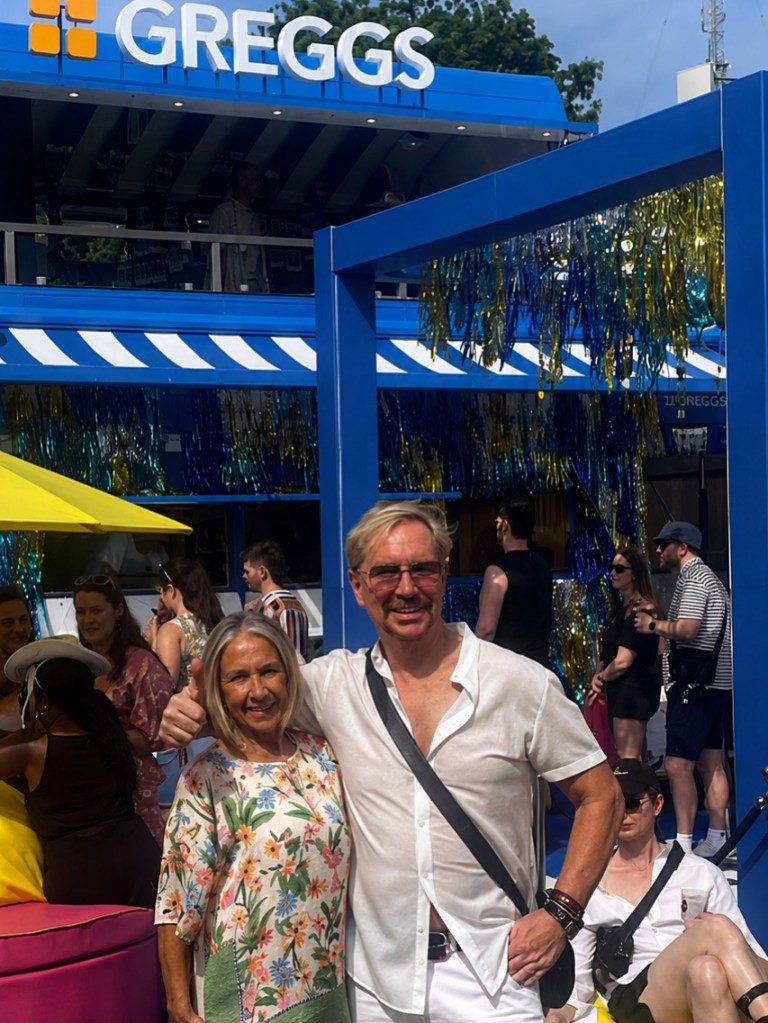
With Pamela Sharrock she neves says no to a big Gregg’s vegan sausage roll at the Mighty Hoopla one of the sponsors .
Then, just before six o’clock, something shifted in the atmosphere.
You could feel it.
Presenter GK Barry took to the stage, jokingly warning of incoming “weather warnings” as excitement rippled through the crowd. Suddenly, phones were raised skywards, screams erupted and people began jumping up and down in delight.
The reason?
Denise Welch had arrived.
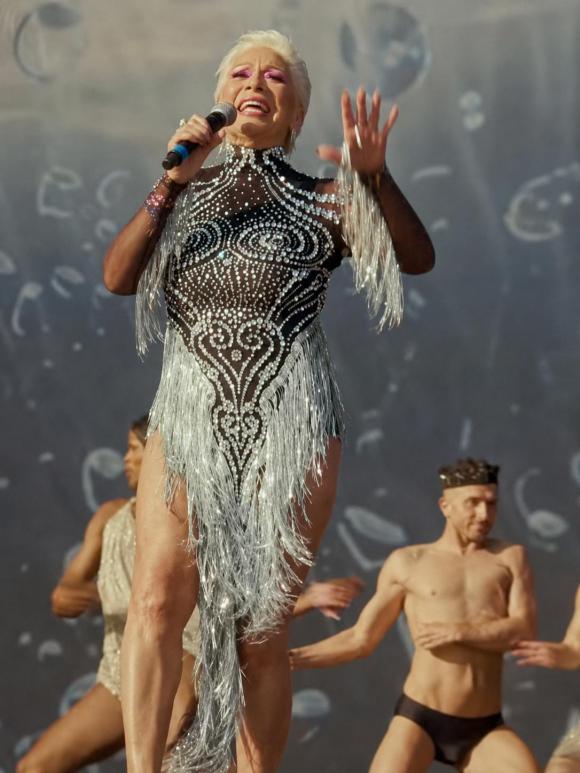
Styled impeccably by Ryan Kay, Denise looked sensational in a striking red coat, flanked by semi-clad dancers as she launched into a spirited rendition of the 1982 classic It’s Raining Men. And my goodness — did the crowd go wild.
It genuinely felt as though the festival had suddenly burst into full bloom.
Denise, now 68, was visibly emotional as she addressed the audience, telling fans: “I will always be an ally of the LGBTQ+ community and I will fight with you.”
In one of the most touching moments of the set, she paid tribute to her late father, the much-loved Vin Welch — a heterosexual Whitley Bay drag performer known as Raquell. Denise fondly recalled how, while other drama school students were being treated to McDonald’s, her father would instead take her to London’s legendary Black Cap in Camden to watch drag shows.
“How I’m not gay is beyond me,” she laughed to huge cheers from the crowd.
By the end, Denise appeared genuinely moved by the reception.
Denise and her amazing Dad Vin ,
One thing is certain — Denise Welch may have arrived as a surprise guest, but she left Mighty Hoopla absolutely drenched in love. backstage was husband 53 year old Artist Lincoln Townley. Taking a brief break from filming, her west end star son Louis Healy, 26, and Loose Women producer Mattie Jameson were amongst those waiting to congratulate her . Big shout out to Denise incredible manager Bex Elliff .
There are few things more dangerous than an awards ceremony that forgets the audience. We have all been there. The initial excitement, the pre-dinner drinks, the photographs, the promise of an entertaining evening celebrating a worthy cause. Then suddenly, halfway through a bread roll, you begin wondering whether to butter it — or hit yourself over the head with it to relieve the boredom. Endless speeches, presenters milking their fifteen minutes of fame, technical pauses that feel longer than a Netflix series, and a room full of people quietly counting the minutes until they can politely escape.
Thankfully, the 2026 Autism Hero Awards proved the complete opposite.
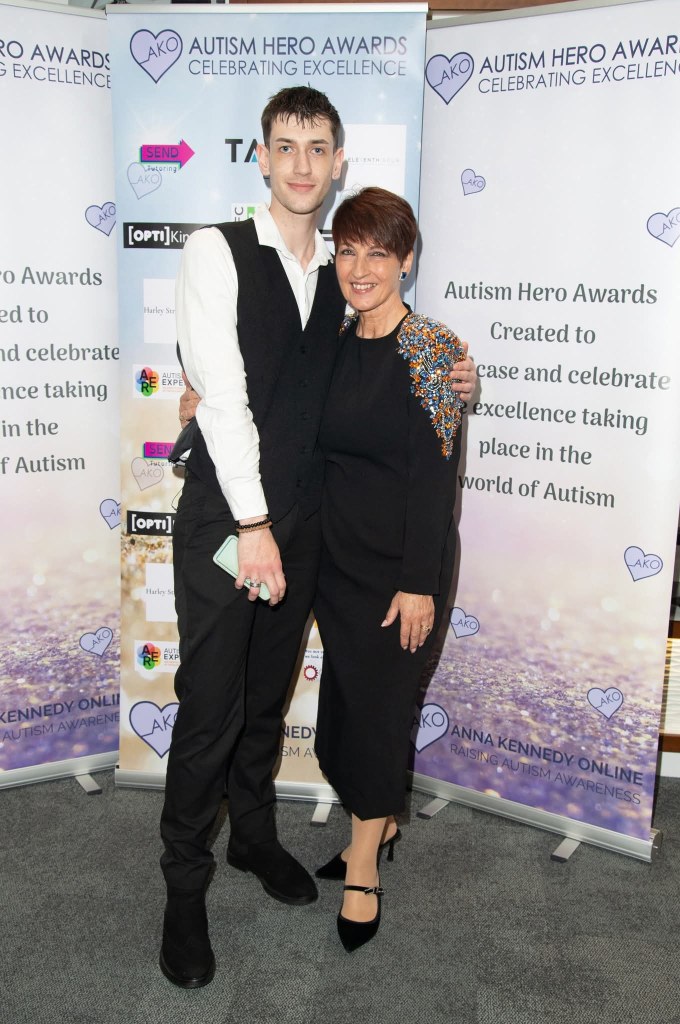
Held on Saturday 9th May at the stylish Holiday Inn London Regent’s Park, the annual event in aid of Anna Kennedy Online was a masterclass in how to host a charity awards evening properly. Dr Anna Kennedy OBE and Gateway Radio presenter Aston Avery delivered a show that was heartfelt, slick, emotional, entertaining and — most importantly — never once lost the audience.
Aston Avery and Stacey Moore
From the moment guests arrived, there was a genuine warmth in the room. That is the magic of Anna Kennedy Online. This is not simply a charity event where people turn up out of obligation, smile for photographs and disappear before dessert. There is real love here. Real loyalty. Real community spirit. Anna Kennedy has spent years building an organisation that supports autistic people and their families while celebrating achievements that too often go unnoticed by mainstream society. That atmosphere of kindness and inclusion filled every corner of the evening.
The elegant surroundings of the Holiday Inn Regent’s Park provided the perfect setting, with the hotel staff helping the event run seamlessly from start to finish. The evening opened with a vibrant performance from PPAS Dance and Performing Arts School, immediately setting the tone for a night that balanced celebration, inspiration and entertainment beautifully.
Following a warm welcome, guests were introduced to the judges for the 2026 Autism Hero Awards. The judging panel included broadcaster and author Wendy Turner Webster; international bestselling author Samantha Lee Howe; journalist and author Steven Smith; GB News presenter Nana Akua; author Tess Eagle Swan. Sadly, beloved actress and national treasure Vicki Michelle and artist Dez LoveArtPix were unable to attend this year’s ceremony, although both remained very much part of the spirit of the event.
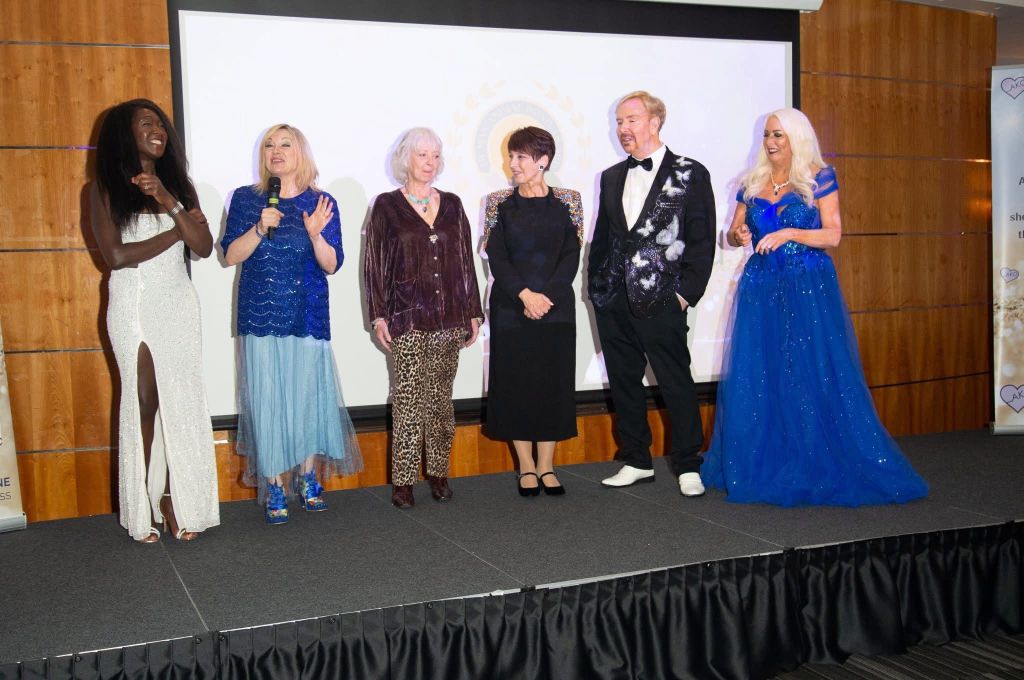
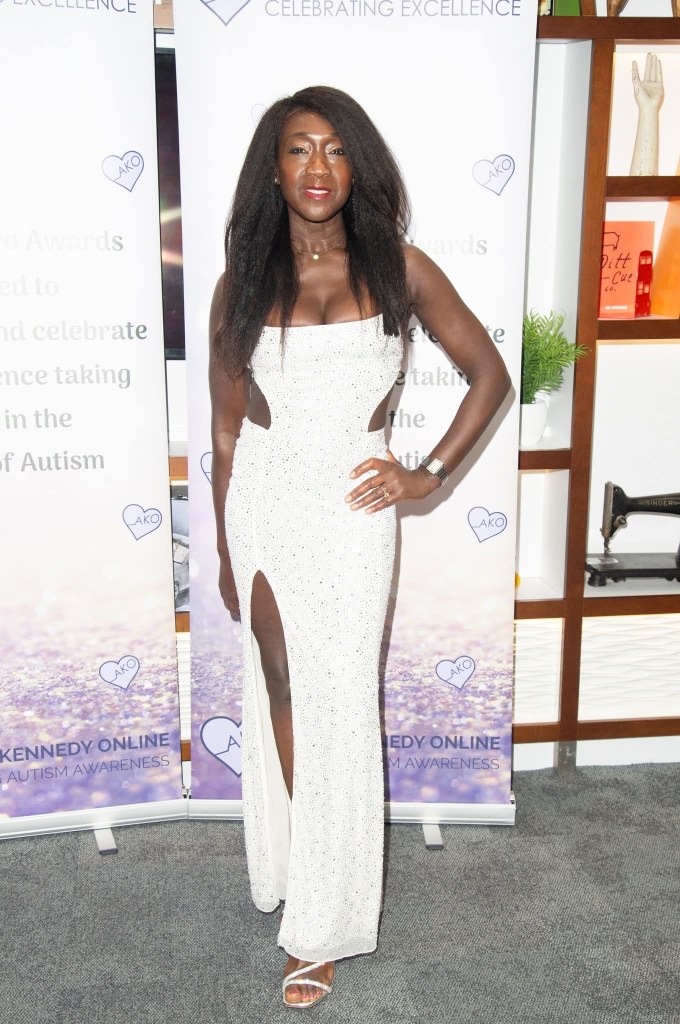
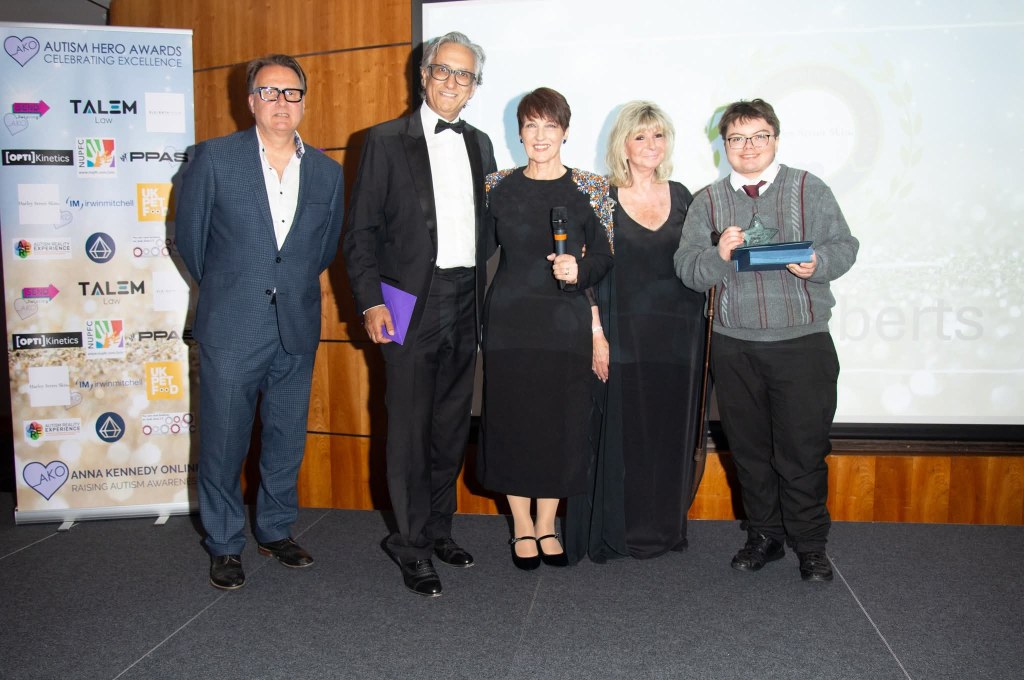
Some of the judges take to the stage with Anna Kennedy OBE Nana Akua ,Tess Eagle Swan Steven Smith Samatha Lee Howe Wendy Turner Webster , picture Terry Scott
Then came the main part of the evening — and this is where Dr Anna Kennedy and Aston Avery truly shone.
Hosting an awards ceremony is far harder than people imagine. It requires timing, warmth, discipline and instinct. Too often presenters either rush emotional moments or indulge themselves for far too long. Anna and Aston got the balance exactly right. They moved the evening along effortlessly while still allowing every winner the dignity of their moment. Acceptance speeches were heartfelt and genuine, with several leaving the audience in tears — but never dragging beyond the point where emotion becomes uncomfortable. The pacing of the show was impeccable.
Picture Terry Scott of GBNEW presenter Nana Akua
Even a few minor technical hiccups were handled with professionalism and humour, proving that experienced presenters do not panic under pressure. Instead, they keep the audience engaged and relaxed, which Anna and Aston managed throughout the entire evening.
One of the most moving highlights of the night came when singer Kieron Lee received the Charity Supporter of the Year Award. Kieron, who appeared on the BBC programme The Assembly and famously performed for Nicola Sturgeon, delivered a deeply emotional performance that left many guests visibly moved. His beautiful singing brought the room to silence and reminded everyone exactly why evenings like this matter so much.
A super star in the making Keiron lee with Anna Kennedy OBE picture Terry Scott
Television and acting royalty Gary Webster also took to the stage to present one of the awards, bringing charm and warmth to the evening. Meanwhile, internationally bestselling author and patron Samantha Lee Howe announced that she will dedicate her upcoming film festival next year to supporting the charity — another touching example of the loyalty Anna Kennedy inspires in those around her.
One the judges and patron of the charity Samatha lee Howe and Autism’s and Art Piluca artist , Both presented awards on the evening .
Another hugely popular moment came when Emmerdale actor Bradley Riches received the Celebrity Role Model Award. Bradley, accompanied by his husband Scott Johnston, was also announced as an official patron of the charity, receiving huge applause from the audience. His openness, visibility and support for the autistic community have made him an important role model for many young people, and his warmth throughout the evening was genuinely lovely to witness.
Acting legend Gary Webster with celebrity. Doctor Khan and podcaster Lesley Reynolds winner Jack Roberts
Television personality and celebrity doctor Dr Khan, alongside his wife Lesley Reynolds, not only presented an award but were also among the evening’s sponsors. Their support once again highlighted the broad range of people and organisations coming together behind Anna Kennedy Online and its important work.
What made the Autism Hero Awards particularly special was that the focus never drifted away from the winners themselves. Too many award ceremonies become showcases for celebrities or the presenter but here the spotlight remained firmly on the extraordinary individuals, families, carers, businesses and community champions making a genuine difference within the autism community.
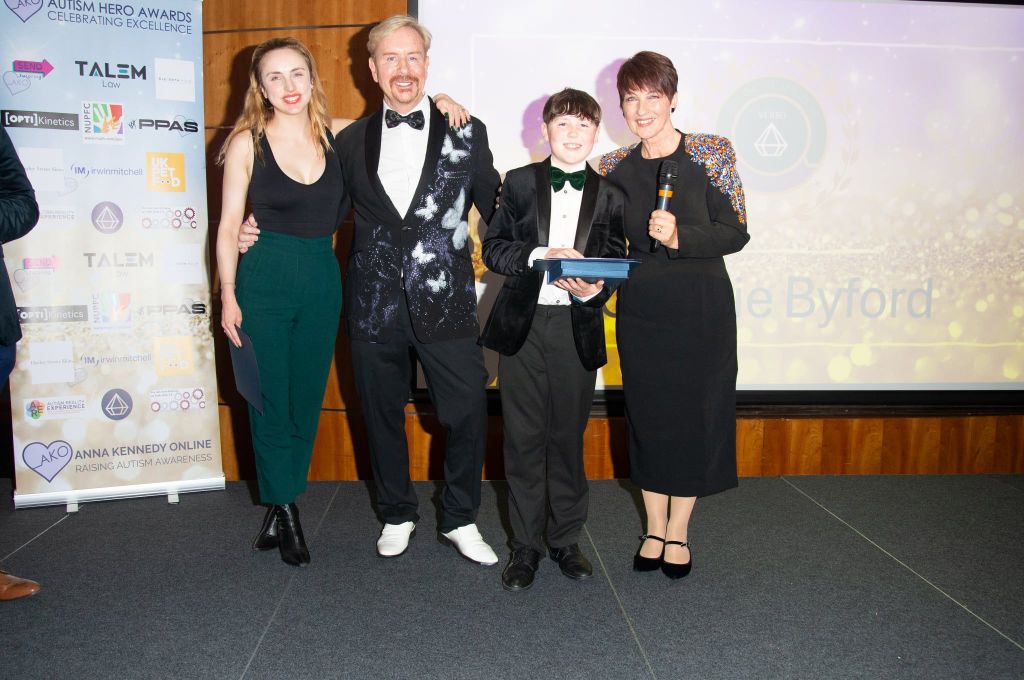
Among the evening’s winners were Anais Meaker with Misha, who received the Human Animal Bond Award; Charlie Byford, winner of Sibling of the Year; Charlotte Faulconbridge, who won the Creative Arts & Media Award; and Evan Barnwell, named Young Person of the Year.
Jack Roberts received the Personal Achievement Award, while Ty Bowring was honoured with the Outstanding Community Award. Jonathan Andrews received the Lifetime Award in recognition of his ongoing dedication and contribution, and Javanna Jack-Blake was celebrated with the Parent/Carer Award.
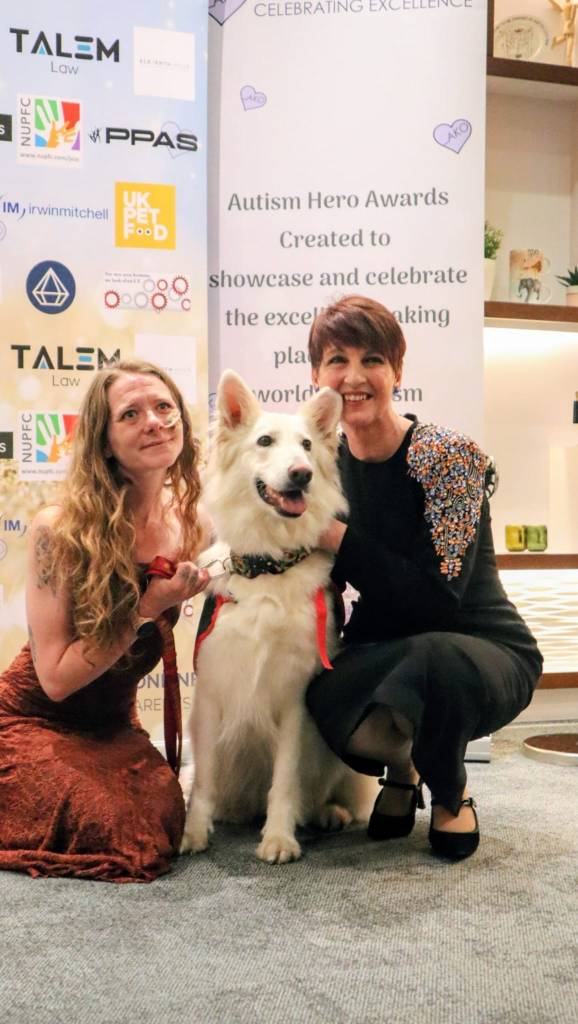
Anais Meaker with Misha, and Anna Kennedy OBE picture. Terry Scott
Other winners included Craig Henderson, who received the Leading Business Award; Danny Yates, honoured with the Outstanding Education Award; and Aimee Bradley, who won the People’s Autism Hero Award. Dr Carol Stott was also presented with a Special Recognition Award for her outstanding contribution and support.
Each winner brought their own story, emotion and inspiration to the stage, reminding everyone in the audience why the Autism Hero Awards continue to grow in importance every single year.
Perhaps the greatest compliment that can be paid to Dr Anna Kennedy OBE and Aston Avery is this: the evening never felt like hard work. It flowed naturally, it entertained, it inspired and it respected the audience’s time — something surprisingly rare in the world of charity galas and award ceremonies.
By the end of the evening, there was still plenty of time left for guests to dance, socialise and celebrate together. People were smiling, emotional, energised and already talking about next year’s event.
In a world where some award shows have become bloated, self-indulgent affairs, the Autism Hero Awards reminded everyone what these evenings should really be about: community, kindness, recognition and joy.
Dr Anna Kennedy OBE and Aston Avery showed exactly how it should be done — and they did it with heart, humour and genuine class. I, for one, cannot wait for next year.
All of this would not be possible with out the true life time achievement who works quietly behind the scenes Lisa Robins a huge thank-you .
OK, I am 65 and have been blessed with a good head of hair—still very much my crown and glory. Sure, it’s not quite the huge bush it once was, but I still get the comments, and in our world, that counts. While many of my male peers have been quietly losing theirs—or not so quietly dashing off to Turkey and various clinics—my highlighted blonde locks have, thankfully, stood the test of time.
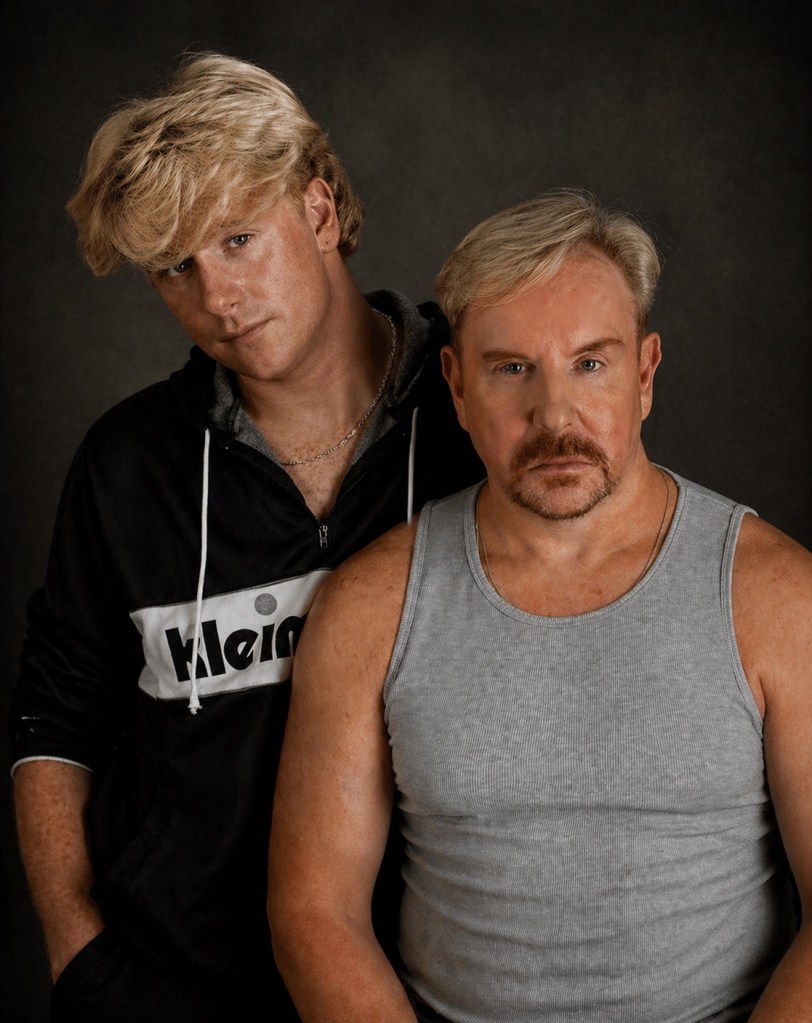
Me at 20 meets the 65 year old me and I still have a good head of hair
That said, I don’t take it for granted. I’m often asked, “How do you look after your hair?” and the truth is, there’s no mystery or magic potion—just consistency and good habits. Like your skin, your hair reflects how well you treat it. As a former celebrity hairdresser, I was always drumming this into my clients: invest in proper haircare. It doesn’t have to be extortionate, but it does have to be good.
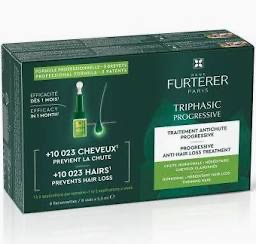
Early in my career, I trained with René Furterer, the Paris-based pioneer who was years ahead of his time. Long before the explosion of hair clinics we see today, he offered detailed scalp analysis and bespoke treatments tailored to the individual. It wasn’t just about washing and styling—it was about understanding the scalp as living skin. In many ways, it was the equivalent of a facial, but for your hair. That philosophy has stayed with me throughout my career.
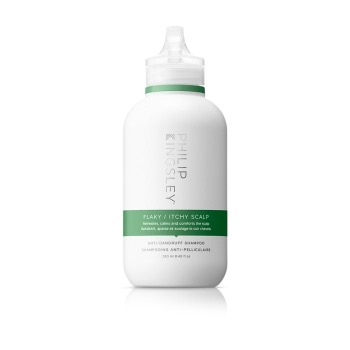
Equally, Philip Kingsley has built a reputation as one of the most trusted names in hair health. Their clinics and products are grounded in trichology—the science of the hair and scalp—and they’ve been quietly delivering results for decades. These are not fads; they are foundations.
One piece of advice I gave repeatedly—and still stand by—is to change your haircare routine every six to seven months. Even if it’s just for a short period before returning to your favourites, it allows the hair to reset. I’ve always found that hair can become overly accustomed to one product, and the benefits can plateau. Think of it as a holiday for your hair—it comes back refreshed.
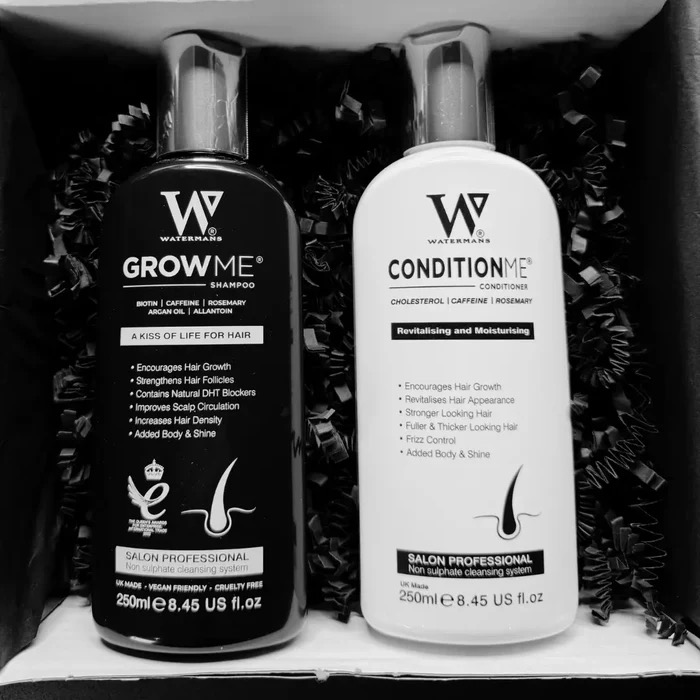
There are, of course, exceptions. Watermans, for example, recommends consistent use of their shampoo and elixir several times a week, and I have seen very good results with clients who follow that regime properly. The key, as always, is consistency and choosing the right product for your specific needs.
Now, let’s address the elephant in the room: hair loss. If you are experiencing noticeable or sudden thinning—whether you’re male or female—your first step should never be the internet or a miracle cure. It should be a doctor or a reputable clinic. Blood tests can reveal a lot. Hormonal imbalances, stress, nutritional deficiencies, or underlying health conditions can all play a part. Too often, people skip this crucial stage and jump straight into expensive treatments that promise the world but deliver very little .
And let’s be honest—there are plenty of so-called “solutions” out there that border on modern-day witchcraft. Expensive, persuasive, and ultimately ineffective if the root cause isn’t addressed. If your hair loss is genetic or medical, you must deal with that first. Otherwise, you’re simply throwing money at the problem.
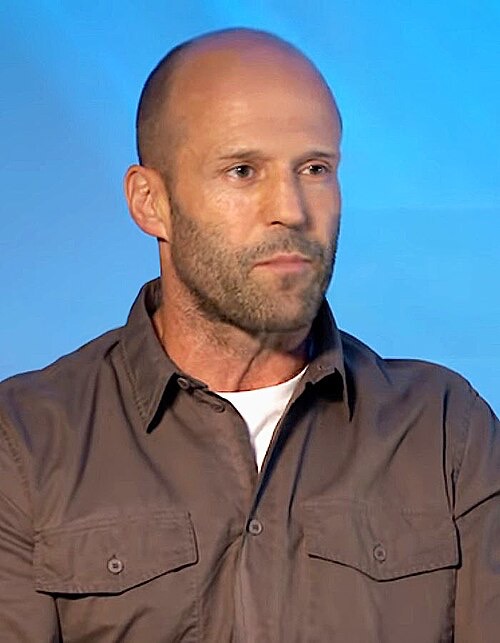
For men in particular, it’s worth remembering that less can sometimes be more. We all know a few incredibly attractive bald men. Jason Statham springs to mind immediately, as does Grant Mitchell. Confidence carries more weight than any follicle. A well-cut, closely cropped style can often look far sharper and more intentional than desperately holding onto thinning hair.
Jason Stapler
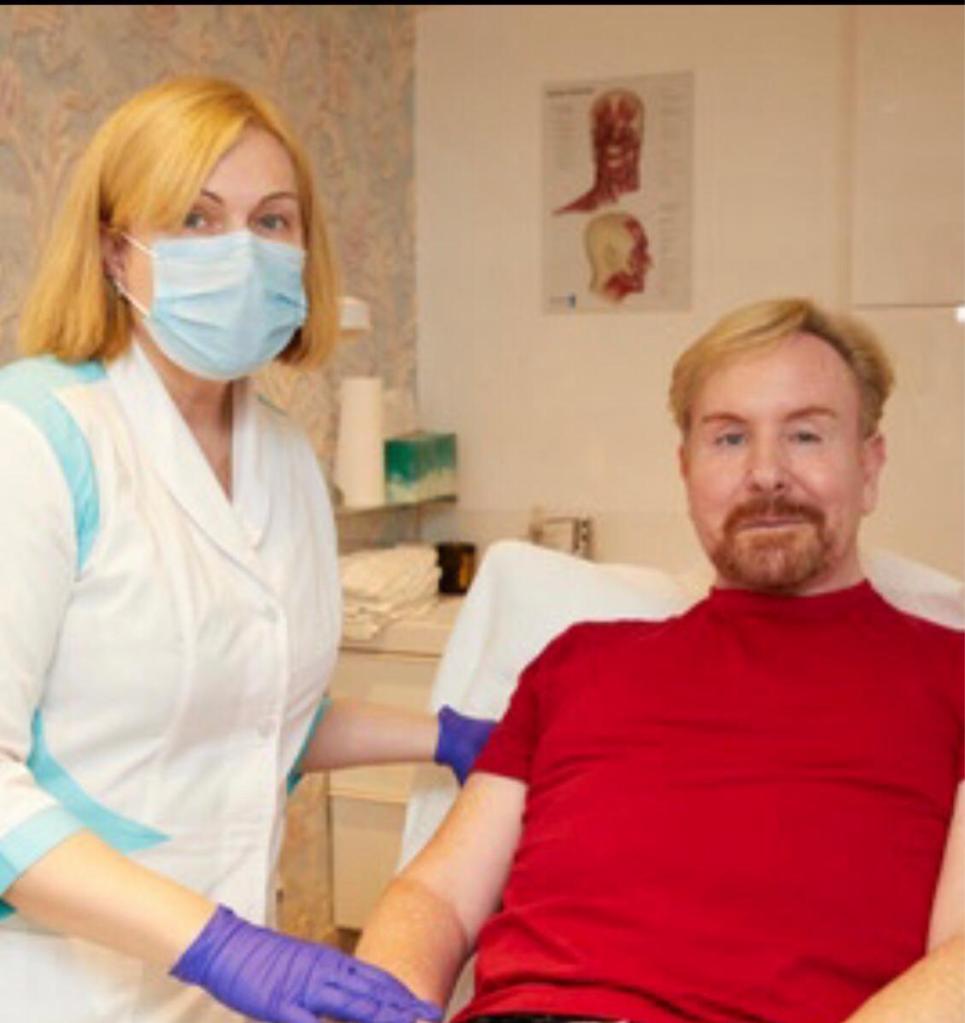
That said, treatments have come a long way. PRP—Platelet-Rich Plasma therapy—is one I’ve experienced personally, under the expert care of Iryna Stewart. The process involves taking your own blood, spinning it to concentrate the platelets and growth factors, and then reintroducing it into the scalp to stimulate repair and growth. It sounds clinical, and it is—but it works. My hair felt stronger, healthier, and more responsive for months afterwards. The downside? It’s not a one-off. You need maintenance sessions every three to four months.
Stem cell treatments are also gaining traction, though they are still evolving, and results can vary. Hair transplants, of course, are the big-ticket option. Some are incredibly successful—but I’ve also seen cases where the results don’t hold, and people find themselves back at square one within a couple of years. It’s a personal choice, but one that should never be rushed.
So, once you’ve ruled out underlying issues and considered your options, it all comes back to routine. A solid haircare regime is your best defence. Simple touches, like finishing with a cold rinse before applying conditioner, can make a noticeable difference—helping to seal the cuticle and boost shine.
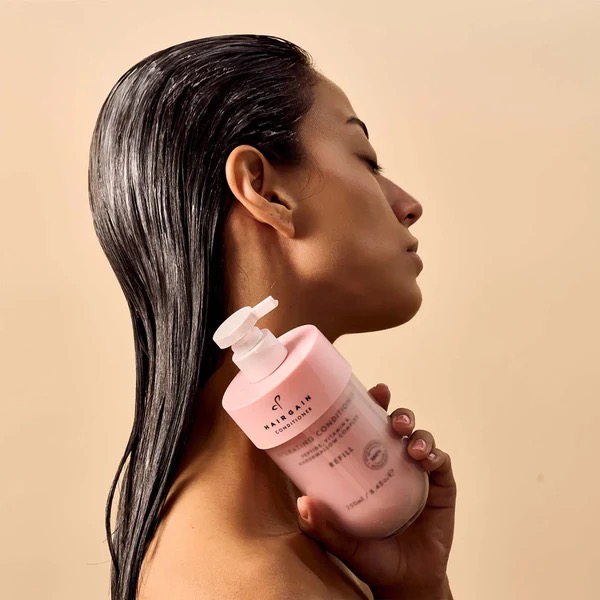
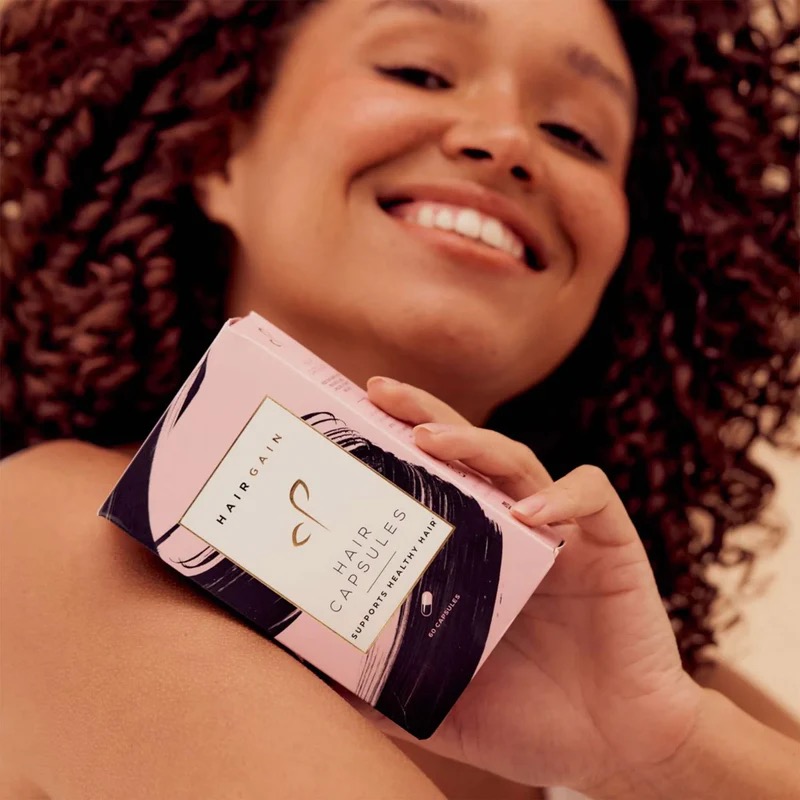
If you’re looking for tried-and-tested haircare, the names mentioned earlier will always serve you well. However, I recently came across a newer brand that genuinely caught my attention: Hair Gain. And I have to say, I was pleasantly surprised.
Their now-famous little pink mousse bottle was my introduction, and the results were immediate. My hair looked fuller, thicker—almost as if I had twice as much. Not in a theatrical, over-the-top way, but in that subtle, “you look good, what have you done?” way we all secretly love.
In a market saturated with bold claims and empty promises, the Hair Gain range feels refreshingly grounded. It takes a holistic approach, combining supplements with topical treatments to support hair growth from both the inside and out. It’s not about chasing miracles—it’s about building healthier hair over time.
At the heart of the range is nutrition. Strong hair depends on the right internal support—biotin, zinc, and essential vitamins that promote keratin production and overall follicle strength. These are the fundamentals, and Hair Gain understands that. By feeding the hair at its root, it creates the conditions needed for real, sustainable improvement.
The little miracle in a bottle
On the outside, the shampoos, conditioners, and serums focus on scalp health—something that is so often overlooked. Ingredients such as caffeine and plant extracts help stimulate circulation and energise the follicles, encouraging growth and improving overall texture. The difference isn’t just visual—it’s tactile. The hair feels healthier, stronger, and more alive.
What I particularly like is the accessibility. This isn’t an intimidating, clinical system. It’s something you can incorporate into your daily routine without fuss. No extremes, no drama—just consistent, thoughtful care. And that, in my experience, is where the real results come from.
Hair Gain doesn’t pretend to be an overnight fix, and that honesty is refreshing. Hair takes time. It grows in cycles, and any meaningful improvement requires patience. This range leans into that reality, positioning itself as a long-term investment rather than a quick win.
For anyone noticing thinning, lacklustre strands, or simply wanting to elevate their hair game, it offers a modern, balanced solution. One that respects the science, supports the process, and delivers visible results when used properly.
And from someone who has spent a lifetime in the hair business before stepping into the world of writing, I don’t say this lightly—this little pink miracle may not cure baldness, but if my hair is anything to go by, it will certainly turn heads.
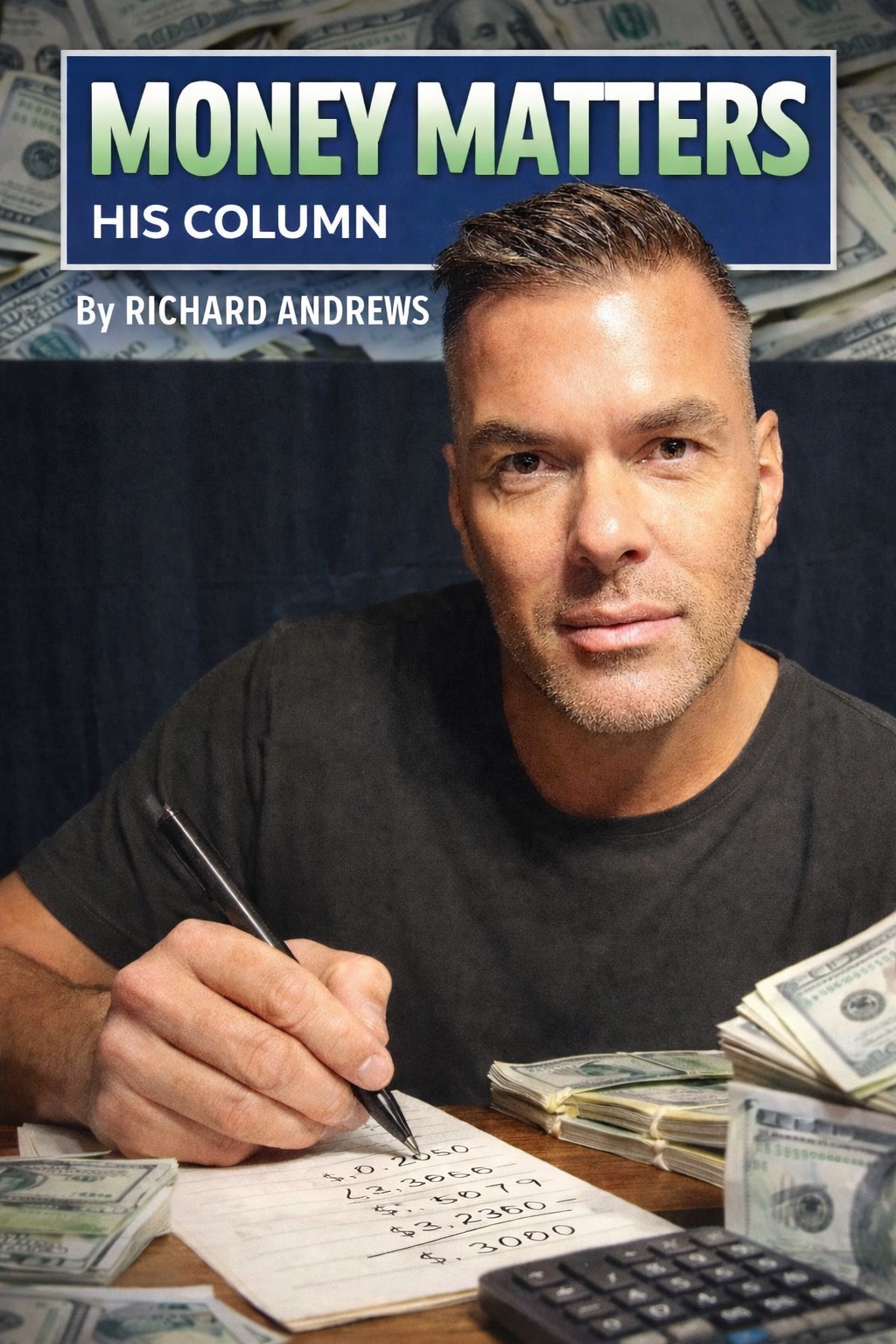
In uncertain financial times, the questions that land in Richard Andrews’ inbox are a telling reflection of modern life. They go far beyond pounds and pence, touching on family dynamics, relationships, aspirations, and the everyday pressures of simply trying to stay afloat. From rising fuel costs to the hidden price of holidays, from supporting children to protecting inheritances, and even turning hobbies into income, this week’s column offers grounded, practical advice with a human touch.
Dear Richard, my dad is going mad about the price of petrol. Without making it political, is there any end in sight? What can we do? Aston Basildon
This is a very good question and one many households are asking right now. The reality is that global supply issues have played a major role in pushing up fuel prices. With key shipping routes now reopening, there is some cautious optimism, but it won’t be an overnight fix. Oil and gas supplies take time to stabilise, so realistically we may not see prices return to previous levels until late June or early July. In the meantime, it’s about managing what you can control. Ration your driving where possible, combine journeys, and consider alternatives. A bike, for example, is not only a cost-saving option but also a great way to improve your fitness—just make sure the upfront cost doesn’t outweigh what you’d spend on petrol over the next few months.
Dear Richard, we’re all trying to get away, but what sounds like a cheap holiday often isn’t. Getting to the airport from London can cost as much as the trip itself. Are there any cost-cutting tricks?
Steven Canada Water
Travel to and from the airport can indeed cost a small fortune, and it’s often overlooked when budgeting for a holiday. One of the simplest ways to reduce this cost is by thinking carefully about your flight times. If you can choose flights that align with public transport schedules, you may be able to avoid expensive taxi fares altogether. It’s also worth considering whether you really need to take an express train service or if you have time for a slightly longer journey at a lower cost. Booking in advance is key, as last-minute fares for trains and coaches are typically much higher. Another option to explore is airport parking. It may sound counterintuitive, but for longer trips it can sometimes work out only slightly more expensive than return taxi fares, while offering greater convenience. And of course, there’s always the option of asking a friend for a lift—just remember to return the favour. Do be mindful, however, of drop-off charges at airports, which can add an unnecessary extra cost.
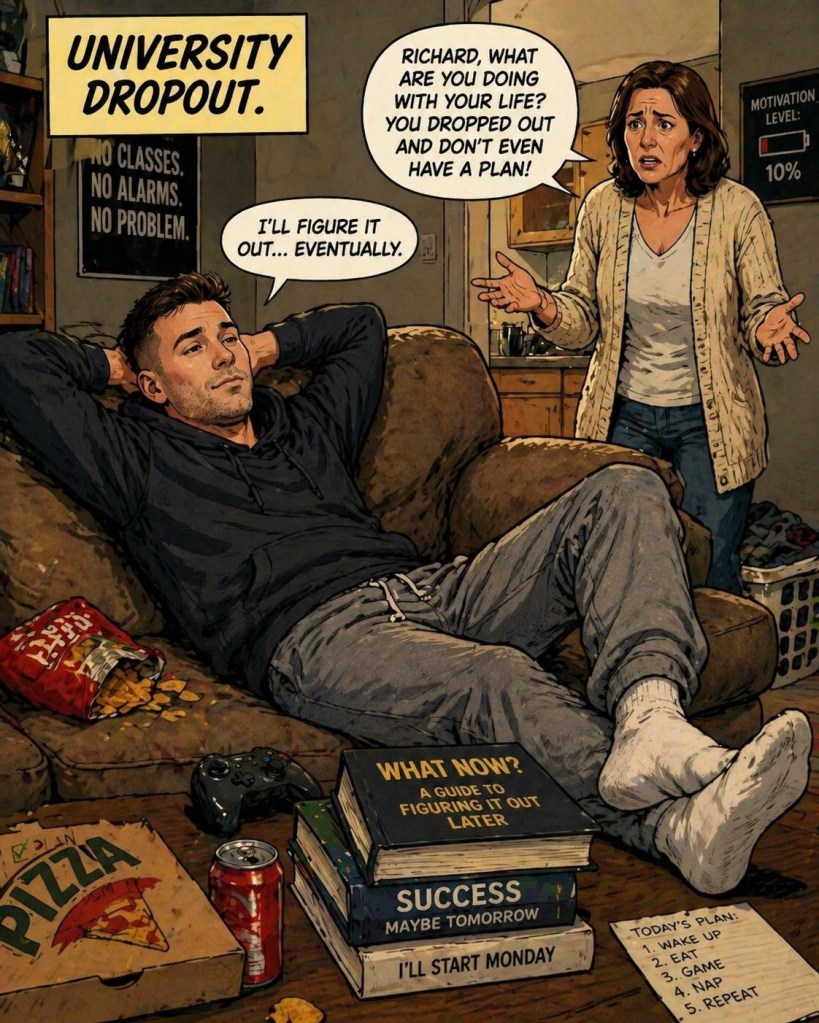
Dear Richard, my teenage son has dropped out of university and says he’s going back next September. He’s on a gap year but currently doing very little and claiming benefits. Is it wrong of me to insist he pays rent, or should I tell him to leave?
Pauline Southend
This is a difficult situation and one that requires a careful balance. My biggest concern is that if your son doesn’t use this time constructively, he may struggle to return to university at all. A year without structure can easily lead to a loss of motivation, and that could have long-term consequences for his education and future prospects. Rather than issuing ultimatums, I would encourage you to focus on guiding him towards making better use of his time. Whether that means finding a job, doing some study to stay in the academic mindset, or developing new skills, the goal is to keep him engaged. Asking him to contribute financially to the household is not unreasonable and can help instil a sense of responsibility. However, telling him to leave could create more problems than it solves and may be something you later regret. Encouragement and support, combined with clear expectations, are likely to be far more effective.
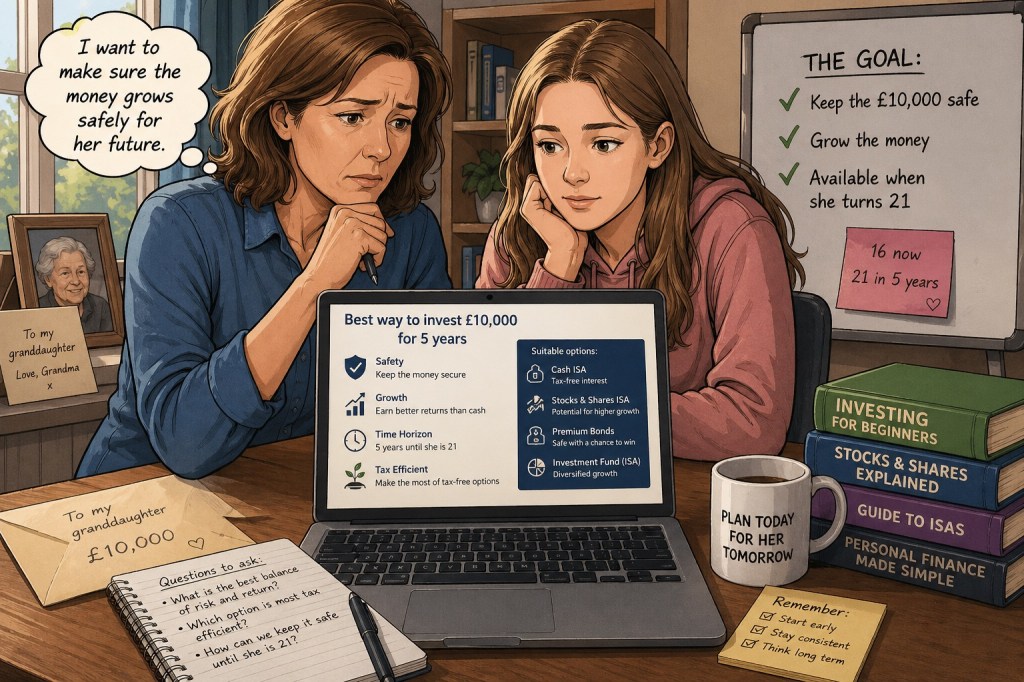
Dear Richard, my daughter has been left £10,000 by her grandmother, with the condition that it is saved until she is 21. She’s currently 16. What is the best way to invest this money?
Margaret Islington
Locking this inheritance away for five years is a sensible and disciplined approach. Fixed-term savings bonds are an excellent option in this scenario, as they offer competitive interest rates while ensuring the funds cannot be accessed prematurely. This not only allows the money to grow but also removes the temptation to spend it too soon. There are a number of providers on the market offering five-year bonds with varying interest rates, so it’s important to shop around and compare options carefully. Always check the terms and conditions to ensure they align with your needs. If your daughter remains in full-time education and has little or no income during this period, the interest earned may also be tax-free, which is an added benefit. By the time she turns 21, she could have a substantial sum to support her future plans.
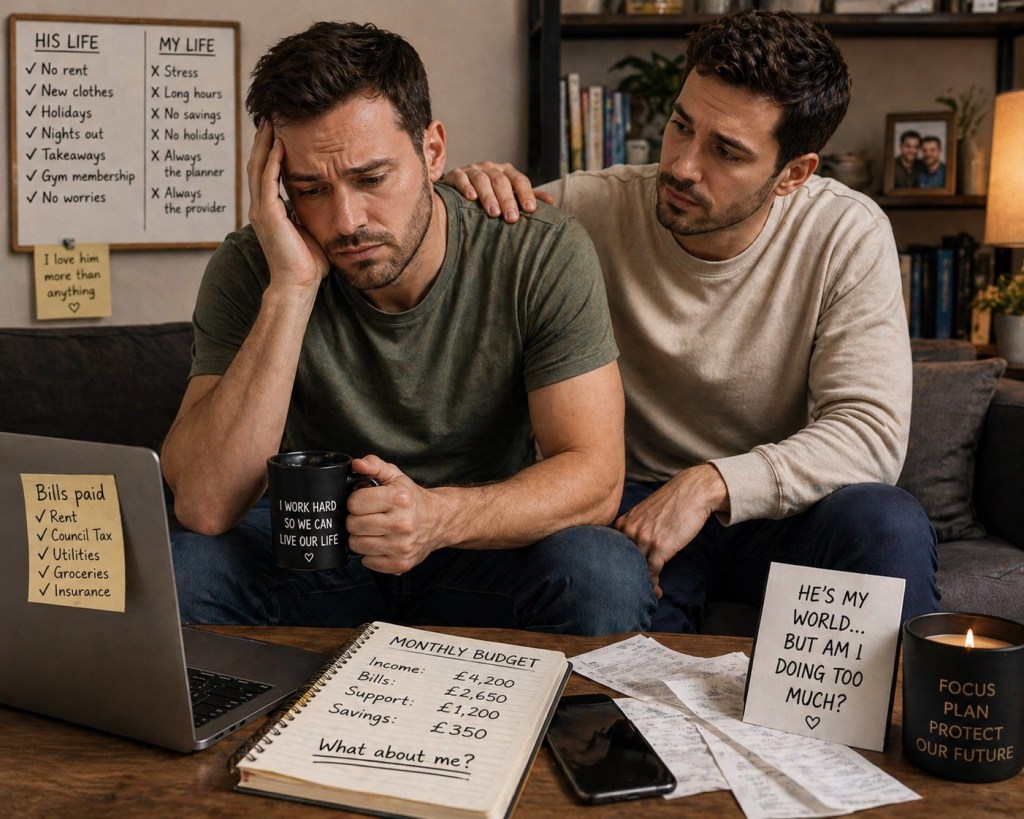
Dear Richard, I supported my partner financially while he was at university, and now he’s working, he still contributes very little. He wants to get married, but I’m concerned about finances. Should I ask for a prenuptial agreement?
Mark London
Supporting your partner through university was a generous and admirable thing to do. However, now that circumstances have changed, it’s only fair that financial contributions are reassessed. Before considering marriage, it’s important to have an open and honest conversation about how household costs are shared. The rising cost of living provides a natural opportunity to revisit this discussion and ensure things are more balanced. Marriage should not be used as a way to gloss over existing concerns, as it can add further complexity to the situation. A prenuptial agreement can be a sensible option if there is a significant difference in assets, but it does require careful handling. Both parties should seek independent legal advice, and the agreement should be made well in advance of the wedding to avoid any suggestion of pressure or coercion. That said, addressing the imbalance in day-to-day finances may resolve your concerns without needing to go down the legal route.
Dear Richard, I’d like to open a small market stall once a week now my eldest is at university. I make jewellery and crafts, and my friends think they’re great. I’ve no idea where to start but want to do it properly. Any advice?
This is a wonderful idea and a great example of turning a passion into a potential income stream. My advice would be to start small and build gradually. Begin by selling to friends or hosting a small jewellery and crafts gathering at home. You might also take commissions, creating bespoke pieces to order. This approach keeps your initial costs low, as you won’t need to invest heavily in stock upfront. If you find there is strong demand and you’re generating a steady income, you can then look at taking a pitch at a local market. Be aware that this will involve additional costs, and availability may vary depending on your area. It’s worth checking your local council’s website for information on market pitches and how to apply. You’ll also need to consider practicalities such as public liability insurance and, depending on your setup, product liability cover. Organisations like the National Market Traders Federation can provide helpful guidance. With careful planning and a measured approach, your hobby could grow into something both rewarding and profitable.
As ever, the common thread running through these questions is that money is rarely just about finances. It’s about choices, relationships, and the future we’re trying to shape. Whether you’re navigating rising costs, supporting loved ones, or taking your first steps into business, a thoughtful and balanced approach will always serve you well.
Dear Heidi: Secrets, Scandals and Saying It Straight
Life rarely arrives neatly wrapped. It tends to crash in—uninvited guests, complicated families, late-night worries, and questions that don’t come with easy answers. This week’s inbox is a heady mix: secrets hovering just beneath the surface, friendships being quietly tested, and the kind of family drama that would make even the most seasoned soap writer raise an eyebrow. From Pride-season dilemmas to Ibiza invasions, from hoarding chaos to the emotional minefield of a changing will, one thing is clear—when life gets messy, honesty may not fix everything, but it’s usually the best place to start. As ever, Heidi is here to cut through the noise, call it as it is, and offer a little perspective—with a knowing wink when needed.
Dear Heidi, It’s Pride season coming up, and I’m a big ally. I’m attracted to the same sex, though I’m engaged to a lovely girl. My best pal dates girls, but nothing ever comes of it, and he’s very good-looking. I’ve noticed him looking at guys, and I think he may be gay. However, he’s Catholic, so coming out might be an issue. I feel that, as his best friend, I should have that chat. How do you go about it? Steven, Ilford
Heidi: Slow down, Agony Uncle—this isn’t your grand reveal to orchestrate. I know you mean well, but you don’t get to pull back the curtain on someone else’s life, no matter how sharp your “eagle eye” might be. Sexuality is not a group discussion, and it certainly isn’t something to be gently cornered into over a pint.
What you can do is far more powerful—and far less intrusive. Be the friend who makes it obvious, without fanfare, that you’re open, accepting, and entirely unshockable. Talk naturally about LGBTQ+ issues, share your own experiences honestly, and remove any sense that there’s something to fear in being open. That quiet reassurance often speaks louder than any “big chat.”
And don’t underestimate the weight of his background. Faith, family, culture—these things can create a knot that takes years to untangle. If he is struggling, the last thing he needs is to feel observed or analysed. So step back, be kind, and let him lead. If he chooses you as the person to confide in, that’s a privilege. Until then, your job is simple: be safe, be steady, and—occasionally—be silent.
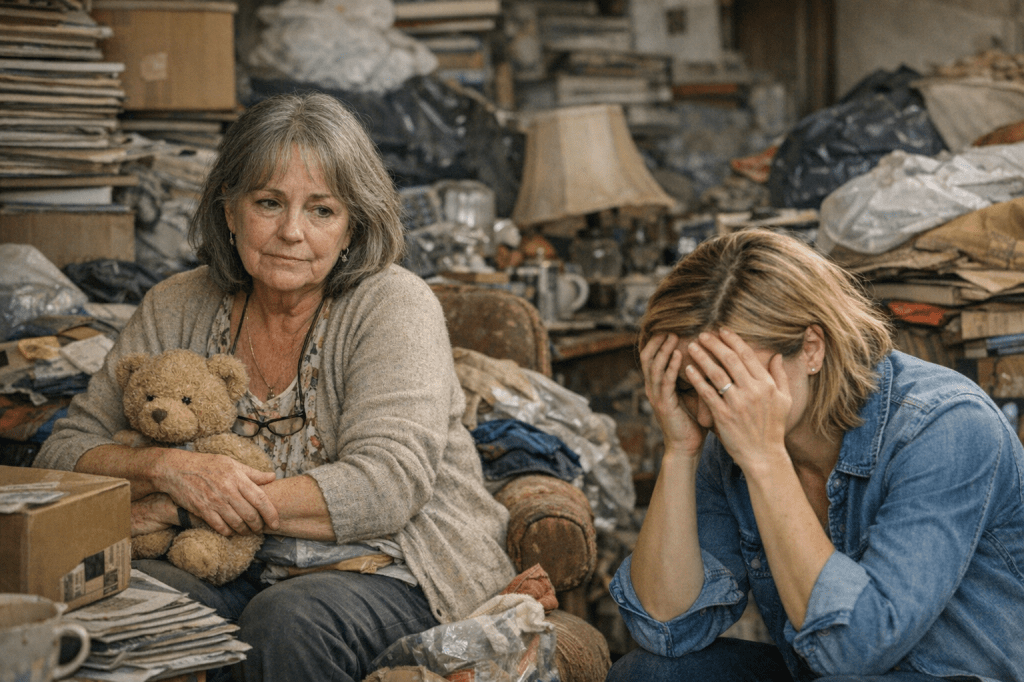
Dear Heidi, I’m living a nightmare. My mother is a hoarder, and I’ve been forced to move in with her after losing my job. My friend says hoarding is an illness. What can I do about it? It’s driving me mad and affecting my mental health.
Vicky, Raleigh Heidi: Nightmare is exactly the word—and yes, your friend is right. Hoarding isn’t just a bad habit or a refusal to tidy up; it’s a recognised mental health condition, often tangled up with anxiety, loss, or trauma. That doesn’t make it any easier to live with, of course—it just explains why a few stern words and a skip outside won’t magically fix it.
Here’s the uncomfortable truth: you cannot solve this for her. You can support, encourage, and gently nudge—but you cannot force change, and trying to will only exhaust you. So before anything else, protect yourself. Claim a space that is yours alone, however small—a room, a corner, even just a desk—and keep it clear. That’s not selfish; it’s survival.
Encourage her to seek help, but do it without judgement. A GP is a good starting point, and there are specialist services that deal specifically with hoarding behaviours. But timing matters—push too hard, and she’ll dig in further.
And you? You need support too. Living in that environment is emotionally draining, and it’s entirely reasonable to say, “This is affecting me.” Whether it’s a friend, a counsellor, or simply time out of the house, find ways to protect your own mental health. You can care about her without sacrificing yourself in the process—and that’s a boundary worth holding.
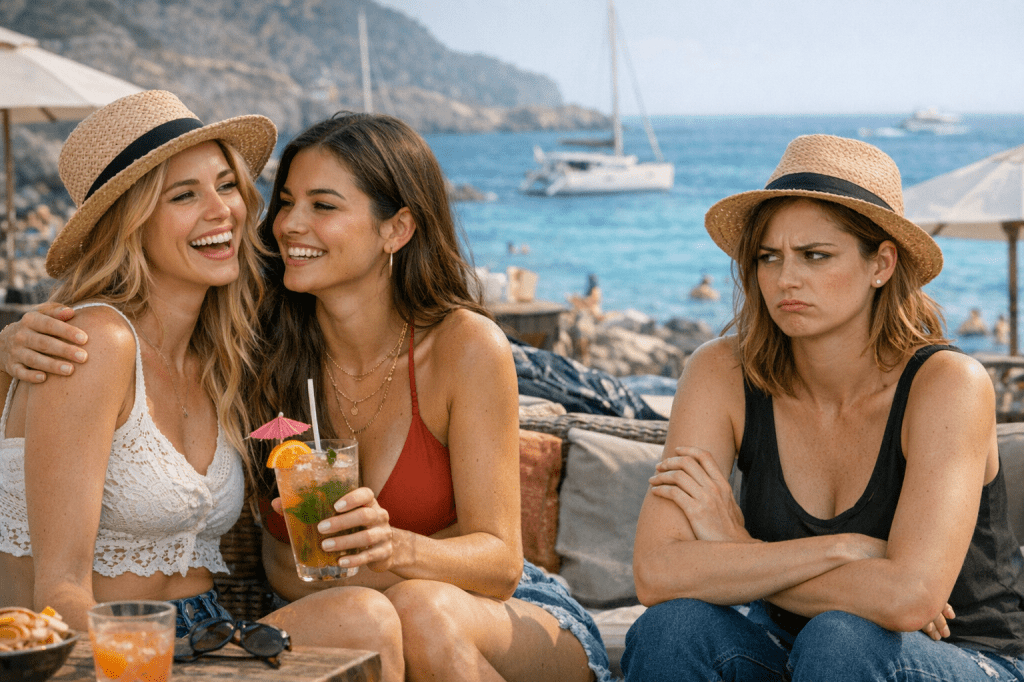
Dear Heidi, My best friend and I are going to Ibiza—we’ve been pals since high school. Out of the blue, one of her friends from the salon she works in is coming too. She didn’t even ask if it was OK; it was more like, “Great news—Danielle’s coming, and she’s got her own room.” I don’t want this. What can I do?
Dawn, Basildon Heidi: Ah, Ibiza—the land of sun, cocktails, and the occasional friendship reality check. Let’s be clear: this wasn’t “great news,” it was a decision made without you, and you’re absolutely entitled to feel put out. Holidays, especially ones rooted in long friendships, come with expectations—and one of those is mutual respect.
Now, before you start mentally reassigning sun loungers, have the conversation. Not a dramatic showdown, just a calm, honest moment. Tell your friend you were really looking forward to it being your time together, and that being told—rather than asked—has knocked you sideways. That’s not being difficult; that’s being honest.
This isn’t about banning Danielle or creating an awkward triangle—it’s about balance. Suggest carving out time that’s just for the two of you, and time when the three of you can all get along. Most situations can be salvaged with a bit of clarity and a dash of compromise.
But here’s the thing: if your feelings are dismissed or brushed aside, don’t ignore that. Ibiza might come and go, but how someone treats you in moments like this tends to stick. Consider it less a holiday hiccup and more a helpful insight.
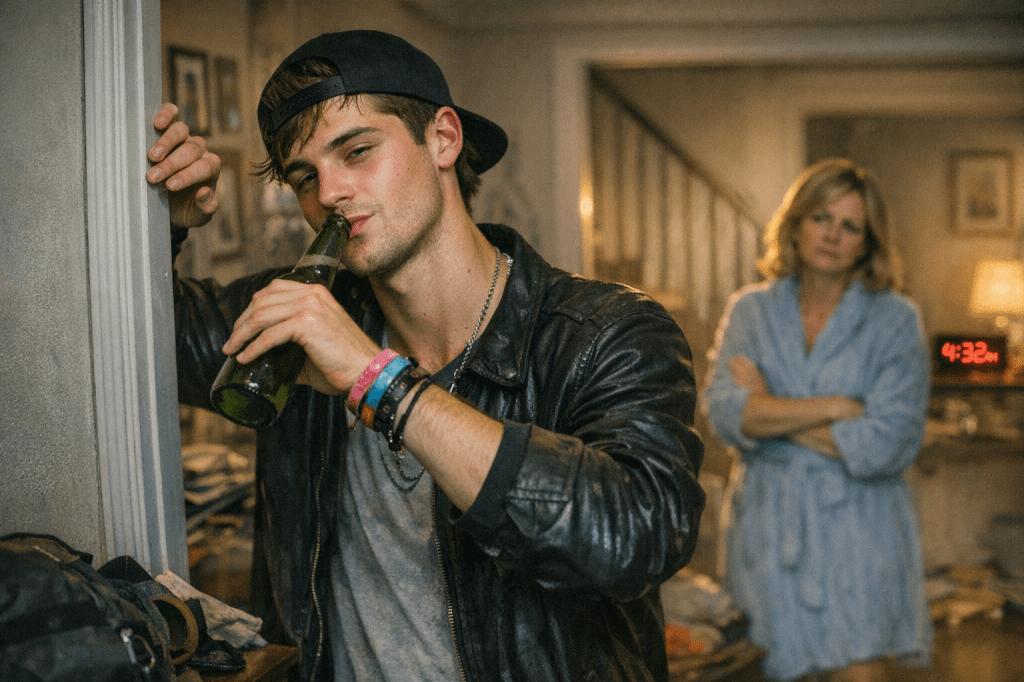
Dear Heidi, I’m in a terrible state. My 18-year-old son goes out at all hours, and I’m almost certain he’s taking drugs. The problem is, he has a job and his grades are good at college. When I tell him it’s not on, he threatens to move out. I don’t know what to do about the drugs—what should I say?
Ann, Uxbridge
Heidi: Welcome to the tightrope of parenting a young adult—where control slips through your fingers just as your worry ramps up. It’s a tricky place to be, because technically he’s an adult, but emotionally—and practically—he still needs guidance.
Charging in with accusations will only push him further away. At 18, independence is currency, and if he feels policed, he’ll spend it elsewhere. So the strategy here is softer, but smarter. Choose a calm moment—no raised voices, no dramatic entrances—and speak from a place of concern. “I’m worried about you” lands very differently from “I know what you’re doing.”
Focus on safety, not morality. The reality is, if there is drug use, the risks are real, and that’s where your concern should sit. Keep the door open, even if the conversation doesn’t go perfectly. Sometimes it’s not about winning the argument—it’s about keeping the connection.
And don’t carry this alone. There are support services for parents dealing with exactly this situation, and seeking advice doesn’t mean you’ve failed—it means you’re taking it seriously. The goal isn’t to control him; it’s to stay close enough to guide him when it matters.
Dear Heidi, My sister has suddenly reappeared in our lives as our mother is dying. Mum hasn’t seen her for five years but has welcomed her back like the prodigal daughter. Now she’s changing her will to include her again. My brother and I are furious—what can we say to them both? Samantha, Bromley
Heidi: Ah, family—the one arena where history, emotion, and timing collide with spectacular force. I can hear the hurt in this, and it’s completely understandable. Someone disappears for years, returns at the eleventh hour, and suddenly the script is rewritten—it’s bound to sting.
But here’s the part you won’t like: it’s your mother’s decision. Her money, her will, her sense of closure. That doesn’t mean your feelings don’t matter—it just means you can’t dictate the outcome.
What you can do is choose how you respond. Marching in with anger will only entrench positions and risk turning a painful situation into an all-out war. Instead, opt for calm honesty. Tell your mother how this has made you feel—hurt, confused, perhaps even overlooked. Keep it about your feelings, not accusations about your sister.
As for your sister, this may not be the moment for a full reckoning of the past. Sometimes, timing matters more than being right. There may be conversations to be had later—but right now, with emotions heightened and time possibly limited, a degree of restraint might serve you better.
You may not get the outcome you want, but you do have control over how you carry yourself through it. And when all is said and done, that dignity will matter far more than winning an argument that can’t truly be won.
Cath Heidi on Gateway Radio with Aston Avery and Steven Smith
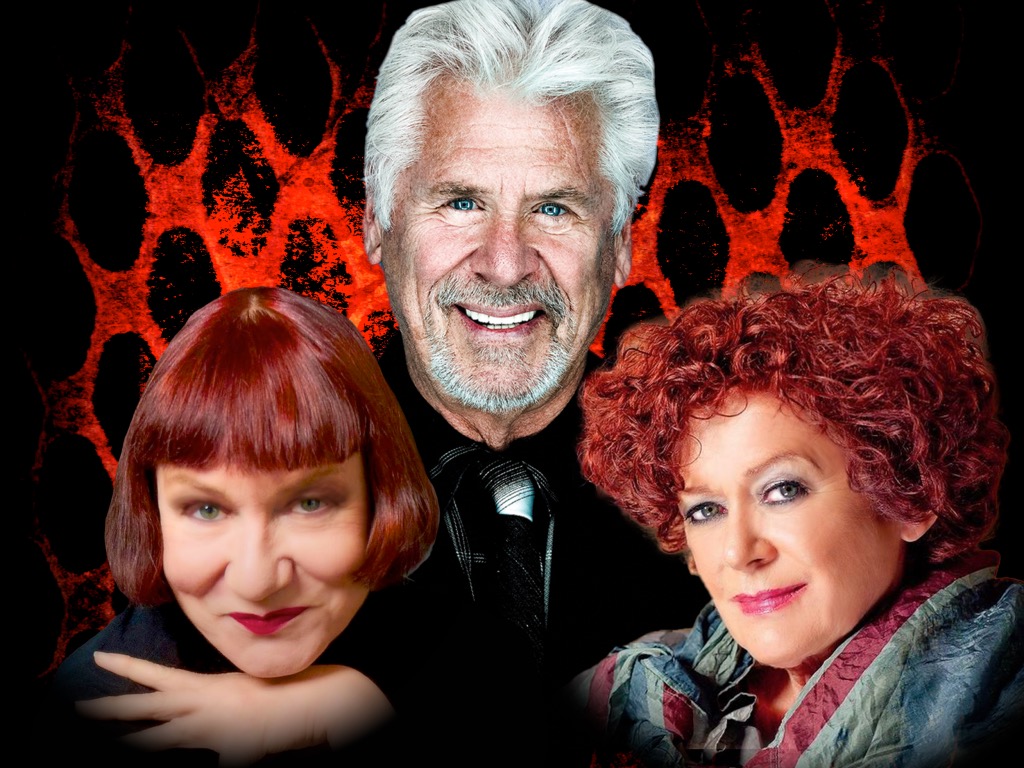
As the 50th anniversary tour of The Rocky Horror Show sets off across the UK, there is only one place to begin—on bended knee to the woman who helped make it immortal: Patricia Quinn.
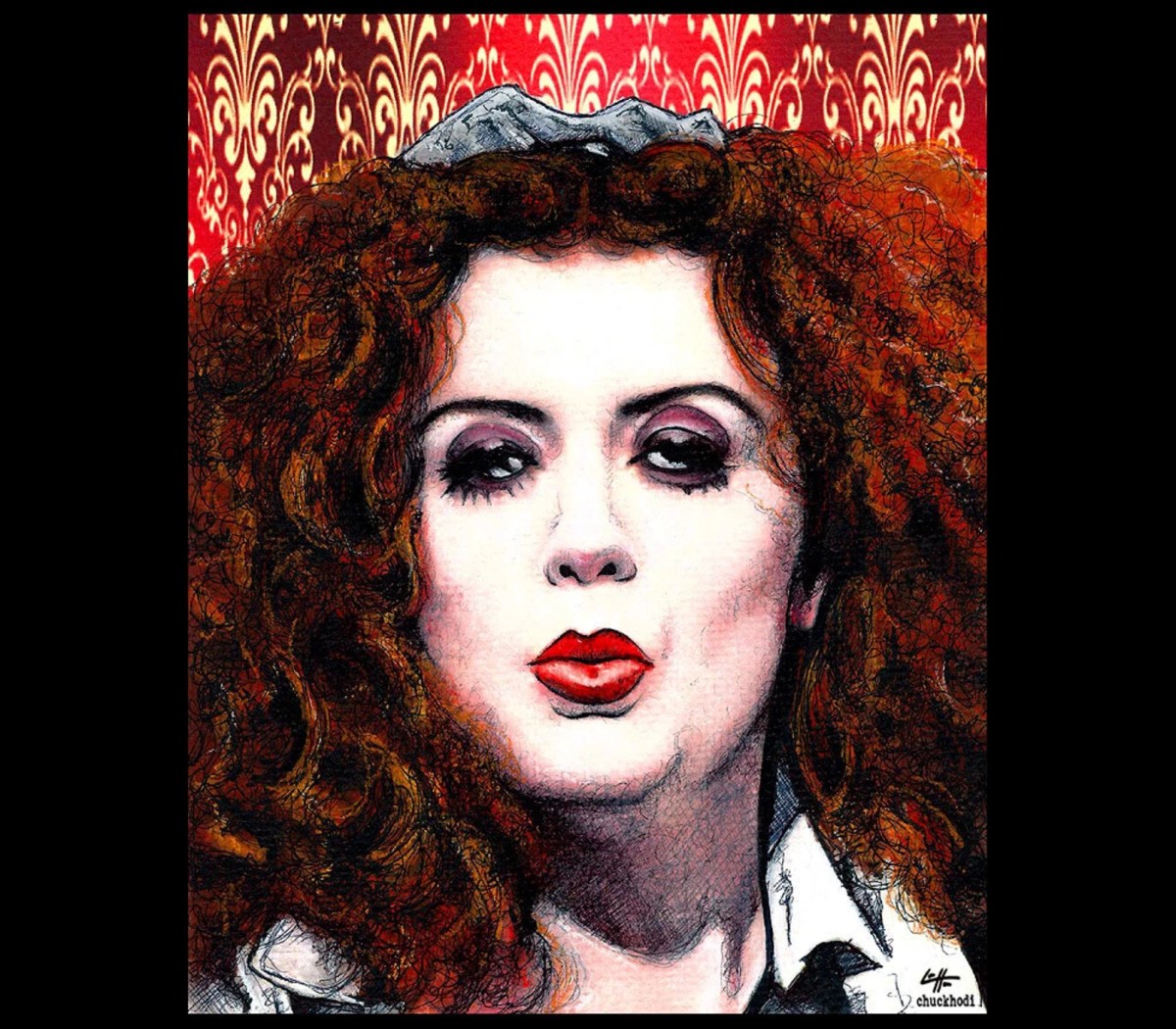
As a teenage boy, among the posters that adorned my bedroom—between David Bowie and Marc Bolan—was Magenta. Wild-eyed, flame-haired, and utterly unforgettable, she wasn’t just a character; she was a calling. The Rocky Horror Showwas the whispered obsession of the Northumberland Experimental Youth Theatre, a badge of honour for those lucky enough to have made the pilgrimage to London.
A year later, I found myself at the National Youth Theatre, and my father—our relationship often complicated—took me to see it on the King’s Road. The theatre is now a cinema, but back then it was a portal into another world. I remember his face vividly: the moment Dr. Frank-N-Furter appeared in suspenders and heels, his jaw dropped. Whatever he had expected, it wasn’t that. And yet, to my surprise, he loved it. It became one of the rare, shining memories we shared—proof that sometimes art bridges even the widest emotional gaps.
That night marked the beginning of a lifelong love affair with both the stage show and its cinematic counterpart, The Rocky Horror Picture Show. Like so many others, I returned again and again, drawn not just by the outrageous spectacle, but by its spirit—its rebellion, its humour, its defiant celebration of individuality.
And then, as life so often does, it delivered one of those surreal, delicious moments. At a showbiz party years later, a familiar voice tapped me on the shoulder: “Darling, do you know where the VIP area is?” I turned—and there she was. Patricia Quinn. Magenta herself.
My dear friend, the ever-fabulous Lester Middlehurst, wasted no time stepping in, guiding her with theatrical authority, and before I quite knew what was happening, we were all heading into the VIP area together. What followed was a night of laughter, stories, and that rare electricity that comes when legends reveal themselves to be wonderfully human.
Now, I have always maintained a personal rule: never meet your idols. Better to preserve the mystique, the enigma. But Patricia Quinn broke that rule beautifully. She was warm, witty, and gloriously unpretentious. Lester, of course, being the consummate showbiz journalist, made it his mission to become her best friend within minutes. And somehow, he succeeded.
We later found ourselves at events together—including Lord of the Dance with Michael Flatley—where Patricia’s presence brought a certain sparkle, a knowing wink to the absurd theatre of it all. She belonged everywhere and nowhere all at once: a true original.
Born in Belfast in 1944, Patricia Quinn’s journey to cult immortality was anything but ordinary. The daughter of a bookmaker, she showed early promise, eventually leaving Northern Ireland at just 17 to pursue her craft in London. Training at Drama Centre London while working as a Playboy Club Bunny in Mayfair, she embodied a kind of gritty determination that would later define her career.
But it was her role as Magenta that etched her into cultural history. In The Rocky Horror Picture Show, her disembodied lips open the film, delivering “Science Fiction/Double Feature” with hypnotic allure—a moment so iconic it has become part of cinematic folklore. Though the vocals were performed by Richard O’Brien, it was Quinn’s presence that made it unforgettable.
Her career, however, extends far beyond Rocky Horror. From I, Claudius to Doctor Who, from Shock Treatment to Rob Zombie’s The Lords of Salem, Quinn has consistently embraced the unconventional. She has never been an actress content to fade into the background; she commands attention, whether in horror, comedy, or cult fantasy.
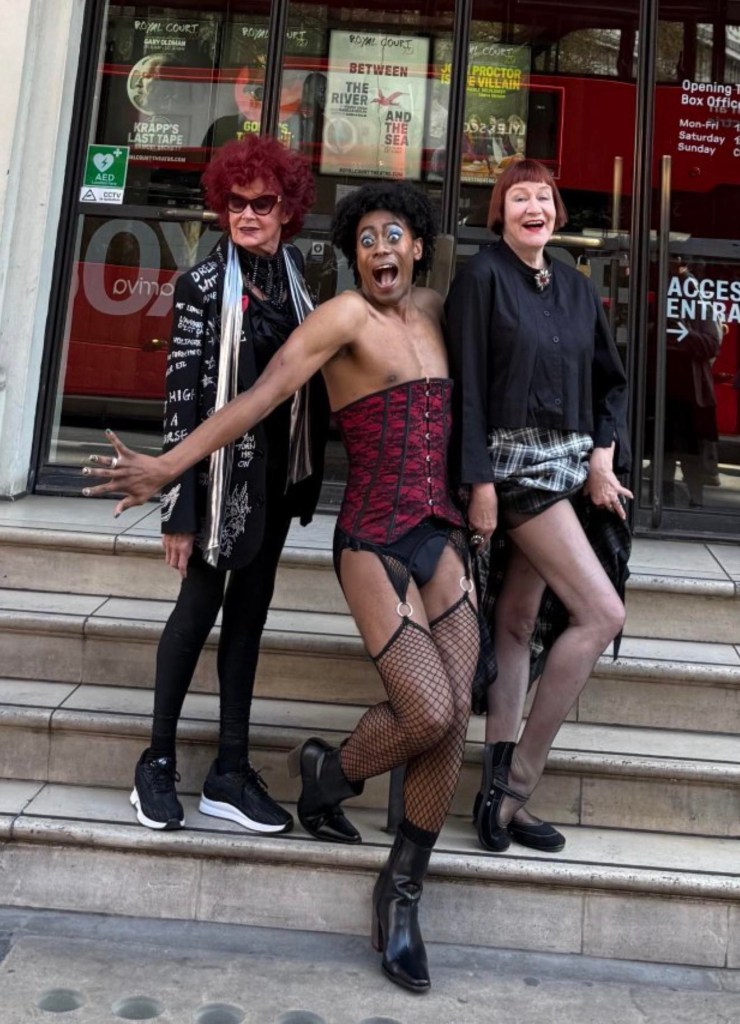
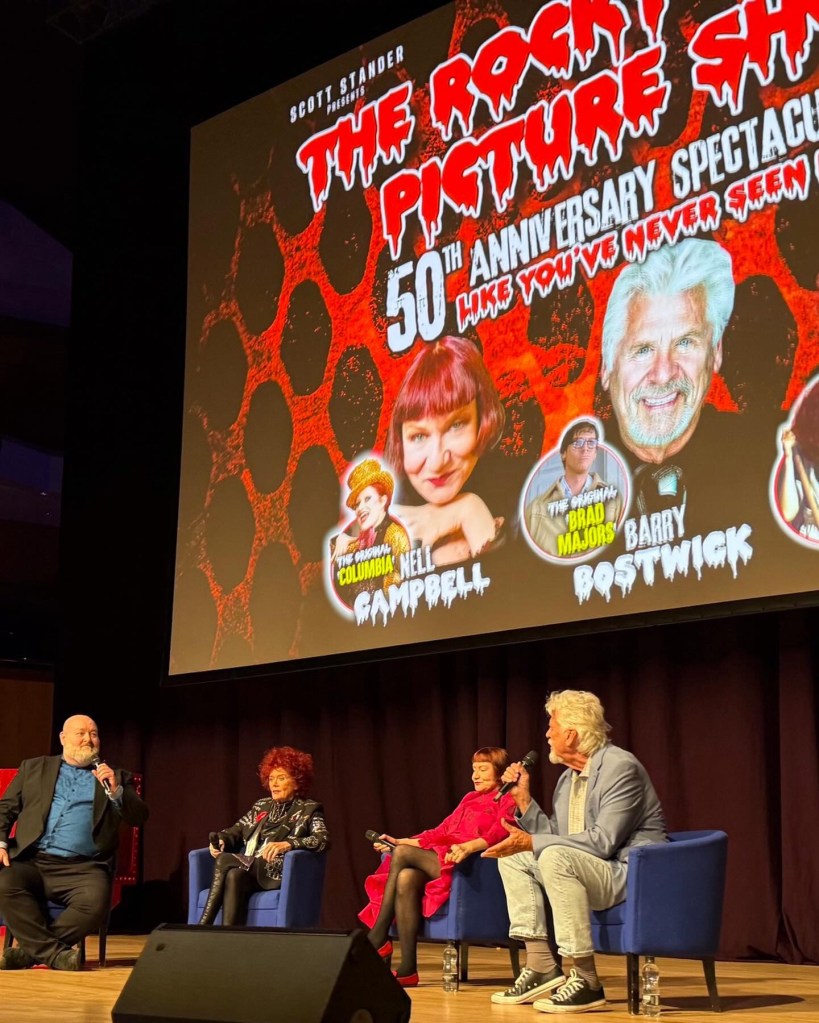
And now, as the 50th anniversary tour takes to the road, the legacy of Rocky Horror is being celebrated in spectacular style. Joined by fellow original cast members including Barry Bostwick and Nell Campbell, Quinn returns to the stage—not just as a performer, but as a living piece of theatrical history.
The tour is no ordinary revival. Featuring a newly restored 4K screening of the film, accompanied by a live shadow cast, audience participation, and costume contests, it captures everything that has kept Rocky Horror alive for half a century. This is not passive viewing—it is a communal ritual, a celebration of difference, a joyful rebellion against conformity.
Quinn herself reflects on the journey with characteristic charm: recalling her first audition at the tiny Royal Court Theatre Upstairs, she laughs that her agent described it as “something to do with a circus.” He wasn’t wrong. Fifty years later, she is still part of that circus—one that has grown into a global phenomenon.
What makes Rocky Horror endure is not just its shock value, but its heart. It gave permission—long before it was fashionable—to be different, to be bold, to be unapologetically oneself. And at the centre of that message stands Patricia Quinn, a woman who brought wit, intelligence, and a sly subversion to a role that could easily have been one-dimensional.
For those of us who grew up under her spell, she is more than Magenta. She is a symbol of a moment when theatre broke free from its constraints and dared to be outrageous, inclusive, and gloriously alive.
So yes, all hail Lady Patricia Quinn.
Fifty years on, the lips still beckon, the fishnets still shimmer, and the invitation remains the same:
The Assembly: Kieron Lee Brings the Room to Tears in a Moment of Pure Television Gold
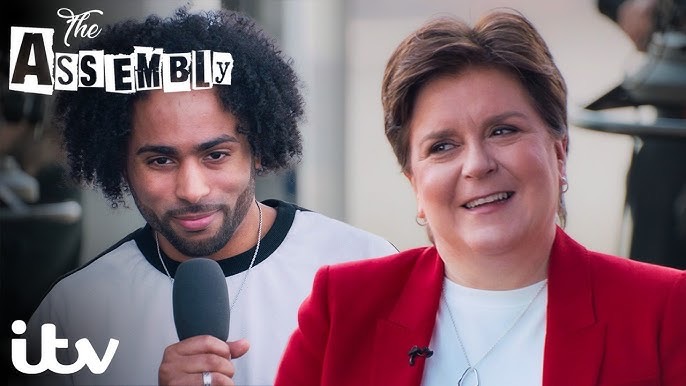
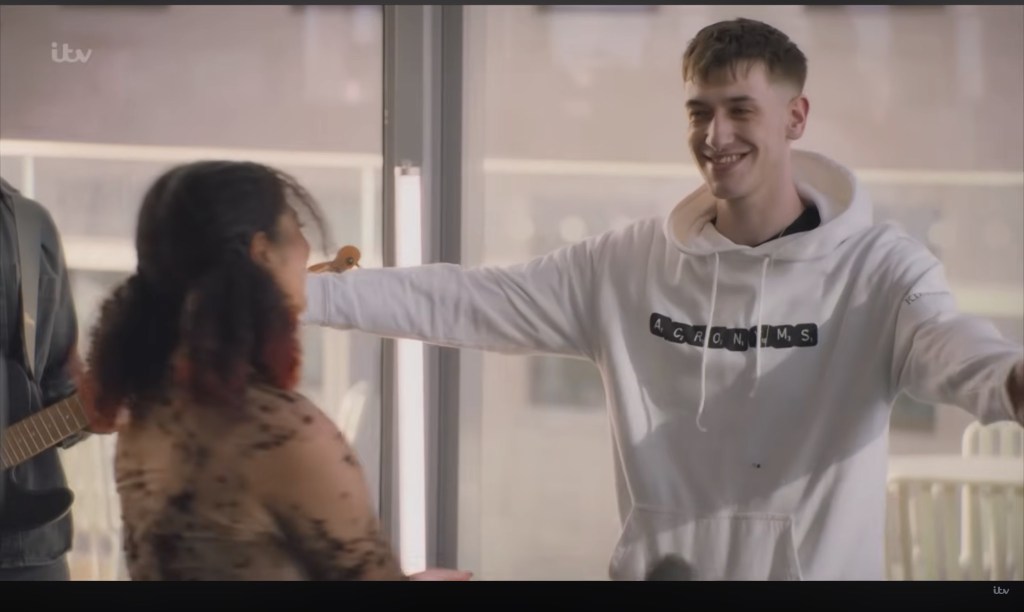
The Assembly has built a reputation for doing something television rarely dares to attempt—stripping away the polish, the PR filters, and the rehearsed answers to reveal something altogether more human. In last week’s episode, aired on 10 April, that raw authenticity reached a powerful crescendo, thanks to Anna Kennedy Online ambassador Kieron Lee, whose emotional performance for Nicola Sturgeon left not only the former First Minister visibly moved, but much of the audience in tears.
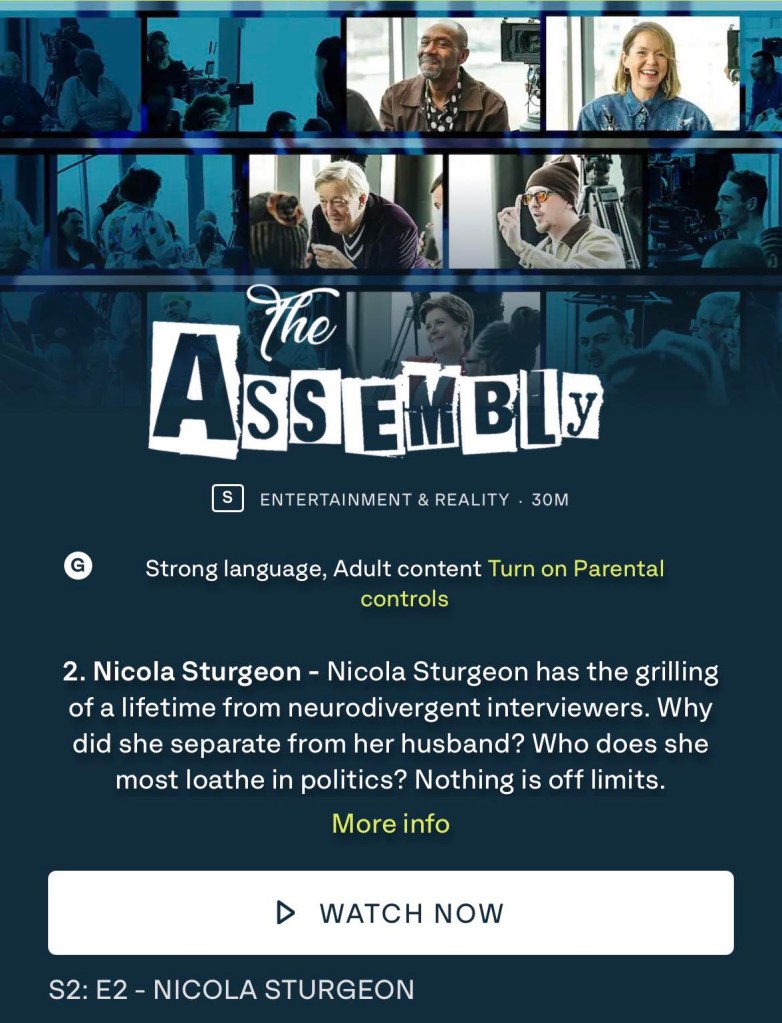
Anna Kennedy Online charity ambassador Mr. Kieron Lee makes a memorable debut in Episode 2 of ITV’s powerful and thought-provoking series, featuring Nicola Sturgeon. Over the past few months, he has been filming for The Assembly, stepping into a format that is as challenging as it is rewarding. The episode is available now on ITVX, or viewers can tune in on ITV, where it sits comfortably alongside some of the channel’s biggest primetime programming.
For those familiar with Kieron Lee, this moment will come as no surprise. An EDM/R&B producer and artist with a gift for blending vulnerability with musical precision, Kieron has long had the ability to stop a room in its tracks. I first witnessed that magic myself during Autism’s Got Talent, where his performance carried the same emotional weight—quietly building, then landing with a resonance that lingers long after the final note.
Kieron’s journey with Anna Kennedy Online dates back to 2016, when he contributed his track Letting Go to the charity’s debut album Building Bridges. Since then, his career has steadily grown, with his debut album Acronyms reaching listeners in over 100 countries on Spotify. Importantly, his work continues to give back, with each project donating a portion of proceeds to the charity—a reflection of both his talent and his integrity.
But The Assembly is not a typical stage, and this was not a typical performance.
The ITV series turns the traditional interview format on its head. In this episode, Nicola Sturgeon is interviewed by a panel of autistic and learning-disabled contributors who ask honest, fearless, and uncompromising questions. The discussion moves seamlessly between the personal and the political—covering everything from her separation from her husband to her least favourite politicians, her arrest, and even her love life. Nothing is off-limits, and that is precisely what gives the programme its edge.
Kieron Lee was not simply there to observe. He was part of that panel—an active voice shaping the tone of the conversation. Reflecting on the experience, he described it as “surreal” and something he will treasure for the rest of his life. It also marked a significant personal milestone: his first time travelling to London alone, stepping far outside his comfort zone and into a completely new environment.
Then came the moment that would define the episode.
Closing the programme, Kieron delivered a moving duet of Dignity by Deacon Blue. It was a choice that felt both poignant and perfectly pitched—its themes of aspiration and quiet resilience echoing the spirit of the show itself.
Kieron Lee always a standing ovation.
“Performing for Nicola Sturgeon was an honour,” he said. “Her warmth and genuineness were so admirable.”
What makes this moment even more remarkable is what viewers did not see. Kieron had been incredibly unwell in the hours leading up to filming. “I was sick twice before going on,” he revealed, “and when I got home, I was bedridden all week with a terrible flu.” Yet despite this, he stepped forward and delivered a performance that resonated deeply with everyone in the room.
There was no artifice—just honesty, courage, and talent.
As the final notes faded, Nicola Sturgeon was visibly emotional, and she was not alone. Across the room, there was a shared sense that something special had taken place. It was one of those rare television moments that cannot be manufactured—only felt.
For Kieron, the experience was about more than performance. “Being part of a project that gives a voice to people who often feel unheard is something I strive to do in other areas of my life through music,” he said. “To see that come to life on mainstream television has been truly life-changing.”
He also paid tribute to the production team behind the series, describing The Assembly as “an exceptional piece of television, with a beautiful cast,” and expressing his gratitude for being invited to take part in its second series.
This is precisely why programmes like The Assembly matter. In an era of over-produced content, it offers something refreshingly real—championing neurodiverse voices, creating unscripted moments, and breaking down barriers between public figures and the public.
Kieron Lee’s appearance embodies all of that. He was not there to perform for someone in the traditional sense—he was there as an equal, a voice, a presence. And yet, when the moment called for it, he delivered something unforgettable.
At Anna Kennedy Online, there is immense pride in all that Kieron continues to achieve. His journey is not only inspiring but deeply meaningful, reflecting the very ethos of the charity.
And the story does not end here.
Kieron is set to perform at the Autism Hero Awards on 9 May 2026—an event that continues to celebrate extraordinary individuals within the autism community. If his appearance on The Assembly is anything to go by, it will be a performance not to be missed.
The episode is available now on ITVX and across digital platforms.
Just be prepared—this is television that doesn’t just entertain. It moves you.