This December, Morley Opera School invites audiences to an evening of passion, wit, and reflection with Opera Scenes: CONSEQUENCES, a vivid exploration of human choices and their inevitable aftermath. Under the expert direction of William Kerley and musical direction by Panaretos Kyriatzidis, this production offers a captivating journey through some of opera’s most powerful and emotionally charged moments. With Nicholas Bosworth at the piano and Conor Costelloe crafting evocative lighting design, the performance promises to be both musically and visually enthralling.
The program brings together a diverse range of works, from the Classical elegance of Gluck and Mozart to the modern intensity of Britten and Poulenc. Each scene has been carefully chosen to highlight the theme of consequences—how human decisions, driven by love, pride, fear, or faith, shape the fates of individuals and societies alike.
The evening opens with Gluck’s Paride ed Elena, a lyrical portrayal of the mythic lovers whose choices ignite the Trojan War. Through Gluck’s graceful yet emotionally charged score, the audience witnesses how desire can lead to destiny’s most devastating turns. The theme of secrecy and consequence continues in Domenico Cimarosa’s Il Matrimonio Segreto(The Secret Marriage), where comic misunderstandings and clandestine vows lead to both hilarity and heartbreak. Cimarosa’s sparkling ensemble writing and elegant wit remind us that even the most humorous situations often conceal real emotional stakes.
From there, the performance moves to Mozart’s Idomeneo, a masterwork of the Classical era that delves into the tension between duty and compassion. When the Cretan king must sacrifice his own son to appease the gods, Mozart’s music swells with moral anguish and divine intervention—a striking depiction of how promises made in desperation can lead to unbearable consequences.
The evening then shifts to the haunting world of Benjamin Britten’s The Rape of Lucretia, a twentieth-century chamber opera that reimagines an ancient Roman tragedy. Britten’s sparse, evocative score and stark moral commentary confront audiences with questions of innocence, violation, and redemption. It is one of the evening’s most profound explorations of consequence—where an individual act of violence reverberates through history.
Finally, the performance concludes with scenes from Francis Poulenc’s Les Dialogues des Carmélites, a deeply moving account of faith, fear, and courage during the French Revolution. In this extraordinary work, a community of nuns faces execution for their beliefs, and each character must decide how to confront mortality with dignity. Poulenc’s luminous harmonies and spiritual depth offer a fitting conclusion to a night that examines the human condition in all its complexity.
Opera Scenes: CONSEQUENCES is more than a showcase of operatic talent—it is a reflection on the moral and emotional choices that define us. Presented by the students of Morley Opera School, it demonstrates the artistry, discipline, and dramatic insight cultivated within this renowned institution. Among its talented performers is Jadwiga, a classically trained singer and music graduate who offers private singing lessons in classical, opera, and musical theatre styles https://www.morleycollege.ac.uk/event/morley-opera-school-presents-opera-scenes-consequences/
Performances take place on Thursday, December 11 at 7:30 PM, Friday, December 12 at 7:30 PM, and Saturday, December 13 at 2:00 PM at the Johnny Harris Theatre Studio, Morley College London, 61 Westminster Bridge Road, SE1 7HT. Tickets are priced at £10.00 (plus booking fee £11.55 online).
An evening of beauty, reflection, and emotional truth, Opera Scenes: CONSEQUENCES is an essential event for opera lovers and newcomers alike—a reminder that every choice, whether divine or human, carries its echo.
By Guest Writer Manchester based award winning artist and my friend Loveartpix.
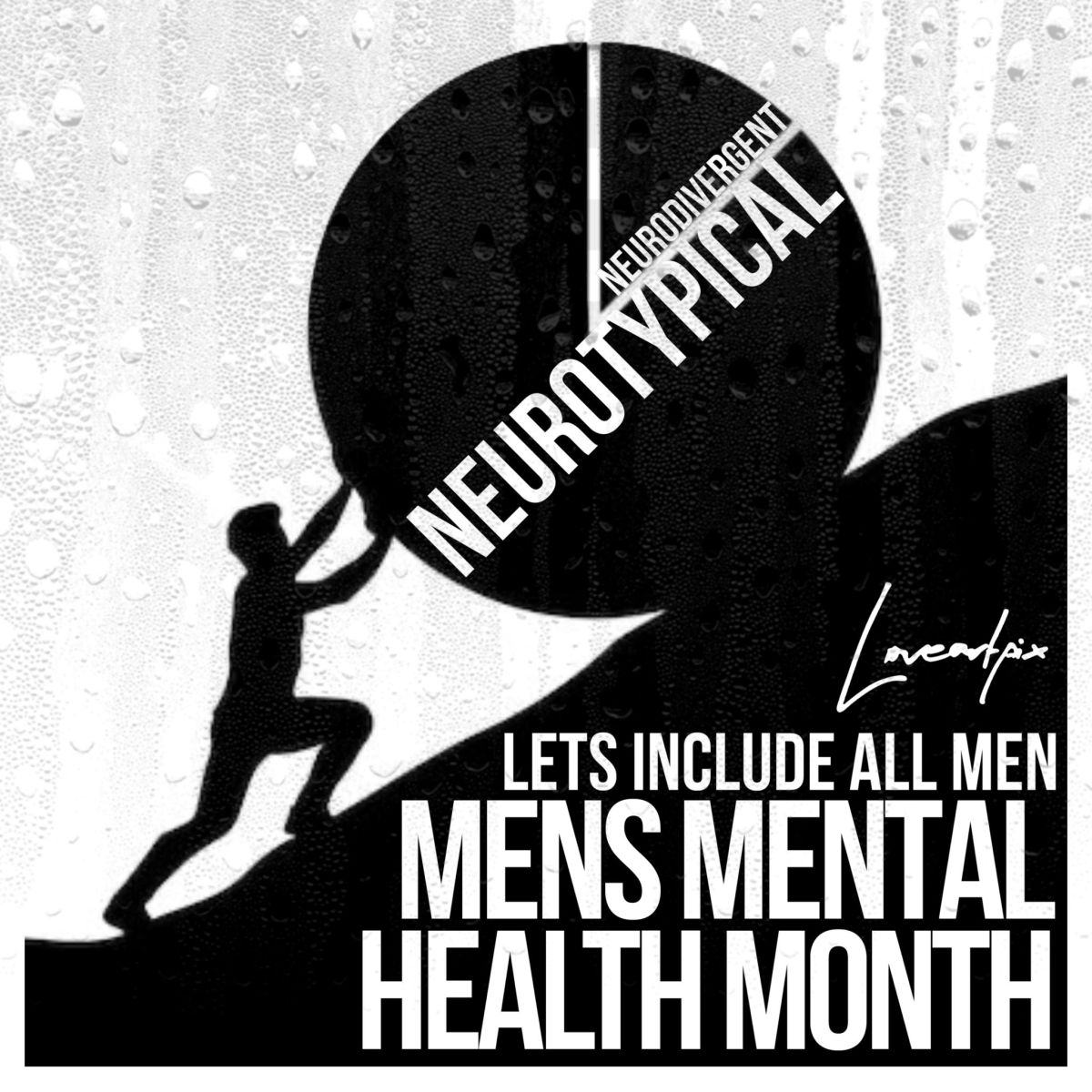
November is Men’s Mental Health Month, and as usual, I want to move beyond the usual catchphrases like ‘Talking Helps‘ as it’s far more complex than that. The question I keep returning to (because it’s personal) is this: does our generic, neurotypical framing of “men’s mental health “leave too many men like me behind?
Campaigns, days, and months do matter – they reduce stigma by getting the much needed conversations going and remind us to check in on friends. But what is their impact if suicide rates are still just as high, and some of the men at greatest risk (neurodivergent men) are largely left out of the conversation?
We rarely say this plainly: autistic people face a much higher risk of suicide than non‑autistic people. A large Swedish population study found that autistic adults, especially those without intellectual disability, were around nine times more likely to die by suicide than their non‑autistic peers (Hirvikoski et al., 2016).
Autistic adults without intellectual disabilities are, on average, more likely than non‑autistic peers to experience mental health conditions such as anxiety and depression. Factors that contribute include chronic camouflaging/masking, sensory overload, social mismatch and stigma, late or missed diagnosis, and barriers to tailored support.
In clinical samples, the picture is even starker: two‑thirds of autistic adults report lifetime suicidal ideation, and about one‑third report suicide plans or attempts (Cassidy et al., 2014). If the risk is this high, why isn’t this part of the headline of our November conversations?
And what about the many who are undiagnosed – men whose autistic traits are missed or misread due to lack of awareness? How many die by suicide after years of the wrong treatment, the wrong framework, or a string of mental‑health labels that never addressed neurodivergent needs in the first place? We don’t track this well enough to know – this, for me, is very worrying.
I’m not speaking in theory. For more than two decades, I repeated the same words over and over, and the responses I received didn’t fit their box – so it was a continuous battle creating more mental health issues.
“Look Dez, you’ve taken every combination of medication we can offer you. What else do you want us to do?” – words you don’t want to hear from the psychiatrist in charge of your mental health and well being!
Even after my diagnosis, I’m basically begging for support in any way possible, but they still don’t have an answer. Right now, no services are willing to accept my case. That isn’t a lack of “talking.”It’s a system that doesn’t understand or accommodate neurodivergent needs.
“Talk to someone.” “Pick up the phone.” “Open up.” These messages are well‑meant—and sometimes they help. But they assume a neurotypical nervous system. When distress is driven by sensory overload, alexithymia (difficulty identifying and describing feelings), shutdown, or the aftermath of masking, being asked to “speak up” on a phone call, or in fluorescent‑lit rooms, with vague questions, can be not only ineffective but also actively dysregulating and even traumatic.
Personally, I often communicate better in text when I go into meltdown (and after), I need time to process, and rely on concrete, direct language and clear communication. Standard CBT delivered at a pace, full of metaphors and homework that assumes neurotypical cognition, doesn’t work unless it’s really adapted. Yet adapted therapy is patchy across the UK, and post‑diagnostic support for adults remains weak at best – if it exists at all! I’ve learned this the hard way: I’ve been “talking” for years. What’s missing isn’t the willingness to speak – it’s services that listen but don’t know how to respond to neurodivergent communication without pathologising it.
Diagnostic waiting lists have exploded. There are now well over one hundred thousand people in England awaiting autism assessments, with many waiting far longer than the 13‑week standard – often 12–24 months or more. Adult ADHD pathways are similarly overloaded. Late diagnosis isn’t just an administrative delay; it can mean decades of inappropriate treatment plans, missed adjustments at school and work, and a build‑up of trauma from being told to “try harder” in systems not built for your brain. Each missed or delayed diagnosis is a missed opportunity for prevention – especially when we know suicidality is elevated in autistic populations.
89% of autistic adults in the UK aged 40-59 are undiagnosed – Kings College London (2025)
This is why the generic approach to “men’s mental health” feels inadequate to me. Awareness months aren’t wrong – they are just incomplete. We can’t keep telling men to “open up” while offering only neurotypical doorways.
Here’s a truth I wish we’d say out loud: it’s a huge barrier when men are already “talking,” but the system still can’t understand what they’re saying. I’ve used the same words for more than twenty years. The approaches offered back haven’t matched my needs – and I am not a unique case! Even after my diagnosis, when I articulate my needs clearly, services have no adapted pathway, no training, or no remit that fits. At this moment, I’m not being accepted by any service. That isn’t impartial; it’s exclusion by design.
Neurodiversity, complex trauma, and racialised stress each demand deep, specific knowledge. Very few clinicians are experts across all three. That’s not a criticism of individuals; it’s a system‑design problem. Our pathways remain separated: autism/adhd/dyslexia over here, trauma/cptsd over there, “men’s mental health” somewhere in a campaign toolkit. Meanwhile, men sit on waiting lists, collecting labels, and learn to mask harder. Many still struggle to speak openly – especially when their experiences don’t match neat, neurotypical scripts of sadness, worry, and recovery.
Campaigns must reflect the facts: men are not all the same, and neither are their minds – neurotypical and neurodivergent.Put neurodivergent men on the list and on the panels. Highlight that autistic burnout is not laziness; that ADHD‑related rejection sensitivity can look like despair; that shutdowns and meltdowns are not misbehaviour. And tell men this clearly: if standard tools haven’t worked, maybe it’s the tool and not you!
And let’s make the suicide data visible, not buried in academic journals. If autistic men face a dramatically higher risk, surely that belongs on the first slide, the first poster, and the first funding line?
We should admit where the evidence base is thin and choose humility. Research is (hopefully) accelerating, but we’re years from fully understanding these intersections. Until then, ‘specialists’ need to listen more to lived experience – with an open mind, and not through the generalised, stereotypical lens that turns nuance into “non‑compliance.” Ask what helps. Believe the answers. Adapt!
None of this diminishes the value of awareness months; it actually refocuses them. If we want November’s messages to be more than posters and hashtags, we have to build services that fit all men, not the imaginary neurotypical everyman. The stakes are life and death. A system designed around the most complex needs will serve everyone better.
‘I have personally reached out to some well-known men’s mental health services and asked how they handle neurodivergent individuals, and I have been met with half-hearted replies and almost snubbed to my face’ – an all too common response in my experience.
Acceptance has been central to how I navigate life now – there isn’t any help out there at the moment, as the research simply isn’t there. Acceptance hasn’t removed the struggle, but it has reframed it for me. I have been ‘speaking up’ for years. I don’t need another generic neurotypical catchphrase. I need services that recognise what I’m saying – and are ready and able to respond with understanding, compassion and a willingness to make reasonable adjustments.
Sources for the statistics mentioned:
– Hirvikoski, T. et al. (2016). Premature mortality in autism spectrum disorder. A population‑based study in Sweden. Findings include markedly elevated suicide mortality, especially among autistic adults without intellectual disability.
– Cassidy, S. et al. (2014). Suicidal ideation and suicide plans or attempts in adults with Asperger’s syndrome attending a specialist clinic. Reports 66% lifetime suicidal ideation and 35% plans/attempts.
Are you passionate about creativity, positivity, and representation? Would you like to be part of an uplifting magazine that celebrates diversity and individuality? Then this could be the opportunity for you.
I’m Steven Smith, Editor of 2Shades Magazine — a vibrant, happy LGBTQ+ publication where everyone is welcome. 2Shades is about joy, self-expression, and living life in full colour. We share stories that inspire, entertain, and connect people from every shade of the spectrum.
At the moment, the magazine is run independently and with heart. It doesn’t yet generate profit, and I’m not taking a salary for my writing or editorial work. But what we do have is potential, readership, and passion — a growing audience who believe in what 2Shades stands for: positivity, equality, and creative freedom.
Now, with my current partner stepping down who we loved and can not thank enough , The incredible Adishia chengappa,is going into full time eduction . I’m looking for a new collaborator or investor to join me on this journey.
🌈 Why Join 2Shades?
Be part of something meaningful. 2Shades isn’t just a magazine — it’s a community celebrating LGBTQ+ life, art, culture, and individuality.
Low entry, high potential. For £1,000, you can buy into the magazine and become my creative and business partner.
Help shape the next chapter. From editorial direction and digital strategy to sponsorship, advertising, and partnerships — your ideas will directly influence how we grow.
Your voice matters. Whether you’re a writer, marketer, designer, PR professional, or creative entrepreneur, this is a rare chance to make a real impact.
Build towards profit together. As the magazine grows through advertising, sponsorships, collaborations, and events, so does your stake and reward.
🌟 What I’m Looking For
Someone who believes in the message of inclusion and positivity — LGBTQ+ and allies alike.
Someone excited by independent media and the creative world.
A person who’s proactive, imaginative, and ready to build something with heart.
Ideally someone who can bring either creative skills, marketing ideas, or business insight — but most importantly, enthusiasm.
💬 Next Steps
If this sounds like you, let’s talk. I’ll share more about our readership, digital presence, plans for the year ahead, and how we can shape this partnership together.
Your £1,000 investment secures you a share in 2Shades, a say in editorial direction, and the chance to be part of something growing, inclusive, and joyfully unique.
Let’s make 2Shades not just a magazine — but a movement that celebrates difference and spreads happiness.
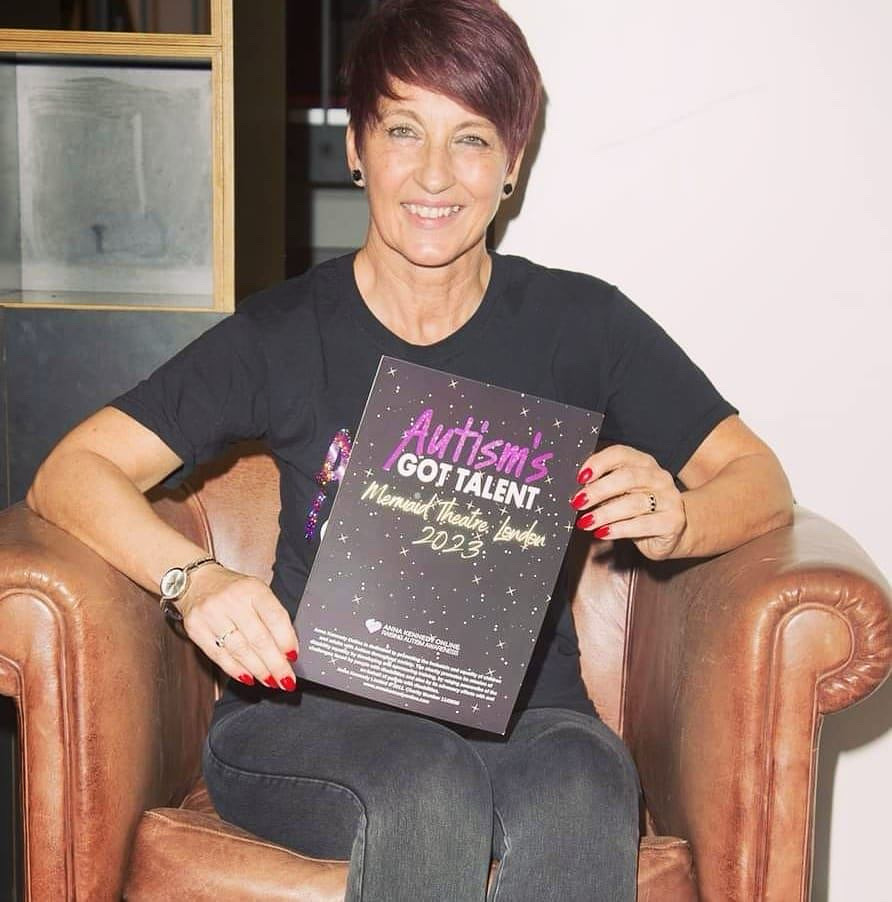
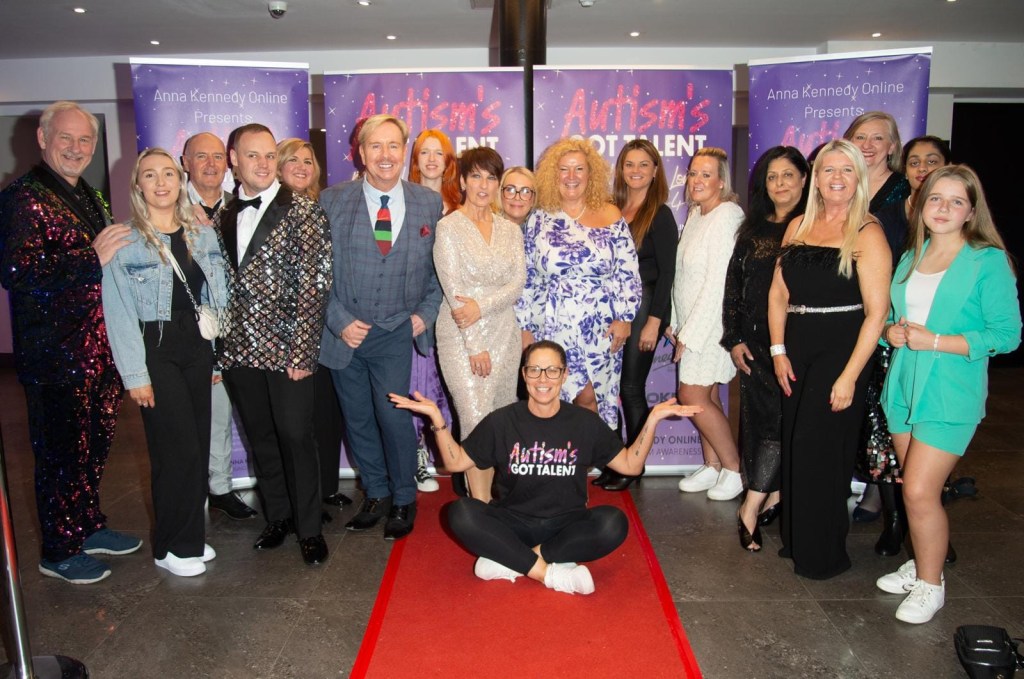
On Saturday the 11 October, the spotlight shines on extraordinary talent as Autism’s Got Talent takes centre stage at the Mermaid Theatre in London. Organised by the award-winning charity Anna Kennedy Online, this uplifting and inclusive event brings together over 24 performers from around the world, including the United States, for an evening that promises inspiration, celebration, and unforgettable entertainment.
With doors opening at 6:00 PM and the show starting at 7:00 PM, this year’s event is set to be one of the biggest yet — showcasing not only incredible talent but also the power of inclusion and acceptance.
Dr Anna Kennedy OBE
A Stage That Changes Lives
Unlike traditional talent shows, Autism’s Got Talent isn’t about competition — it’s about celebration. It provides a rare and empowering platform for performers who are autistic or neurodivergent, allowing them to share their unique voices, stories, and creative gifts.
Founded by autism ambassador and campaigner Anna Kennedy OBE, the event was born out of a desire to challenge stereotypes, raise awareness, and offer meaningful opportunities for those often overlooked in mainstream media and entertainment.
“This is not just a show — it’s a movement,” says Anna Kennedy. “Autism’s Got Talent is about breaking down barriers and giving people a chance to shine. Every performer brings something special to the stage, and the audience leaves inspired and moved.”
From singers and dancers to poets, musicians, magicians and comedians, the show highlights the diverse range of talentwithin the autism community. Many of the performers have never had the chance to appear on a professional stage before — making the experience deeply personal and empowering.
Award winning presenter Aston Avery
Star-Studded Presenters & World-Class Venue
Hosting this year’s spectacular event are award wining Gateway DJ, Aston Avery, and youth theatre organiser PhilBarnett , a dynamic trio known for their charisma, warmth, and dedication to the autism community. Their presence helps create a relaxed, friendly atmosphere where performers feel supported and celebrated.
The iconic Mermaid Theatre — a central London venue known for its stunning acoustics and accessibility — is the perfect backdrop for the evening. Its state-of-the-art stage and welcoming environment make it ideal for a show of this scale and heart. Visit: www.the-mermaid.co.uk
What to Expect
With over two dozen acts from across the UK, Europe, and America, audiences can expect an exciting mix of performances filled with energy, passion, and originality. No two acts are alike, and every moment of the show is infused with authenticity and emotion.
The audience is encouraged to cheer, clap, and support every performer — creating an atmosphere of celebration rather than judgment. The focus is on ability, creativity, and joy.
Whether it’s a powerful vocal performance, an emotional poem, a jaw-dropping dance routine, or a surprise act that defies genre, every artist takes the stage with courage and pride.
Anna Kennedy and her dedicated team behind Anna Kennedy on line
More Than Just a Show
Proceeds from the event go directly to Anna Kennedy Online, a UK charity that provides vital support, resources, and advocacy for individuals and families diagnosed by autism. The charity works year-round to raise awareness, run workshops, support networks, and create opportunities like Autism’s Got Talent.
“This event shows what’s possible when we give people the space and support to thrive,” says Anna Kennedy. “It’s about changing perceptions, building confidence, and proving that being different is something to be celebrated.”
In a world where neurodiverse individuals often face barriers to expression, Autism’s Got Talent offers something truly special: a night where every voice matters, every performance is met with applause, and talent is judged not by convention — but by heart.
Whether you’re a long-time supporter of the autism community or simply looking for an evening of uplifting entertainment, this is one event you won’t want to miss.
In particular, Anna Kennedy on Line would like to thank their sponsors Mermaid Theatre, The Harley Street Skin Clinic, Orange Orchid, Talem Law, SEND Tutoring, and SEN Tutoring for their invaluable support. Without you, we simply could not continue to do what we do.
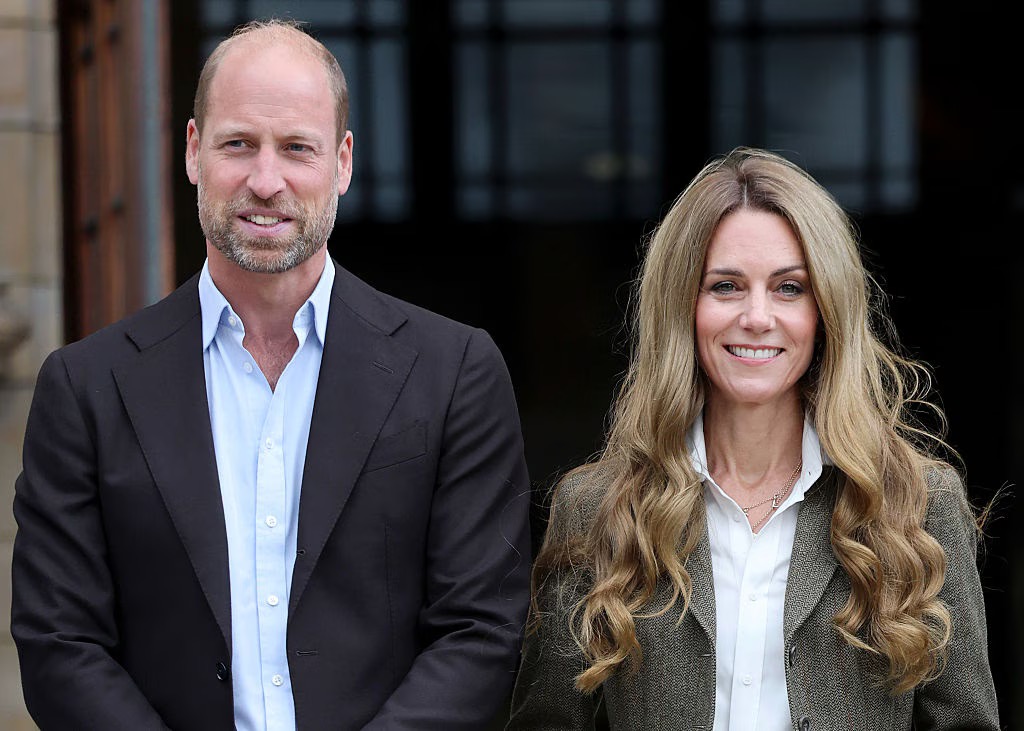
Let’s be honest: a woman’s hair is her crown and glory. It’s part of her identity, her confidence, her style. And when it comes to royalty, that crown is both literal and symbolic. Princess Catherine—Kate, as we fondly call her—always manages to look spectacular. She carries herself with elegance and dignity, and despite facing health struggles, she continues to shine as my favourite member of the Royal Family.
So why, then, does the we feel the need to dissect every strand on her head? Recently, Kate decided to lighten her hair a touch. Not platinum, not peroxide blonde—just a soft, subtle lift. Hardly headline material, yet suddenly it’s splashed across the front pages. Is this really news?
I say this as someone who spent years as a celebrity hairdresser: hair is deeply personal. It’s not just style, it’s self-expression, sometimes even reinvention. I actually admire Kate for trying something new under the relentless glare of the cameras. Personally, I think she suits brunette best—but that’s beside the point. The point is, it’s her hair, her choice, and she looks radiant either way.
But what left me utterly flabbergasted was what happened next. A few days later, she attended a women’s rugby match with her hair pulled back in a ponytail—practical, appropriate, perfectly normal. And would you believe it? That too became a headline. A ponytail! Honestly, are we that short of news?
It makes me wonder about our priorities. Wars are raging, the cost of living is biting, families are struggling—and yet we’re fixated on whether a princess wears her hair up or down. Surely, we can do better.
Here’s what really matters: Kate represents grace, resilience, and positivity at a time when good news is hard to come by. She continues to serve, smile, and inspire, even while facing challenges of her own. She is a mother, a wife, a public figure, and a future queen—and she handles it all with poise. That deserves admiration, not nit-picking.
So, my view is simple. Leave Kate’s hair alone. Celebrate the woman, not the ponytail. Applaud her courage, her elegance, her humanity. Hair grows; styles change—but the strength of character she shows every day? That’s what truly deserves the front page.
Why Do So Many Smart Women Fall Under the Spell of Con Men?
It’s not about weakness—it’s about hope, empathy, and the universal desire to be loved.
Before we begin, let’s be clear: this isn’t unique to women. Men, too, can fall victim to manipulation, deceit, and what we might call a “love con.” Yet it remains striking how often we see bright, accomplished women—lawyers, doctors, business leaders, and artists—caught in the webs spun by controlling, Svengali-type men.
This was brought home to me recently while watching Love Con: Revenge on Netflix. The series exposes the astonishing ways charismatic fraudsters charm their way into people’s lives, leaving devastation behind. The victims are not naïve or unintelligent. Quite the opposite—they’re usually sharp, capable, and worldly. Yet even they are drawn into the con, sometimes for years.
The Psychology of the “Love Con”
Why does this happen? Why do intelligent women—women who can negotiate boardrooms, run companies, and juggle families—become vulnerable when love enters the picture? Is there, as cynics suggest, something in female nature that makes women more susceptible when romance is involved?
I don’t believe it’s about weakness. If anything, it’s about strength—and hope. Many women are deeply empathetic, nurturing, and generous. They are also willing to give people the benefit of the doubt. These qualities are admirable, yet they are the very traits manipulators exploit. Con men mirror back what their victims long to see: affection, stability, the promise of being cherished. By the time the illusion cracks, the emotional investment is so deep that leaving feels impossible.
Neuroscience sheds light here. Falling in love floods the brain with dopamine, oxytocin, and serotonin—the same chemicals associated with addiction. Under their influence, judgment clouds and red flags fade. Intelligence doesn’t disappear; it’s simply overwhelmed by biology.
The Celebrity Trap
Even women with power, influence, and entire teams of advisors aren’t immune. How many times have we seen successful actresses or performers introduce a new partner, only to announce within months that he is now their manager? Management is a skilled profession requiring experience and industry knowledge. Yet suddenly, the boyfriend is running the show.
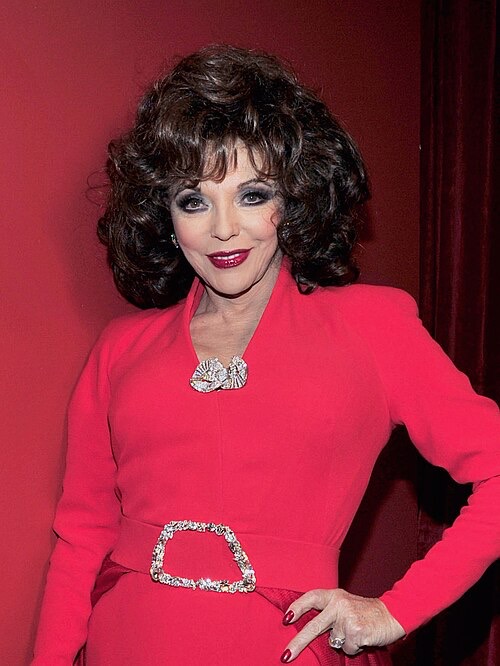
Rarely does it end well. Take Joan Collins, who married Peter Holm in 1985. Within weeks, he had become her manager and co-producer. By 1987, the marriage collapsed in a storm of bitterness.
I’ve seen the same pattern in everyday life. Brilliant women who once spoke their minds now begin every sentence with, “And Joe says…”—as if their identity has been swallowed whole. The pattern is chillingly predictable: isolate her from friends, cut ties with anyone who might see through the act, and gradually take total control. Netflix’s Dirty John dramatises this cycle with unnerving accuracy.
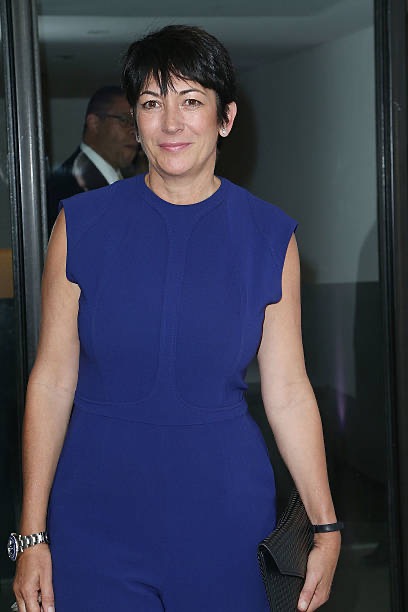
Ghislaine Maxwell:
Consider, too, the controversial case of Ghislaine Maxwell. An intelligent, educated woman from a powerful family, she nonetheless became the enabler of Jeffrey Epstein. Was he a replacement father figure for the domineering Robert Maxwell? Did her need for validation blind her to the enormity of his crimes?
Whatever the reason, it is telling that Epstein’s male associates have largely escaped accountability, while Maxwell sits behind bars. She has become, many argue, the fall guy in a sordid melodrama. Her case is a stark reminder of how even the brightest women can be drawn into the orbit of a manipulative man.
Beyond Blame
So why do smart women fall for con men? Because intelligence is not a shield against love, against hope, or against the human desire to be needed. These women are not foolish—they are human.
If anything, their empathy, generosity, and optimism make them prime targets. And until society learns to place blame squarely where it belongs—on the men who manipulate, control, and exploit—the cycle will continue.
The question, then, should not be “Why do women fall for con men?” but rather, “Why do we allow con men to keep exploiting love so freely?”
Because in the end, the real con is not about women being weak—it’s about predators preying on the very best of human qualities.
Will Harry Meet Charlie?
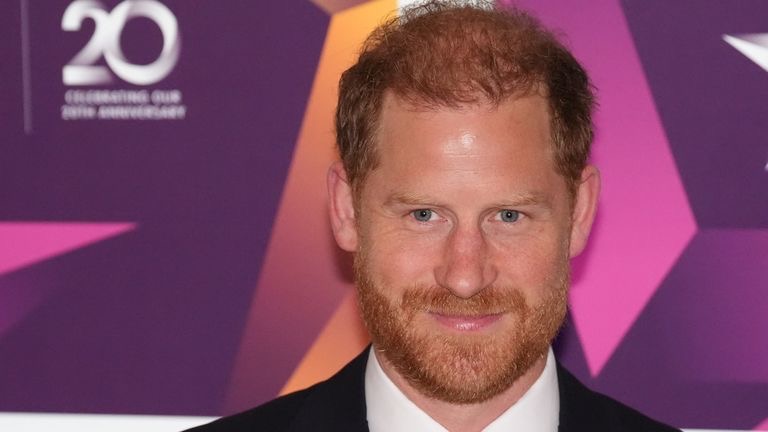
There is so much speculation surrounding Prince Harry’s upcoming visit. Will he meet with his father, or won’t he? That’s the question on everyone’s lips.
First of all, he is King Charles’s son—and whether he is seen as the prodigal son or not, I truly hope a meeting takes place. After all, no amount of titles or headlines can change the simple truth of family.
As a nation, we watched Harry and his brother William Walk behind their mother’s coffin. They were just boys, and the emotional and psychological impact of that moment must have been unimaginable. It shaped both of them forever, and perhaps explains much about the men they have become.
Of course, all families have rifts. Harsh words get said, mistakes are made, and Harry has certainly made some. His marriage added another layer of complexity, and Meghan herself is another story entirely. But to dismiss him outright would be unfair.
Harry was always one of my favourite royals. He brought a youthful sparkle and an authenticity to public life that made him stand out. Whatever the differences, I hope father and son can find their way back to each other.
On the back of Tommy Fury documentary The Good . The Bad .The Fury that I really enjoyed I am re running my article on Tyson from 2022
Hero or villain? Steven Smith looks at what it takes to be the man who has everyone talking, the heavyweight boxing champion of the world, Tyson Fury.
A hero to the poor with his charitable donations to the homeless, a champion for mental health and the self-proclaimed ‘King of the Gypsies’. Tyson standing at 6’9” embodies all that can be labelled as masculine, yet unlike many hard men, this giant breaks the mould. He has started to wear his heart on his sleeve and has opened up, talking frankly of his demons, depression, and personal battles with addiction.
Tyson also adds to the list that he is bipolar and suffers from anxiety. But is it possible that the man of the moment, who is so desperate for the world to perceive him as super masculine is still, as his father John Fury described him, a shy and sensitive overweight boy inside? Was it this shy boy that begged for the acceptance of his boxing coach father? Was it his unconventional gypsy upbringing that pushed him into a mould of boxing and masculinity, which subsequently became the root of Tyson’s demons and depression? Is it the often toxic masculinity that is piled on to so many young men during their upbringing, the cause of his trauma and mental health issues later in life?
Now, I like Tyson Fury. He is fascinating, and from the minute he burst on to our screens, I was aware of him. There was something that made me want to stop and listen; he appeared to be a model hero on paper. His smile lights up the screen, and his enthusiasm for life makes me want to know more. Then there is the unconditional love that he has for his family, which simply melts your heart.
“The best part of my life is taking my kids to school. I could live in a cardboard box and eat cheese sandwiches, as long as my family is with me“.
Tyson tells us though it is doubtful that his gorgeous wife Paris, who he has been with since they were teenagers, would ever let it come to that. She is one shrewd cookie and lives like a footballer’s wife rather than a gypsy though you can’t imagine Victoria Beckham arriving in Vegas and going straight in to do David’s dirty dishes.
But of course, once it was pointed out that this man, who I would want on my team in any battles, did not just have traditional values but what some might consider downright prehistoric values, I was speechless.
Unbelievably, in 2015, in an interview on TheJeremy Vine show, with gay rights campaigner Peter Tatchell, he compared gays to paedophiles, claiming that homosexuality is “One of the three things that will lead to the apocalypse; the other two being abortion and paedophilia”.
Even his younger brother Love Island star Tommy seems to have taken the anti-gay stance On a now disabled Twitter account, Tommy tweeted his older brother, Tyson, allegedly stating “Come on bro, let’s get dis win good luck brother and Chisora is a f***** and he’s gettin it proper @TysonFury”.
In 2018 he was nominated for Sports Personality of the Year, yet his homophobic comments and derogatory sex views came back to haunt him, with calls to remove him and comments made including:
“So, when Tyson Fury is called the people’s champion, it begs the question: which people?”
Challenged about his views by one reporter, he sat in his van replying “Jesus loves you”.
Tyson has since apologised for his outburst and controversial views.
Were these Tyson’s views or were they opinions that had been drummed into him from an early age by someone else? Or was it a culture of growing up in the gypsy community, not known to embrace and welcome gay people among their tribe?
Fellow gypsy fighter, Billy Joe Saunders says, “Where we come from, if you show weakness, you might as well give up on life as a fighter”. It’s a world where men fought, and women, as quoted by Tyson himself, were ‘best flat on their back or in the kitchen’.
Tyson comes from a world where LGBTQ is stamped on with ferocity. Anyone who has read ‘Gypsy Boy’ by Mikey Walsh will find it not only a harrowing experience but a moving and humorous one too. Brilliantly written, it tells the story of a gay boy brought as a Romanian and unable to conform to his expectations of masculinity. The description of the brutality he suffered, at the hand of his father, as the reader, stained the pages with my tears.
Yet, at the end of the book, his father unexpectedly turned up to see Walsh, now a teacher, despite the violence
Could growing up in a tightly knit community with some values and beliefs that are from a by-gone age, be like other, almost closed communities or cults and brainwash their young?
Tyson appears to be an intelligent man, embracing all that life has to offer, in a way an old soul that could see that the bright lights of Hollywood or Vegas could not compare to his roots in Morecambe, or make him any happier for that matter.
“From the age of six, all I ever dreamed of was being a boxer, now I have it all; I am the greatest boxer in the world yes, I have sinned, suffered from depression and anxiety, and I am bipolar”, he tells viewers.
Tyson does not have it all; regrettably, he does not have good mental health, something money or fame can’t replace.
His dad, John Fury, is not a likeable character; there is something a little sad about him, almost broken, floored and in denial. He tells us that Tyson’s mental health has been impacted due to being so successful and mixing with millionaires and celebrities.
There is something that screams ‘pushy show biz mum’ about him. That statement about his son confirmed my suspicions; that he would like very much to have been Tyson.
“I am sure that I have depression but, in my day, we had to worry about keeping a roof over my family’s head and food on the table, there was no time to think of any of that”.
I am sure at heart he loves his son, but he displays little understanding or empathy for mental health issues. To be fair to John, however, he did come from an age where issues such as mental health were rarely discussed.
In the first of the series John who is banned from America for a criminal conviction, after being released from prison in 2015 following a four-year completion of an 11-year sentence, for gouging another man’s eye out during a brawl at a car auction, tells us that Tyson was a shy, sensitive, fat kid. “I brought all my boys up the same; to fight; I trained them myself”. John, a bare-knuckle boxer must have had the same training from his father as a boy and probably would not think that any of his boys could be different. Young men or boys who have toxic masculinity forced upon them can have extreme consequences to their mental wellbeing, particularly on the sensitive child or those that do not fit the macho mould.
What does toxic masculinity mean?
Researchers have defined it as encompassing;
Suppressing emotions or masking distress
Maintaining an appearance of hardness
Violence as an indicator of power (think: “tough-guy” behaviour)
In other words, toxic masculinity is what can come of teaching boys that they can’t express their emotions openly; that they have to be “tough all the time”; that anything other than that makes them feminine or weak. (No, it doesn’t mean that all men are inherently toxic.) The harmful side effects can, however, develop into homophobia, or misogyny.
Toxic masculinity, according to Psycom and several surveys, can lead to suicide, depression, anxiety, addiction, and drug use.
A 2017 survey by the Equality and Human Rights Commission found that gypsies, travellers and Roma were found to suffer “poorer mental health than the rest of the population in Britain” and were “more likely to suffer from anxiety and depression”.
Only last year Billy and Joe Smith, stars of My Big Fat Gypsy Wedding were found dead in a suicide pact. They had both been struggling with mental health issues.
Now, looking back, I was a sensitive kid too. My dad introduced me to football by heading the ball at my head in the front room. It made me cry, and I hated football from then on. As an adult, I am quite sporty, but Dad could never really teach me anything. The last thing I needed was tough love.
Is it not possible that locked in this huge massive man is the shy, sensitive kid at loggerheads with who he has become? Desperate to please his father, who needed his shy son to “Man up”. The poor man can find a cloud in every silver lining; it must have been hard for the young Fury.
To be honest, the penny drops on what it was that that I saw in Tyson. He had the traits of another beautiful man who had the same personal scenario. He too could be charming, but many said he was bad news; he lived with depression, anxiety and had addiction issues, yet there was something I adored about him.
He had a troubled childhood and was abandoned as a kid by his father. He told me about the days his dad left, with such vivid description, despite being only 8 years old at the time. It was at that moment I saw that very child looking at me through man’s eyes. Taking a shot, I told him “that frightened child is with you every day, you protect him with your front”. There was a silence and the relief that someone had seen the real him, and because he did not feel judged, he could be himself. That’s what I saw in Tyson.
My money is on the fact that Tyson is at loggerheads with himself.
Everyone around him seems to be at loggerheads with Tyson’s new direction. Whilst embracing wealth and lifestyle, some of them claim to want to stay with the traditions of the travelling community.
Tyson wants to set precedents and make changes within the gypsy community. He hates “dream crushers”, whatever his kids want to be, he will be fully supportive.
Yet in a U-turn, wife Paris, who earlier in the show, ‘Tyson Fury Gypsy King’, says she lived her earlier years as a traveller in a caravan now says that she could not bear to leave her beautiful home with hot water and mod cons and her beloved trips to Marbella.
GQ picture Tommy Fury BBC I player .
Paris wants the kids raised as travellers. The kids will leave school at 11, and when they marry, they can then leave home, (No room for any of the kids to be gay in that plan then). Daughter Venezuela, who wants to be a dancer or gymnast, calls her mum ‘dream crusher’. Paris comments that Venezuela is already too tall to become either; Venezuela does have a point.
You like Paris in the show, but it’s hard not to, but you want to give her a reality check. When she is not cooking for the massive family, Paris seems to spend the rest of her time in the hairdressers.
Tyson clashes with her; he is keen as ‘King’ to make changes; the kids should stay in school; they can embrace both lifestyles. Here is where I thought he could bring about change, as he moves among the likes of the ‘queens’ dream’ gay ally, Robbie Williams, along with other showbiz pals.
It is possible to educate a homophobe, misogynist, or even a bigot, especially if you take them out of an environment that is steeped in it.
My bet is if Tyson’s demons do not cause him to self-destruct, let’s hope he fights them as hard as any opponent. Tyson could be the king that brings a kinder, more tolerant era to the gypsy community.
After all, a man who pays €200 for two lobsters and sets them free can’t be all that bad!
Listen, up Mike is back . You’re thinking about growing a Moustache? Maybe for November Good call. Nothing changes your look quicker than a solid ’stache. But here’s the thing: if you want it to look sharp and not like you’ve just crawled out of a cave, you’ve got to know how to grow it right, keep it clean, and style it like a pro. Lucky for you, I’m here to give you the lowdown . https://uk.movember.com
Step 1: Growing Your Moustache
Be patient
Rome wasn’t built in a day, and neither is a proper Moustache. Depending on your hair type, it can take three to six weeks before it really starts to take shape. Don’t rush it — let nature do its thing.
Barber’s Tip: Forget that old wives’ tale about shaving making it grow back thicker. Doesn’t work. What does help? Eating well, getting sleep, staying active, and keeping your skin clean. Healthy body, healthy hair.
Grow the tach first
Here’s the trick: instead of letting just the lip fuzz sit there looking lonely, grow your whole beard out. Once the mustache thickens up, then shave the beard. That way, you dodge the awkward “half-grown” look.
Invest in a trimmer
Trust me, a good trimmer is worth its weight in gold. Scissors are fine for touch-ups, but if you want precision, get yourself a rechargeable trimmer with adjustable guards. Or come see me once a week
Celebrity client Nick Nevern
Define the shape
Most Moustaches run to the corners of your mouth and stop there. Keep the lip hair, shave the cheeks, chin, and jaw. Once you’ve carved out the shape, leave it alone and just keep the rest of your face tidy.
Keep it clean
Facial hair traps oil, sweat, and the crumbs from last night’s sandwich. Wash it a couple times a week with a mild shampoo and conditioner. Softer hair = less itch. If you’re fancy, a little beard oil won’t hurt. After all that tach can bring all the boys or gals to the yard but if it isn’t clean they will run right back
yes thats 70’s who’s your daddy ? looks is back and Mike here to show you how to get it and maintain ,
Step 2: Maintaining the ’Stache
Keep it neat
Even the wildest Mustache needs a little discipline. Snip stray hairs with scissors or lightly buzz the ends with your trimmer. How often depends on your style — could be daily, could be weekly.
Wash and groom
A good foaming face wash in the morning and before bed keeps your skin clear and your mustache fresh. Nobody likes a greasy upper lip.
Train it with wax
If you’re going for anything beyond “basic lip rug,” you’ll need wax. Warm a little between your fingers, rub it through, then comb it from the middle outward. Beard combs work best — small teeth, good control.
Mikes work the ultimate in 1920s tach
Step 3: Styling Ideas
Now for the fun part. What kind of moustache guy are you?
The Pencil: Thin, sharp, clean lines. Think old-school film star or John Waters.
The Boxcar: A neat rectangle above the lip, stopping before the corners. Straightforward and tidy.
The Fu Manchu: Hair extends down past the jawline. Bold move — not for the faint-hearted.
The Handlebar: Grow it long, curl the ends up with wax. Victorian gent or modern hipster, your pick.
The Walrus: Big, bushy, covers the top lip. Think Teddy Roosevelt chopping wood.
The Selleck: Full, strong, classic. You’ve seen it a thousand times — it never goes out of style.
And here’s the truth: you don’t need to stick to just one. Mix, match, experiment. Worst case? You don’t like it, you shave it off. Best case? You find your signature look.
Looks like a star .
Final Words from the Barber’s Chair
A Mustache isn’t just hair on your face — it’s a statement. Take the time to grow it right, keep it clean, and wear it with confidence. Remember: a man doesn’t just grow a Mustache. He earns getting to ask “Who’s Your Daddy? “
From London to the North East: Dr Anna Kennedy OBE brings her award-winning showcase of autistic talent to the Playhouse Theatre this September
Whitley Bay Playhouse is set to welcome a spectacular event to the North East this autumn. On Saturday 6th September 2025, the award-winning showcase Autism’s Got Talent—founded by Dr Anna Kennedy OBE—will light up the stage in collaboration with Alisar Jane, founder of the True Colours Theatre CIO Foundation. Ahead of the event, Anna Kennedy shares her thoughts.
Autism’s Got talent at the Mermaid Theatre .
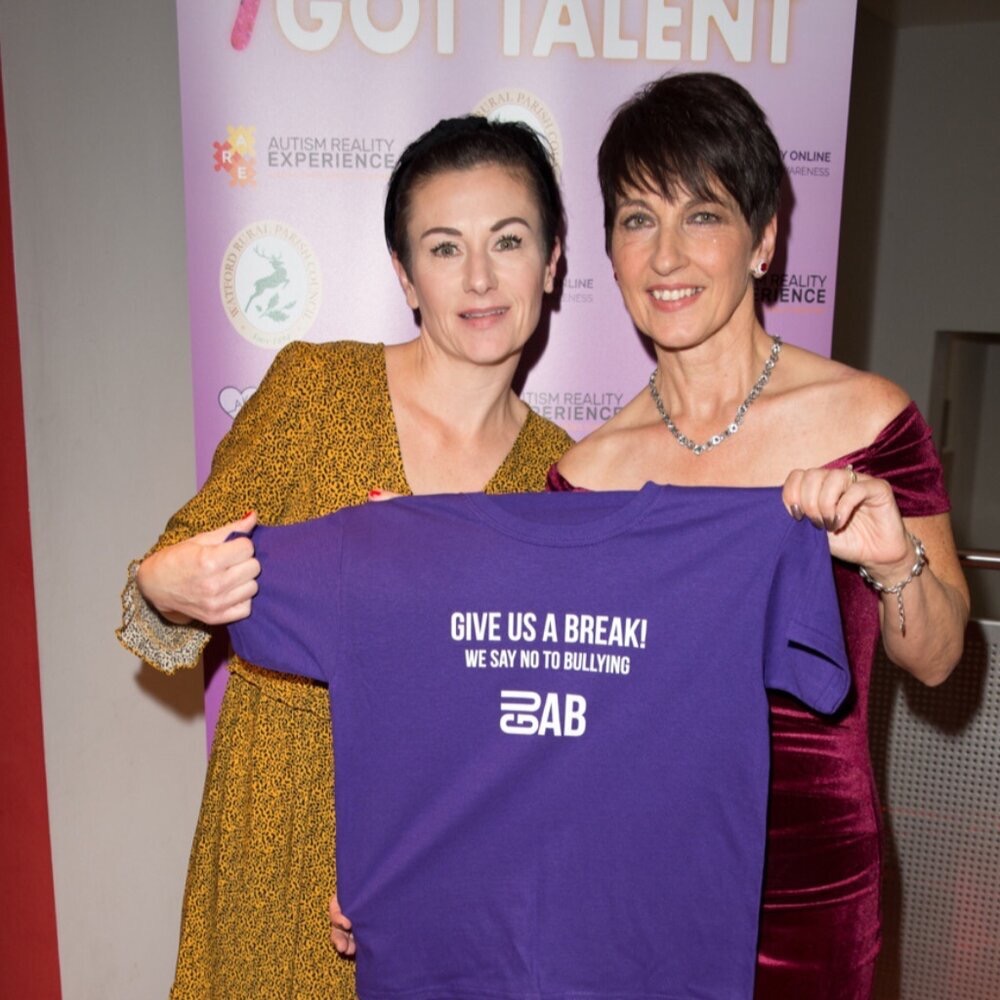
How did you come up with the idea for Autism’s Got Talent? The idea grew out of my anti-bullying campaign “Give Us a Break”, which was created to support autistic children and adults. After the campaign, I began receiving videos from autistic individuals showcasing their talents—singers, dancers, poets, actors, magicians, and musicians. I realised there needed to be a platform to celebrate these abilities and challenge negative stereotypes. That’s how Autism’s Got Talent was born.
Are the judges ever critical, or is the focus on encouragement? There are no judges—it isn’t a competition. Autism’s Got Talent is purely a showcase, shining a light on the talents of autistic children and adults, from the age of five upwards, with no upper age limit.
How many performers usually take part? Each year, we usually select around 20 performers from across the UK and overseas.
Amongst the celebrity presenters and supporters actress Kacey Ainsworth .
The show has been a huge success in London, attracting performers from as far as the USA. Why did you choose Whitley Bay as a location for the event? London is now in its 14th year of hosting Autism’s Got Talent. Over the years we’ve collaborated with many groups and charities nationwide, and I was particularly impressed by the work of Alisar Jane and her team at the True Colours Theatre Foundation in the North East. After visiting their theatre school, it felt like the perfect partnership, and Whitley Bay’s Playhouse Theatre was the ideal venue.
You also run the autism charity Anna Kennedy Online. In what ways does the charity support individuals and families? Anna Kennedy Online is run by a dedicated team of volunteers. We support individuals and families in many ways—raising awareness and acceptance, providing free workshops and training, and offering practical advice. We also use our website and social media to share up-to-date information, news, and resources about autism and overlapping conditions.
Another of your flagship events is The Autism Hero Awards. How long has that been established? The Autism Hero Awards is now in its 6th year. Nominations are currently open and will close in March 2026.
With the current government cutbacks, do you worry that people living with autism will be disproportionately affected? Yes, I believe they will. I’ve spoken with many parents, carers, and autistic individuals who are very concerned. Organisations such as the National Autistic Society are warning that the cuts could increase poverty and social isolation, as people risk losing access to essential financial support, healthcare, and community services.
You are originally from the North. What inspired your move down South? Both my husband Sean and I were born in Middlesbrough. We’ve lived in London for almost 40 years now. Sean moved first to study at a West London university, and I followed a couple of weeks later—we didn’t want to be apart!
What can audiences expect from Autism’s Got Talent in Whitley Bay? They can expect a magical evening, filled with extraordinary performances from autistic children and adults. The Playhouse Theatre will come alive with music, dance, poetry, comedy, and more. It’s a celebration of talent, positivity, and community spirit—we cannot wait to share it with Whitley Bay!
Why Katie Price Needs to Back Off and Let Her Kids Shine Without Her Interference
Growing up is never easy — not for the average teenager, and certainly not for those with famous parents. For most young people, adolescence is about carving out your own identity, deciding who you want to be, and pursuing your chosen career or further education. It’s a period of self-discovery and independence. But when your every move has been played out in the glare of the press since childhood, the challenge is far greater.
Children of celebrities live with a unique pressure. They’re often unfairly labelled with the now-infamous tag “Nepo Baby” — short for “nepotism baby” — a term referring to someone whose career mirrors or is connected to that of their famous parent. The implication is clear: their achievements aren’t earned but handed to them through family connections. The phrase is often used as an insult, suggesting that their success is unearned, undeserved, or simply the result of privilege.
Of course, this isn’t always the case. Some celebrity children go out of their way to avoid using their family name, working hard to make it on their own merits. In many instances, the public only learns of their famous parentage long after they’ve established themselves. On the flip side, stepping into the same spotlight as a parent and not quite measuring up can be devastating for mental health. The pressure to “live up to” a legacy can crush even the most talented young person.
Take Princess Andre, for example. She’s a young woman with dreams, ambition, and — crucially — talent. Under the guidance of Clare Powell, a woman I’d call a genius in the world of entertainment management, Princess has been making strides toward building her own career. Powell is the same powerhouse who played a key role in shaping Katie Price’s early career. Importantly, Katie is not directly involved in Princess’s current projects.
Stunning Princess Andrea
Now, I’ve been a huge supporter of Katie Price over the years — I’ve defended her when many wouldn’t. But on this occasion, Katie, it’s time to take a step back. In fact, take one hundred steps back. Be a proud mum, but let Princess shine without you hovering in the background. It’s about dignity — a word that doesn’t often appear in the Pricey vocabulary — and allowing your daughter to succeed on her own terms.
I have a close friend whose sons are both stars now: one’s a famous rock musician, the other a West End performer. Before their success, my friend made a conscious decision to stay out of their spotlight. No hanging around at every audition, no being photographed at every event. She let them find their own way, even if it meant watching from the sidelines. That kind of quiet support is invaluable — and something Katie could learn from.
The truth is, Princess already has “star” written all over her. Yes, her famous parents have opened some doors — there’s no denying that. But she’s also beautiful, poised, polite, and grounded in a way that the teenage Jordan (Katie’s former alter ego) simply wasn’t. While Katie at that age was known for her brashness and colourful vocabulary, Princess seems to have a quiet charm and grace that’s refreshing to see.
Of course, fame dynamics can get tricky within families. I’ve seen it happen. Sometimes a parent who’s spent years in the spotlight finds it hard when their child begins to eclipse them. I remember a friend whose mother was always the centre of attention. We once attended a concert together, and during the show, the star actually stopped mid-performance to compliment my friend’s daughter — “Who is this beauty?” they asked. The girl was thrilled. But when she turned to share the moment with her mum, the mother had vanished, unable to handle not being the one in the spotlight.
Even Hollywood royalty have faced this. Liza Minnelli once admitted that her mother, Judy Garland, struggled to accept her daughter’s fame. It’s a reminder that parental pride can sometimes be mixed with a very human sense of insecurity.
In Princess’s case, the potential is huge. She has the looks, the talent, and the personality to carve out a significant career in modelling, media, or whatever creative path she chooses. The worst thing that could happen is for her efforts to be overshadowed by her mum’s drama, headlines, or interference.
Some might argue that Katie’s involvement is only natural — after all, she’s been in the industry for decades. But let’s be honest: sometimes experience comes with baggage. Katie’s falling-out with Clare Powell has been well documented, but that shouldn’t affect Princess’s choices. Powell helped make Katie a household name in the first place. This is show business — not “show friends” — and if I had a daughter with career ambitions, I’d want her with the best possible management team. Personal disagreements shouldn’t dictate professional decisions when a young career is on the line.
If Katie truly wants to support her daughter, she needs to be a cheerleader, not a co-star. Let Princess have her own brand, her own media moments, and her own relationship with the public. This doesn’t mean disappearing from her life — just from her professional life. Turn up to watch from the audience, not to stand centre stage. Offer advice privately, not through the pages of a tabloid.
In today’s media-saturated world, it’s hard enough for young people to find their place without the shadow of a famous parent looming over every opportunity. Princess deserves the space to make mistakes, learn lessons, and earn her own applause. And if she’s anything like she seems — poised, polite, and full of potential — she’ll do just fine.
The bottom line? Princess Andre has a bright future. But for her to truly shine, Katie Price needs to take not one or two, but one hundred steps back — and stay there until she’s invited forward. That’s what real support looks like
.
Good luck to Jack Kay .
If proof was ever needed that you can flog your soul to the devil for fame, look no further than the sudden, stratospheric rise of Ibiza’s self-styled “final boss.” One click of a camera, one cheeky social media post, and bang — he’s out-trending the Pricey and even the Trump. That’s no small feat, considering those two can normally generate headlines by simply breathing in public.
The man behind the moniker? Jack Kay. No chart-topping singles. No Oscar-bait performances. No tell-all autobiography written “in his own words” but suspiciously sounding like it was dictated to a ghostwriter over Zoom. Just… Jack. A man who, by all accounts, was minding his own business until fate, flash photography, and the internet combined to anoint him this week’s celebrity overlord.
And do you know what? Fair play to him. He’s a smashing lad by all appearances, and I can’t help but root for him. In fact, I’m practically booking my front-row seat for his inevitable debut on Celebrity Big Brother or I’m a Celebrity… Get Me Out of Here! Picture it now: Jack in the jungle, wearing a head torch, looking mildly confused while chewing kangaroo testicles for the nation’s amusement. It’s practically destiny.
Of course, his overnight success has sent a few noses wildly out of joint in the fame industry. Imagine clawing your way up the greasy celebrity pole — posting your best pout, cultivating “scandals,” leaking your own “leaked” texts — only to have Jack Kay swoop in with one photo and walk off with the nation’s attention like it’s a free canapé at a launch party. Delicious.
It’s not just the wannabe-set bristling either; the whole saga has become a sort of cultural Rorschach test. Some see Jack as proof of the absurdity of fame in the age of the algorithm. Others see him as the internet’s latest crush. I see a man who’s managed to play the game without even reading the rulebook.
Because let’s be honest, the rules have changed. Once, you needed a record deal, a primetime slot, or a scandal big enough to get a mention in the News of the World (RIP). Now? You just need a single moment that makes the internet collectively say: Yes, this one. This is our new obsession. It could be a photograph. It could be a TikTok. It could be an ill-advised comment made in a kebab shop at 3am. And suddenly, you’re hot property.
Will Jack’s reign as Ibiza’s final boss last? Who knows. The internet’s love affairs are fickle. One minute you’re the meme of the moment, the next you’re that guy people vaguely remember seeing “on something once.” But for now, Jack’s milking his fifteen minutes with style, and I, for one, am here for it. If he has done a deal with the devil, I hope it came with a decent rider — champagne, sunglasses, and maybe a small island.
Hurray — Wednesday is back on Netflix! And if that wasn’t already a big enough treat for fans of the macabre, there’s an extra twist in the cobweb this season: the legendary Joanna Lumley has joined the cast as Wednesday’s formidable grandmother.
Yes, you read that right. From Absolutely Fabulous to The Wolf of Wall Street, Lumley has always brought her own brand of razor-sharp wit and undeniable glamour to every role. Now, she’s stepping into the delightfully creepy world of the Addams family, and honestly, it feels like a match made in gothic heaven.
Heidi Gammon is BACK — and school’s in session! Sharpen those pencils, unpack the lunchbox, and brace yourself — because whether you’re heading to high school, moving into halls, or just trying to survive term-time drama, I’ve got the answers you need. From messy roommates to holiday hook-ups, from bullies to big life changes — let’s crack open the advice book and dive right in.
Hello Heidi, Love you and the show! I’m going to uni next month and sharing accommodation with my best friend. Over the summer, I realised that I’m gay and attracted to other women. Apart from telling my mum, no one else knows. I don’t fancy my best friend, so that’s not a problem, but should I tell her before we move in together in case she freaks out? Amber, Southend
Heidi says: Amber, the only “freak out” here would be if your friend suddenly forgot you’re still the same person you were last term. Your sexuality isn’t a warning label you have to stick on before move-in day. If you want to tell her, do it because you trust her, not because you’re scared of her reaction. And if she’s a real friend, she’ll be more interested in who’s nicking her milk from the fridge than who you fancy.
Dear Heidi, This is awful. I’m not gay, but I’m friends with a guy who is what you might call “fluid.” We got very drunk on holiday, and I remember him performing an oral sex act on me. There’s no way it would have happened sober, and now it’s made it difficult to be friends. I tried to talk to him about it, but he just said, “What happens in Ibiza stays in Ibiza.” I have a girlfriend, and I’m terrified she’ll find out. What do I do? Colin, Billericay
Heidi says
Colin, Ibiza clearly needs a new slogan: “What happens in Ibiza… tends to follow you home.” You’ve got a friendship issue and a relationship issue — and both need honesty. Tell your mate the boundaries from now on. As for your girlfriend, decide whether you’re confessing to ease your guilt or because it’s something she genuinely needs to know. Either way, learn your lesson: too much booze and fuzzy boundaries are a recipe for regret.
Hi Heidi, How are you? Last year I shared uni accommodation with a great guy — honestly, we were like brothers — but sadly he’s moved to the States. A new guy is moving in, but I bumped into his old roommate who warned me: he doesn’t mind him personally, but apparently he walks around naked, smokes weed, and puts porn on openly. Plus, he’s messy and leaves everything for others to clean up. That’s my idea of hell! It’s too late to back out — what can I do? Hunter, Basildon
Heidi says: Hunter, sounds like you’ve been dealt the ultimate “uni flatmate bingo” card. On day one, set the house rules in plain English: no nakedness in shared spaces, no weed inside, and mess gets cleaned. If he ignores that, fortress your room — lock, headphones, maybe even a mini-fridge. And remember: it’s one academic year, not a life sentence. What’s up Heidi, I’m still at high school and I hate it. There’s a girl who bullies me so badly that my life is a misery, and I don’t want to go back. What can I do? Stella, Brentwood
Heidi says: Stella, no one should dread school because of one cruel person. Tell a teacher, a school counsellor, or your parents — and keep a record of everything she says or does. If it’s online, screenshot it. Schools are legally obliged to act on bullying. I promise you this: she is not as powerful as she seems. One day you’ll be out in the world living your best life, and she’ll still be stuck in her small one.
Heidi, My girlfriend and I have been together for five years and we want to adopt a child — maybe two. How do we go about it? My mum says it’s a terrible idea and refuses to help. Mandy, Brighton
Heidi says: Mandy, if love, stability, and commitment are in place, you’re already halfway there. Start with your local council or an approved adoption agency — they’ll guide you through assessments, training, and matching with a child. It’s a long process, but worth it. most local authorities and agencies like pact do information evenings for people thinking about adoption these are great and informative and well worth going to
As for your mum, her approval would be lovely, but it’s not a requirement on the application form. Build your family your way.