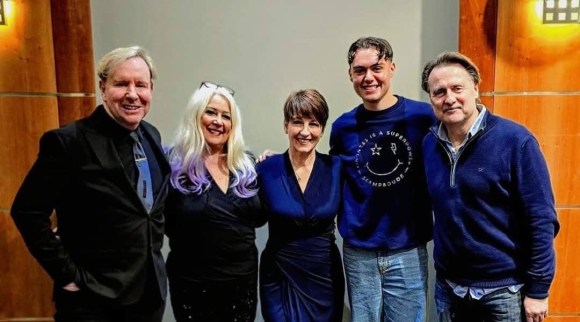
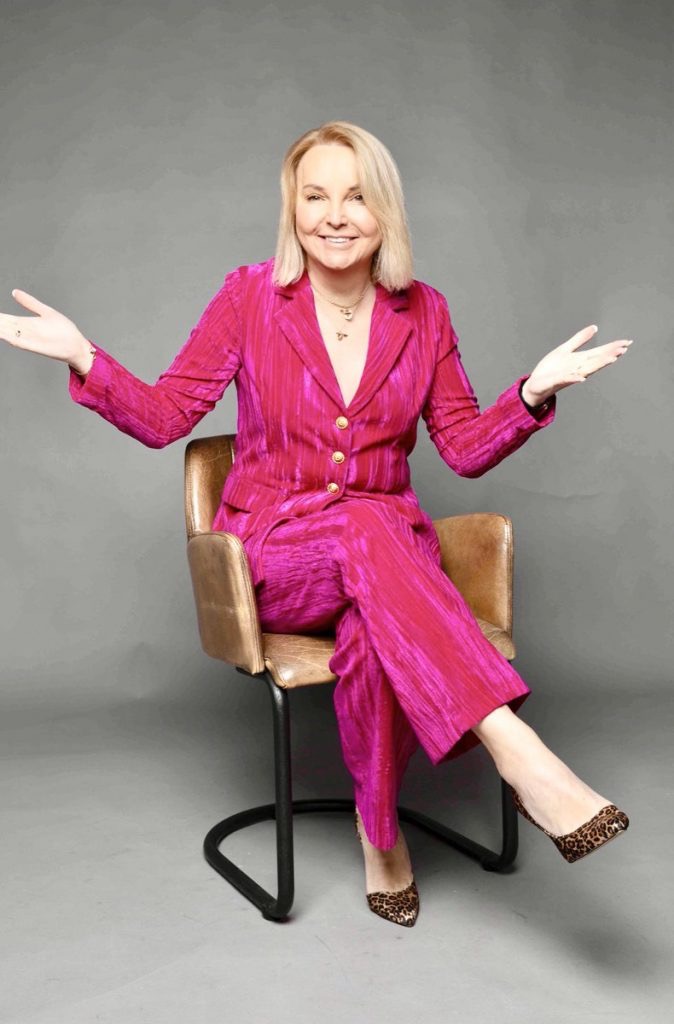
Sleep. It’s something most of us take for granted—until we can’t get any. For years, I struggled with sleepless nights, tossing and turning while my mind refused to switch off. That changed when I discovered that Michelle Langer, an old friend and wellbeing expert, was running a sleep workshop at Soho House in White City. What I experienced there genuinely transformed my approach to rest and relaxation.
I’ve known Michelle for over twenty years. One of my most unforgettable memories with her goes back to a holiday in Sitges. We’d hired a large pedalo and taken it out to sea. I was in charge of steering while Michelle and the late journalist Lester Middlehurst went for a swim. The Mediterranean was calm—until I spotted a giant Portuguese Man O’ War drifting nearby. I shouted a warning just in time, and what followed was pure chaos: a near-hysterical Lester trying to save himself by pushing Michelle underwater! Thankfully, no one was hurt, but the memory of that surreal moment has stayed with me ever since.https://www.youtube.com/watch?v=j26AqJKd-F4
Years later, I ran into Michelle again on the set of Dancing on Ice. We hadn’t seen each other in ages, but the reunion was lovely. A few of my friends in the show were clearly starstruck when they realised I knew her. “She’s the producer!” they whispered in awe. Yet Michelle was as grounded and unassuming as ever—no airs, no ego. As they say, never judge a book by its cover.
When I heard she was running a sleep workshop, I knew I had to go. I was amazed by how many people were there—each of us grappling with our own version of sleeplessness. Some shared personal stories, while Michelle delivered her guidance with grace, empathy, and deep insight. She offered a range of techniques, but one in particular completely changed the game for me. For the first time in ages, I began to feel like I’d actually slept. The workshop lasted just 55 minutes, but the results have been lasting.
Here’s a summary of some of Michelle’s top sleep strategies—simple yet powerful tools that can help you drift off with ease.
Breathing & Relaxation Techniques Try the 4-7-8 Breathing Method: inhale for 4 seconds, hold for 7, exhale slowly for 8. It soothes the nervous system and helps you wind down. Box Breathing is another great option—inhale, hold, exhale, and pause for 4 seconds each. This helps calm anxious thoughts. Progressive Muscle Relaxation starts at your toes: tense each muscle group for a few seconds, then release as you breathe out, moving slowly up your body. Diaphragmatic (or belly) breathing, where you allow your stomach to rise and fall with each breath, helps trigger the body’s rest-and-digest response.
Behavioural & Environmental Sleep Aids Establish a gentle wind-down routine: dim the lights, read a book, take a warm bath, or journal. Stick to a consistent sleep schedule—even on weekends—to regulate your internal clock. Avoid screens for an hour before bed. Blue light suppresses melatonin and keeps the brain alert. Apps like Calm, Headspace, or Insight Timer offer guided meditations and sleep stories that help quiet the mind. Essential oils such as lavender or chamomile can be diffused or spritzed on your pillow for a natural calming effect. Finally, make your bedroom a haven: keep it cool, dark, quiet, and clutter-free for optimal rest.
Michelle’s background is as impressive as it is diverse. A Cambridge graduate with 30 years’ experience as a television executive, she understands pressure, deadlines, and public scrutiny better than most. She now channels that experience into her work as a Wellbeing Consultant and Executive Coach. Personally trained by Dr. Deepak Chopra at The Chopra Centre for Wellbeing, she’s spent over fifteen years teaching mindfulness, meditation, and stress reduction strategies to public figures, CEOs, and individuals worldwide.
Michelle is also an accredited member of the Association of Facilitators and works as a coach for Arianna Huffington’s Thrive Global. Her client list reads like a who’s who of corporate and entertainment powerhouses—Microsoft, Accenture, Pfizer, Mastercard, NFL, Channel 4, and many more. And if that weren’t enough, she co-founded Tranquillo, a unique experience that blends live cello by world-class musician Jane Oliver, guided meditation, and essential oils into deeply immersive wellbeing sessions for companies.
If you’ve ever struggled with sleep, I can’t recommend Michelle’s work highly enough. A short session may just make a lifetime of difference.
“For people on the autism spectrum, art is a powerful medium that encourages self-expression.”
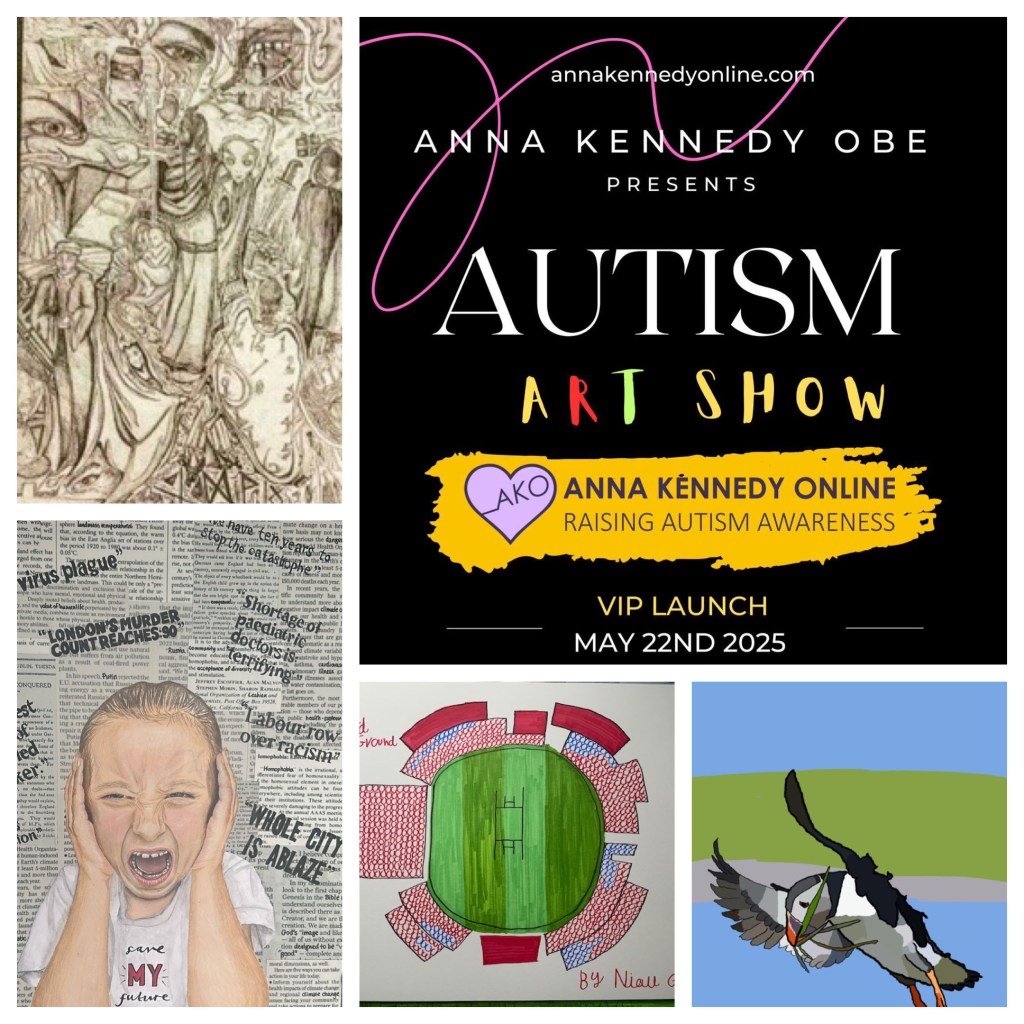
Anna Kennedy Online, in collaboration with the Firepit Art Gallery , is proud to present the first-ever “Autism & Art Show. “This exciting event showcases incredible artwork from autistic artists and their allies, with all profits supporting the charity Anna Kennedy Online. Art is more than just a passion—it serves as a therapeutic outlet, offering solace and joy to many individuals on the autism spectrum. With great enthusiasm, Anna Kennedy OBE, charity patron Steven Smith, and Firepit Art Gallery founder Markus Jake invite you to celebrate and support these talented artists. Ar) Event Location: Firepit Art Gallery CIC Firepit Gallery No.2, Upper Riverside, 10 Cutter Ln, Ground Floor Unit, Greenwich Peninsula London SE10 0XX Learn More & Support the Charity
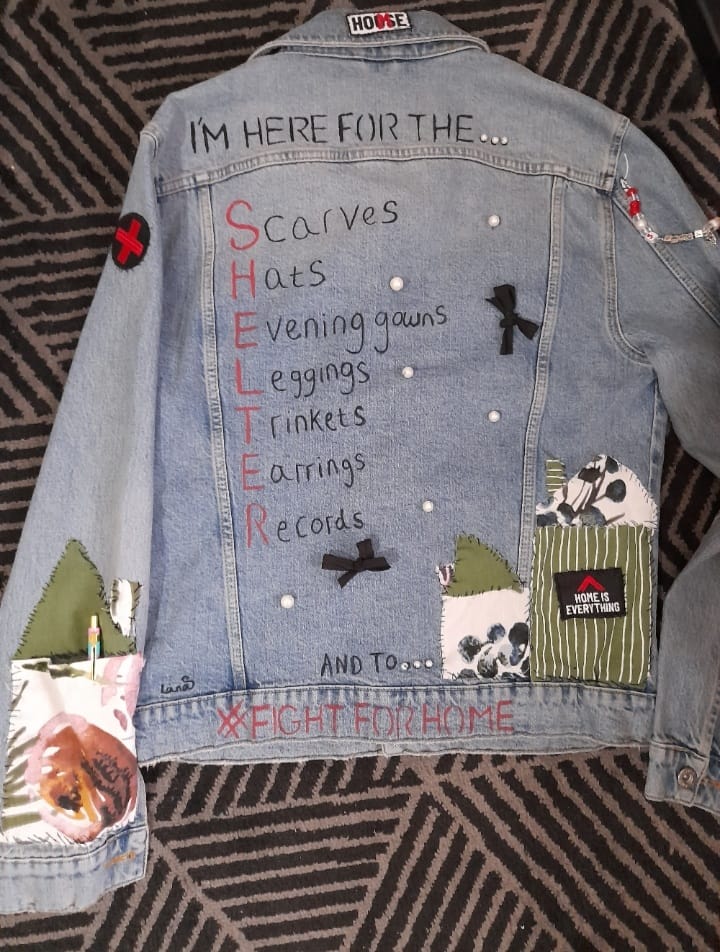
jacket not for sale Aladdin Sane £200.
The Autism & Art Show — 22nd May 2025
Join us for a celebration of creativity, resilience, and neurodiverse voices at The Autism & Art Show, showcasing a rich tapestry of work by autistic artists from across the UK. Each participant brings a unique story and style, making this event a powerful tribute to the talents of individuals on the spectrum.
Featured Artists
Angelo Kennedy
Angelo, 32, is autistic and lives with significant sensory processing disorder. On display is a vibrant painting of sunflowers he created at just 10 years old. Angelo enjoys cooking, bowling, and continues to work hard on his independent living skills. His brother, Patrick, is also on the spectrum and works at Pinewood Studios.
£500 pounds by Angelo Kennedy for offers contact spman@btinternet 07969016222
Lana Mitchell
Lana, who lives with autism, once feared unfamiliar environments. In 2024, she began volunteering at Shelter Crystal Palace, where her uniqueness was embraced and her creativity blossomed. She now designs themed window displays and, to celebrate her one-year anniversary, created a striking punk-style denim jacket.
sold
Collette Sherriffs
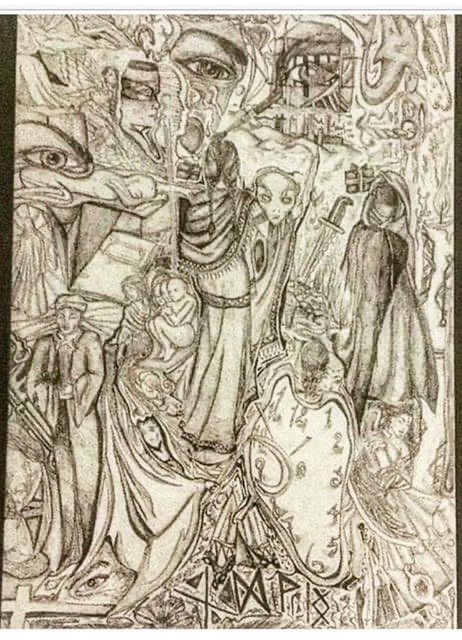
Collette, 47, from Kincardine, Scotland, has loved art since childhood. Despite working hard to earn a place at art school, her dreams were crushed when her mother told her she was “too stupid” to succeed. Heartbroken, she gave up art—until recently. One of the pieces on display is from her original portfolio, which her mother once threw away but was fortunately saved. Now a devoted mum of two, Collette champions her children’s creativity with pride and encouragement.
Offers over £250 inbox spman@btinternet.com
Niall Guite
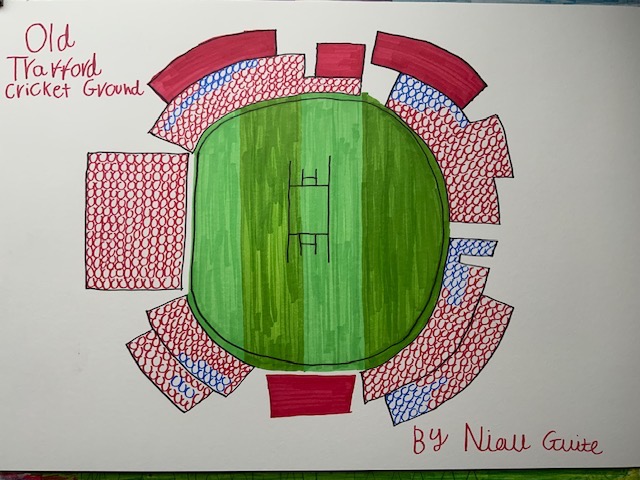
Niall, 30, is an artist with autism, an intellectual disability, dyspraxia, and dyslexia. He gained international acclaim after raising funds for Special Olympics GB by selling his iconic stadium drawings. Niall has exhibited at the Royal Academy Summer Exhibition, delivered a TED Talk, and received an Honorary Doctorate from Sheffield Hallam University for his work promoting inclusion through art.
A collector piece offers over £250 inbox spman@btinternet.com
Piluca Artist
Piluca: Artist. Muralist. Fashion Visionary. Street Art Queen. Born in Madrid and ignited by Brixton’s wild heart, Piluca is a published illustrator, muralist, fashion designer, and founder of I Am Here 2 Play, launching this May at Hypezeus, London. Her vibrant murals and street art light up London’s iconic venues, turning the city into an open-air gallery. A WinTrade Awards finalist, she moves effortlessly across fine art, fashion, and branding with fearless, raw style. Piluca’s creative impact extends deep into communities—leading workshops, festivals, and campaigns with purpose. From fashion to neuroscience illustration, her work defies boundaries—and London proudly wears her name.
Offers above £350
Chris Wild
Chris is an author, artist, actor, care home consultant, government advisor, youth advocate, and charity patron. A passionate voice for young people in care, Chris’s first book, Damaged, shares his personal story. His second, The State of It, challenges the systemic failures affecting vulnerable youth. Through art and writing, he continues to inspire change and awareness.
Chris Wild painting offers over £500
Artism by Jake
Jake, 20, finds joy in painting. As a young man on the autism spectrum, his artwork offers a distinct and captivating perspective. All profits from his prints are donated to charitable causes.
Offers over £150
Heidi Simm
At 17, Heidi is the creative mind behind Disco City, a fusion of Disney characters and her own original creations. With a strong, determined spirit, she uses her art to express herself, manage her mental health, and explore new techniques. Her inquisitive nature and unique imagination make her work stand out.
Fabulous fun £250 please inbox me at spman@btinternet.com
Dr. Ian Hale
Based in Bristol, Dr. Ian Hale is an author, poet, autism specialist, and certified Master of Photography. His book, Asperger’s, Autism and You: Is the Epidemic Real and Are Vaccines the Cause?, blends personal insight with clinical research. Ian, who is autistic himself, shares his journey through media, public speaking, and art. His photography — praised by brands like Chanel and Vogue — offers a profound glimpse into his neurodiverse worldview.
Offers over £200 please .
Loveartpix (Dez)
Loveartpix , a self-taught AudHD (Autism + ADHD) artist from Manchester, uses creativity as a vital outlet for mental health and self-expression. Diagnosed with Bipolar Disorder, Autism, and ADHD, he began his art journey in 2018 as therapy. His vibrant work often reflects the spirit of Manchester and the experiences of neurodivergence.
Loveartpix with the wonderful art he will be showing offers over £1000 please .
Annemarie Bickerton
With over 30 years in photography and art, Annemarie specializes in editorial portraiture. As digital photography evolved, she pivoted toward headshot work, applying her skills to editorial, corporate, and artistic projects. Annemarie is also a proud mum to Sam, who lives with autism, and continues to champion neurodiverse creativity in all its forms.
£500 by Annemarie Bickerton
Sam Bickerton
Sam, diagnosed with ASD and dyslexia, demonstrates resilience in the face of social and emotional challenges. From early Lego builds to his love for origami, mask-making, and boxing, Sam’s creativity offers a safe space for self-expression and calm. His journey is one of strength and self-discovery through art.
an example of Sam work the will be. bigger one on the night offers from £150 message me spman@btinternet.com
Jenny Robinson
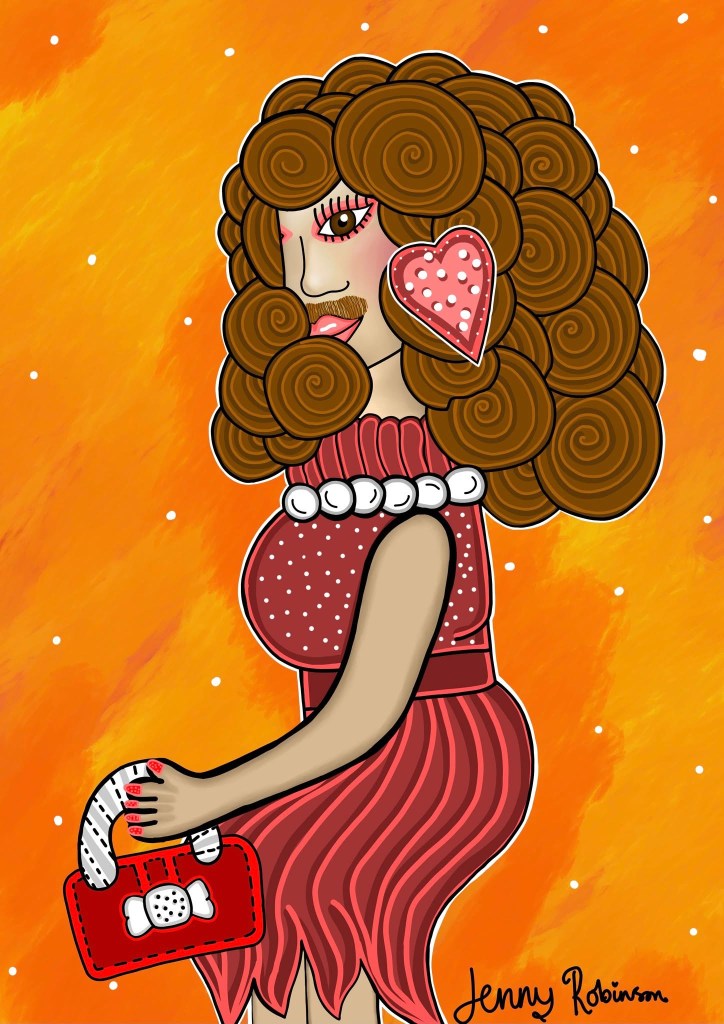
Jenny is a self-taught digital artist and graphic designer with a love for Freddie Mercury. Her standout piece is a digital portrait of Freddie in a custom outfit inspired by the I Want to Break Free video. Although not included in her solo exhibition, Jenny has pledged to donate 100% of the sale proceeds to the Anna Kennedy charity. Diagnosed with autism a year ago, she now explores digital art as a core part of her creative identity.
Jenny Robinson £250 inbox spman@btinternet.com
Marcus Mason-Williams
Marcus is a multi-talented autistic artist and entrepreneur. As a founding member of The Lilac Review — a government-backed campaign spotlighting disabled-led businesses — Marcus uses his business, CoolArt2021, to share wildlife-inspired storytelling and merchandise. “Art and performing set me free,” he says. “Through my stories and performances, I connect with others and the world around me.”
Offers over £250 message Steven Smith 079069106222
AlastairBlasterArtz
Alastair McEwen, also known as BlasterArtz, is a full-time carer for both his disabled parent and autistic son. Through art, he finds a way to manage emotions, connect with loved ones, and reflect on mental health. His heartfelt piece Blanky, created with friend and writer Steven Smith, has moved many and embodies the power of art as a lifeline.
BLANKY offers over £200
Eddie Wells
Eddie grew up in East London, navigating life with undiagnosed ADHD and dyslexia. Creativity was his refuge. Following his father’s death in 2013, he realized that art wasn’t just an outlet — it was his salvation. His work reflects the inner world of someone living on the spectrum and overcoming silent battles through creative expression.
Offers over £2000. e-mail spman@btinternet.com
Shayla Curtis
At just 18, Shayla is already a passionate advocate for children with autism and complex needs. Diagnosed with autism herself, she struggled in most subjects at school — except for art. Encouraged by a supportive GCSE teacher, Shayla flourished creatively and now uses her skills to design activities that help young people express themselves, build confidence, and develop life skills.
SOLD
Tally Nothey
This piece is deeply personal. As the mother of an autistic child, Tally has faced days that felt overwhelmingly heavy—marked by worry, exhaustion, and the deep ache of feeling misunderstood. Yet, through every challenge, it has been the support of close friends that has carried her forward. Each woman represented in this work symbolizes someone who has stood beside her, held space for her fears, celebrated the smallest victories, and reminded her of her own strength when she struggled to find it.
This image reflects that journey. It acknowledges that while friendship may not solve everything, it makes the burdens easier to bear. Together, they have cried, laughed, and lifted one another—and because of them, she never walks alone.
work in progress £500 .
Darren Chapman – Actor & Artist
Darren Charman – Visual Artist & Storyteller
Darren Charman is a British visual artist and actor, originally from Hastings in Sussex. His creative journey began in the world of performance, training in the Meisner technique at The Actors Temple in London, where he developed a deep sensitivity to emotion, narrative, and human expression—qualities that now echo powerfully through his artwork.
Drawing on his background in character-driven storytelling, Darren’s art is bold, imaginative, and often laced with wit. Each piece invites viewers into a world that balances humour with poignancy, reflecting the layered perspectives of someone equally at home on a stage or behind a canvas.
Darren has received recognition for his work in comedy film, winning two DAFTA awards for The Fetishman (The Irishman Parody) and Living Dead (Living Parody). These accolades underscore his instinctive grasp of character, timing, and satire—all of which now inform his artistic practice.
Stunning bracelets by Darren £100 or above .
Gemma Lees is a Romany Gypsy, disabled and autistic fine art installationist, performance poet, comedian, facilitator and journalist from Bury. Her practise focuses on protest, advocacy, inclusion and telling the stories that no one else is.
Last year she worked with: Arts and Homelessness International, Traveller’s Times, Headteacher Update, SEN Magazine, ACERT, Queer Britain, Turnpike, Cartwheel Arts, BBC Radio Manchester, Triple C, Warwickshire Libraries, CultureDale, WOW Fest, Factory International, CIJ and CRIPtic.
A qualified post-compulsory teacher, she is a passionate advocate for GTRSB and neurodiverse inclusion in schools and wider education.
Sadie King is a 16-year-old student currently studying for her GCSEs. She has a strong passion for character design and storytelling. Sadie hopes to build a career in creating her own animated series. Her work often explores original concepts and imaginative worlds. She is eager to share more of her art and ideas with others. Sadie welcomes feedback and is open to showing additional work
Offers over £200
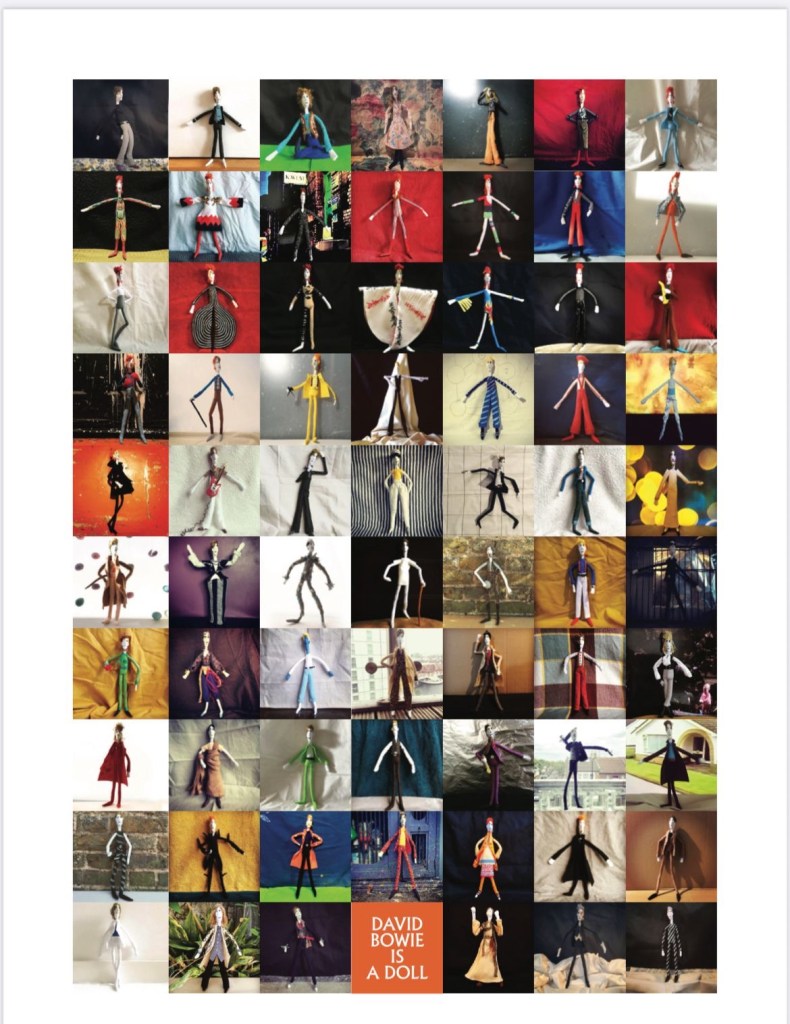
John Lee Bird is a multi-disciplinary artist known for his global exhibitions of paintings, collages, and sculptural work. His DOLLS project features over 2,000 hand-sewn textile sculptures celebrating idols, friends, and queer culture. Inspired by film, drag, cult TV, and music, each 13-inch doll is crafted from felt, beads, buttons, and embellishments. The project began during lockdown as a therapeutic return to textiles, starting with 69 David Bowie dolls. It has since grown into a rich portrait series spanning pop culture icons and personal heroes. John’s work is driven by obsession, emotion, and a deep love of music and storytelling. He also creates sound and film, collaborating with artists such as Simon Fisher Turner and Xiu Xiu. John co-runs the queer club night KNICKERS with musician Jemma Freeman.
Posters £25
PATRICK STEELE-BODGER Patrick calls himself a “Media Wikipedia” and “the Sheldon of Media” – a nod to his incredible recall of screen and sound. From a young age, he’s expressed himself through TV, film, books and comics. He recreates the tiniest details, from split-second sound effects to hidden cameos. Patrick loves drawing characters, writing fan fiction, and exploring music from Louis Armstrong to Daft Punk. As the in-house artist for Meet The Pods, now becoming a toy range, his creativity shines. He also designs bespoke greeting cards – and if you ask his favourite word? It’s “EXCELSIOR!”
£100 each
The Autism & Art Show isn’t just an exhibition — it’s a statement. It’s about the strength of neurodivergent minds, the healing power of creativity, and the joy of self-expression. Come and be inspired by these extraordinary artists.
The story of BLANKY .
SOLD OUT.
Blanky
Art Alastair Blaster words Steven Smith
“We are all born as blank canvases; hate, racism, and a lack of understanding are learned.” How you choose to see the world and create the tapestry of your life is up to you. Blanky is here to “Make Earth Safe Again.”
In another universe, under a different sun, there was a planet much like Earth called Alacritas. It was a world of lush tropical forests, crystal-clear lakes, and unpolluted seas. The people of Alacritas lived in harmony, where kindness and tolerance were deeply ingrained in their way of life. Their homes were built to exist in perfect balance with nature, and even in their cities, the air remained clean and pure.
Advertisement
Privacy Settings
The Alacritans were far more advanced than humans. Meditation and self-healing were essential practices, and their very beings were composed of energy molecules, allowing many to heal themselves from illness. Some possessed extraordinary abilities, such as telepathy and body transformations, harnessing the sun’s rays to bring goodness to their planet and others. While there were occasional exceptions, as the saying goes, “one bad apple”—but that is another story.
You could say it was a utopia—until they arrived.
The people of Olethros came claiming peace, seeking to live in harmony with the Alacritans. But the sun did not welcome them. Almost immediately, it burned their skin a bright orange, making them stand out. Rumours spread that their own planet had been devastated by pollution, war, and slavery.
It soon became clear that the orange ones had not come as friends but as conquerors. They sought to strip Alacritas of its rich minerals, enslave its people, and channel their energy into restoring their own dying world.
The peaceful Alacritans were unprepared for battle. Their civilization, built on unity and respect, was nearly wiped out. Only a few survived—those who could transform or scatter their molecules to avoid detection.
The Olethrans ravaged the planet like ants devouring sugar. Within a year, there was nothing left. In desperation, one Alacritan, Blanky, used his powers to escape. Transforming into pure energy, he fled into the cosmos in search of help. But as he left, Alacritas could take no more. The planet exploded, sending Blanky hurtling off course.
100 Years Later
Planet Earth
London, Waterloo
Patrick was fourteen, tall for his age, and loved playing basketball. From the window of his small ground floor apartment, he watched the other kids on the court, longing to join them. He knew he had the talent to be a star player. But his mother, protective as ever, rarely let him out alone. She feared he would be bullied or misunderstood because of his autism.
One Saturday afternoon, his mother had a friend over and asked them to watch Patrick while she ran errands in Stratford. With their eyes glued to The Real Housewives, they barely noticed Patrick, assuming he was immersed in his video game as usual.
But today was different. Quietly, Patrick put down the controller and crept toward the door. His apartment, on the ground floor, was only 200 yards from the basketball court. As he stepped outside, excitement surged through him. The sun’s rays warmed his face as he gently closed the door behind him and ran toward the court.
But then—he tripped.
As he hit the ground, something surrounded him, unlike anything he had ever seen. A strange, shifting cloud engulfed his body, sending tingles through his skin. As the mist dispersed, a small figure emerged.
Patrick couldn’t believe his eyes.
Before him stood a tiny being—completely blank, as if made of smooth, featureless clay. It pointed a stubby finger at Patrick’s baseball cap. Amused, Patrick handed it over. The moment the creature touched the fabric, the hat transformed into the same clay-like substance as its body.
Advertisement
Privacy Settings
Then, to Patrick’s shock, the small figure spoke.
“I am Blanky. Your planet needs me, or it may suffer the same fate as mine.”
Patrick stared, wide-eyed.
“I need sunlight to regain my strength,” Blanky continued. “With your help, I can transform and protect those who are hated and discriminated against. I have chosen you, Patrick, because you are special. For now, my body is just a canvas. Put me in your pocket, and let’s go play ball.”
Patrick didn’t hesitate. He gently scooped up Blanky and tucked him into the pocket of his jacket.
“I’ll tell you more soon,” Blanky assured him.
Patrick knew he had just made a special friend—one he would have to keep secret for now.
What neither of them realised was that Blanky had maybe arrived years too late.
CLARE MC’SWEENEY IS BACK Clare’s monthly column will bring you expert advice, the latest beauty and aesthetics news, and, of course she answers your beauty questions.
Clare chats to Pam Sharrock pr guru
Hello everyone,
Firstly, a huge thank you for all your wonderful questions and messages! I absolutely love hearing from you all. Sadly, I can’t respond to every single one personally — it’s been a whirlwind lately — but I’ve answered as many as I can below, and I hope this information helps.
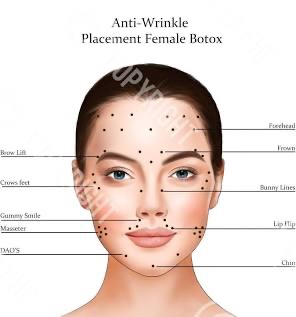
It’s been incredibly busy at the clinic these past few weeks. We’re right in the heart of “Botox season,” and so many of you have been coming in, especially looking to define and enhance your jawlines. It’s been amazing to see such fabulous transformations and to help people feel their absolute best!
We’ve also had an exciting new arrival that I just have to tell you about: The Fresh Face Pillow. This incredible innovation has been a huge hit with my clients! It’s designed to support the face during sleep, helping to maintain smoother skin and reducing the risk of sleep wrinkles. Beauty sleep just got a major upgrade — and honestly, I can’t recommend it enough!
On top of the busy clinic life, I’m also preparing for something very close to my heart — ballroom dancing! I’ll be heading up to Blackpool very soon to compete, and I couldn’t be more excited (and nervous!). Dancing is a huge passion of mine, and it feels wonderful to be able to throw myself into it alongside my professional work. Please keep everything crossed for me — your support means the world, and I’m hoping to bring home a trophy!
Thank you again for being part of this journey with me. Your trust, encouragement, and enthusiasm are what keep me inspired every single day.
Sending lots of love, Clare
1. Botox Woes: A Frozen Look and Droopy Eyes Danny Heat, Basildon
Q: I’m a huge fan of the column and I can’t wait to visit you My question is about Botox. I stopped getting it four years ago because my forehead is quite small and the treatment made my eyes droop. After about a month, it just gave me that dreaded frozen look. I’m now a blank canvas—what can I do to look younger and fresher without appearing frozen?
A: Dear Bonnie – Botox is indeed a powerful tool to reduce the appearance of fine lines and wrinkles. However, when not administered with precision, it can lead to exactly the issues you described.
The good news is that Botox can absolutely work for you again, especially with a more refined, tailored approach. For individuals with a smaller forehead, our experienced doctors use specific techniques to avoid heaviness or drooping. Most importantly, we can use a smaller dose to maintain natural movement and avoid the “frozen” effect. A personal consultation will allow us to determine the ideal dosage and placement to achieve a youthful, refreshed look—without compromising your natural expressions.
2. Winter Pounds: Help Me Lose the Weight Debbie Newcastle
Q: Like so many others, lockdown left me feeling like everything’s falling apart—especially when it comes to my weight. I’ve put on a lot, and I’m desperate for help. What miracles can you offer to help me lose it?
A: Dear Debbie – You’re definitely not alone in this. The pandemic has affected many of our clients in the same way. The good news? We can absolutely help you get back on track.
Here are some non-surgical interventions that can support your weight-loss journey—provided they’re paired with balanced nutrition:
High-Intensity Focused Ultrasound (HIFU): Targets larger areas of stubborn fat (e.g., abdomen and thighs) and works gradually over three months.
Fat Freezing (Cryolipolysis): Ideal for smaller, more stubborn fat pockets like love handles or lower belly fat.
Fat-Dissolving Injections: Suitable for relatively slim individuals with small, persistent pockets of fat that just won’t budge.
3. Recovering After winter bugs and flu Do Vitamin Drips Work? Stacey Moore, Southend
Q: My whole family has had virus, and we’re feeling completely wiped out. I’m 58, my husband’s 59, and our daughters are in their twenties. I’ve seen celebrities using vitamin drips—do they really work, and could they help us bounce back?
A: Dear Stacey – I’m so sorry to hear your family has been through such a tough time. You’re right: after any viral illness, the body experiences significant nutrient depletion—minerals, vitamins, amino acids, and proteins are all used to support your immune system. That’s why fatigue and weakness are common after recovery.
Intravenous (IV) vitamin therapy isn’t a cure, but it can be an excellent way to restore those lost nutrients quickly. These drips are classed as supplements rather than medicines, but many people find they help improve energy and speed up recovery.
4. Jawline Goals: Trial Before Commitment Sally Perkins Richmond Upon Thames
Q: Since lockdown, my fiancé has become really self-conscious about his appearance. He’s now obsessed with getting a jaw implant to square off his otherwise lovely face. Is there anything temporary he could try before committing to something permanent?
A: Dear Sally – It’s not unusual to become more appearance-focused in the age of social media, especially with the rise of the “perfect jawline” trend. While a defined, squared jaw is often seen as more masculine and attractive, surgery isn’t the only option.
Before considering a permanent implant, we strongly recommend trying Hyaluronic Acid (HA) filler, which can non-surgically contour the jawline. The results can last up to a year and are completely reversible, giving your fiancé the chance to see if the look is really for him—without the risks associated with surgery.
Clare Mc Sweeney
5 Sweating Struggles: A Fix for Underarm Sweat Ray King, Clapham, London
Q: I start sweating under my arms about 20 minutes after showering—even with deodorant and a fresh shirt. My boyfriend waxes and says it helps, but I’m a big guy and don’t think smooth armpits are for me. It’s becoming quite embarrassing. Any advice?
A: Dear Ray – You’re describing hyperhidrosis, a common condition that causes excessive sweating—and you’re definitely not alone.
A highly effective solution is Botox injections in the underarms. This medical treatment temporarily blocks the nerves that trigger sweat glands, dramatically reducing perspiration. The effects typically last between 3 to 6 months and can be life-changing for many clients.
Apologies for the delay in sharing my column—my head has been spinning! It’s been such a busy time, with so many exciting things on the horizon that I can’t wait to tell you about.
First and foremost, a heartfelt thank you to everyone involved in last month’s Autism Hero Awards.
We had an unforgettable evening at the 6th Annual AnnaKennedyOnline Charity Autism Hero Awards. ✨ A huge congratulations to all our winners and finalists! ✨
Thank you to everyone who attended and supported the event—our incredible judges, VIP guests, fabulous performersEve Devenney and Angus Baskerville, and all our amazing charity supporters.
A HUGE thank you and much love to all of my AnnaKennedyOnline volunteers. Your time, dedication, and support made this night a tremendous success. I couldn’t do what I do without you!
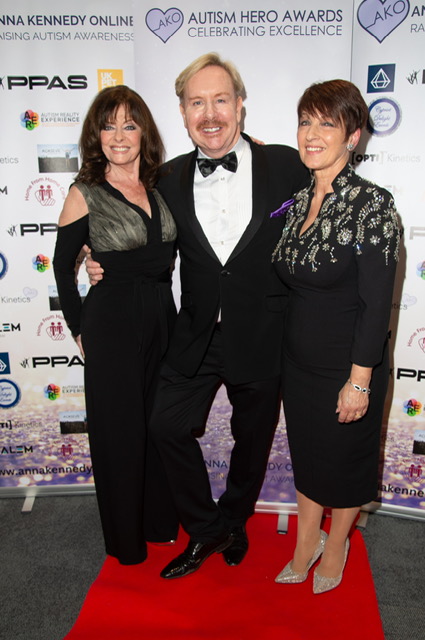
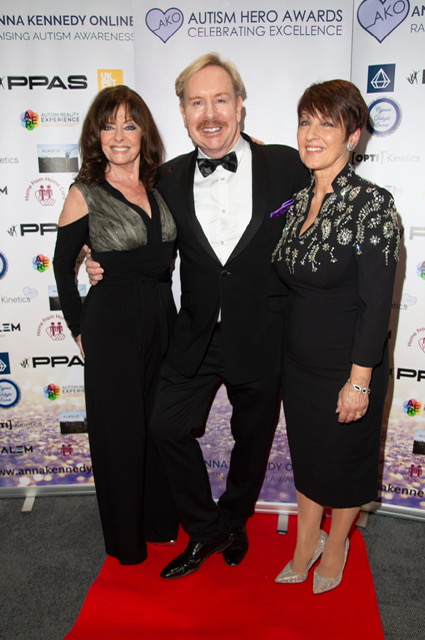
Vicki Michelle and Steven Smith with Dr Anna Kennedy OBE
Special Thanks:
💫 Aston Avery and Phil Barnett , our brilliant MCs for the evening – the AKO dynamic duo!
💫 Lisa Robins, my PA and friend, who has stood by my side and worked tirelessly for nearly 15 years.
💫 Tally Nothey, for creating our amazing programmes and marketing materials.
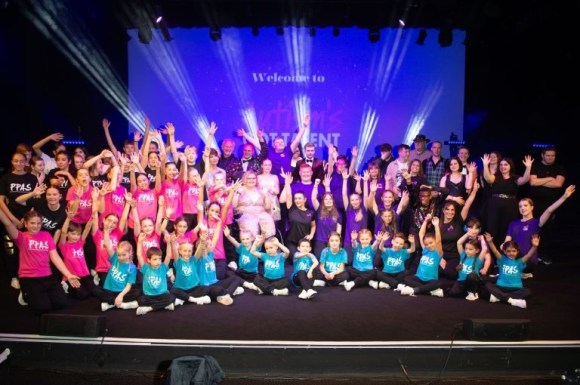
💫 Maggie Paterson and her team of dancers from PPAS, who have supported our events for the past 14 years.
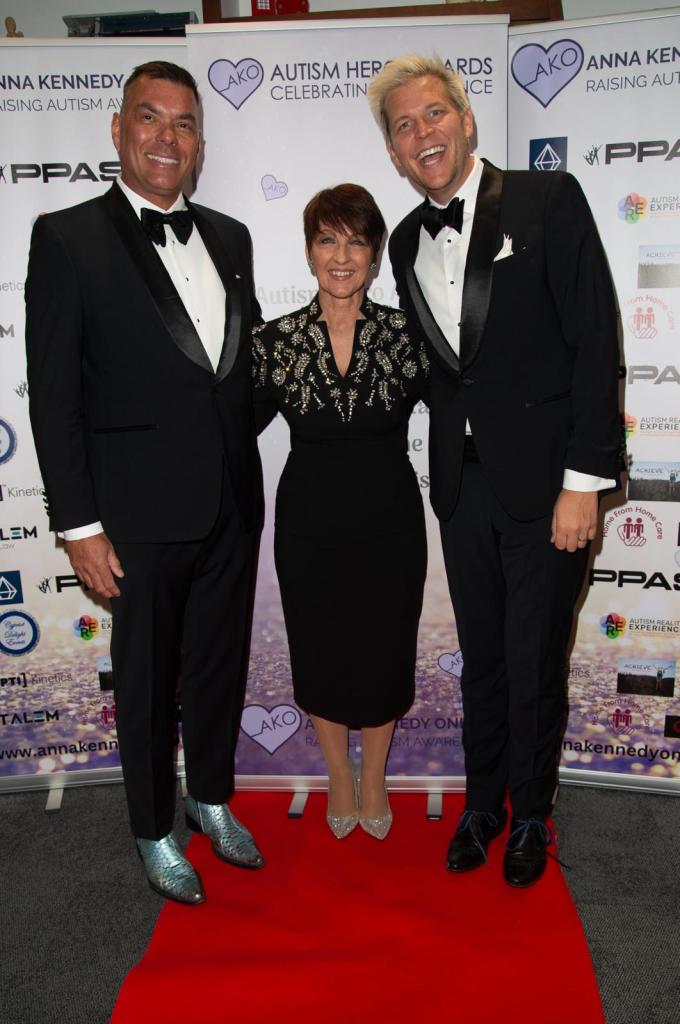
💫 Steven Smith, one of our charity Patrons and a dear friend, for your unwavering support over the last 9 years. Your presence means the world to us.
📣 Check out the full list of our 2024/2025 Winners and Finalists: 👉 Click here to view
Lisa and I recently travelled up north to Whitley Bay to prepare for the next Autism’s Got Talent showcase. If you’re interested in participating in the London event, entries close on May 31st! You can find all the details here: https://annakennedyonline.com/autisms-got-talent/.
We’re also thrilled to announce our first-ever Autism and Art Show, taking place at the FirePit Gallery in London. If you’d like to have your artwork featured, please email: spman@btinternet.com. One of the incredible artists whose work will be featured is
I live with autism, anxiety, and depression, which severely affect my ability to work in a mainstream job. I would love to work and have tried setting up various home-based businesses, but unfortunately, none have been successful.
Being in my 40s, my main source of income is Universal Credit, but they are now trying to take it away and force me into employment. I have explained that my day-to-day life is unpredictable, and committing to a job would be impossible, but they are not listening and say If I can go out and about I can go to work ,
What can I do?
Elizabeth, Brighton
Hello Elizabeth,
Thank you for your message. We have received many messages since the announcement of welfare cuts by the government recently.
Universal Credit, a UK benefit system, can pose challenges for autistic individuals, potentially leading to pressure to work despite the difficulties you have mentioned. It would appear that some autistic people may face having benefits reduced or stopped if they don’t meet certain work related requirements. In my opinion the Universal Credit system may lack the flexibility needed to accommodate the needs of autistic individuals like yourself.
A good organisation to contact to ask for advice is Disability Rights UK or DAWN of which I am an Ambassador. www.dawnsupport.co.uk
Sending you best wishes
Anna
Dear Anna,
My son is autistic, very active, and an absolute joy. He’s now 24, and my husband and I feel it’s time for him to gain independence by moving into his own studio or flat. However, he is completely against the idea and has a meltdown every time we bring it up.
Is there an advice board or resource that can help young autistic adults transition to independent living? What should we do?
Joe, Bradford
Hello Joe,
Thank you for your message and yes this can be a tough for all, the transition of moving home into independent living.
Planning and Preparation is key and to engage your son in the planning process. Start my talking and allowing them to express their preferences and needs. This will be a gradual process , a sudden shift can cause great anxiety. Research different housing options, including independent living, shared housing maybe an option or specialist housing to fit his needs.You will need patience and understanding , this is challenging all round.
My son Patrick has been living in his flat for almost 4 years now. Small steps but we got there in the end.
Good Luck!
Dear Anna,
I am a huge fan and would love to see you have your own show!
I’m 16 and living with a variety of challenges. One thing that really depresses me is the thought that I may never get to meet someone special. It feels like the prospect of romance is zero for me.
Are there ways for autistic people to meet and build relationships?
A good programme to watch on Netflix where my Overseas Ambassador Dani Bowman is taking part in is ‘Love on the Spectrum. ‘
There is also useful information on the Ambitious about Autism website. They offer a UK wide platform for autistic young people aged between 13 and 25 providing a safe online space to connect and understand your autistic identity. It also features ‘Relationships and Intimacy My way’ plus lots of resources.
What a night! It is truly an honour to be the patron of Anna Kennedy Online. The team has become like family, and with great excitement, I stepped out on Saturday for the annual Autism Hero Awards.
The Autism Hero Awards 2025: A Night of Celebration and Inspiration
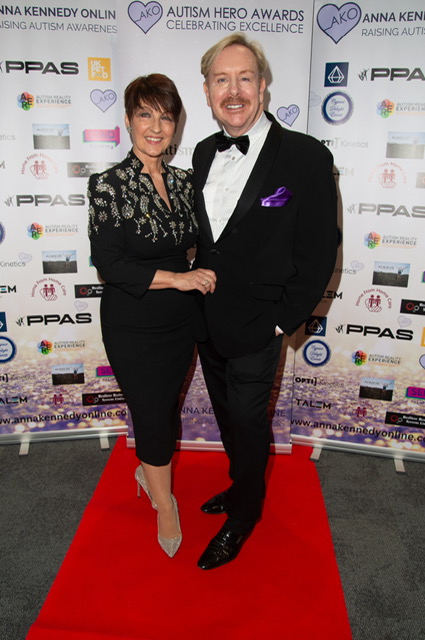
Red Carpet Ready GBNEWS Nana Akua and fiancé Stephen Gillian .
On March 15, 2025, the prestigious Autism Hero Awards, hosted by Dr. Anna Kennedy OBE, took place at the Holiday Inn Regents Park, London. Organized by the charity Anna Kennedy Online, this highly anticipated event honoured the remarkable achievements of individuals, organisations, and initiatives making a positive impact in the autism community. With inspiring award categories, special performances, and celebrity guests, the night was a spectacular celebration of talent, resilience, and advocacy.
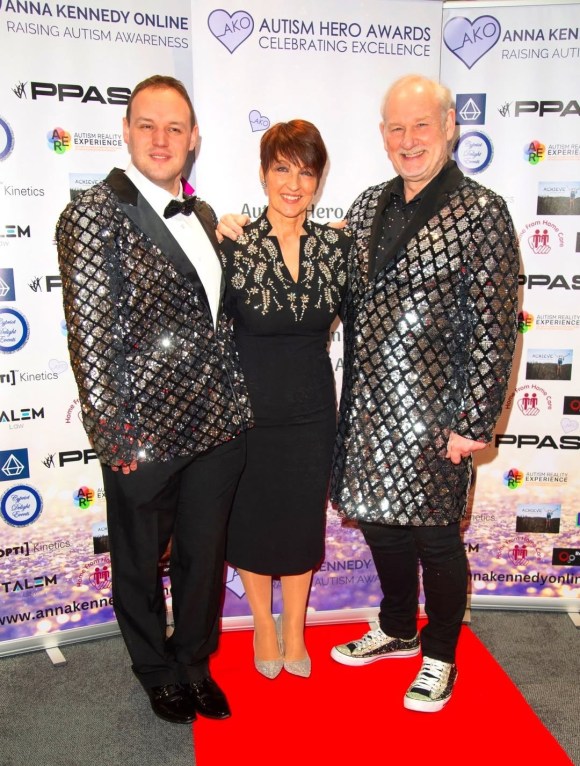
Anna Kennedy surrounded by glitz and glamour towering above her Actor Matthew Blake and entrepreneur Richard Andrews
A Star-Studded Guest List
The event welcomed an impressive lineup of celebrities, including bestselling author Samantha Lee Howe, actress Vicki Michelle, actor Gary Webster, television personality Wendy Turner Webster.
Tiano’s Christopher Hamilton with Anna Kennedy OBE
Heartstopper star Bradley Riches, presenter Nana Akua, and fiancé author Stephen Gillian. 70 years In the business Frazer Hines danced till midnight . Olympic champion and patron Joe Luck was on hand ,
Award winning author and screen writer Samantha Lee Howe who judged the awards along with me Steven Smith
Adding to the glamour was singing sensation Tiano’s Christopher Hamilton. Actress and presenter Danielle Mason, Pink Ribbons’ Lisa Allen, and artist Piluca Camino Alcon also graced the event. The evening’s main hosts, award-winning presenter Aston Avery and youth theatre organiser Phillip Barnett, ensured the night flowed seamlessly with warmth and professionalism.
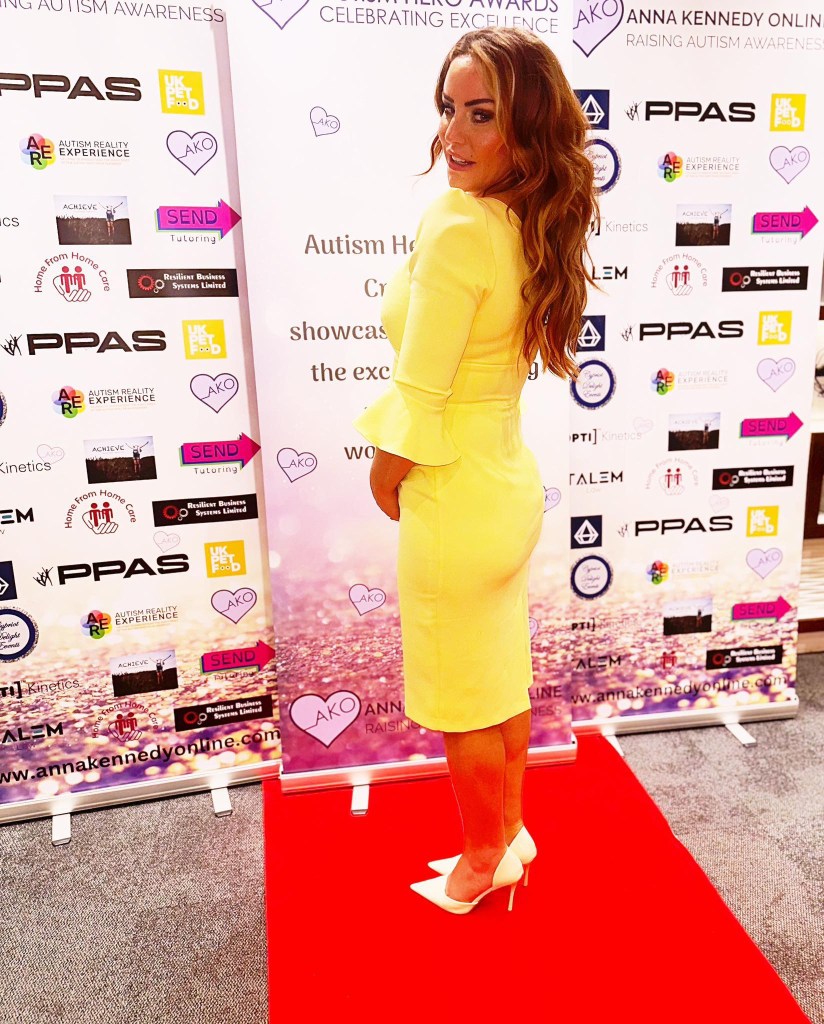
Model actress and presenter Danielle Mason joined the celebrities and crowd .
The Autism Hero Awards is more than just an event—it is a movement that recognises the incredible contributions of individuals and organisations within the autism community. Each category highlights a different aspect of support, advocacy, or achievement, celebrating efforts both big and small.
A night to remember
Award Winners and Highly Commended Recipients
Young Person of the Year Award Winner: Lucy Lovett Highly Commended: Jiya Rai, Chapman Shum
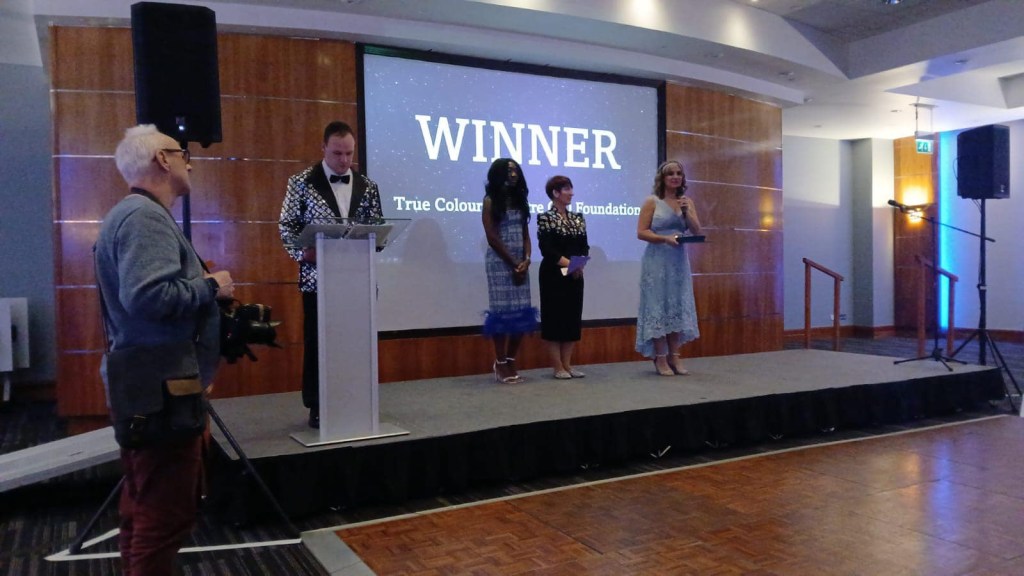
Outstanding Community Award Winner: True Colours Theatre CIO Foundation Highly Commended: Craig Henderson, Doncaster Autism Service
Terry Scott is ready to do his thing as Aston Avery presents and Nana Akua and Anna Kennedy present and award to True Colours .
Sibling of the Year Award Winner: Brooke Scaysbrook-Smith Highly Commended: Kayden Francis, Rosie Simmons
Parent/Carer of the Year Award Winner: Nicole Simmons Highly Commended: Amanda Inglis, Satia Rai
veteran acting royalty Frazer Hines .
The Lifetime Award Winner: Elspeth Jones Highly Commended: Annie Sands, Joely Williams
Leading Business Award Winner: Skye Stack Highly Commended: Pamela Capriglione, Hiyed CIC
People’s Autism Hero of the Year Award Winner: Blaise Heywood Highly Commended: Jenny Robinson, Rose Connelly
Two of the judges actor Gary Webster and presenter and author Wendy Turner
Creative Arts and Media Award Winner: Curran Dobbs Highly Commended: Libby Barrett, Amaya Edwards
Support Group of the Year Award Winner: Kim Drake – Little Hero’s ASD Support Group
Personal Achievement Award Winner: Thomas Howard Highly Commended: Amaya Edwards, Kelsey McInearney
Online Social Network Award Winner: Daniel Jones
The star of the night Vega
Human-Animal Bond Award Winner: Philippa Jane Sjoberg & Scrumpy Highly Commended: Sarah Allen & Patsy, Bobby Clark & Zeus
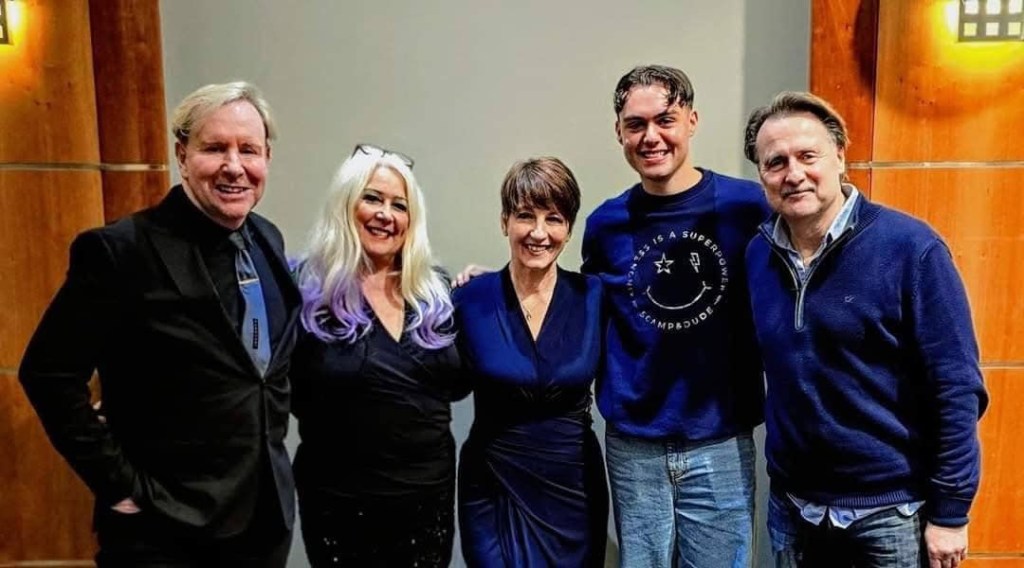
The judges Steven Smith Samantha Lee Howe Brad Riches , Gary Webster with Anna Kennedy OBE
A Night of Emotional Speeches and Performances
The night was filled with heartfelt speeches from winners and nominees, many sharing personal stories of perseverance and triumph. One of the most touching moments came from Thomas Howard, who received the Personal Achievement Award for his relentless advocacy in making neurodiversity training mandatory in higher education. His emotional speech moved the audience, reinforcing the importance of awareness and inclusivity.
On hand celebrity magician Angus Baskerville entertained .
The Impact of the Autism Hero Awards
Events like these play a crucial role in breaking down barriers, fostering inclusion, and encouraging ongoing support for autistic individuals. Dr. Anna Kennedy OBE, the driving force behind the awards, delivered a passionate speech about the importance of community support, education, and advocacy. Her dedication continues to bring positive change and hope to countless individuals and families.
Looking Ahead
As the curtains closed on another successful Autism Hero Awards ceremony, attendees left inspired and determined. The event once again proved the importance of recognising and celebrating achievements within the autism community. With each passing year, the Autism Hero Awards grow stronger, touching more lives and expanding their reach.
Upcoming Event: Autism & Art Show
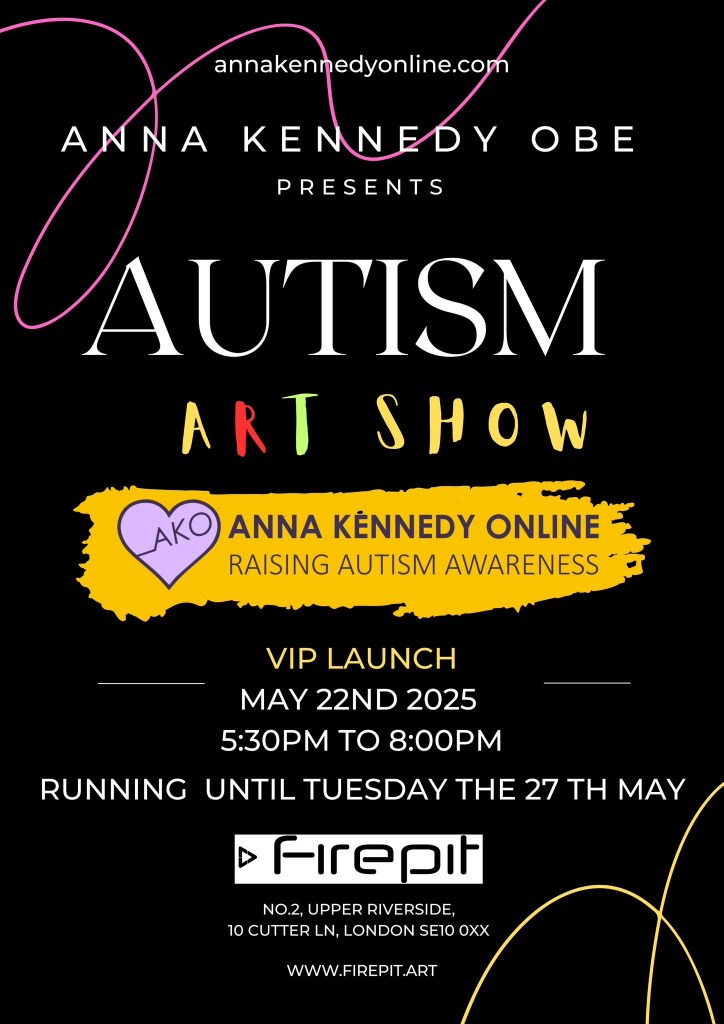
Anna Kennedy Online in Association with Firepit Art Gallery CIC Presents Their Inaugural 🎨 “AUTISM & ART SHOW” 🎨
VIP Red Carpet Launch: May 22nd, 2025 Exhibition Dates: May 22nd – May 27th, 2025
“For people on the autism spectrum, art is a powerful medium that encourages self-expression.”
Anna Kennedy Online, in collaboration with the Firepit Art Gallery, is proud to present the first-ever “Autism & Art Show.” This exciting event showcases incredible artwork from autistic artists and their allies, with all profits supporting the charity Anna Kennedy Online. Art is more than just a passion—it serves as a therapeutic outlet, offering solace and joy to many individuals on the autism spectrum.
Are you an artist on the autism spectrum or an ally who wishes to contribute? Donations of artwork or a percentage of sales are welcomed to support this meaningful cause. Showcase your work at one of London’s most vibrant galleries!
🎟 Get Your VIP Night Tickets Below! https://bit.ly/42Jo4OA (Other exhibition dates are free to attend, but donations to the charity are greatly appreciated.)
📍 Event Location: Firepit Art Gallery CIC Firepit Gallery No.2, Upper Riverside, 10 Cutter Ln, Ground Floor Unit, Greenwich Peninsula, London SE10 0XX
🔗 Learn More & Support the Charity
Chris Wilde one of the artist who work will be on show .
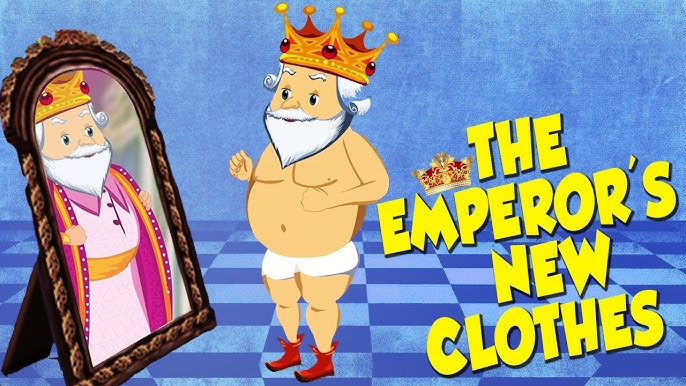
We are living in an era where serious fraud is celebrated, and the tale of The Emperor’s New Clothes feels more like reality than fiction. If you dare to point out the truth—that the emperor is, in fact, naked—you might find yourself in court. It’s an utterly unhinged world we live in.
I am at a lovely lunch in the heart of Essex, a place synonymous with spray tans, hair extensions, Botox, and outrageously long lashes. To say the least, I fit right in. My gorgeous companion has abandoned extensions yet looks stunning, appearing even fresher and more youthful than the rest. She is what I would call real. When she did go the false route, she never told tall tales or passed them off as her own. She is genuine—in fact, we once joked about the extensions needing food parcels. If she had lied, I wouldn’t trust her.
So, when I recently noticed a trans woman using what I find to be the most troubling and manipulative card of all—the “Dead Life” card—I was deeply concerned. And now, everyone is expected to either accept her version of events or face being sued. This isn’t a joke—it’s a serious issue.
For those unaware, the “Dead Life” concept allows individuals who have transitioned to rewrite their past. Not only can they change their pronouns (I am totally with) but in some cases, they can craft entire fictional histories for themselves—transforming their previous existence into something entirely unrecognisable. A bit like The Lion, the Witch, and the Wardrobe, where a whole new world is created from imagination.
Now, let me be absolutely clear: I have had the privilege of knowing many incredible, talented, and brave trans women. They have undergone their journeys to become their authentic selves, and in my eyes, they are now—rightfully—women. Interestingly, none of them have resorted to the “Dead Life” tactic. Instead, they have spoken openly about their lives, their struggles, and their triumphs, offering guidance and inspiration to others. One such example is the incredibly lovely India Willoughby, newsreader and presenter.
Gorgeous and talented India Willoughby and asset to us all and role model for the trans community.
However, let’s consider a different scenario. Suppose I told you that, at 16, I was an astronaut and had a torrid affair with Madonna. That would be an outright lie (all but an amusing one). At 16, I was, like many others, just a regular teenager experiencing life. But here’s the difference: if I were to publish a book claiming such fabrications as fact, people would rightfully call it out as nonsense.
Madonna called for you to “Express yourself ” not lie .
So why is it that a trans woman can write a memoir claiming that, at 17, she was a stunning young woman having an affair with a well-known pop star (now deceased)—when, in reality, at that time, she was a 17-year-old boy with acne? The claim that she auditioned for a well-known girl band when she would have needed a good shave for that is also questionable. But what’s really worrying is the superimposition of pictures of herself as a girl into family photos when, in fact, she was a boy.
How can publishers allow this and sell it to an unsuspecting public? It is deceitful. Should we sue?
Even newspapers are reporting such blatant fabrications as truth. It makes Trump’s propaganda look like child’s play. As a community are we not all up in arms about his lies ?
Lies are not facts. Yet, we live in a time where, if The Emperor’s New Clothes were rewritten today, the boy who dared to shout, “He’s naked!” would be the one dragged into court. It’s insanity. Serious fraud is being rewarded, and if you speak out against it, you are painted as the villain.
Now, I am sure that many trans women who invoke the “Dead Life” narrative are simply living their lives quietly and not publishing books filled with fabricated stories. But as a community, we are in danger.
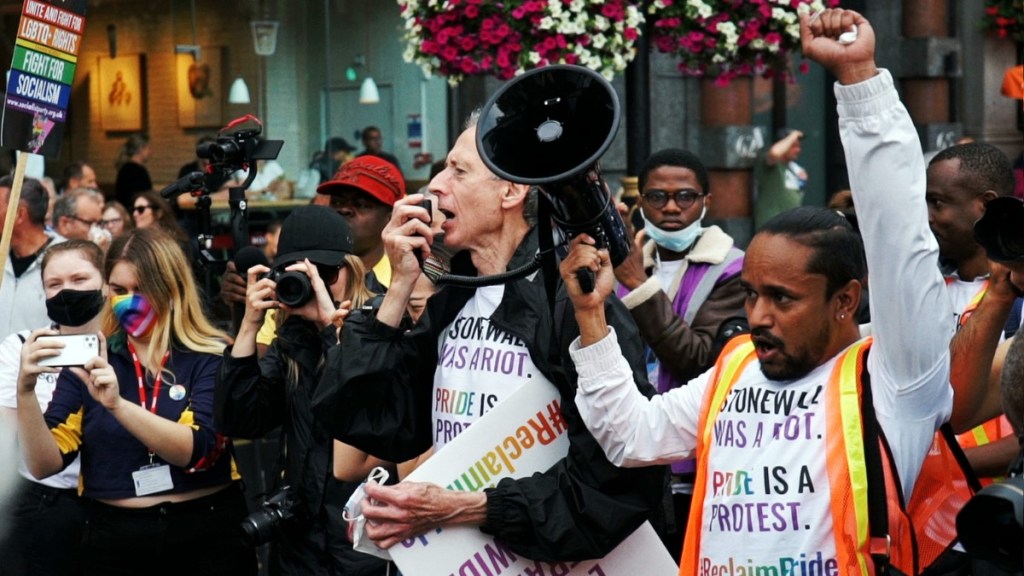
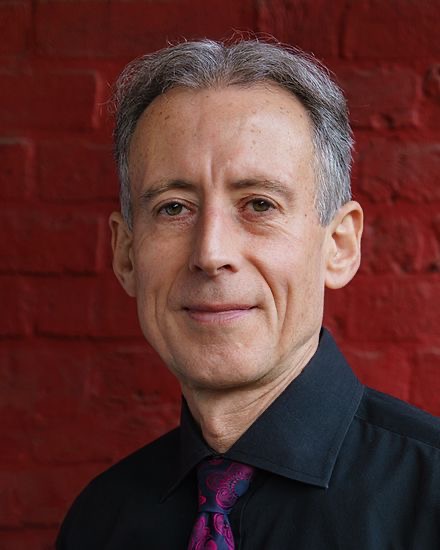
On 5 March, Legendary Children (All Of Them Queer) screened for the first time in London to a sold-out crowd. The screening marked the end of LGBT+ History Month and was followed by a Q&A with human rights campaigner, Peter Tatchell, who said he hopes the film inspires others towards activism.
Peter Tatchell made an incredibly insightful point. He doesn’t just work within LGBTQ+ charities; he also volunteers in a range of organizations, including those within religious communities that have historically been homophobic. By leading through example—by showing up, engaging, and being part of these spaces—he changes minds. That is real activism.
A humble hero Peter Thatchell
Many trans people do not wish to be part of the LGBTQ+ community, and that is their choice. However, for now, they remain within it. They are welcome. But honesty must remain at the core of any community. Without honesty, we lose trust, and once trust is broken, everything begins to crumble.
When a con artist exploits the “Dead Life” card to fabricate a fictional past and present it as fact, we all suffer. We need to hold individuals accountable. My hope is that someone exposes this person for who they truly are—so that they may serve as an example to others not to go down the same route,
Because, at the end of the day, she is spoiling it for the others.
The incredible Boy George and 2hades favourite David Hoyle a star .
Picture credit: Isabella on Pinterest (@iisabellalima)
This eerie planet changed my life. But what does Saturn have to do with anything?
Is it true what they say about Saturn’s Return and the transformation it brings?
If you know anything about astrology or retrogrades, you may be familiar with where I’m taking this. But for now let’s address the elephant in our solar system, the enigmatic Saturn.
Saturn is THE planet that shapes us into who we truly are and plays a role in our conscience for character development. These lessons come in mysterious forms and it’s upto us to catch it and break a pattern for the greater good.
However, if you don’t care for astrology, open your mind to the possibility that this work of fiction makes me a better human everyday.
I asked Saturn with its countless moons and icy rings, why must you pierce through my emotions so profusely? There’s only so much I’m allowed to feel in this civilised world or they will think I’m mental. For thinking too much and living too less.
Saturn whispered to me, “And who are they? Who are these people who made you think before you could act? Who’s stopping you from living?”
I choked at first, I felt uneasy that a voice in me cared to question me rather than defeat me. I said to him that it was the opinions given to me over the years by family, friends and lovers. My family struggles to take my personality out of the crib and I sought refuge from the devastating state of my family in my friendships and relationships.
Saturn corrected me and said, “As a child you take. As a child you respect those who take care of you and learn how to behave. Tell me, are you a child now? Will you continue to give your inner child the stage, or will you take the stage as an adult and create your own audience?”
I shuddered as the lifestyle I’ve lived so far seemed to be crashing at my feet. The inner child is my imagination. Am I holding on to the miseries of my past to justify the lack of effort in the present moment?
I ask Saturn if the voices that linger in my mind are there to deceive me. Could they possibly be voices of others that are used on themselves as false wisdom?
Saturn smiled and said, “Who knows? Is it something you wish to know? Or forgo?”
Moments in my life where I understand what Saturn means when it says, let go. We live in a miracle
I was lost, am I just confusing myself? What is the point of knowing and how will I ever know? It’s all a silly guessing game and time spent worrying about minds that I can never read.
I’ve met some brave people along the way who embody the sayings, “Don’t worry be happy” or “Live your life to the fullest”. I feel grateful for these encounters because they show me that the path I’ve readjusted to seems to be working. And that my conversations with Saturn are real.
It makes me wonder how they seem to do everything so effortlessly. How are they so live-laugh-love? I ask Saturn, what’s their secret?
Saturn answers plainly, “Today you could live your life to the fullest, tomorrow could be the worst day of your life. Be grateful for the day a light from the outside has been shown to you. On days when darkness takes over your speech, a simple memory of that light will bring back your words.”
I was in awe of the wisdom this mystical planet was inducing in me. It never felt like a voice that was trying to break me down to feel worthless, it was breaking down the unnecessary clutter in my mind to acknowledge my worth.
As a person who loves decoding thoughts and emotions, judgement comes knocking on my door as a regular guest. But the kind of judgement I fear most is the one I have towards myself.
I worry that self-judgement is a silent epidemic which harbours resentment within oneself and blinds the vision enough to look at another as an object of gratification. Gratification of the seven deadly sins as they say.
With a curious mind I asked Saturn, is it even possible to overcome judgement of all kinds? Or must we learn to live with it and not allow it to yield its weapons?
Saturn agreed for the first time and added, “Judgement towards another is judgement towards oneself. Why step on someone’s toes when you fully intend to kick them on the chest? Either way, a spirit has been harmed, theirs and yours. And in the spirit of humanity, you have lost your way again. You find yourself ten steps behind but remember, forgiveness never keeps count and always moves forward.”
The funny thing about wisdom or guidance through any source is how one perceives it and implements it in their own lives. The intention which I write this article will never be reflected the way I wish for it to; but it will resonate with some, one or maybe none.
But perhaps that’s the journey of self-discovery. And Saturn, with its nonchalant advice, comes to teach you that and more if you care to listen carefully.
Here’s a lovely song by international pop-star, SZA who talks about her journey with Saturn.
If there is one thing that gets my back up, it’s when a gay man tells me, “I only sleep with straight men.” It’s such an oxymoron. It screams of homophobia. That being said, some of the most homophobic people I have met have, in some cases, been other gay men.
I have written a whole feature on the topic. The fantasy itself is great on paper—why not? Everyone has fantasies, and most sexual fantasies are harmless. In a safe relationship, when discussed, they can even add some sizzle to your love. life. https://2shadesmagazine.com/2024/06/18/trolls-trauma-straight-men/
Andy Warhol once said, “People’s fantasies are what give them problems. If you didn’t have fantasies, you wouldn’t have problems because you’d just take whatever was there.”
My big go-to has to be actor Colin Farrell. Even though he is straight, he regularly pops into my mind. Knowing someone identifies as straight means I personally would not try to date them, preferring instead for someone to reach out to me. We have some very sexy out actors such as Jonathan Bailey and Andrew Scott. Not so long ago, being an out actor was the kiss of death for a career, but Bailey and Scott have shattered that notion and become box office dynamite. Having met Scott at the gym, I can also say he is lovely.
Colin Farrell
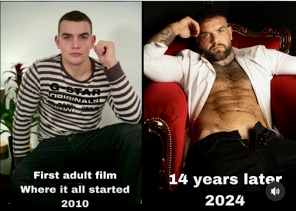
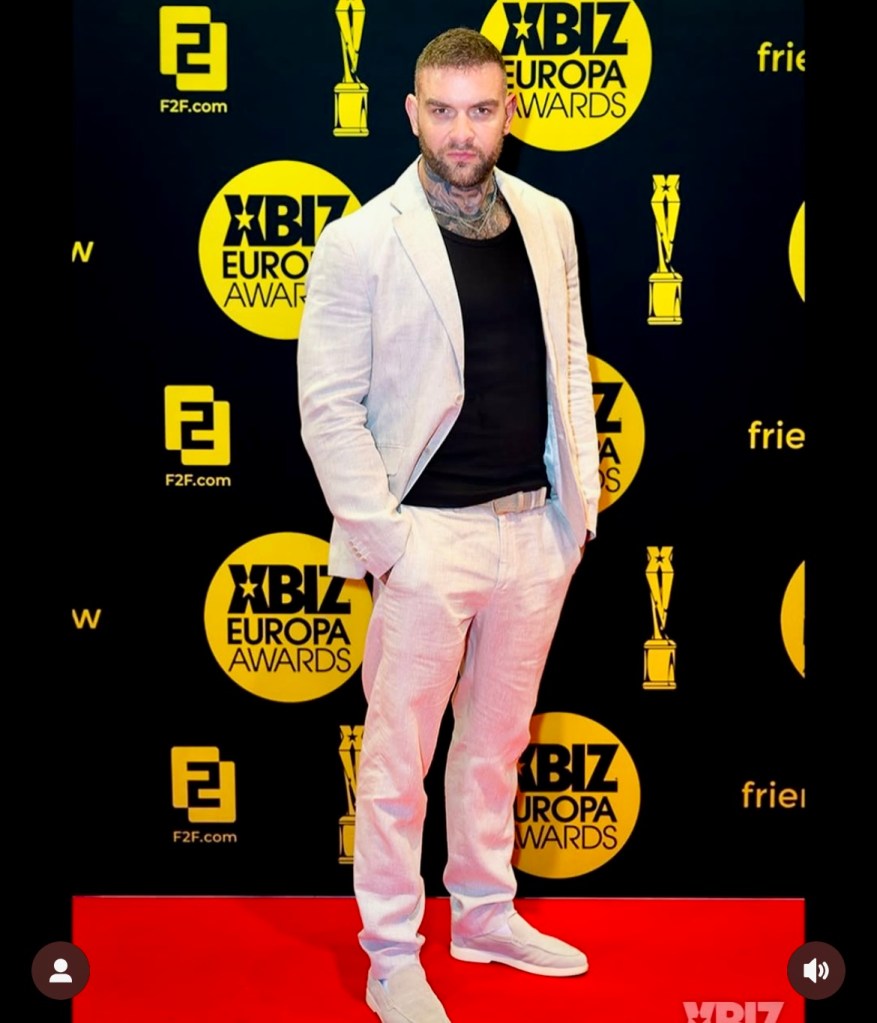
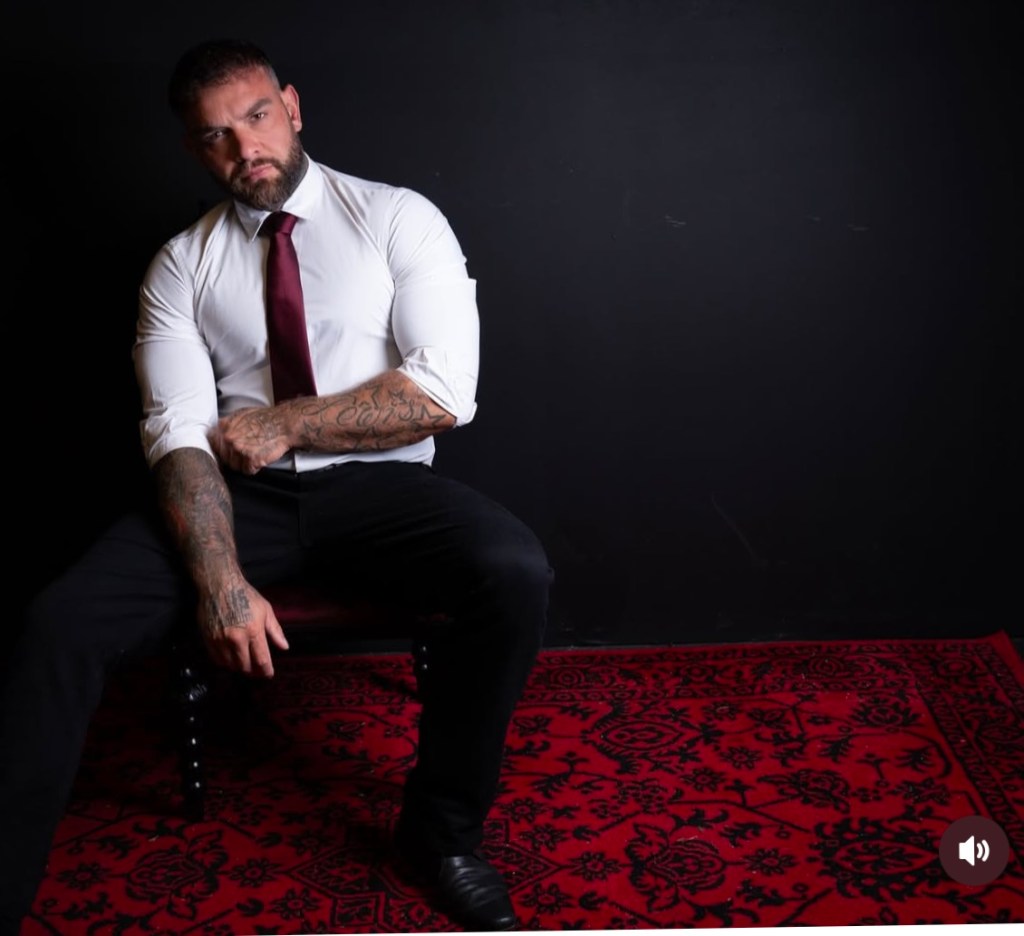
With supply and demand, adult actor and entrepreneur Andy Lee has found a niche in the market, creating adult content that is arguably aimed at the gay market. He and most of his team of working men would identify as heterosexual. Andy is making a mint with his OnlyFans page, and without a doubt, with his cheeky grin and self-confidence, he is becoming the most recognizable face in UK adult porn.
He is not without his critics—the hate mail comes fast, along with accusations that he is taking advantage of gay men. Personally, I have nothing but admiration for Andy and hope his haters watch him travel the world in style and drive fancy cars. The clever part is that he is simply supplying what people want—he’s not holding a gun to anyone’s head.
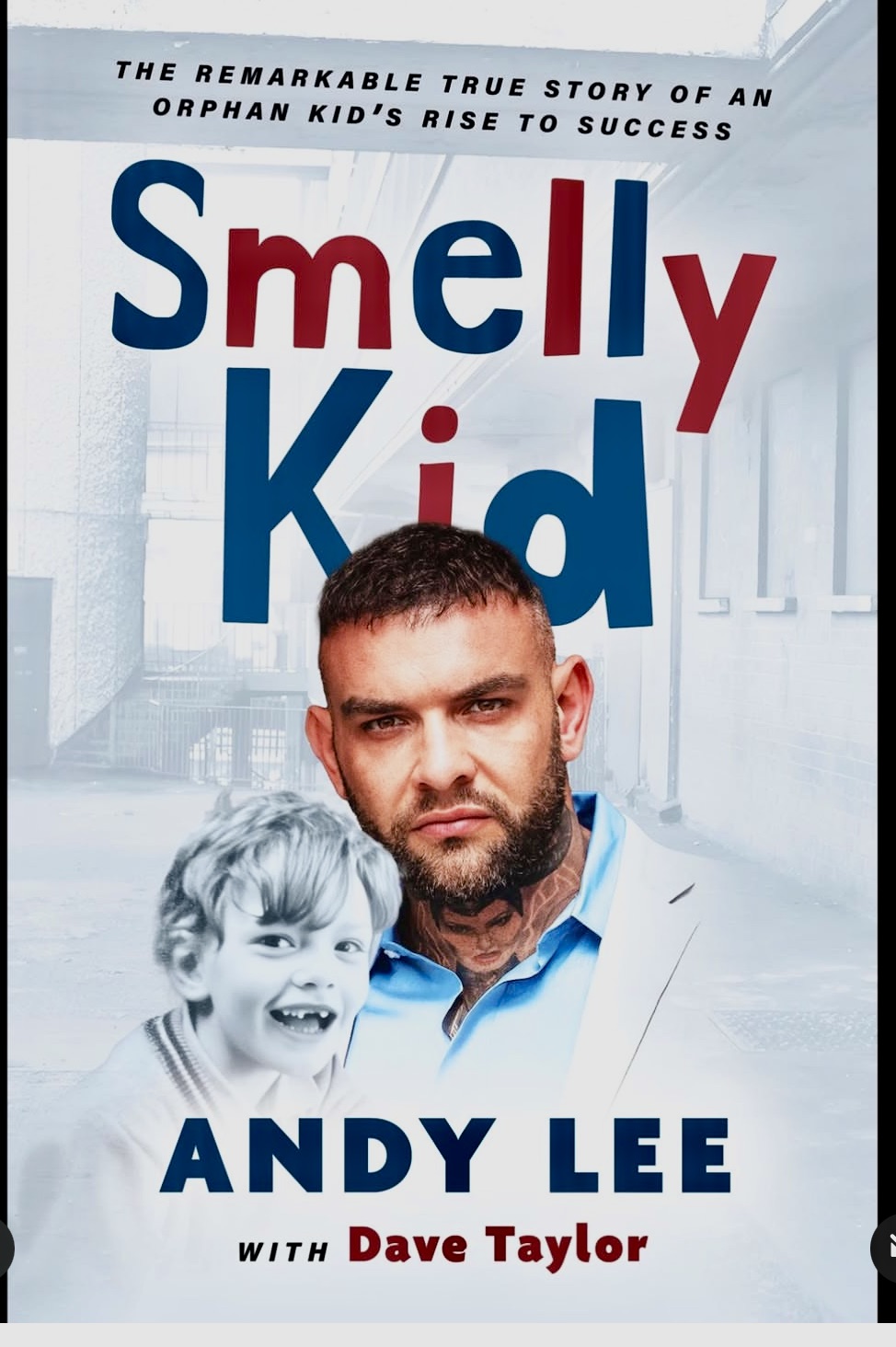
This is a man who came from nothing, losing his mother at age 12, but climbed his way to the top. His new book, Smelly Kid, is well worth a read. His film, Only Andy, available on Amazon, was a hit. Don’t be afraid to watch it—it’s an interesting and well-crafted look at OnlyFans and a man you will likely end up liking. My prediction? Lee will take a few acting lessons and eventually transition into mainstream films.
Steven Smith meets Andy for six of the best.
1. How tough was it growing up in a terraced home in Dublin? Do you think it gave you the strength to succeed?
My childhood wasn’t easy. My father abandoned me, leaving me to be brought up by my single mother, who tragically died when I was just 12 years old, leaving me orphaned. By 15, I was living rough on the streets, just struggling to survive. What that taught me was that everything you have can be taken away from you, just like that! You asked if it gave me the strength to succeed? Damn right, it did. Having spent most of my childhood without enough to eat, I am determined never to be in that place again.
2. You’re a skilled plumber—when did you decide to transition into the adult movie business?
Well, the reality is I did adult movie work before I was a plumber. However, it was just a casual affair—doing random shoots for different porn websites whenever I needed some extra cash. I didn’t decide to transition from plumbing to porn. My homophobic boss found out about my old work on gay websites and fired me. This was just at the beginning of lockdown. With no other obvious means to earn a living, I started OnlyFans. It wasn’t something I planned to do, but boy, am I glad I did!
3. Many struggle to make it in the industry, but you’ve turned it into a major success, inspiring others to follow. What advice would you give to those thinking about swapping their tools for the adult film industry?
The main advice I’d give anyone considering a career in adult movies is to seriously consider whether they could cope if their content got leaked—meaning all of their family and every potential employer could see it. People really need to realize that once something is put online, it’s nearly impossible to take it back.
4. The adult movie business is notorious for its impact on mental health. How do you protect your well-being and plan for the future?
Amazingly, my mental health is better now that I’m a full-time adult content creator than it’s ever been in any of my previous employment. The secret is to fully own what you do—don’t be ashamed of it. That way, it’s impossible for others to shame you. Also, I treat this like a proper business. That means I can go to work, give it my all, and then go home and switch off. I separate my work life from my regular life.
5. You’ve traveled extensively—what’s your favorite place?
I absolutely loved Japan. Everything was so efficient, and the food was amazing. I think I had my best-ever meal in Japan: a katsu curry, cooked to crispy perfection.
6. When you look at someone, what do you find sexiest?
Easy. I love a well-rounded rear!
Quick Fire Round
What advice would you give your 16-year-old self?
Hang on in there, kid—you will get through this, and it will be okay. Don’t listen to those who tell you you are nothing because you are amazing!
Favorite food?
Hot & spicy curry!
The most romantic place for a date?
Confession, I’m not hugely romantic. My perfect date would be a movie followed by a cheeky Nando’s.
FROM THE GRIM REALITIES OF A POVERTY-STRICKEN CHILDHOOD in Dublin’s inner city to an unexpected rise to fame, Smelly Kid is the raw and gripping memoir of Andy Lee. Abandoned by his father, orphaned by twelve, and left to navigate a world that seemed determined to cast him aside, Andy’s early years were a relentless struggle for survival. Homeless and hungry, he battled against the odds, finding solace in the rare kindness of strangers and the rebellious spirit that refused to let him sink.
But Andy’s story is not just one of hardship – it’s a tale of resilience, transformation, and unexpected success. With humour and unflinching honesty, he takes readers on a journey from the streets of Dublin to the bright lights of the adult entertainment industry, proving that no matter where you come from, you can carve out your own destiny.
GRITTY, HEARTBREAKING, AND ULTIMATELY INSPIRING, SMELLY KID IS A STORY YOU WON’T FORGET.
Happy New Year! Let’s hope 2025 is a great year for us all. I’m busy with my team, as always. Among the many things we have lined up is The Autism Hero Awards, being held at the Holiday Inn, Regent’s Park, London on the 15th of March. You can find information on how to get tickets and sponsorship details at the bottom of this column.
As always, we also have the amazing Autism’s Got Talent later this year—audition tapes are welcome now!
In other news, our autism ambassador, Kieron Lee, is launching a neurodiverse musical education platform as his final major project for his BA (Hons) degree in Popular Music.
We’re also thrilled to announce that our patron, Steven Smith, along with the incredible Annemarie Bickerton, will be hosting the first-ever Autism Art Show, featuring artists on the autism spectrum and supporters of the charity. Money raised will go directly to the charity. This event will be held at the sensational gallery, The Fire Pit (https://www.firepit.art), from May 22 to May 25, 2025.
Dr Anna Kennedy OBE with one of her patrons Steven Smith ,
Please keep your questions coming into 2Shades magazine. I’ve been thrilled to join such a diverse and exciting publication!
Dear Anna, Trust you’re well. My family loves your column. We were wondering: What do you think are the most common myths about people living with autism?
Dawn, Essex.
Thank you, Dawn, for your kind comments. Sadly, there are still a lot of autism myths out there.
Here is five common ones
5 Myths and Facts About Autism
Myth 1: Autism is caused by vaccines.
Fact: There is no scientific evidence linking vaccines to autism. Numerous studies have thoroughly debunked this myth. Autism is believed to be influenced by a combination of genetic and environmental factors, but vaccines are not one of them.
Myth 2: People with autism lack empathy.
Fact: Many individuals with autism experience empathy deeply, but they may express it differently. Some may have difficulty recognizing social cues, but this does not mean they lack feelings or care for others.
Myth 3: Autism only affects children.
Fact: Autism is a lifelong condition. While symptoms might present differently as people age, autistic adults continue to experience challenges and strengths associated with autism throughout their lives.
Myth 4: Everyone with autism has the same abilities and challenges.
Fact: Autism is a spectrum, meaning it affects individuals differently. Some may have significant support needs, while others may live independently and excel in various fields. No two autistic people are alike.
Myth 5: Autism can be cured.
Fact: Autism is not a disease and does not need to be “cured.” The focus is on acceptance, support, and enabling autistic individuals to thrive by embracing their unique perspectives and abilities.
Would you like to dive deeper into any of these points?
Dear Anna, My daughter is being labelled disruptive at school. She’s been diagnosed with autism and severe learning difficulties. Despite discussing this with the headteacher, she’s suggested that Mary, my daughter, not return this term and instead find a school more suited to her needs. Anna, I feel lost—what can I do, or who can I turn to for help?
Diana, Essex
Dear Diana, I feel your frustration.
Please do contact our charity website using our contact form at http://www.annakennedyonline.com. We can discuss the possible way forward. In the meantime, do some research on schools that may meet your daughter’s needs within an hour’s drive of where you live.
You will then be in a more informed position on what is available in your area. You could visit a few schools to get a feel for the services and resources they offer.
Dear Anna, How does someone become part of Autism’s Got Talent? My son is super talented at playing guitar. He’s a little shy and unsure about auditioning. He’s also worried about encountering a harsh judge.
David, Edinburgh
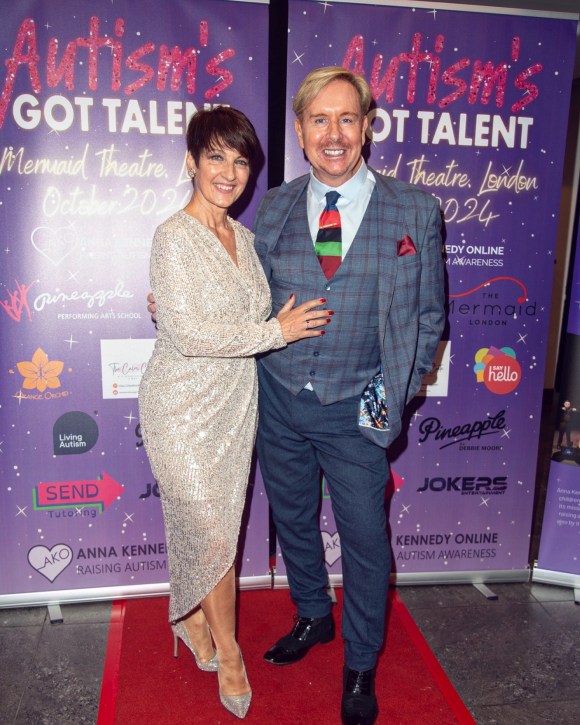
Hello David, Autism’s Got Talent is now in its 14th year and one of the highlights of our charity year.
This is a showcase of talented individuals performing at The Mermaid Theatre, London. Autism’s Got Talent is not a competition.
Please do watch our highlight videos on our charity YouTube channel.
You could also come along to the show in October to experience the magic. Share the experience with the audience made up of parents, friends of the performers, and members of the public who are regular supporters. Feel the magic and be inspired. Then send a tape in of your son performing . love Anna
Autism’s Got Talent.
Dear Anna, My son is 19 and wants to start dating. He’s a lovely young man but has a stammer and lives with autism. I’m worried about how he’ll handle rejection. Is there a webpage or group where he can meet like-minded people?
Brenda, Norwich
Hello Brenda, There are many dating sites now for autistic individuals.
A popular Netflix docuseries, Love on the Spectrum, showcases autistic individuals navigating the world of dating. One of our charity’s overseas ambassadors is featured in series one and two.
In this romantic docuseries, people on the autism spectrum look for love and navigate the world of dating and relationships. https://www.netflix.com/gb/title/81338328
Good luck!
Dear Anna, I love your dancing! I’m 17 and want to learn to dance seriously. Living with autism has always made it feel challenging, but I’d like to get more involved. How did you learn?
Love, Melanie, Brighton
Hello Melanie, Dance is a great way to stay fit and boost your mood and well-being. I started tap dancing at age 6 and fell in love with dance then. It definitely keeps you feeling young.
Join a local dance class and discover which dance style suits you best. There are also many dance classes online if this makes you feel more comfortable at first, then gradually progress to a dance studio.
Good luck and enjoy!
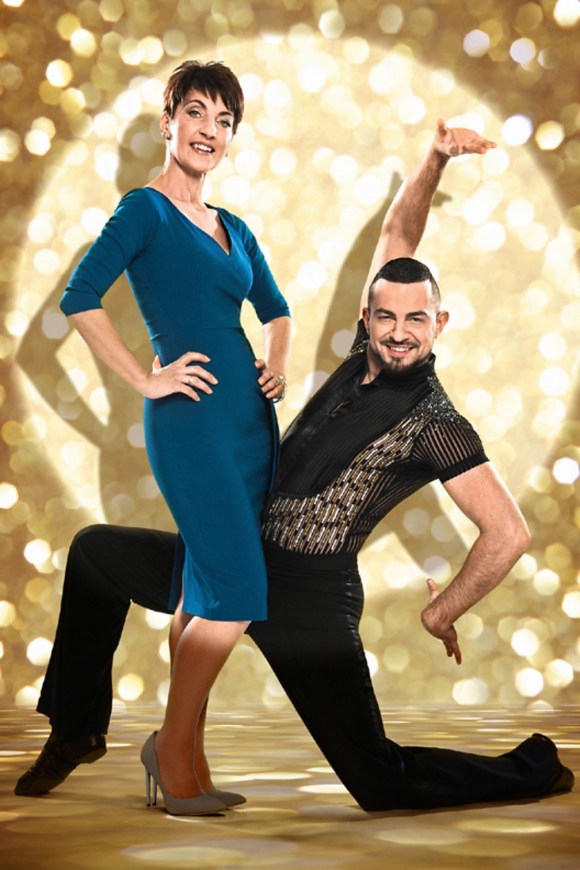
Anna Kennedy with her former Dance Partner Robin Windsor
Happy Holidays. Can you help me? I have been seeing my boyfriend for a year now and we are in love. However, I have not introduced him to my family yet. One, he is very domineering (I like that) and never holds back on his opinions. Two, he is covered in tattoos, hates dressing up and he is a drummer in rock band part time. My mum is super conservative and just about down with me being gay. She actually says that no one with tattoos are welcome in her home. Mum rang the house, and he picked up and she invited him for Christmas!
HELP please!!
Mike, Kingston.
Oh bless Mike, talk about being put between a rock and hard place. First of all, you should have dealt with this months ago if you care for boyfriend and mum. You say mum is just about ok with you being gay. Well, it sounds to me like she is making the right moves inviting your partner for Christmas.
If your partner loves you, it is time to sit down and tell him the issues about your mum. You say you like the fact he is dominant and opinionated. There is a difference between that and a narcissist. You let him be himself 364 days a year, but maybe he could think about you for one day, not be a different person but just tone it down a little. If he really cares about you and is not a narcissist he will understand. Until mum gets to know him, box clever and make this day about realising that you need some TLC in this area. Trust me, if he really cares he will work with you. If he can’t, I’ll tell you something he is not dominant, he is just not caring.
Next time you chat to mum, maybe give her a little pre-warning he might not be joining the conservative club any day soon. Just do some groundwork preparation before the big day. Remember: life is short and you need to be happy. Mike, those that say they love you should want the best for you, sometimes that means compromise.
Happy Christmas my love, write and let me know how It goes.
Dear Heidi,
I like to party, but it is high days and low with me. Sheryl my fiancé loves it 24/7 but I am fine with that as she can go out with her gang, and I am not jealous or worried. We are having friends over for Christmas Day and we were going over the menu when she announced, “I’ll get a few grams in for after”. Honestly, I have had enough. The only White Christmas I want is on the ground. What do I say?
Lisa, Chiswick.
Oh no Lisa, oh I have seen this so many times. The marching powder is no-one’s friend. Yes, there seems to be a honeymoon period for many who think it makes them invisible but like any false high, in the end there is always a price to pay. It destroys jobs, relationships and friendships, not mention it robs your bank account. Once it gets its claws into you, for many there is no escape. Yes, there are those who partake on high and low days, who seem in control like yourself. But Sheryl sounds like she might be heading for a fall. You need to simply say no! That’s not the Christmas you want. Make your views clear and it might give her a shock, or maybe she’s already hooked and this is the bit she is looking forward to on Christmas day. Then she may need help, but time to realise it’s a slippery slope, and you being an enabler won’t end well .
Hello Heidi,
How are you, love the column. Now there is no excuse, but I kissed my best friend’s husband on a drunken outing when my bestie was away. It has been over six months I have not seen him or mentioned it to my friend. We are all spending Christmas together this year. I have not seen my friend’s husband since. It is going to be super awkward. What should I do? Maybe call him and chat about what happened?
Dylan, Brighton.
Sweetie, if it was just a kiss get over it. People are human and drink is horrible when it comes to making a fool of ourselves. Unless you’re not telling Heidi the whole story, move on and put it behind you. Or if the kiss meant more to you than you’re saying, maybe have word with yourself. He has not been in contact with you since the drunken kiss so perhaps he does not remember it. Take Heidi’s advice: do not do party postmortems and stop making a mountain out of a mole hill. Enjoy your Christmas xxx
Happy Holidays, Heidi
Dear Heidi,
My partner Alisha is just gorgeous and we’ve been together for six months. She came out as lesbian late in life, having been married for twenty years. She has two teenage kids and they are coming for Christmas. Heidi I am terrified. I do not do kids and how do I act? They are very important to Alisha.
Love Diana.
Hi Diana, it is not a couple of hyenas coming for Christmas, it is two teenagers (perhaps more terrifying at times). No Diana, can I tell you how to handle it? Be yourself, treat them with respect and take an interest in them, listen and you will be surprised. Please have some basic structure of your expectations to staying in your home as you would with anyone coming to stay. But do not come over like a prison guard. Just try and have fun; they will be as worried as you!



 Event Location:
 Learn More & Support the Charity





































 2Shades Magazine