

 2Shades Magazine
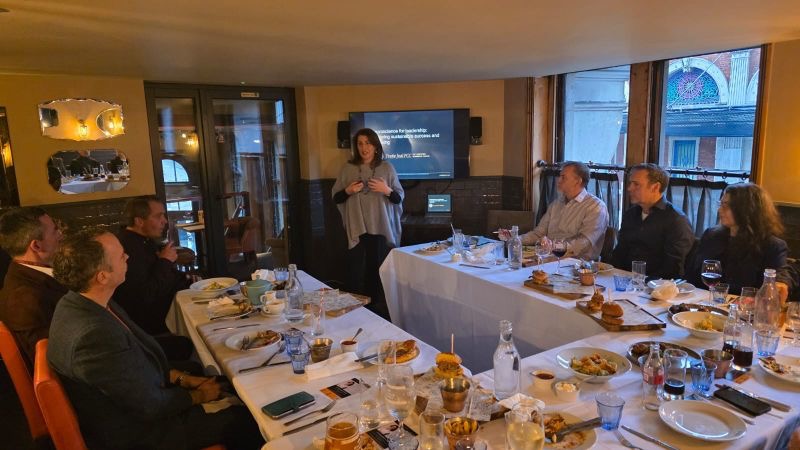
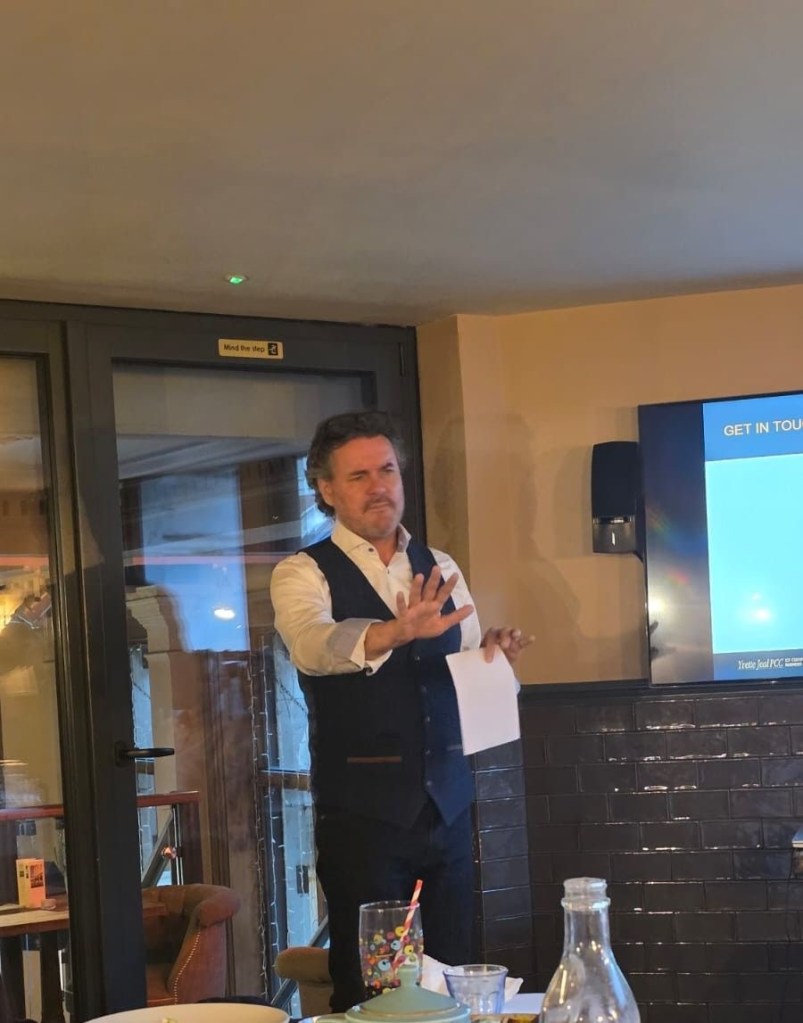
Well, I have just witnessed a man stand up and speak who could best be described as the prodigious love child of Keith Richards and Ricky Gervais—conceived, perhaps, through the mischievous spirit of Janet Street-Porter. Hilarious. Sharp. Fearless. Unapologetically himself.
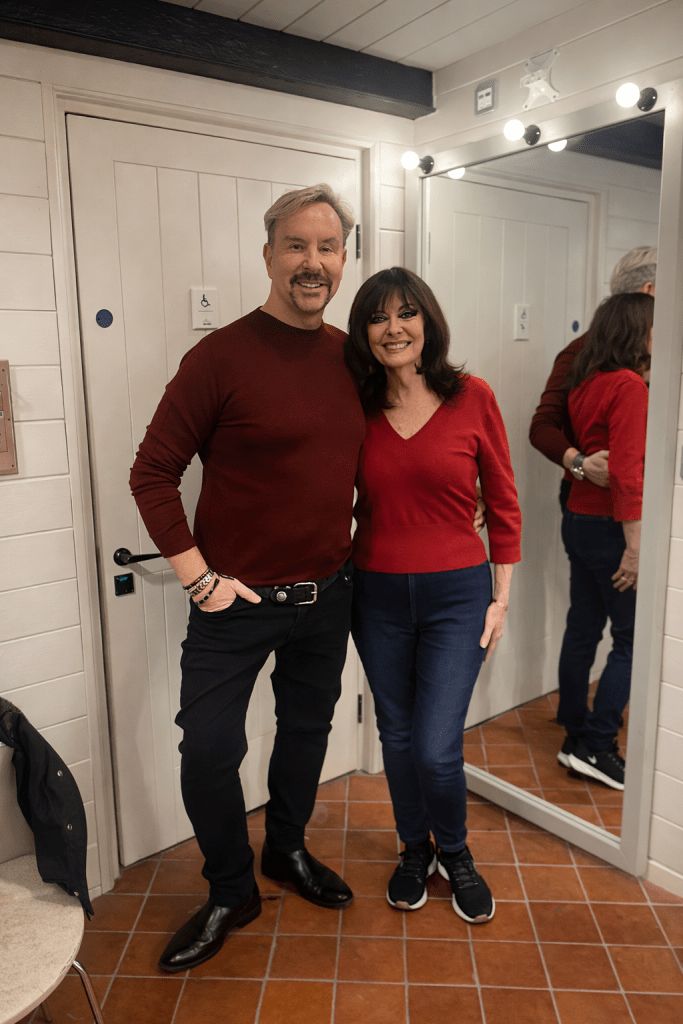
And yet, despite appearances, I was not tucked away in a comedy club. Instead, Anna Kennedy OBE and I had ventured somewhere altogether different, joining Pier Space Speakers Corner London for one of their celebrated lunches, held at the funky Balfour St Barts.
https://www.thepeerspace.com/speakers
It was, quite simply, brilliant.
What struck me immediately was the atmosphere: a room buzzing with ideas, warmth, and possibility. This was not a classroom, nor a rigid corporate seminar. It was a gathering of diverse voices—entrepreneurs, creatives, leaders, advocates—coming together to share experiences across business, inspiration, leadership, and life itself. A place where stories mattered as much as strategies.
I am no stranger to speaking. I love radio and television, thrive in podcasts, relish a debate, and happily interview just about anyone. Give me a microphone and a subject and I’m entirely at home. But there is a lesser-known truth about me: when it comes to standing up and talking about myself, I freeze. I brick it, as we say. Confidence deserts me. Words scatter.
Yes, a couple of glasses of vino may occasionally loosen the tongue and—miraculously—result in a standing ovation. But that’s hardly a reliable strategy.
So when Anna suggested we both attend Speakers Corner London—not as performers, but as participants, learners, listeners—I jumped at the chance. And I am so glad I did.
This was the perfect antidote to fear: an environment that was supportive rather than judgemental, energising rather than intimidating. Not a “class” in the traditional sense, but something far more powerful—an inspirational space where you learn almost by osmosis, simply by being in the room with talented, generous people who genuinely want others to succeed.
Anna, of course, took to it like the Energiser Bunny discovering a microphone. Confident, articulate, and deeply authentic, she reminded everyone why her work in autism awareness and advocacy has made such a lasting impact. Watching her speak so naturally, so purposefully, was inspiring in itself.
The lunch marked a pretty epic kick-off to the 2026 events season, and it felt fantastic to be back among such a stellar group of speakers. The line-up read like a roll-call of insight and expertise: Paul Thomas, the “Sound of Success” specialist; Graham Norris, a future confidence guru; Phil Street FIH, hospitality podcaster extraordinaire; Gill Tiney, global collaboration champion and super-connector; Maria Pardo, marketing guru and Toastmasters president; Nic Marks, happiness author and statistician; Hulya Erbeyli PCC, an authentic leadership coach; Paul Cook, expert in change and transformation; and Trevor Folley, whose work on building cultures of trust resonated deeply.
A special mention must go to Yvette Jeal PCC, who opened the speaker spotlight slots for the year with a calm, confident and fascinating immersion into the neuroscience of peak performance. It was one of those talks that leaves you thinking differently—not just about leadership, but about how we show up every day. Felix Riley followed with a high-energy, often amusing and extremely useful set of ten tips for speakers, distilled from years of hard-won experience.
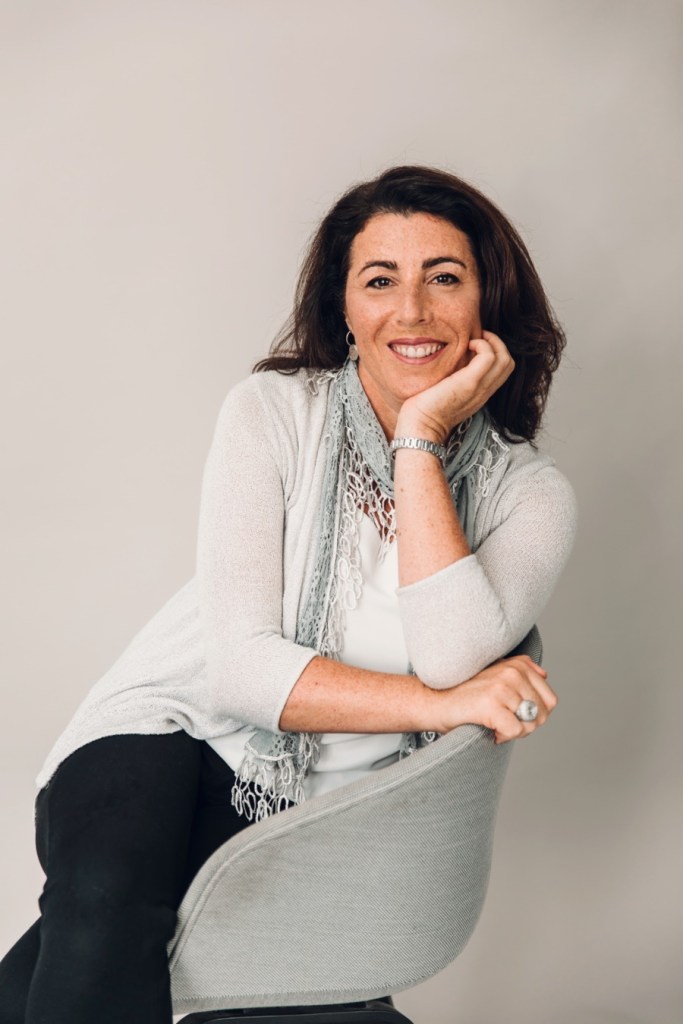
And then there was Zoie Golding MBE, sharing news of the Big Movement and its inspiring mission to get more men dancing for mental health—proof, if ever it were needed, that leadership comes in many forms, and impact is not confined to boardrooms.
By the end of the afternoon, I realised something important: this wasn’t just about learning how to speak better. It was about confidence, connection, and community. About giving people permission to find their voice—whatever that voice sounds like—and to use it with purpose.
So yes, Anna Kennedy OBE and I did venture out to do something different. And in doing so, I found myself quietly braver, unexpectedly inspired, and already looking forward to the next Speakers Corner London gathering in May.
Sometimes, the most powerful thing you can do is simply show up, sit among the experts, and allow yourself to learn.
https://www.thepeerspace.com/speakers
https://www.thepeerspace.com/speakers

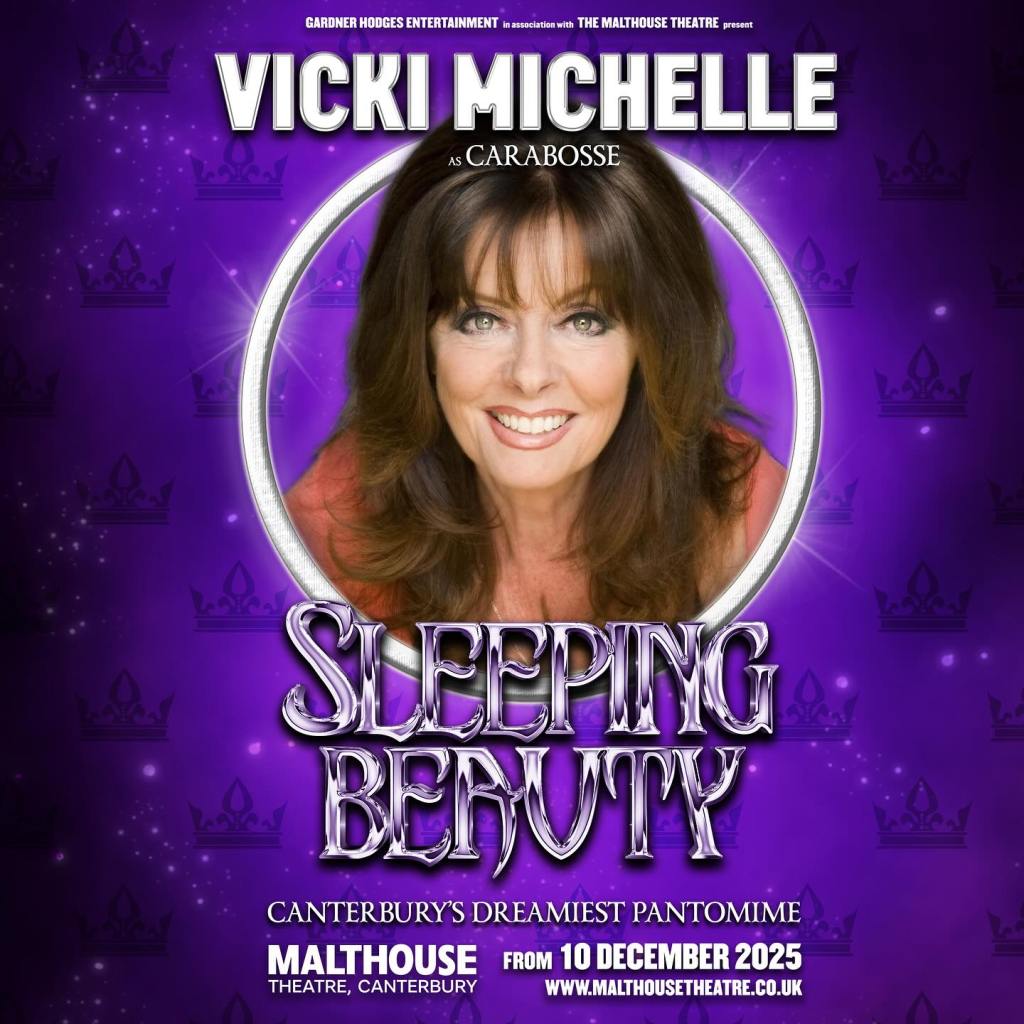
The unmistakable cry of British panto rang through the air at the Malthouse Theatre this week — and what followed was nothing short of a sparkling theatrical treat. Front and centre of this dazzling afternoon was the uber-talented Vicki Michelle.
I joined Dr Anna Kennedy for what promised to be a memorable afternoon — and it delivered in spades.
Just five minutes from Canterbury West station, the Malthouse Theatre is a gem of a venue. Housed in a former 19th-century malt house, it offers a warmth and intimacy that many larger theatres lack. From the moment we took our seats, there was a buzz in the air — the kind that tells you something special is about to unfold.
Anna and I had travelled to see a true British icon — and a good friend of Anna Kennedy Online — in action. While I was there to review the show, Anna had something rather important to ask the star of the performance once the curtain came down.
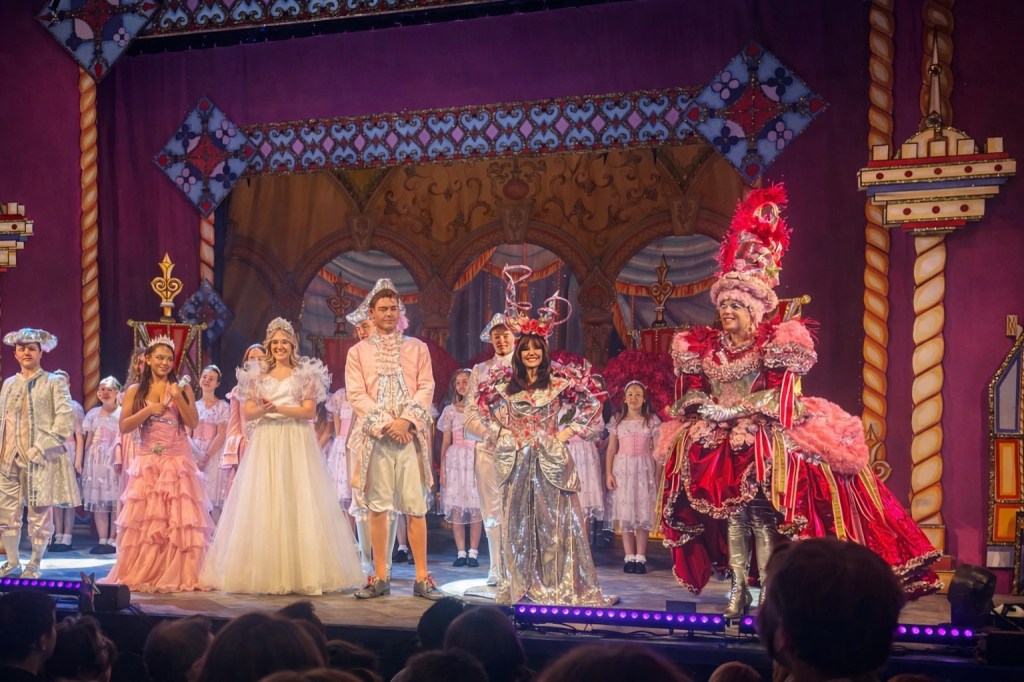
Let’s be clear: if you think you’re heading to see a “regional” panto, think again. Sleeping Beauty rivals anything currently on offer in the West End — and at a far more affordable price. The cast work tirelessly, delivering an action-packed, high-energy production that never once drops the pace.
The show really kicks off brilliantly with Tim Edwards, one of the freshest comedy talents I’ve seen in a long while. Playing Jangles — Sleeping Beauty’s equivalent of Buttons — he holds the production together with effortless comic timing, youthful energy, and a commanding stage presence. He is a natural, and the audience instantly warms to him.
Joining him is one of the finest Dames I have ever seen: Joseph Gardiner-Hodges as Nurse Fanny. Hilarious, fearless, and utterly fantastic, Gardiner-Hodges is the yeast in the bread of this show — without him, it simply wouldn’t rise as far. Whether flirting shamelessly with the male members of the audience, delivering razor-sharp one-liners, or fiercely protecting Princess Aurora from the Wicked Queen (or should we say the “socially challenged” queen), he had the audience in stitches. The costume changes alone deserve their own round of applause — though a shoe change for Fanny would have made it an A+.
Then there’s Prince Charming, played by Jordan Calloway. Yes, he’s a good-looking in an Australian soap star way — but more importantly, he can sing. And not just “panto sing” — his voice genuinely stands out, rivalling many performers currently gracing the West End stage.

Just when you think the show can’t possibly get any better, on comes British icon and comedy legend Vicki Michelle as the deliciously evil Carabosse. From the moment she steps on stage, she commands attention. This is stage presence that simply cannot be taught. The former Allo Allo star looks phenomenal and proves exactly why she remains such a treasured figure in British entertainment. (And yes — we absolutely need her back in EastEnders.)
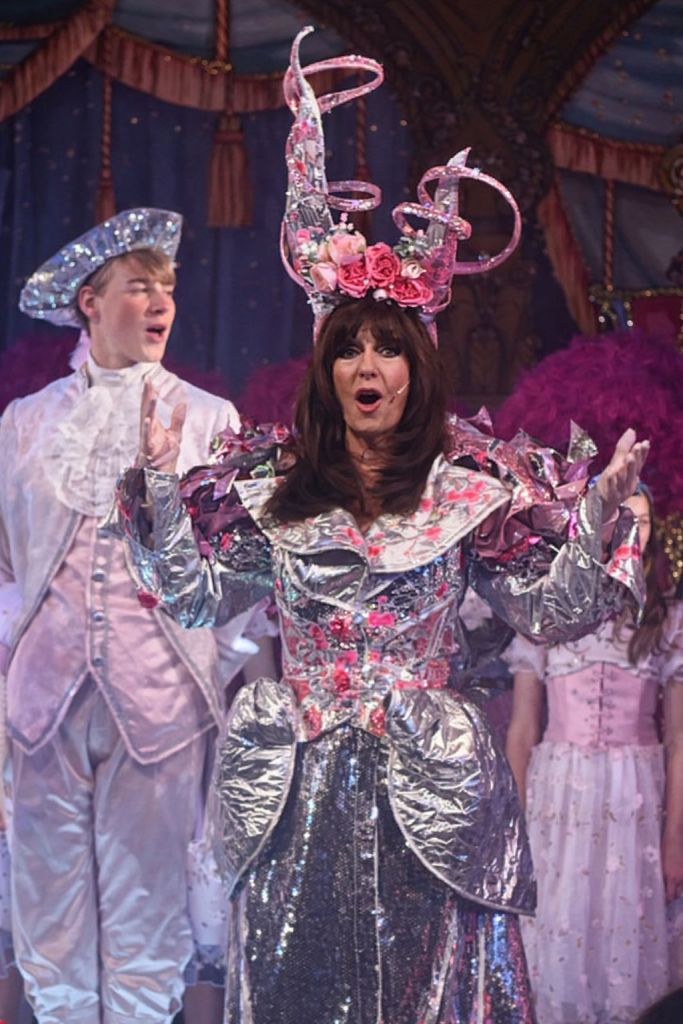
Her rendition of I Put a Spell on You brought the house down. Despite — or perhaps because of — the enthusiastic boos, Michelle revelled in the “baddie” role, clearly enjoying every moment. Watching an actress with such mastery of her craft is a joy; she knows exactly how to hold an audience in the palm of her hand.
The production values throughout are outstanding. The sets are dazzling, the costumes are richly detailed, and a particularly cute dragon called Caroline steals more than a few scenes. Remarkably, this was the company’s second performance of the day — yet they were as fresh as daisies, delivering with precision, warmth, and infectious enthusiasm.
Next year’s production is Goldilocks and the Three Bears, and on the strength of this alone, I’d say: book now.
After the show, Anna and I surprised Vicki by asking her to become a Patron of Anna Kennedy Online. A long-time friend and supporter of the charity, she was genuinely thrilled to accept. Only weeks earlier, she had joined Anna on GB News to discuss the charity’s work and her ongoing commitment to the autism community.
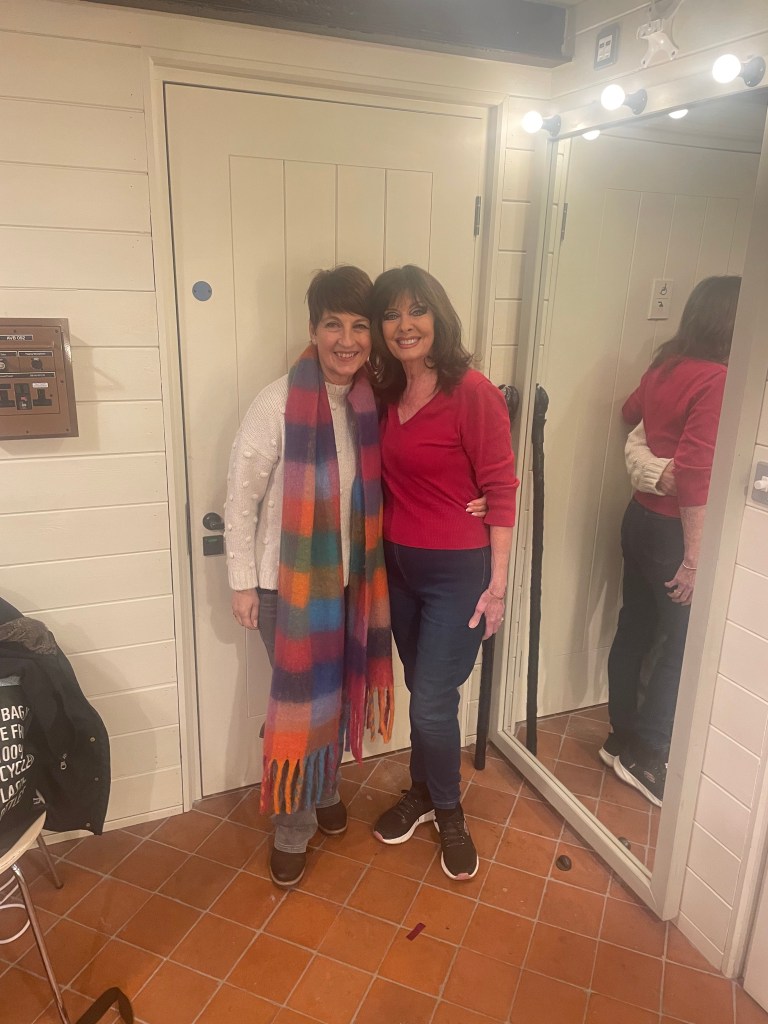
Anna summed it up perfectly:
“Vicki is someone who, when she says she will do something, it gets done. She has inspired so many within the autistic community, and we are incredibly proud to have her as a Patron.”
What a day. Huge thanks to the Malthouse Theatre and the wonderful city of Canterbury for such a magical afternoon — proof, if ever it were needed, that great theatre thrives far beyond the West End.
Is it ever okay not to invite a family member to a major life event?
Is it ever acceptable to distance yourself — or even cut ties completely?
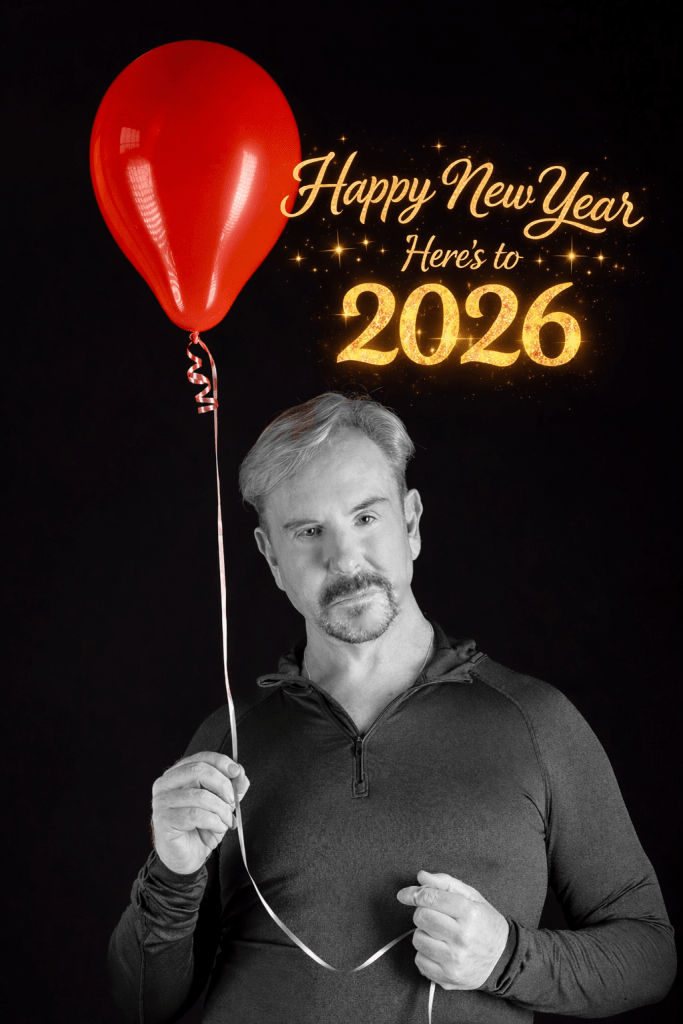
Welcome to Steven’s Viewz — the first of 2026. And let’s start the year with an uncomfortable truth.
Is it ever okay not to invite a family member to a major life event?
Is it ever acceptable to distance yourself — or even cut ties completely?
The short answer is this: yes, sometimes it is not only acceptable, it is necessary.
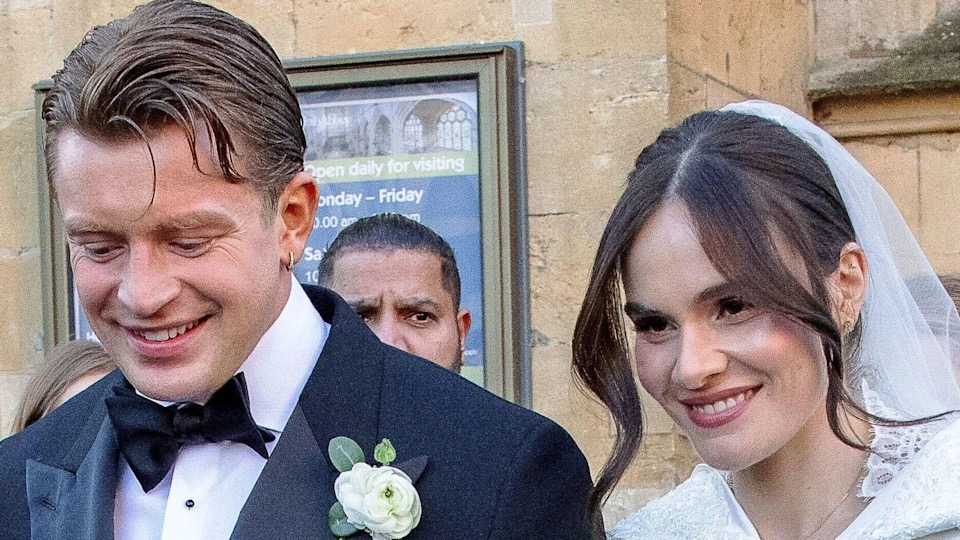
The question has been dragged into the spotlight following the wedding of the year, as Adam Peaty married Holly Ramsay and chose not to invite his mother. Predictably, the outrage machine kicked into gear. Headlines screamed. Opinions flooded in. Armchair judges — armed with no facts and limitless certainty — rushed to condemn.
Here’s what struck me most: how quick people are to defend family in theory, and how unwilling they are to accept the damage family can cause in reality.
Not all families are The Waltons.
Some families are battlegrounds dressed up as photo albums.
Behind the smiling Christmas cards and Facebook posts lie power struggles, control, emotional manipulation, and silence that screams louder than words. And when someone finally says “enough,” the world often turns on them — not the behaviour that pushed them there.
I know this terrain well.
I grew up in a family where people disappeared without explanation. At nine years old, I came home to find myself locked out. Eventually, the letterbox opened and my mother asked, “Are you on your own?” A row between her and her mother — my grandmother — had ended the relationship entirely. One moment she was part of our lives; the next, she was erased.
Visiting my grandparents had once been a joy. Then it became forbidden. When I later wrote to my gran, there were consequences. At fourteen, I was sent alone to Glasgow — not to reconnect, but to persuade my grandparents not to take my father’s side in court. That was the last time I ever saw them.
That isn’t family warmth.
That’s family politics.
So when people scoff and say, “But she’s his mother,” I don’t hear wisdom — I hear denial.

Because sometimes family isn’t a source of love. Sometimes it’s a source of fear, obligation, and emotional exhaustion. And no wedding day — no milestone — should be overshadowed by anxiety about who might erupt, undermine, or hijack the moment.
Much as you try to make it work, some people are only content when they are in control. When they aren’t centre stage, they create drama to pull the spotlight back. And when confronted, they cast themselves as the victim — never acknowledging the trail of damage behind them.
Let’s be honest: if a friend behaved that way — belittling you, calling you names, sabotaging your happiness — would you keep them in your life? Of course you wouldn’t. Yet when it’s family, we’re told to endure it. Smile through it. Absorb it.
Why?
Mental health does not become optional because someone shares your DNA.
Often, when people move into new social circles or build lives different from the ones they were raised in, it triggers insecurity in those left behind. Even when efforts are made to include them, their anxiety spills out as disruptive behaviour. Weddings, birthdays, celebrations — all become stages for unresolved resentment.
If Adam’s mother were truly the injured party, dignity would have been her strongest ally. Silence, reflection, restraint — not public outrage. Those who are genuinely wronged rarely need to shout the loudest.
Adam didn’t just make a decision about a wedding invitation. He changed his surname. That is not impulsive. That is not petty. That is the culmination of years of internal conflict, careful thought, and emotional cost.
And I applaud him for doing it early — before resentment calcifies, before damage multiplies, before patterns repeat. Family member may love you but it does not allow them to hurt you and be in denial.
No family member should ever make you feel small, fearful, or unworthy. Family should be the safest place — not the one you brace yourself for.
Sometimes the bravest, healthiest choice is to step away. Not out of bitterness, but out of self-respect. Not to punish, but to protect.
And if that makes people uncomfortable, perhaps it’s because it forces them to confront a truth they’d rather ignore:
Family doesn’t get a free pass to hurt you.
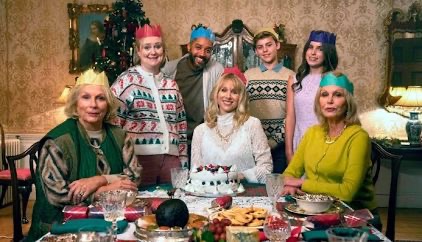
There is a particular kind of Christmas television that feels like slipping into a familiar jumper: slightly stretched, deeply comforting, and faintly ridiculous. The Amandaland Christmas special is exactly that kind of viewing — and all the better for it.
Christmas Day television is a battlefield. Big budgets, earnest dramas, and aggressively “heartwarming” narratives often jostle for attention, all while families argue over the remote and someone burns the sprouts. Amandaland cuts through the noise by doing something radical: it knows precisely what it is. A sharp, character-driven comedy about social aspiration, emotional repression, and the very British terror of appearing ordinary — now wrapped in tinsel.
The episode’s premise is delightfully simple. Amanda, our tightly wound heroine, decides to recreate a “perfect” childhood Christmas at her aunt’s country home. Naturally, this requires absolute aesthetic control, emotional denial, and an unwavering belief that nothing — not weather, children, or other people — should interfere with her vision. What follows is a festive slow-motion collapse, played with exquisite comic timing.
Enter Jennifer Saunders, who turns up as Aunt Joan like a glitter cannon fired directly into the episode. Saunders doesn’t merely steal scenes — she annexes them. Her performance is gloriously unfiltered, full of physical comedy, throwaway lines, and the sense that she is enjoying herself enormously. This is not nostalgia casting; this is a master at work, reminding us how joyful comedy can be when it’s driven by confidence rather than caution.
Then there’s Joanna Lumley, a woman who could make a shopping list sound withering. As Amanda’s emotionally glacial mother, Lumley delivers her lines with that unmistakable mix of elegance and quiet disdain. Every raised eyebrow lands like a punchline. She doesn’t chase laughs — she allows them to come to her, which somehow makes them sharper. Watching Lumley and Saunders share the screen again is less a reunion and more a reminder: this is what happens when comic icons are trusted to do what they do best.
What makes Amandaland such perfect Christmas viewing is its refusal to be falsely sentimental. Yes, there’s warmth here — but it’s earned, not imposed. The show understands that Christmas isn’t magical because it’s perfect; it’s memorable because it rarely is. The forced cheer, the unresolved family tensions, the desperate attempts to manufacture tradition — all of it rings painfully, hilariously true.
In an era where television often feels either too bleak or too bland, Amandaland occupies a sweet spot we desperately need more of. It’s clever without being smug, affectionate without being soft, and funny without shouting for attention. Most importantly, it trusts its audience — and its performers — to appreciate humour rooted in character rather than spectacle.
By the time the credits roll, you feel lighter. Not because everything’s been neatly resolved, but because you’ve laughed at the chaos instead of pretending it doesn’t exist. And really, isn’t that the whole point of Christmas television?
More of this, please. Preferably every year. https://www.bbc.co.uk/iplayer/episode/m002p137/amandaland-christmas-special
Wishing you an amazing 2026 please support 2shades by sharing and subscribing .
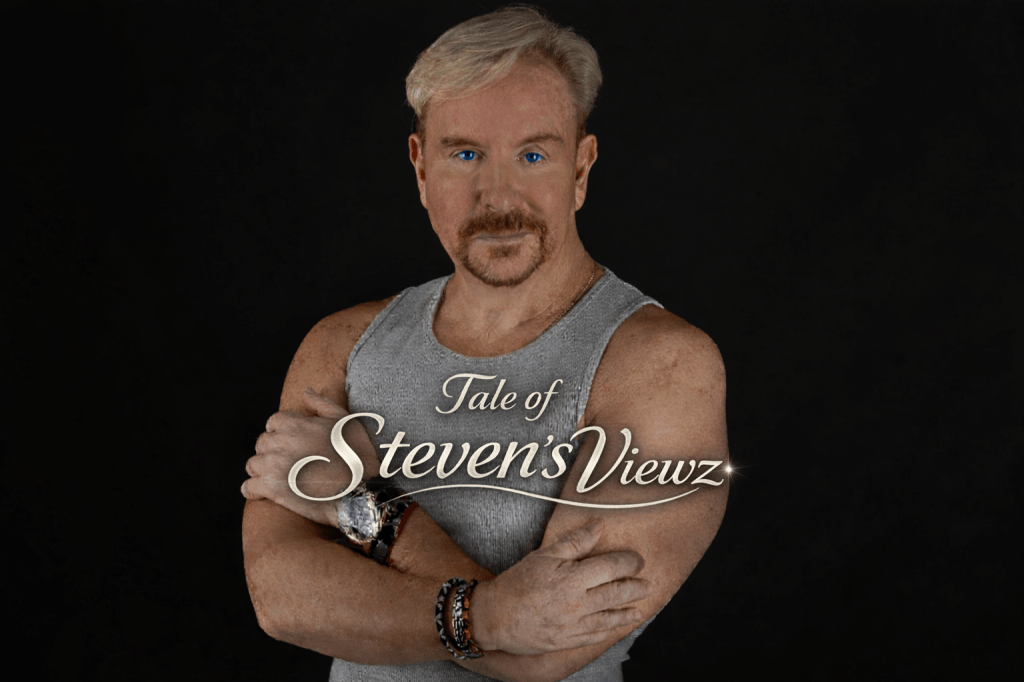


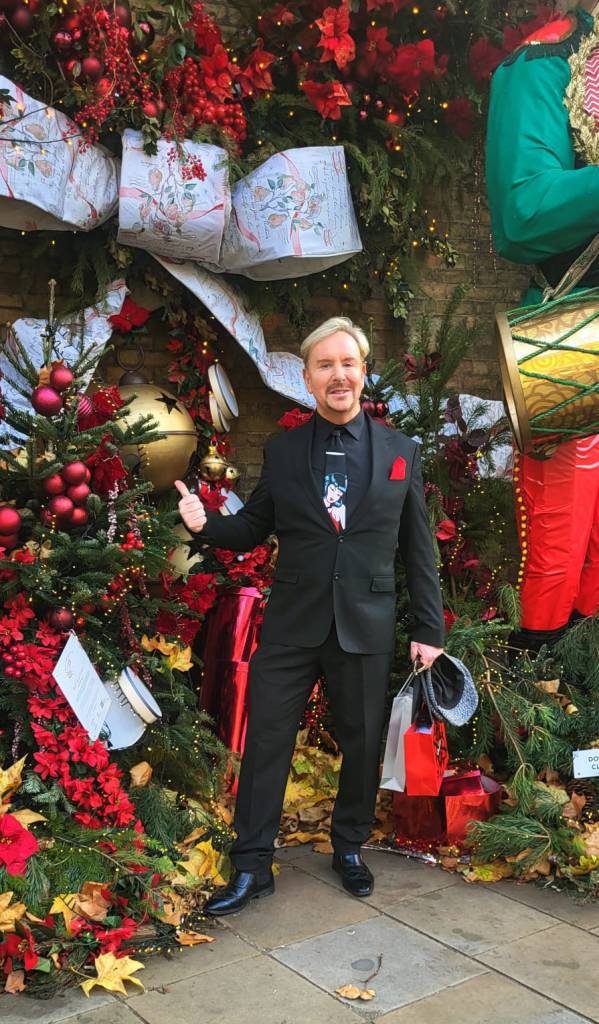
It was a celebrity-packed afternoon on London’s iconic King’s Road as guests gathered for the launch of A Covent Garden Christmas, the latest festive children’s book from the ever-popular duo Wendy Turner and Anthea Turner. The event took place at the chic White Coco store, which proved the perfect setting for an afternoon brimming with seasonal cheer, literary sparkle, and familiar faces.
From the moment the doors opened, there was a palpable buzz as fans clambered for signed copies, eager to exchange a few words with the authors and soak up the festive atmosphere. The King’s Road, already alive with Christmas energy, felt even more special as the boutique filled with laughter, conversation, and the unmistakable excitement that only a book launch can bring.

Among those lending their support were 2Shades columnists Dr Anna Kennedy OBE and Steven Smith, both warmly welcomed as they joined the celebrations. Their presence added to the sense that this was not just a publishing event, but a gathering of friends, creatives, and supporters coming together to celebrate storytelling and imagination.
A Covent Garden Christmas is the latest instalment in the much-loved Underneath the Underground series and marks the fourth adventure to delight young readers. This time, the story unfolds with deliciously eccentric flair: a bald Christmas tree, a missing butler, and a runaway red bus ensure that the festive season begins in anything but ordinary fashion. When King Charles and Queen Camilla find their royal Christmas plans descending into chaos, the pair are forced to improvise decorations, shop in disguise, and navigate a series of comic mishaps that will keep children giggling from page to page.
Running parallel to this royal mayhem is a tender and imaginative story set beneath the streets of London. Snowball, a lonely white mouse, escapes his neglectful owner and stumbles into a secret underground world where theatre mice rehearse a magical pantomime at the spectacular London Palladium. It is here that friendship, creativity, and courage come to the fore. When Snowball is suddenly snatched away and the Underground’s handmade Christmas presents mysteriously disappear, it falls to the daring Special Mouse Services to save the day. With teamwork, bravery, and a sprinkling of festive magic, Christmas Day itself hangs in the balance.

Brimming with humour, heart, and festive adventure, the book introduces a host of delightful new mousy characters while welcoming back many familiar favourites who have already captured the imagination of children everywhere. It is a story that celebrates kindness, resilience, and the joy of working together—timeless messages wrapped up in a thoroughly modern and mischievous Christmas tale.
The guest list reflected the book’s broad appeal. Among the celebrities in attendance were Loose Women panellist Jane Moore, renowned hairdresser Nicky Clarke, and Minder star and acting royalty Gary Webster. Each took time to congratulate Wendy and Anthea, praising the warmth and imagination that have become hallmarks of their writing.

No festive launch would be complete without seasonal treats, and guests were duly indulged with glasses of bubbly and delicious vegan mince pies—an inclusive touch that reflected the thoughtful spirit behind the book itself. Conversations flowed easily as attendees browsed the boutique, thumbed through freshly signed copies, and posed for photographs amid tasteful Christmas décor.
As the afternoon drew to a close, it was clear that A Covent Garden Christmas is set to become a firm festive favourite. With its blend of gentle satire, heartfelt storytelling, and London-centric magic, the book captures the very essence of Christmas—proving that whether you are royal, mouse, or somewhere in between, friendship and imagination can make the season truly unforgettable.
For more information, visit White Coco and Splendid Publications. https://www.splendidpublications.co.uk/blog/sisters-anthea-and-wendy-turner-on-the-same-page-once-more-as-they-enjoy-a-hello-magazine-photoshoot-and-discuss-their-new-book-the-kings-coronation-and-the-kohinoor-diamond
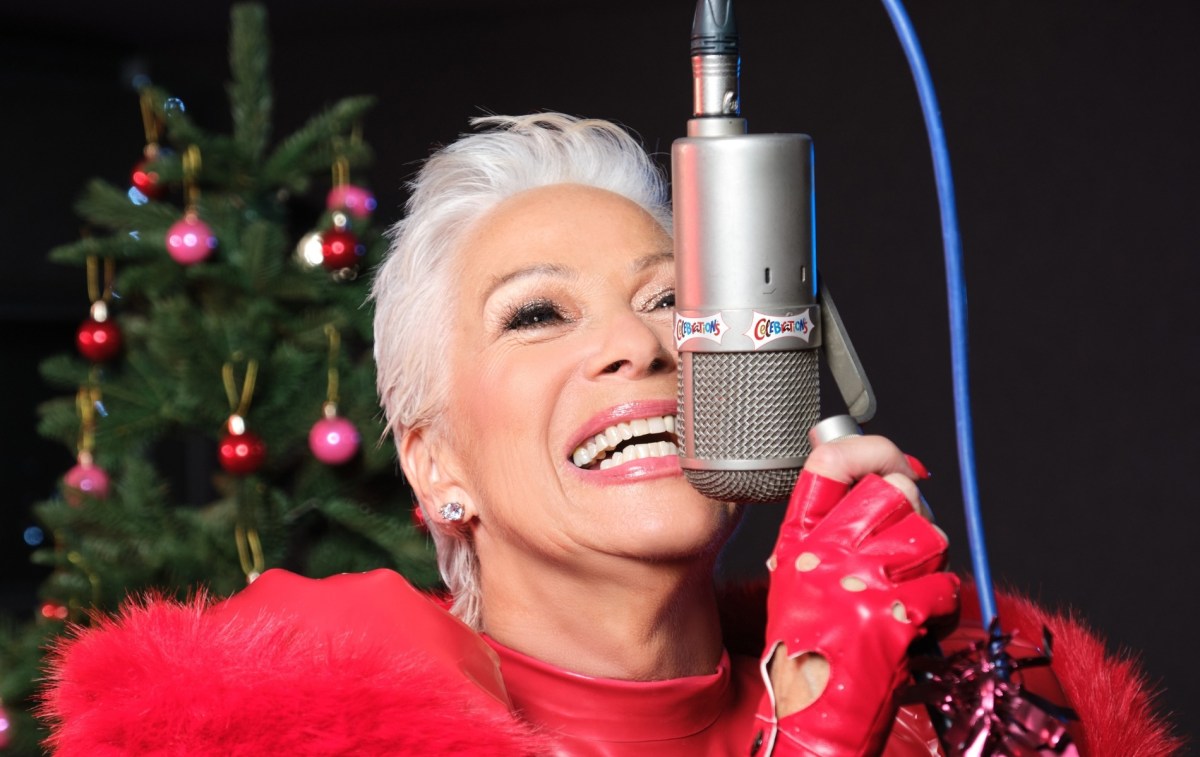
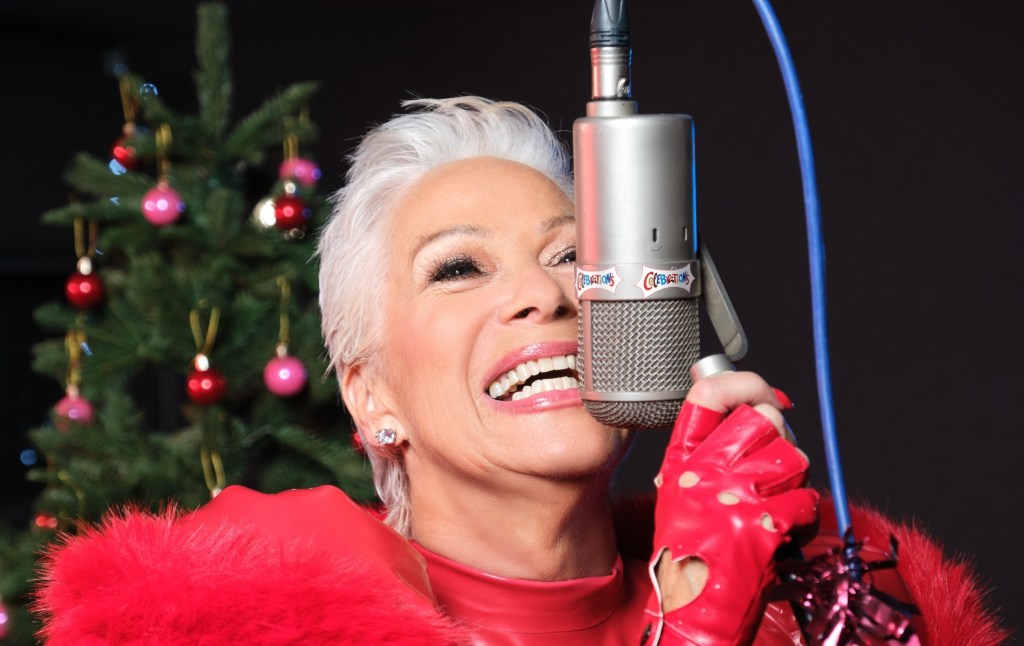
If there is one woman capable of shaking up the Christmas charts, unseating the usual pop titans, and bringing pure chaotic joy to the holiday season, it’s Denise Welch. With Slayyy Bells, she hasn’t just released a festive single — she’s unleashed a cultural moment. A glittery, high-camp, tongue-in-cheek masterpiece that captures everything the British public secretly craves at Christmas: humour, heart, a bit of mischief, and a full-throttle, unapologetic “hun energy.”
Denise has long been adored for her honesty, her warmth, and her refusal to take herself too seriously. That’s why the LGBTQ+ community has embraced her with open arms. She doesn’t perform camp — she embodies it. Whether it’s fiery daytime TV realness, chaotic comic timing, or her glamorous, self-deprecating sparkle, Denise is the kind of icon who walks into a room and immediately becomes everyone’s mum, best friend, and backstage confidante. She is the definition of a British hun: fierce, funny, fabulous, and fearlessly herself.
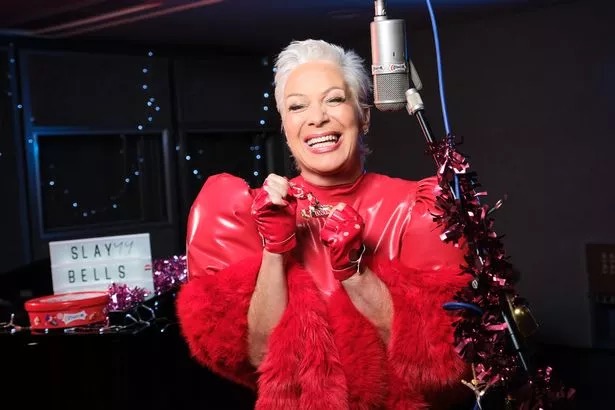
Slayyy Bells captures that spirit perfectly. It’s a sugary cocktail of festive beats, wink-wink lyrics, and nightclub-ready chaos — the kind of song that would make even the Grinch put on a sequinned jumpsuit. In a chart landscape dominated by perfectly polished megastars like Taylor Swift, Dua Lipa, or Ed Sheeran, Denise offers something the others can’t: pure personality. She’s not trying to be slick, she’s trying to be fun — and that’s exactly what people cling to at Christmas.
Let’s be honest: the UK loves an underdog, and Denise is the ultimate comeback queen. She’s lived a life, she’s told her story, and she has emerged with more charisma than half the industry put together. When she releases a Christmas single, it isn’t just music — it’s a movement. It’s the collective national desire for something joyful, camp, inclusive, and proudly silly.

The LGBTQ+ community in particular knows a gay icon when it sees one. Denise is outspoken, loyal, emotionally open, and effortlessly dramatic. She’s relatable yet glamorous; chaotic yet wise; messy yet magnificent. She’s the woman who will cry with you, dance with you, and drag you out to karaoke at 2 a.m. — the Patron Saint of Huns.
This is why Slayyy Bells deserves to beat the global juggernauts. Christmas Number One shouldn’t always go to the most streamed, the most marketed, or the most algorithmically optimised. Sometimes it should go to the artist who brings the most joy. The one who makes people laugh, sing, and feel part of something bigger.

Denise Welch is that artist. She’s the people’s diva, the hun-in-chief, the LGBTQ+ fairy godmother of festive chaos — and Slayyy Bells is the anthem worthy of her crown.
This Christmas, let’s make history. Let’s give the Number One to the woman who would celebrate it harder than anyone else: Queen Denise Welch.
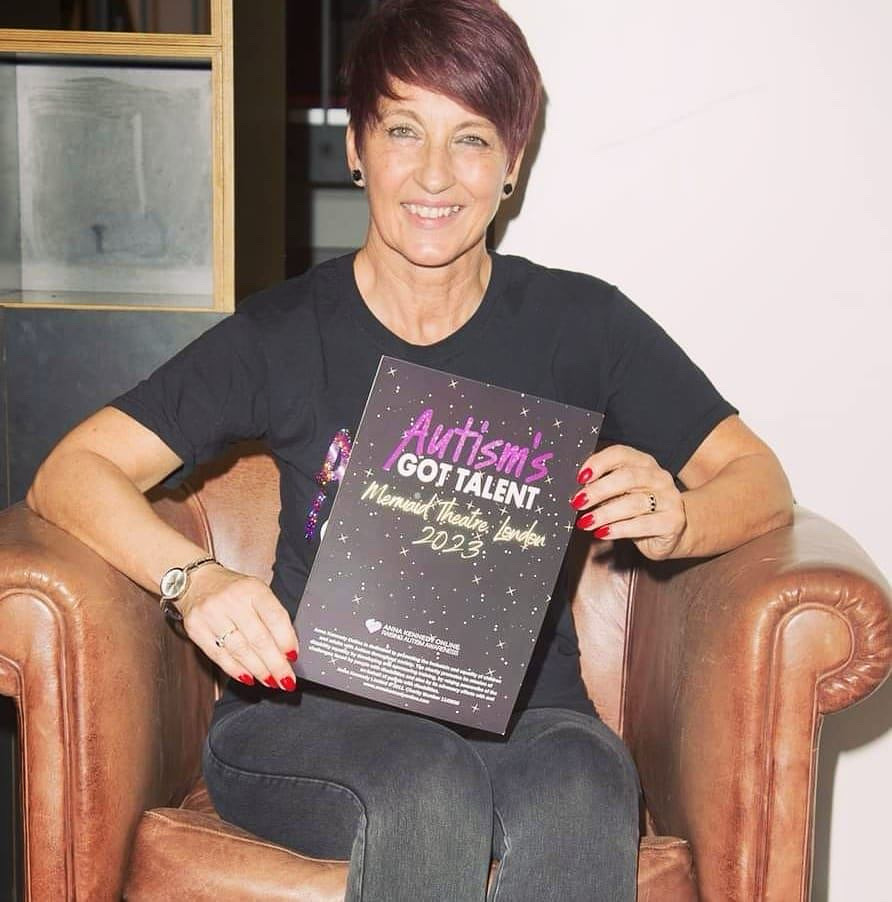

The Hampton Hub was buzzing with energy on Friday 20th November as esteemed autism ambassador Dr Anna Kennedy OBE took to the stage as the special guest speaker for the Counselling and Coaching Group. The event was proudly hosted by Heidi Gammon, 2Shades Magazine columnist and Gateway Radio agony aunt, who introduced Dr Kennedy to an enthusiastic and engaged audience.
Dr Kennedy, one of the UK’s most recognised voices in autism advocacy, immediately captivated the room with her warmth, humour, and honesty. She shared her remarkable journey: from a determined mother fighting for the right support for her two autistic sons, Patrick and Angelo, to becoming a national campaigner, charity founder, and distinguished OBE recipient for her services to autism.
Her story began with what she described as “a battle fought with love and necessity.” With limited educational options available for her boys, she took matters into her own hands—eventually helping establish specialist provision and launching her highly influential charity, Anna Kennedy Online, which now supports thousands of autistic individuals and their families across the UK and beyond.
The audience listened intently as she spoke about the evolution of her work, including the hugely popular Autism Hero Awards, which celebrate outstanding individuals who make a positive difference within the autism community. She also discussed her long-running digital platform, Anna Kennedy Online, which provides education, advocacy, and outreach.

A highlight of the evening was her reflection on appearing on ITV’s Lorraine, where she was honoured as a finalist for Woman of the Year—a moment she described as both surreal and deeply meaningful.
The event also shone a spotlight on important collaborative projects. Dr Kennedy spoke about Born Anxious, the anti-bullying campaign that raises awareness of the struggles many autistic children and adults face. As part of the session, the group viewed a touching dance performance video by Freya Prince, whose emotional and expressive choreography moved the room.
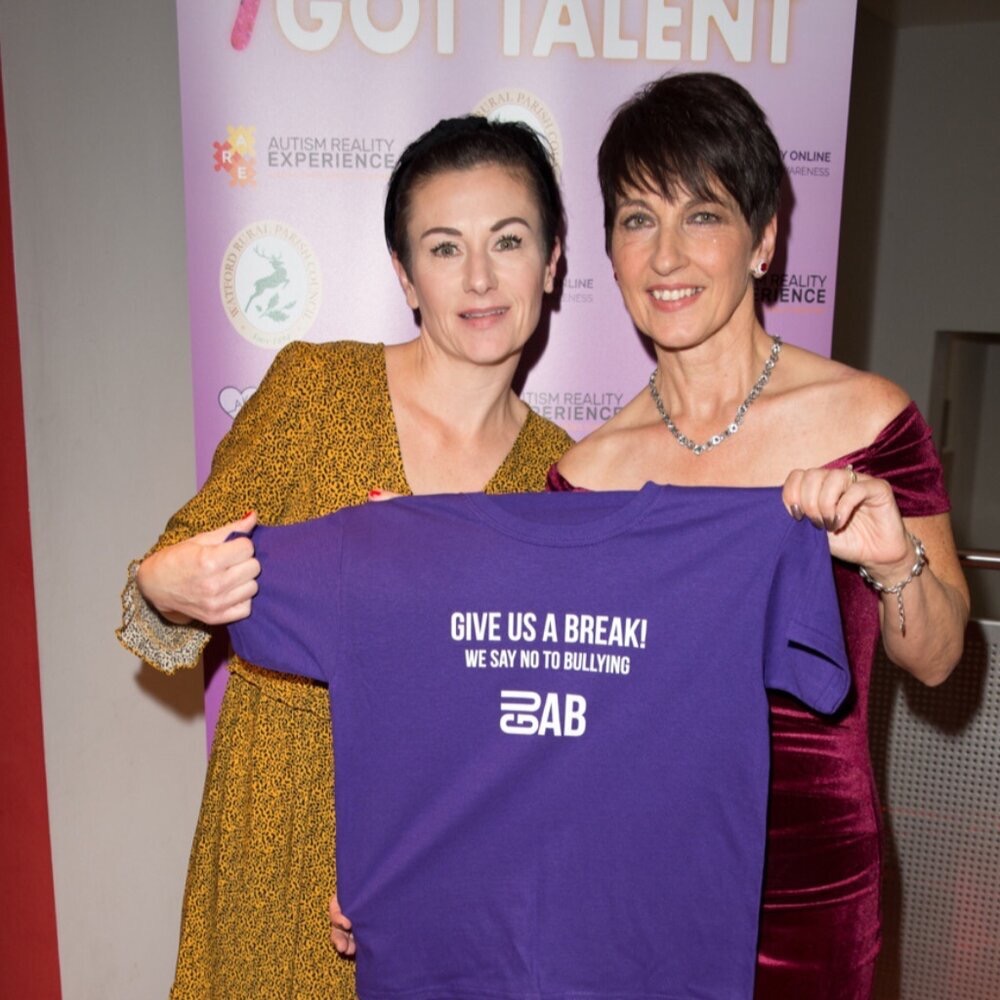
Adding festive cheer, former Autism’s Got Talent performer Ty Williams delighted the audience via video with a heartfelt rendition of “Driving Home for Christmas,” receiving warm applause from attendees.
There was also a special appearance by Steven Smith, a former celebrity hairdresser turned author and presenter, who is one of the patrons of Anna Kennedy Online. He shared his personal story of becoming part of the charity’s growing family and spoke passionately about the power of creativity and community in supporting individuals on the autism spectrum. He also highlighted the creation of Autism and Art, an inclusive exhibition held at the Firepit Gallery in London that celebrates neurodiverse artists and their unique perspectives.
The Hampton Hub Counselling and Coaching Group, led by Heidi Gammon and her dedicated team, provided a warm and supportive atmosphere, bringing together people from all walks of life who share a commitment to understanding, compassion, and positive action.
Attendees left energised and inspired, with many commenting on the emotional resonance and practical insight Dr Kennedy brought to the conversation. Her message was clear: with determination, community, and unwavering belief, real change is possible.
The event not only highlighted the vital work being done across the UK for autistic individuals, but also showcased the power of storytelling, advocacy, and human connection.
For more information on the organisations and initiatives mentioned, visit:
• Anna Kennedy Online: https://annakennedyonline.com
• Born Anxious: https://bornanxious.co.uk
• The Firepit Gallery: https://www.firepit.art
• Hampton Hub: https://www.hamptonhubclub.com
• Counselling For You (Heidi Gammon): https://www.counselling-foryou.co.uk/about-us

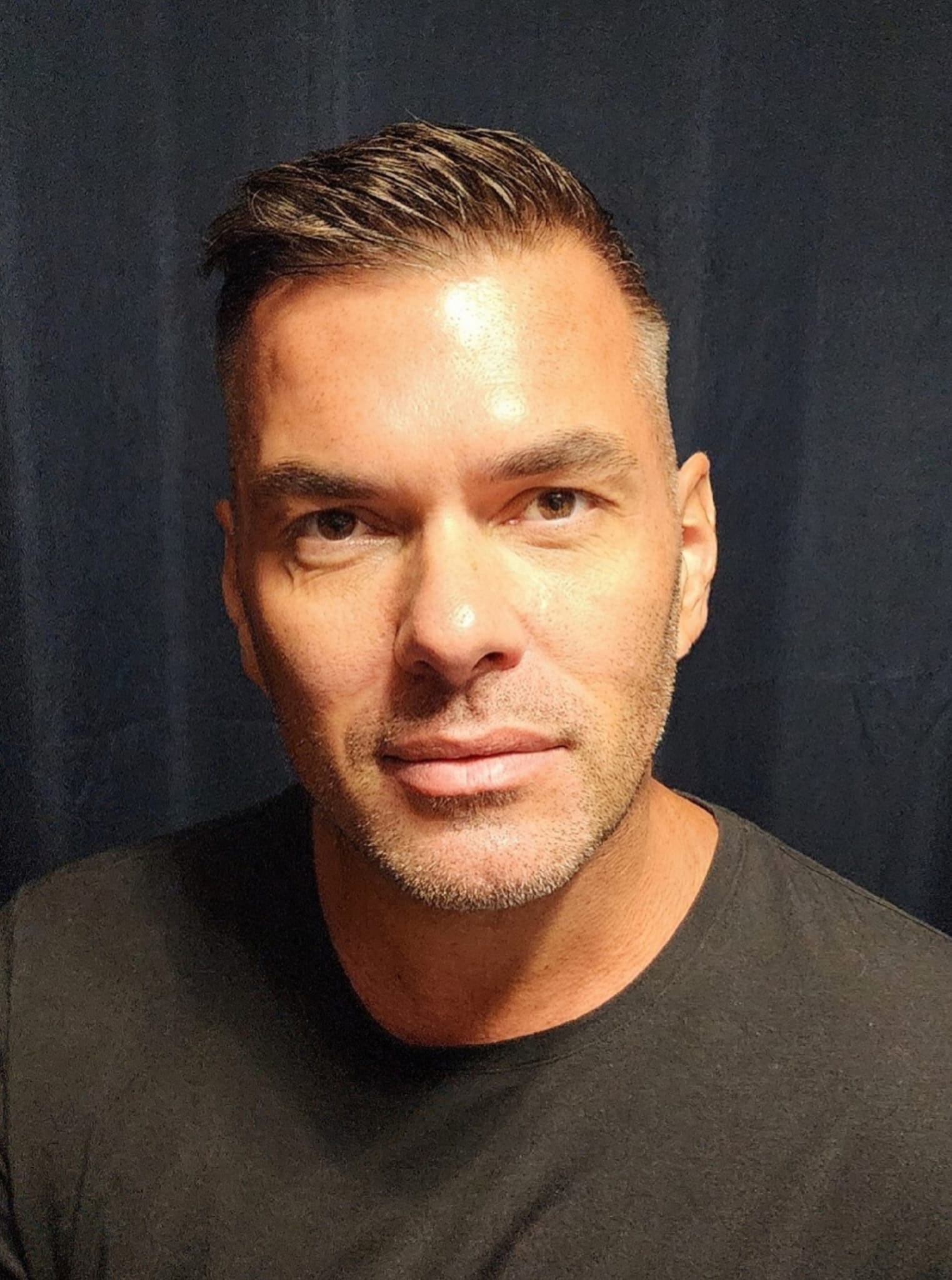
Q: Richard, you’ve been described as a finance expert. Is that fair?
A: “‘Finance expert’ is very kind, but I’m not a financial adviser. I did spend over ten years working for a high street bank, including as a business manager supporting small businesses. Today, I run my own company and coach executives and individuals to help them achieve the outcomes they want. All of that gives me plenty of real-world insight to share with your audience.”
Q: Why is Christmas such an important time to talk about money?
A: “Because we spend a lot of it. The average UK household will spend around £1,626 on Christmas this year. That includes £350 on food and drink and £181 on presents. But the biggest spend comes from the hidden extras — entertainment, wrapping paper, cards, batteries — all those little things that add up fast. If you’re not careful, the consequences can follow you well into January.”

Q: What’s your core message for managing Christmas spending?
A: “Don’t spend money you can’t afford. I’m not suggesting a gloomy, ‘bah humbug’ Christmas — just decide what you can realistically spend and stick to it. Overspending without a plan leads straight to a miserable January.”

Q: Many people rely on credit cards at Christmas. What’s the danger?
A: “Most of us use them, but the issue is that people often add £250–£500 to their debt at Christmas. That £250 gadget can become £500+ once interest kicks in if you’re not paying it off quickly. Some instalment services like Klarna can help if you can afford them — but remember, they’re not free money.”
Q: Are Black Friday deals worth it?
A: “Often they’re not. Some retailers raise prices beforehand to make the ‘discounts’ look dramatic. The best thing you can do is track the prices of items you genuinely want. Don’t fall for impulse buys — that’s dead money.”

Q: In a cost-of-living crisis, how can people avoid overspending?
A: “Plan and budget. The UK will throw away almost £450 million worth of food over Christmas. Don’t get into debt buying food you’re going to bin. Freeze leftovers, plan meals properly, and remember that the real gift is time with loved ones. Debt in January is the fastest way to ruin the joy of Christmas.”
Q: How should parents handle kids’ wish-lists?
A: “Kids are smart and constantly targeted by influencers. Be honest, don’t promise what you can’t deliver, and don’t go into debt to keep up with the Joneses — that’s a race you can never win. Set realistic budgets, talk openly, and consider refurbished or discounted-return tech. ‘New to them’ is just as good.”
Q: Are short-term loans ever a good idea during the holidays?
A: “Never. A £500 loan over six months can cost you £640 or more. These loans spiral quickly and trap people in a cycle of borrowing. No Christmas is worth that risk.”
Q: What’s the best strategy for next year?
A: “Start in January. Put aside whatever you can each month into a savings account. Christmas Club schemes can help, but make sure you’re not stuck with a single retailer. Buy gifts throughout the year if you spot a good deal and remember that adults don’t need expensive presents — thoughtful tokens count.”

Q: Any final advice for a calmer Christmas?
A: “Christmas is stressful enough without money worries. Don’t add pressure you don’t need. Focus on an affordable, joyful Christmas with the people you love — because that is the true gift.”
You can find him on LinkedIn, or email him at:
RichardAndrewsCoaching@gmail.com
https://www.linkedin.com/in/richardbandrews/
Heidi is back, and she’s here to help you get through and enjoy the holiday period.Hear her on Gateway Radio on the Aston Avery Show and on YouTube.Please write to her at 2Shades: spman@btinternet.com if you have a problem.Heidi can only answer so many, but she will try her best. Heidi is back, and she’s here to help you get through and enjoy the holiday period.spman@btinternet.com if you have a problem.Heidi can only answer so many, but she will try her best.
Dear Heidi
Hope you are well. My son is coming with his girlfriend for Christmas. She is a lovely girl, but she’s not really my kind of person — though she makes my son happy. Lunch is going to be a problem: she is vegan and we are all meat eaters. Making it worse, she talks about animal cruelty while we’re eating. Now my son has decided he’s vegan too. I will make a nut roast and vegetables for them, but is it acceptable to tell them I don’t want to hear about animals and cruelty while we eat?
Diana, Uxbridge

Heidi replies:
You’re being considerate by preparing vegan options, and it’s perfectly reasonable to set boundaries at the table. Explain kindly that you respect their choices, but mealtimes need to stay pleasant for everyone. A gentle, “Let’s save the debate for later,” is enough. Mutual respect works both ways. Maybe try having a coffee with her before Christmas, go over the menu, and then explain your boundaries so it doesn’t become a big issue on the day.
Dear Heidi
My boyfriend and I like to party and occasionally take drugs. I feel it’s under control on my end — high days and low days, that kind of thing — but I am a traditionalist when it comes to Christmas. He wants to invite two friends over and seems more interested in getting drugs in for after lunch than the food or the day itself. What can I do? I want a white Christmas — not that kind of white one.
Mike, Bournemouth
Heidi replies:
You deserve a Christmas that feels safe and joyful. Tell your boyfriend clearly that you want a drug-free day and that you aren’t comfortable hosting a gathering that revolves around substances. If he can’t respect that boundary, it’s a sign something needs addressing in the relationship — and perhaps in your habits as a couple. A peaceful Christmas requires mutual respect. Any regular drug use is not only illegal but a sign of addiction; once it’s in your life, it has a habit of resurfacing.
Dear Heidi
Can you please help me? My mother is a total control freak and she runs Christmas like a military operation. This year I want to go to my friends’ in Cornwall. I am 19, at college, and have a part-time job. How do I break the news? I hinted at the idea and she brushed it off. How do I tell her?
Malcolm, Newcastle

Heidi replies:
You’re an adult now, and part of growing up is making your own plans. Be direct, calm and kind: “Mum, I love Christmas here, but this year I’m spending it with friends.” She may protest, but stick to your decision. Set the boundary with respect, not guilt, and give her time to adjust. The sooner you tell her, the better — and be aware she may not stop being controlling, so learning to stand firm now will help.
Dear Heidi
Please help. We are going to my fiancé’s for Christmas. His mum is nice, but his dad is awful — he constantly makes crude comments and flirts with me when no one is looking. What can I do? Do I tell my fiancé or just put up with it since we don’t go that often?
Tiffany, Leeds
Heidi replies:
You should not put up with inappropriate behaviour, no matter how infrequent the visits. Tell your fiancé privately and calmly what has been happening. He needs to know, and the two of you can decide together how to handle it — whether that’s him speaking to his father or setting clearer boundaries. You deserve to feel safe and respected.
Dear Heidi
I am going home for Christmas. This summer I came out at university. My parents are religious and it is going to be a shock to them. Should I go down sooner to tell them? I don’t want to ruin Christmas.
Paul, Cardiff

Heidi replies:
If you feel emotionally ready, telling them before Christmas may ease some of the pressure on the day itself. It gives them time to process without the intensity and expectations of the holiday. Choose a calm moment, be honest, and remember: their reaction is about their adjustment, not your worth. You deserve to be loved and accepted as you are.

By Steven Smith. https://www.morleycollege.ac.uk/event/morley-opera-school-presents-opera-scenes-consequences/
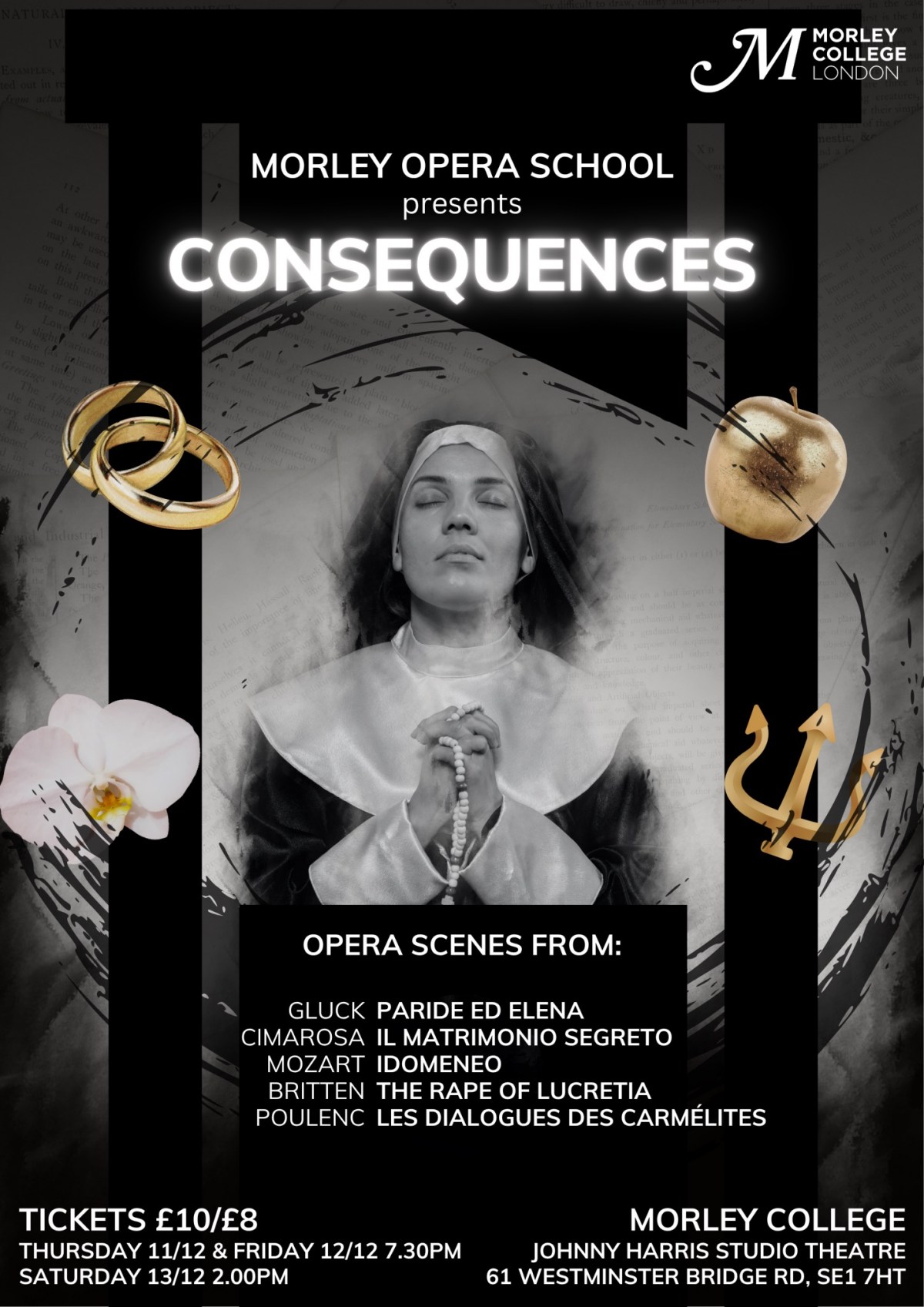
This December, Morley Opera School invites audiences to an evening of passion, wit, and reflection with Opera Scenes: CONSEQUENCES, a vivid exploration of human choices and their inevitable aftermath. Under the expert direction of William Kerley and musical direction by Panaretos Kyriatzidis, this production offers a captivating journey through some of opera’s most powerful and emotionally charged moments. With Nicholas Bosworth at the piano and Conor Costelloe crafting evocative lighting design, the performance promises to be both musically and visually enthralling.
The program brings together a diverse range of works, from the Classical elegance of Gluck and Mozart to the modern intensity of Britten and Poulenc. Each scene has been carefully chosen to highlight the theme of consequences—how human decisions, driven by love, pride, fear, or faith, shape the fates of individuals and societies alike.
The evening opens with Gluck’s Paride ed Elena, a lyrical portrayal of the mythic lovers whose choices ignite the Trojan War. Through Gluck’s graceful yet emotionally charged score, the audience witnesses how desire can lead to destiny’s most devastating turns. The theme of secrecy and consequence continues in Domenico Cimarosa’s Il Matrimonio Segreto(The Secret Marriage), where comic misunderstandings and clandestine vows lead to both hilarity and heartbreak. Cimarosa’s sparkling ensemble writing and elegant wit remind us that even the most humorous situations often conceal real emotional stakes.
From there, the performance moves to Mozart’s Idomeneo, a masterwork of the Classical era that delves into the tension between duty and compassion. When the Cretan king must sacrifice his own son to appease the gods, Mozart’s music swells with moral anguish and divine intervention—a striking depiction of how promises made in desperation can lead to unbearable consequences.
The evening then shifts to the haunting world of Benjamin Britten’s The Rape of Lucretia, a twentieth-century chamber opera that reimagines an ancient Roman tragedy. Britten’s sparse, evocative score and stark moral commentary confront audiences with questions of innocence, violation, and redemption. It is one of the evening’s most profound explorations of consequence—where an individual act of violence reverberates through history.
Finally, the performance concludes with scenes from Francis Poulenc’s Les Dialogues des Carmélites, a deeply moving account of faith, fear, and courage during the French Revolution. In this extraordinary work, a community of nuns faces execution for their beliefs, and each character must decide how to confront mortality with dignity. Poulenc’s luminous harmonies and spiritual depth offer a fitting conclusion to a night that examines the human condition in all its complexity.
Opera Scenes: CONSEQUENCES is more than a showcase of operatic talent—it is a reflection on the moral and emotional choices that define us. Presented by the students of Morley Opera School, it demonstrates the artistry, discipline, and dramatic insight cultivated within this renowned institution. Among its talented performers is Jadwiga, a classically trained singer and music graduate who offers private singing lessons in classical, opera, and musical theatre styles https://www.morleycollege.ac.uk/event/morley-opera-school-presents-opera-scenes-consequences/
Performances take place on Thursday, December 11 at 7:30 PM, Friday, December 12 at 7:30 PM, and Saturday, December 13 at 2:00 PM at the Johnny Harris Theatre Studio, Morley College London, 61 Westminster Bridge Road, SE1 7HT. Tickets are priced at £10.00 (plus booking fee £11.55 online).
An evening of beauty, reflection, and emotional truth, Opera Scenes: CONSEQUENCES is an essential event for opera lovers and newcomers alike—a reminder that every choice, whether divine or human, carries its echo.

 2Shades Magazine