Steven Smith was born in Coatbridge in Scotland. He was brought up in Whitley Bay, before briefly moving to London. He then moved to the seaside town of Brighton, where he was first receiver recognition for his hairdressing skills. Steven moved to America for eight years, working in Beverly Hills, and on his return to London in the late 90s, rose to fame working in fashionable Knightsbridge. He has styled model Katie Price, actress Denise Welch, David Hasselhoff and the cast of Baywatch. Steven had his own column in The Sun newspaper advising on hair and beauty, and was a regular on the Lorraine Kelly show, transforming GMTV viewers into their favourite stars. He made over Lorraine herself, transforming her into movie legend, Elizabeth Taylor.
Steven has been a freelance writer for the last ten years, combining showbiz interviews and travel with his eye for styling. He has written two books: Powder Boy, looking at the dark side of showbiz, and an autobiography: It shouldn't happen to a hairdresser, offering a witty and sad look at his life. He is currently penning a third book to be titled Happy in Chennai.
He has a monthly column, Tales of a single middle-aged gay man that looks at not only the light side of gay life, but also darker aspects such as rape, addiction, and chem-sex. Steven also runs his own beauty/aesthetic blog and is a patron of Anna Kennedy online; a charity that not only supports the autism community but educates the public about those that live with autism.
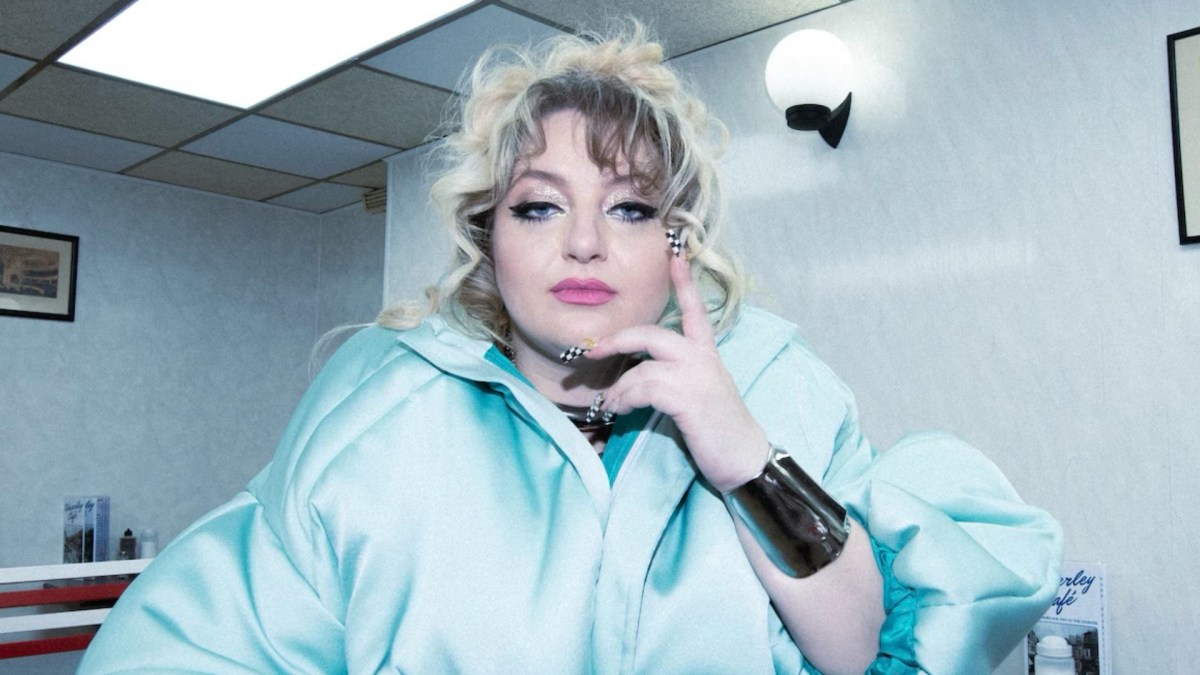
Among the many remarkable talents emerging from Britain’s vibrant and ever-evolving music scene, there are rare artists who make you stop, listen, and instantly want to know more. Those moments are special. They are the moments when you sense that something extraordinary is unfolding.
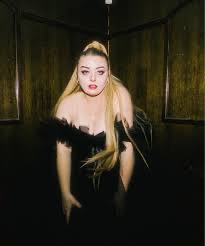
Recently, I had one of those momentswith MEEK, the Brixton-born singer who is quietly, and confidently, carving out her own space in pop music. One listen to her debut single, Fabulous, and I found myself putting down my latte and leaning in closer, eager to discover the voice behind the sound.
Fabulous, taken from her debut EP, is more than just an introduction—it is a statement of intent. From the very first notes, MEEK announces herself as an artist who understands exactly who she is and what she wants to express. Her voice is clear, confident, and emotionally resonant, drawing listeners in with effortless charm. There is a richness to her tone that feels both contemporary and timeless, blending modern pop sensibilities with classic showmanship.
Beyond her vocal talent, MEEK possesses something far rarer: presence. She commands attention without trying too hard. There is humour in her delivery, intelligence in her lyrics, and a distinctive style that makes her impossible to ignore. Watching her perform, you don’t simply hear a song—you experience a personality. Every gesture, expression, and note feels intentional, crafted to connect with her audience.
It would be easy to label her “the British Lady Gaga,” and while there are certainly echoes of boldness, theatricality, and fearless self-expression, such a comparison is ultimately limiting. MEEK is not following in anyone’s footsteps. She has developed her own musical identity—one that blends pop, performance, and personality into something refreshingly original. Her songs feel deeply personal yet universally relatable, celebrating individuality while inviting everyone along for the journey.
What also stands out is her natural ability to create joy. Her music is uplifting without being shallow, playful without losing depth. Fabulous is not just an anthem of confidence; it is a reminder that embracing who you are can be both powerful and fun. In an industry often driven by trends and formulas, MEEK’s authenticity feels like a breath of fresh air.
Crucially, she embodies the qualities of a modern pop icon: inclusivity, self-belief, creativity, and courage. She speaks to a generation that values honesty and representation, and she does so with glamour, wit, and heart. It is no surprise that many already see her as a potential LGBTQ+ icon in the making.
With her talent, charisma, and clear artistic vision, MEEK is not just another promising newcomer—she is an artist with global potential. If Fabulous is any indication of what lies ahead, this is only the beginning of a remarkable journey. The world should pay attention. A star is rising, and her name is MEEK.
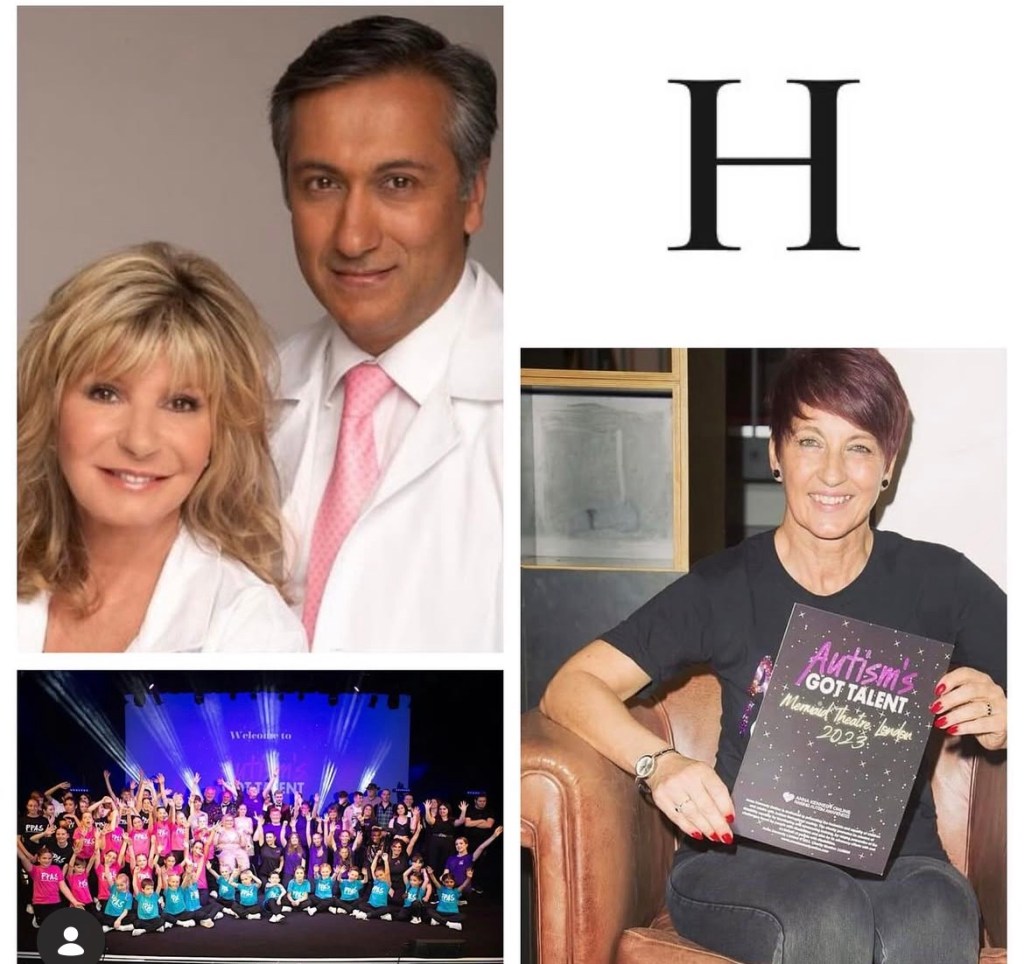
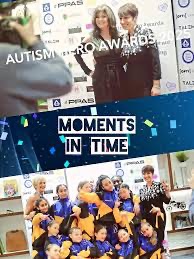
The Harley Street Skin Clinic is proud to sponsor the Personal Achievement Award at the 2026 Autism Hero Awards in London on 9 May, celebrating individuals who have shown exceptional courage, determination, and resilience in the face of adversity.
For decades, Harley Street has been synonymous with excellence in medicine, and the Harley Street Skin Clinic has remained firmly at the forefront of this tradition. Combining world-class medical expertise with compassionate, patient-centred care, the clinic continues to set the benchmark in both aesthetic and medical treatment.
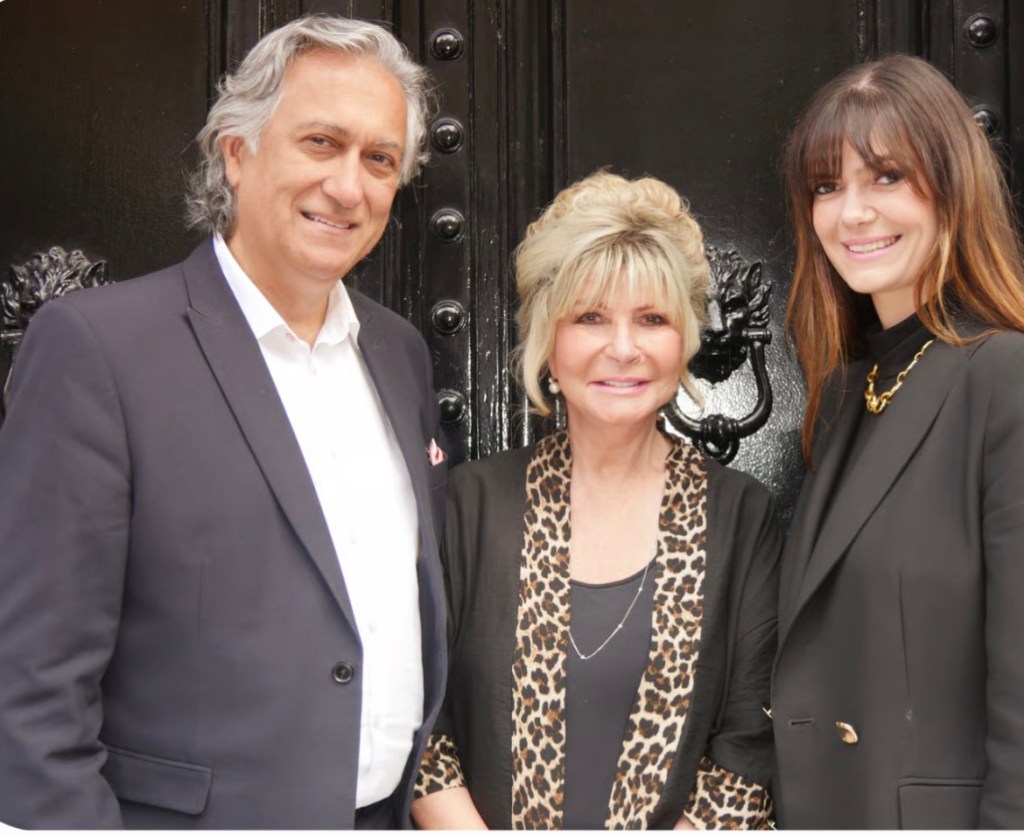
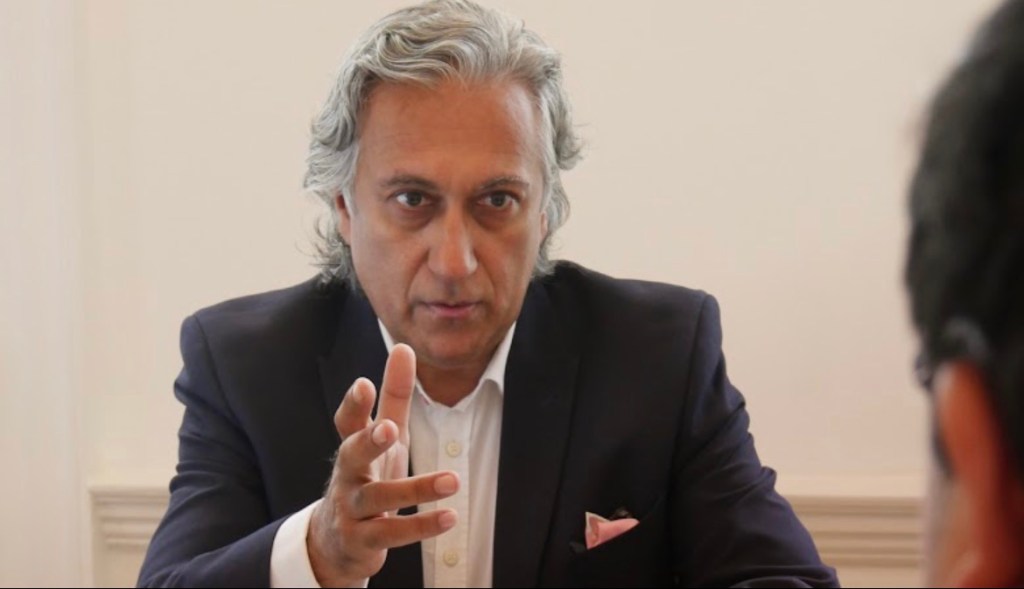
At the heart of this commitment is Dr Aamer Khan, who is widely recognised not only for his clinical expertise but also for his dedication to supporting autistic individuals and their families. Through thoughtful research, practical treatment approaches, and genuine empathy, Dr Khan helps people navigate everyday challenges with confidence, dignity, and understanding.
The clinic’s outstanding reputation has been built on trust, precision, and an unwavering focus on patient wellbeing. By blending a rich medical heritage with the latest technological advancements, Harley Street Skin ensures that every client receives the highest standard of care, from consultation to aftercare.
Co-founder Lesley Reynolds and Managing Director Sophie Cooper are equally admired, not only for their professional achievements but for their deeply empathetic approach to charity and community engagement. Their support for the autistic community extends far beyond the clinic walls and into their everyday lives, reflecting a genuine commitment to making a meaningful difference.
Through its sponsorship of the Autism Hero Awards, Harley Street Skin has become a proud champion of Anna Kennedy Online, the leading autism charity founded by Dr Anna Kennedy OBE. Speaking about the partnership, Dr Kennedy said:“To have the Harley Street Skin Clinic as a sponsor is truly wonderful.
Their approach to autism research and understanding is inspiring, and I am excited to work closely with them.”Since 2004, Dr Aamer Khan and Lesley Reynolds have worked tirelessly to build Harley Street Skin into a trusted name in cosmetic and medical excellence. With a family legacy in medicine spanning four generations, their dedication has earned the clinic an enviable reputation and a high-profile client base.
Their journey was even showcased on Sky Television in the acclaimed series Stitch Me, Lift Me, Tuck Me.Today, the clinic continues to flourish under Sophie Cooper’s leadership, bringing fresh vision and energy while preserving its family-run values.
Offering a comprehensive range of surgical and non-surgical treatments—from advanced body sculpting and cosmetic contouring to breast enhancement and anti-ageing procedures—Harley Street Skin remains committed to excellence at every level.Through innovation, compassion, and community spirit, the Harley Street Skin Clinic stands proudly alongside the Autism Hero Awards, honouring personal achievement and helping to build a more inclusive, understanding society.
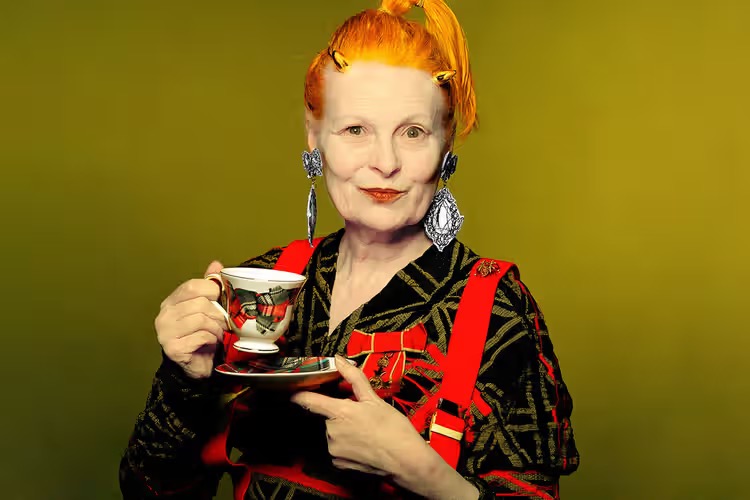
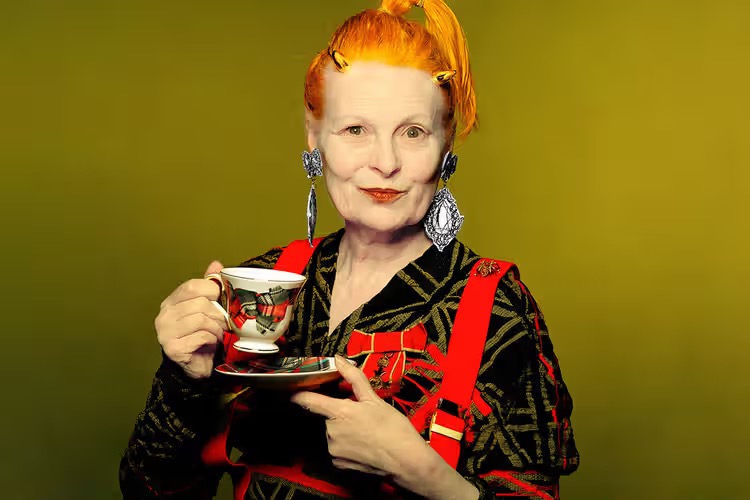
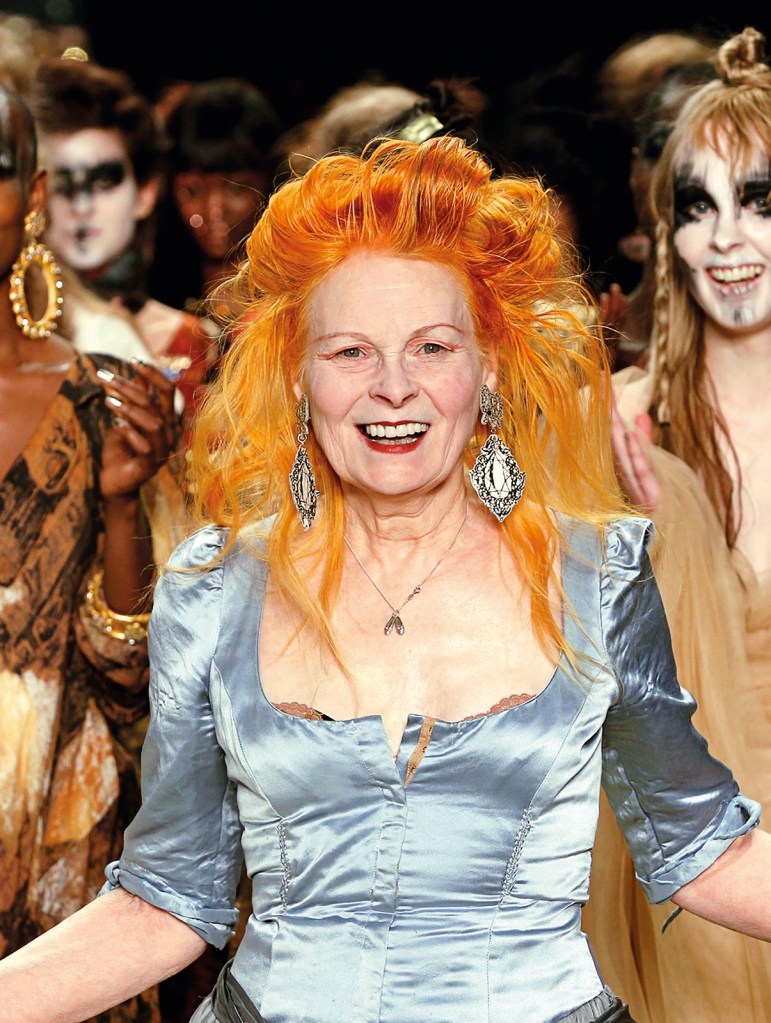
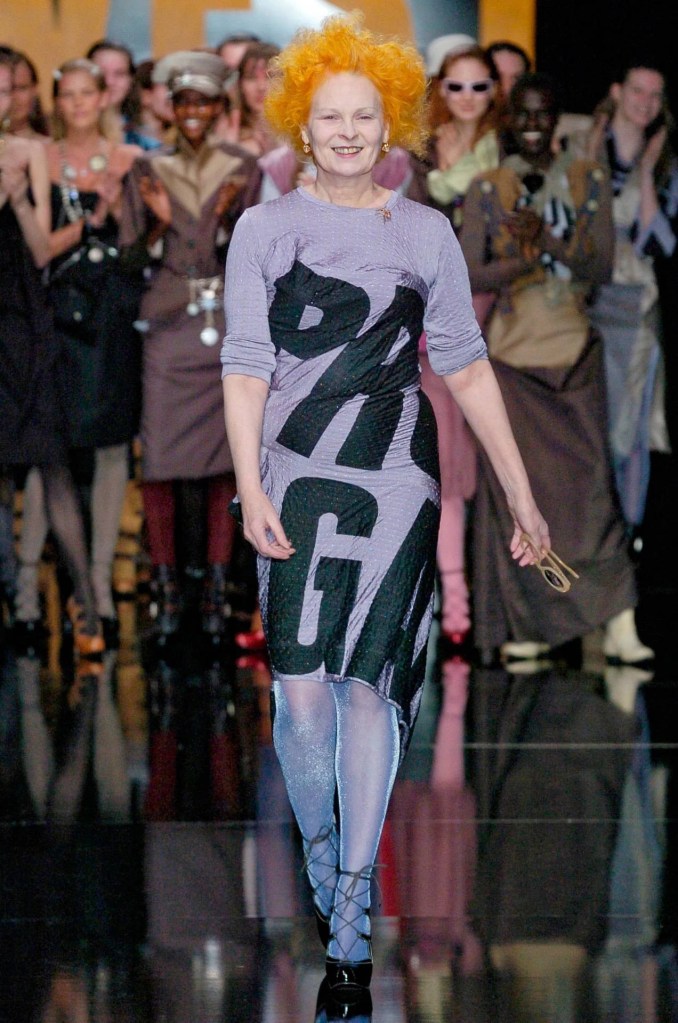
“God Save the Queen of Fashion: Vivienne Westwood”
Back in London after several years in Los Angeles, my dear friend, the late journalist Lester Middlehurst, could not wait to take me out on the London party scene. It was all a little overwhelming on our first outing — the launch of Naomi Campbell’s first album.
As we pushed through the excitable crowd onto the red carpet, Lester whispered, “You’re not actually invited. I only have one invite — we’ll just blag you in.” In true Lester style, blag me in he did, leaving my face as red as the carpet and my hands shaking. Blagging is not my forte, and I stood there clutching my glass of champagne, feeling far less confident than I looked.
It felt like I was the only person among the assembled celebrity guests I had never heard of.
My nerves were soon eased when a lovely woman with a soft Yorkshire accent asked, “How are you tonight? You look great.” It was none other than the wonderful and grounded Vivienne Westwood.
Unlike many of the politely named “meerkats” I encountered over the years — people constantly looking over your shoulder to see if someone more important had arrived — Vivienne was genuinely interested. When I told her I’d owned a pair of her bondage trousers at just seventeen, she laughed and listened. Several people tried to interrupt us, and she politely told them she was talking to me.
That first London social event is one I will never forget, thanks to Vivienne.
With her down-to-earth, no-nonsense charm, she didn’t just change fashion — she changed how we saw designers. Outrageous, camp, fun, and fearless, she was arguably the woman we all wished could be our friend.
In my teens, I once took my mum for a treat day out to King’s Road when I was sixteen. We sat opposite the famous shop Sex, run by Vivienne and Malcolm McLaren. My mum was not ready for the vibe. Spotting what she thought was a giant tampon in the window, she let out a small scream — and that was the end of our day out.
Whether telling Kate Moss that she’d fancy her if she were gay, challenging older generations with “We don’t accept your values,” promoting the Green Party, stripping for PETA, or mocking then–Prime Minister Margaret Thatcher on the cover of Tatler, Vivienne was never afraid to stand on the front line.
Her origins lay in slogan T-shirts. With Malcolm, she designed provocative clothing that led to prosecution under the 1959 Obscene Publications Act. They responded by rebranding the shop, and later opening Seditionaries. Around the same time, the Sex Pistols — managed by Malcolm — released God Save the Queen, a chart-topper banned by the BBC.
Punk was born, and Vivienne led it.
Long before “fifty shades” became fashionable, she brought taboo, fetish, and fantasy into mainstream culture. She inspired artists like Madonna and helped people express themselves boldly through clothing.
Despite her anti-establishment views, she became one of the world’s top designers. She won Fashion Designer of the Year in 1990 and 1991 from the British Fashion Council. She received an OBE from Queen Elizabeth II in 1992 and was made a Dame in 2006.
In 1992, she introduced wedding gowns into her collections. One of her designs famously appeared in Sex and the City, when Mr Big gifts Carrie her dress.
It shocked many when her death was announced in December 2022 — and that this ageless woman was 81. She passed away peacefully, surrounded by family, in Clapham, South London.
Many people enter this world hoping to leave their mark. The soft-spoken Yorkshire girl left her mark on everyone she met — and an indelible stamp on global fashion.
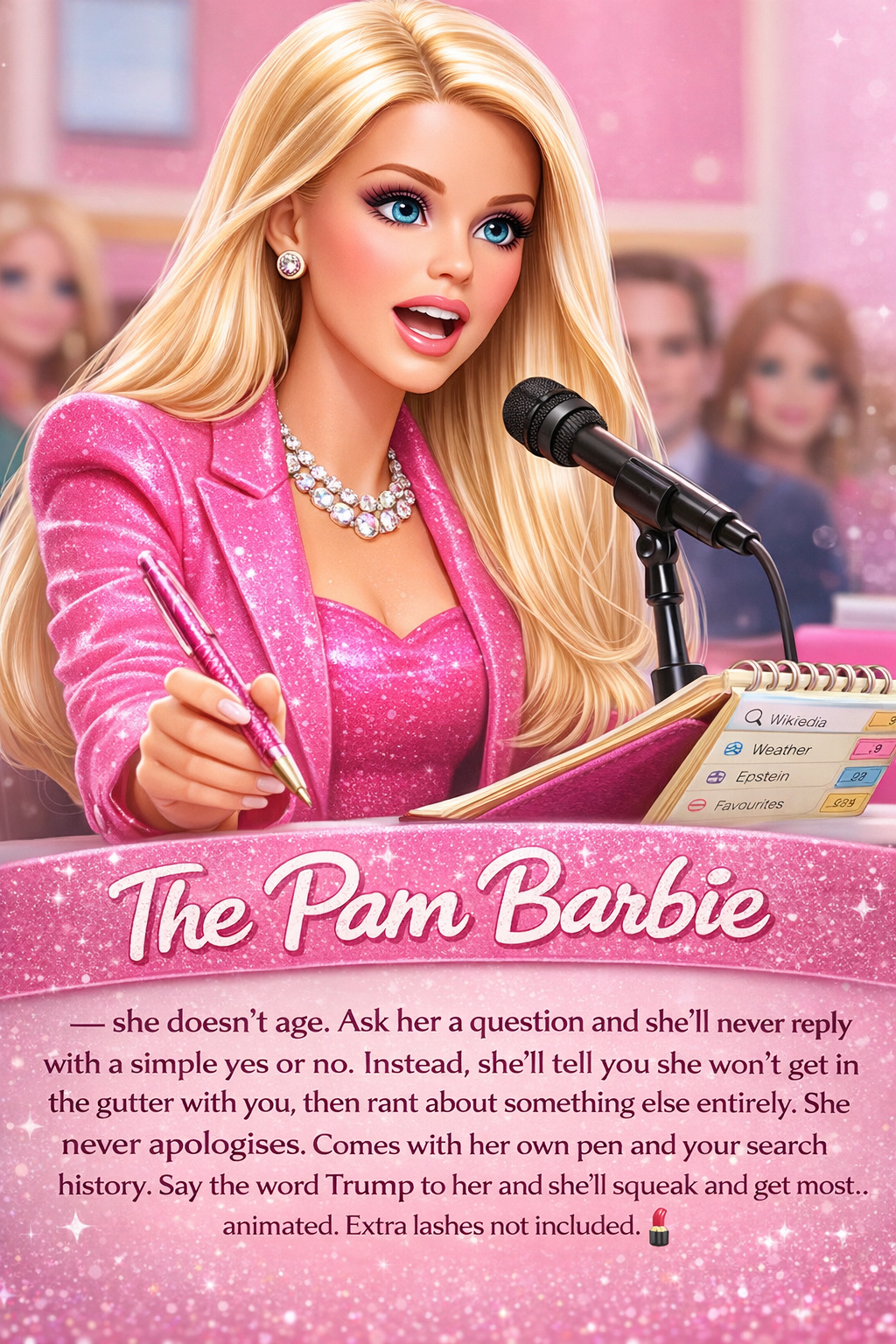
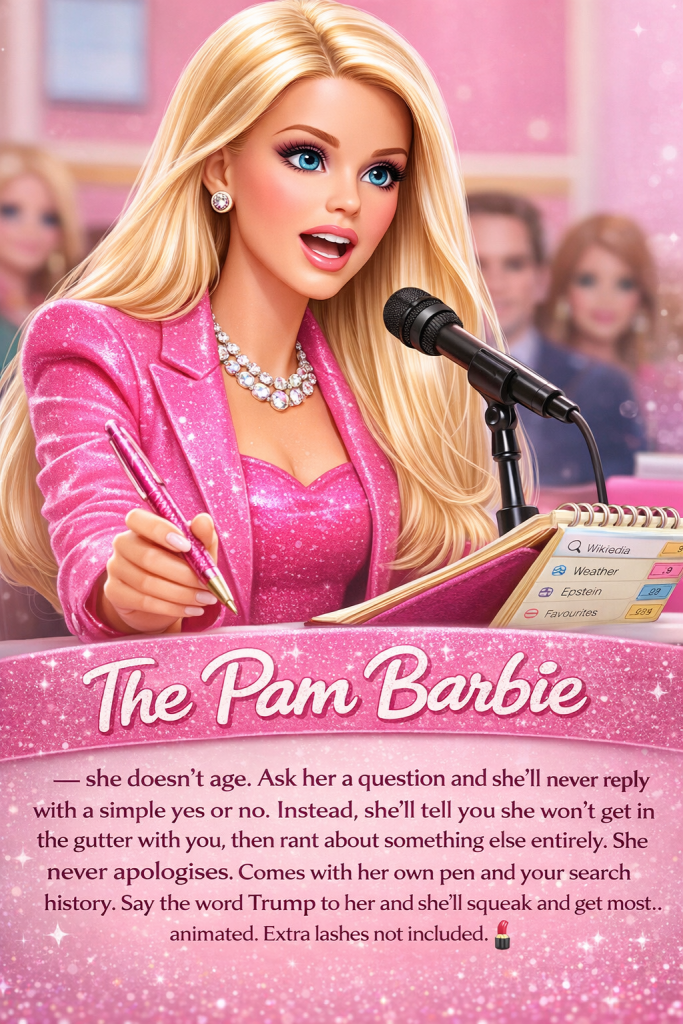
The Pam Barbie — she doesn’t age. Ask her a question and she’ll never reply with a simple yes or no. Instead, she’ll tell you she won’t get in the gutter with you, then rant about something else entirely. She never apologises. Comes with her own pen and your search history. Say the word Trump to her and she’ll squeak and get most… animated. Extra lashes not included. 💄
Do not forget two more in the set
ICE ICE BABY BARBIE
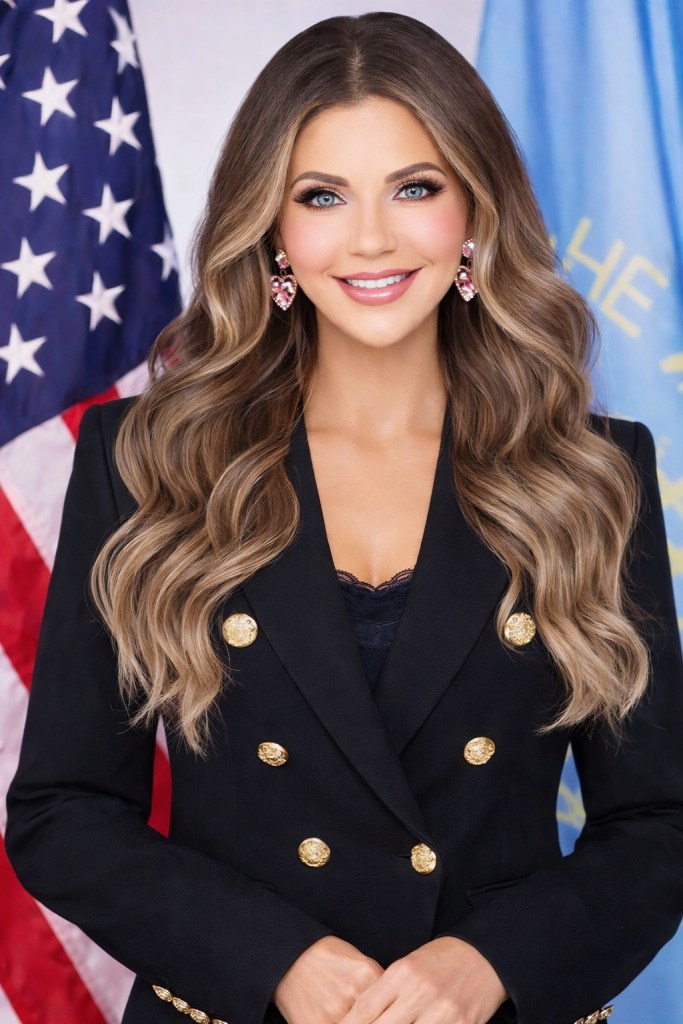
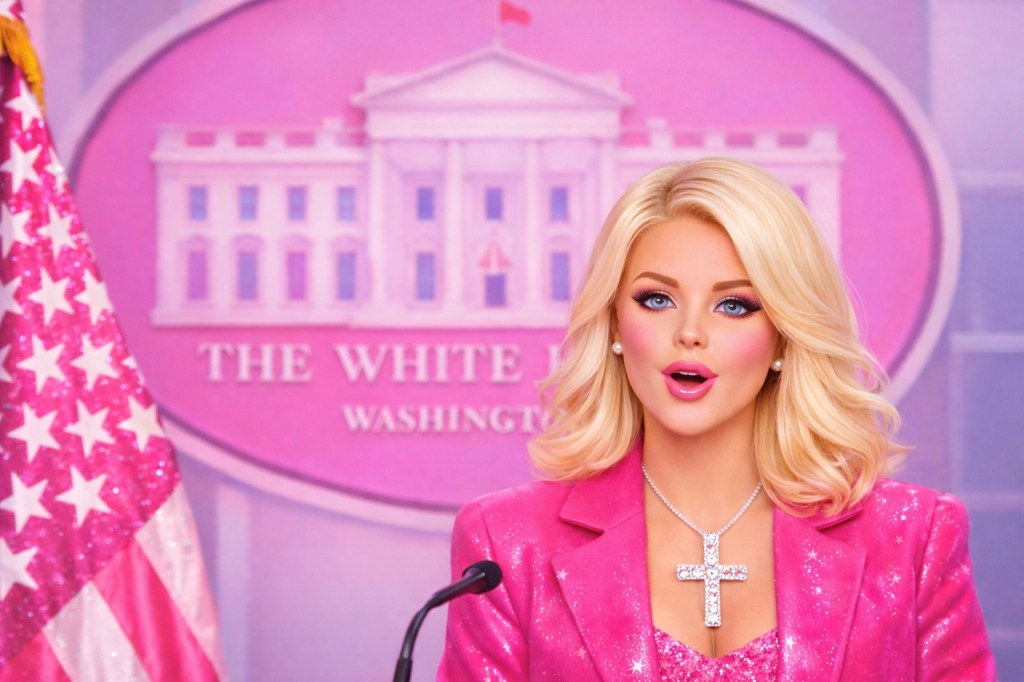
Throw myself on the cross for Trump Press Barbie
WARNING NOT SUITABLE FOR PEOPLE WITH COMMON SCENSE , OR WHO UNDERSTAND EMPATHY OR ARE PART OF GROUP THAT DOES NOT BOW DOWN TO TRUMP.
Give Me a Break: Why Jim Ratcliffe Shouldn’t Have to Apologise for Speaking His Mind
Give me a break. Jim Ratcliffe should never have been asked to apologise simply for saying what he thinks. You may not agree with him — and that’s perfectly fine — but he is entitled to express his views. That is how debate works. Someone speaks, others respond, and through discussion we decide where we stand. Silencing people helps no one.
The Monaco-based Manchester United co-owner has faced anger from politicians and football fans over words branded “disgraceful.” But really, what he did is what many of us do when we are frustrated: he spoke honestly. He didn’t dress his feelings up in polite clichés or empty phrases. He said what he meant.
Most of us are experts in polite dishonesty. “With all due respect” often means “I completely disagree with you. or F—U ” “That was pleasant” usually means “that was awful.” And “I’m sorry if you were offended” is perhaps the most passive-aggressive phrase of all. Anyone with a bit of intelligence knows it isn’t a real apology — it’s a way of avoiding responsibility while appearing polite.
We have become obsessed with forcing public figures into rehearsed apologies. They are expected to grovel, backtrack, and apologise for having opinions. Often, these apologies are meaningless. They are written by advisers, polished by PR teams, and delivered with no genuine feeling behind them.
We should be careful not to turn into a country where people are afraid to speak openly. Suppressing opinions does not make racism, homophobia, or prejudice disappear. It simply pushes those views into the shadows, where they cannot be challenged or confronted. Open discussion, however uncomfortable, is far healthier than silence.
If someone chooses to apologise on their own terms, that is their right. But forcing an apology achieves nothing. Once people have spoken, we know who they are and what they believe. Then it is up to the rest of us to agree, disagree, challenge, or ignore them.
Free speech is not about comfort. It is about honesty. And we should defend it — even when we don’t like what is being said.
Take your mind of Andy . Mandy . Epstein a Trump came too . Beast Games is Great Viewing .
Thank God for the Winter Olympics and the latest instalment of Bridgerton. At times like this, they are exactly what we need — a welcome distraction from the endless cycle of headlines Andy, Mandy, Epstein, and Trump came too . Sadly, it’s not a children’s cartoon we can simply switch off and forget. This is real life, and sometimes it feels overwhelming.
Let’s not even go there with the innuendo. Some stories are so grim and uncomfortable that they leave you wishing for a remote control that could pause the world for a while. Instead, we scroll, we sigh, and we carry on, trying to protect our sanity as best we can.
That is why entertainment matters more than people realise. It isn’t shallow or pointless. It is a form of escape, a mental breather. Whether it’s athletes pushing themselves to the limit on icy slopes or glamorous characters sweeping through Regency ballrooms, these moments remind us that there is still beauty, talent, and creativity in the world.
And if you are looking for something fun and completely absorbing, look no further than Amazon Prime’s Beast Games. It is fast-paced, dramatic, and unapologetically entertaining. The challenges are outrageous, the stakes are high, and it is impossible not to get drawn in. It is the kind of programme that makes you forget your phone, your worries, and even the news for an hour or two.
Sometimes, switching off is not avoidance — it is survival. We cannot live in a constant state of outrage and anxiety. We need sport, drama, laughter, and even a bit of escapist nonsense to balance things out.
So yes, thank God for the Winter Olympics, Bridgerton, and shows like Beast Games. In a noisy, reedless world, they offer us something precious: a moment of peace.
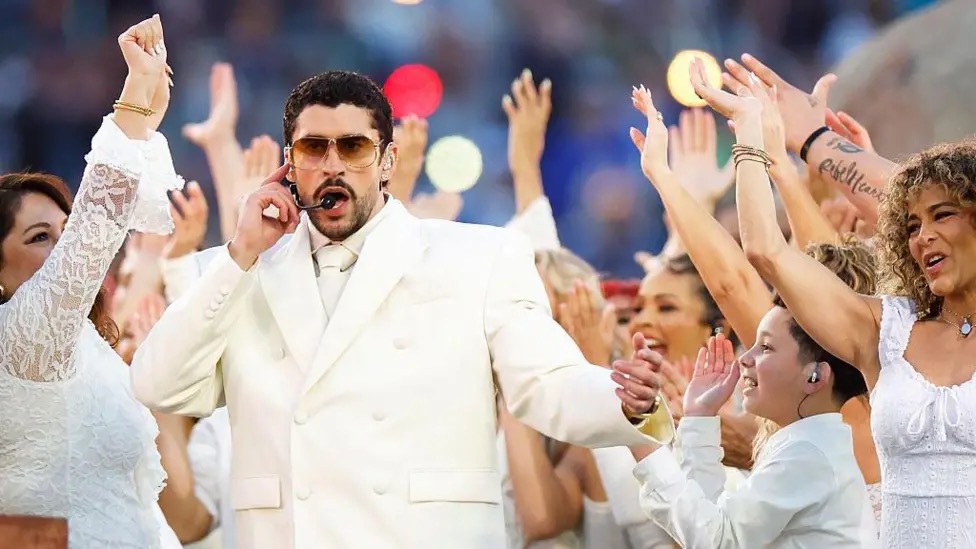
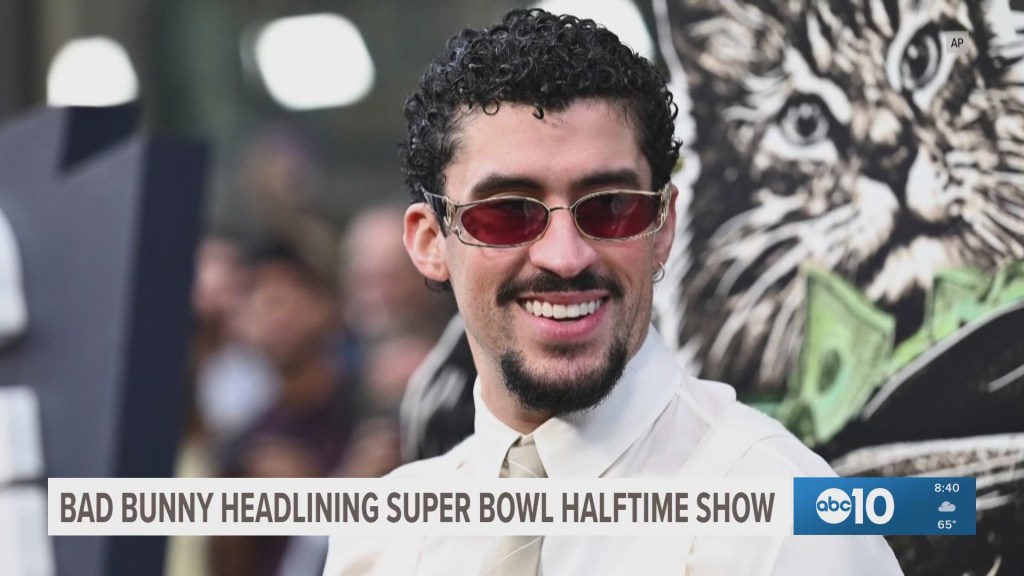
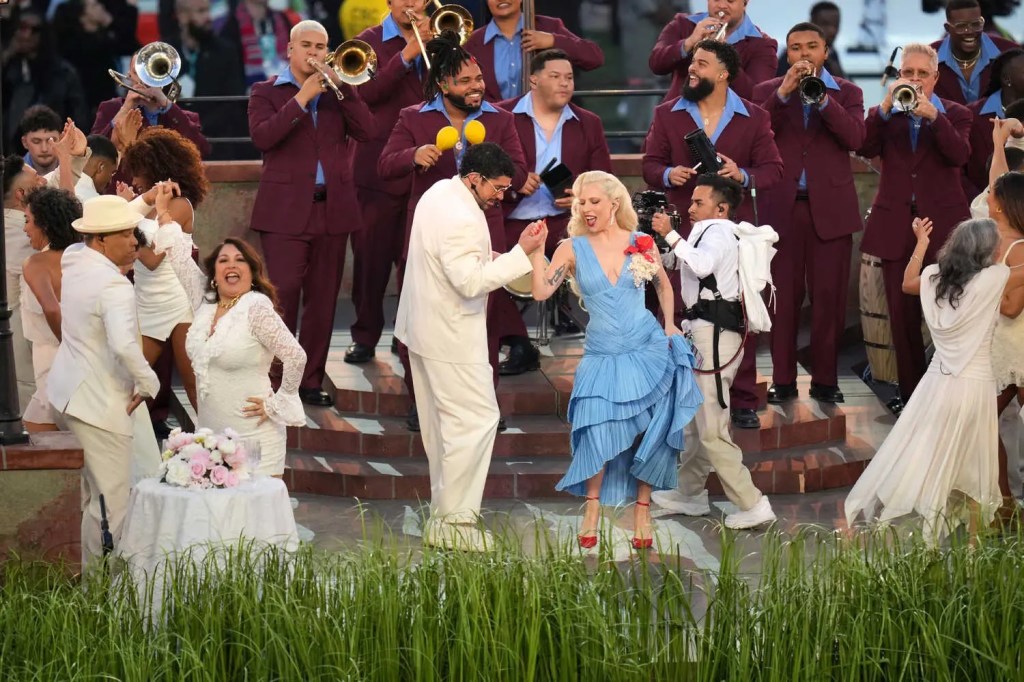
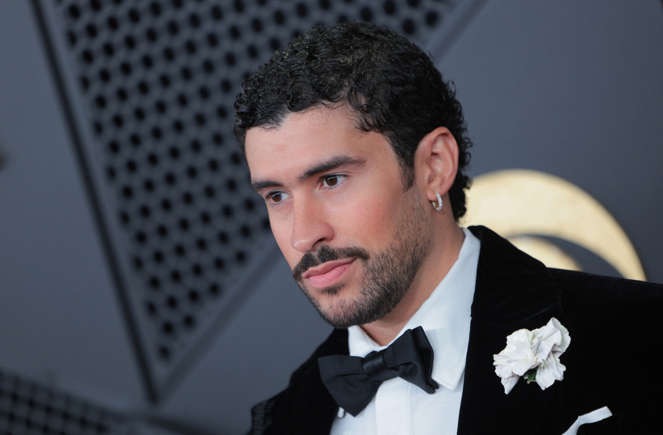
An amazing Super Bowl half time show with Bad Bunny and lady Ga Ga
For just over thirteen unforgettable minutes, Bad Bunny showed the world what America can be at its very best.
In an era too often dominated by division, fear and noise, the Puerto Rico–born megastar delivered something rare and precious: a performance rooted in empathy, diversity, unity and love. It was a reminder that kindness still matters. That culture still connects us. And that music, when created with honesty and heart, has the power to heal.
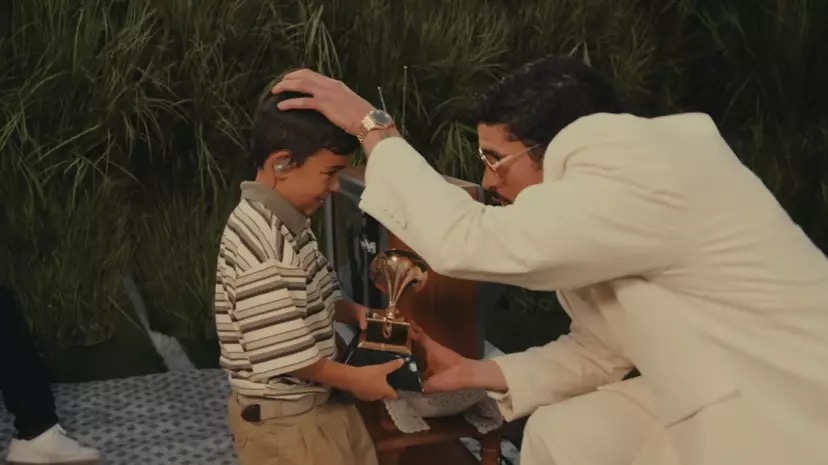
Watching his Super Bowl performance, I felt goosebumps ripple through me. It was one of those rare moments that catches you off guard — when entertainment quietly becomes something deeper. Tears welled in my eyes, not just because of the spectacle, but because of what it represented. When Bad Bunny, born Benito Antonio Martínez Ocasio, later handed his Grammy trophy to a young boy, it symbolised everything he stands for: generosity, humility, hope, and the belief that success means very little if you do not lift others with you.
Only a week before that performance, he had achieved another historic milestone, winning multiple Grammys and securing Album of the Year for a Spanish-language record — the first time in the ceremony’s history. It was far more than a personal triumph. It was a cultural moment. It declared, loudly and clearly, that Spanish-speaking artists, stories and voices belong at the very centre of global culture.
A Voice for Millions
Bad Bunny represents more than music. He represents identity.
Over 50 million Americans speak Spanish, and many millions more around the world share that language. For decades, their stories were often pushed to the margins. Today, through artists like Bad Bunny, those voices are finally being heard — not as niche or alternative, but as mainstream, powerful and essential.
What makes his music so extraordinary is that you do not even need to understand every word to feel its impact. I have sat in operas sung in German and Italian and been deeply moved without speaking either language. Music, at its best, transcends translation. It lives in rhythm, tone, emotion and feeling.
Bad Bunny’s songs do exactly that. They make you want to dance. They make you want to smile. They make you want to belong. They invite everyone into the room — regardless of age, background or nationality — and say, “You are welcome here.”
That sense of inclusion is no accident. It is the foundation of his work.
More Than a Performer
What truly sets Bad Bunny apart is not just his talent, but his courage.
He has consistently challenged stereotypes around masculinity, fashion and identity. He wears nail polish. He experiments with clothing. He speaks openly about mental health. He advocates for LGBTQ+ rights. He stands up for his community when injustice strikes. And he does so without preaching, without arrogance and without apology.
In doing so, he has become a role model for millions who may never have seen themselves reflected in mainstream culture before. Young men who felt pressured to hide their softness. Young people who felt different. Young artists who wondered if there was space for their voice.
Bad Bunny proves that there is.
And that authenticity is not weakness — it is strength.
A Night of Healing
His Super Bowl performance was not just entertainment. It was a tonic for the soul.
At a time when many Americans — and people across the world — are grappling with uncertainty, financial pressure, social division and emotional fatigue, the show offered something desperately needed: joy.
It reminded us what it feels like to be united by a shared moment. To laugh, cheer, sing and dance together. To forget our worries, even briefly, and simply exist in celebration.
That is the true power of culture. It builds bridges where politics builds walls.
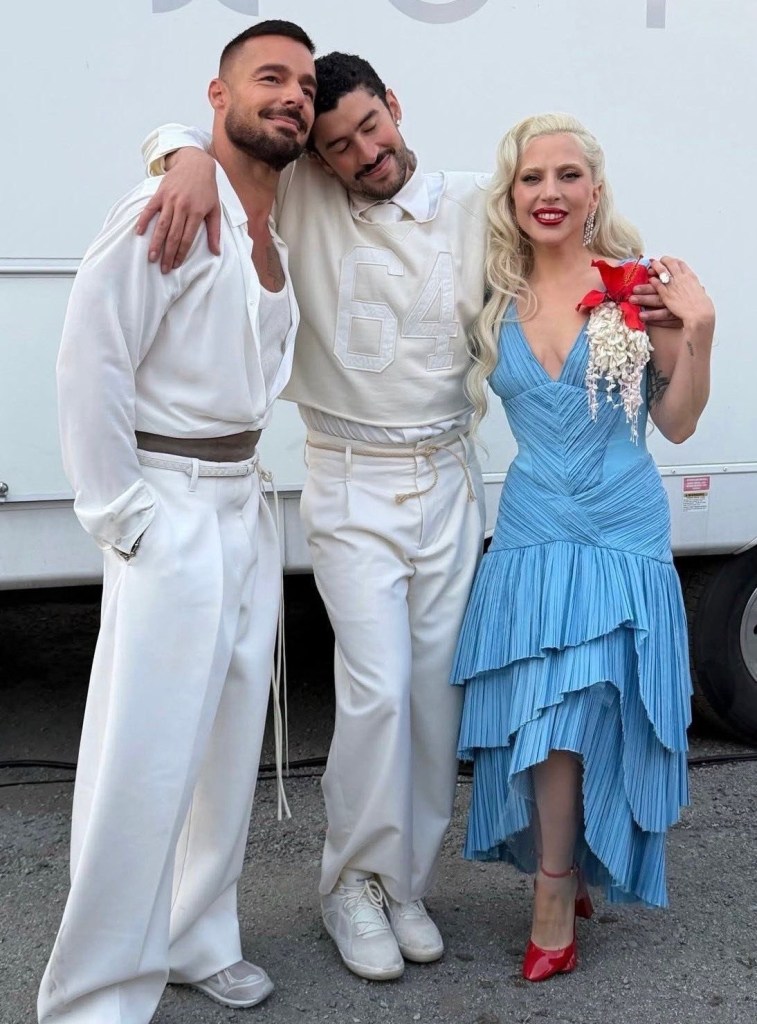
truly beautiful as love came together Lady Ga Ga , Ricky Martin and Bad Bunny ,
Standing Among Legends
Bad Bunny was not alone in delivering that message.
Lady Gaga’s performance of Hold My Hand was another beacon of light — a moving tribute that honoured courage, compassion and resilience. Her voice carried both strength and vulnerability, reminding us that patriotism is not about shouting the loudest, but about caring the deepest.
I was lucky enough to see Lady Gaga when she was just starting out, performing at Wilton Manors’ Bill’s Filling Station. Even then, she had that unmistakable spark — that sense of destiny. Watching her now, on one of the biggest stages in the world, is proof that talent paired with integrity can take you anywhere.
Meanwhile, Ricky Martin joined Bad Bunny for a beautiful rendition of Lo Que Le Pasó a Hawaii. It was emotional, elegant and deeply symbolic — a meeting of generations, cultures and histories. Two Puerto Rican artists, united on a global stage, honouring their roots while embracing the future.
It was breathtaking.
A New Definition of Success
For years, success in the music industry was defined narrowly: English-language hits, a traditional image, predictable branding. Bad Bunny has shattered that formula.
He sings in Spanish. He blends reggaeton, trap, pop and Latin rhythms. He refuses to be boxed in. He puts his community first. And he remains grounded, despite global fame.
That is why people love him.
Not because he is perfect, but because he is real.
He celebrates his culture without excluding others. He embraces fame without losing humility. He challenges norms without seeking attention. And he gives back without seeking praise.
In a world obsessed with image, he offers substance.
Love Over Hate
Perhaps the most powerful message of all was the simplest: love wins over hate.
At a time when headlines are filled with anger and conflict, Bad Bunny’s presence said something different. It said that diversity is strength. That kindness is power. That unity is possible.
His performance was not political in the traditional sense. It was something better. It was human.
It reminded us that beneath labels and borders, we are all moved by rhythm, melody, emotion and story. We all want to feel seen. We all want to belong. We all want to hope.
And for thirteen extraordinary minutes, Bad Bunny gave us exactly that.
A Moment We Needed
Looking back, it truly was one of the finest Super Bowl halftime shows in history — not just for its production, but for its heart.
It was a celebration of heritage. A statement of inclusion. A masterclass in artistry. And a powerful reminder of why music matters.
Bad Bunny did not just perform.
He connected. He inspired. He healed.
And in doing so, he showed the world that greatness is not measured by charts or trophies alone, but by the lives you touch along the way.
In uncertain times, he gave us certainty. In divided times, he gave us unity. In weary times, he gave us joy.
And that is why the world has fallen in love with Bad Bunny.
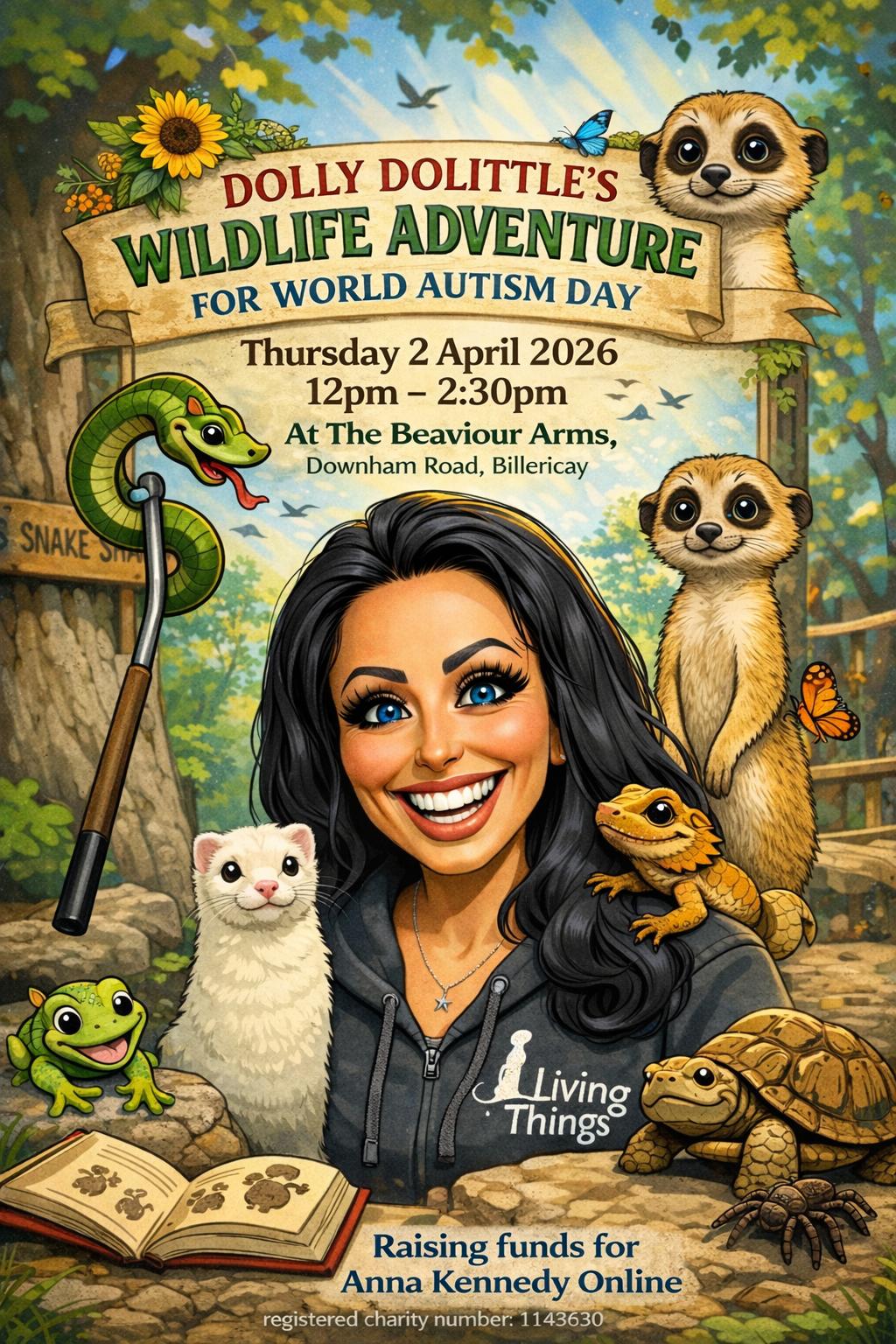
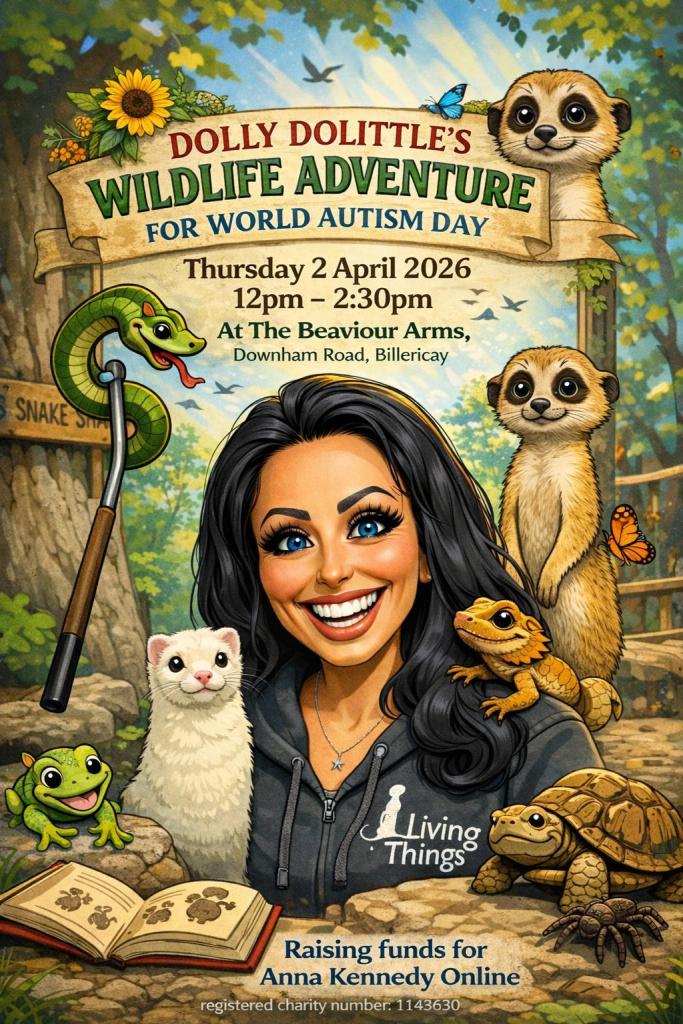
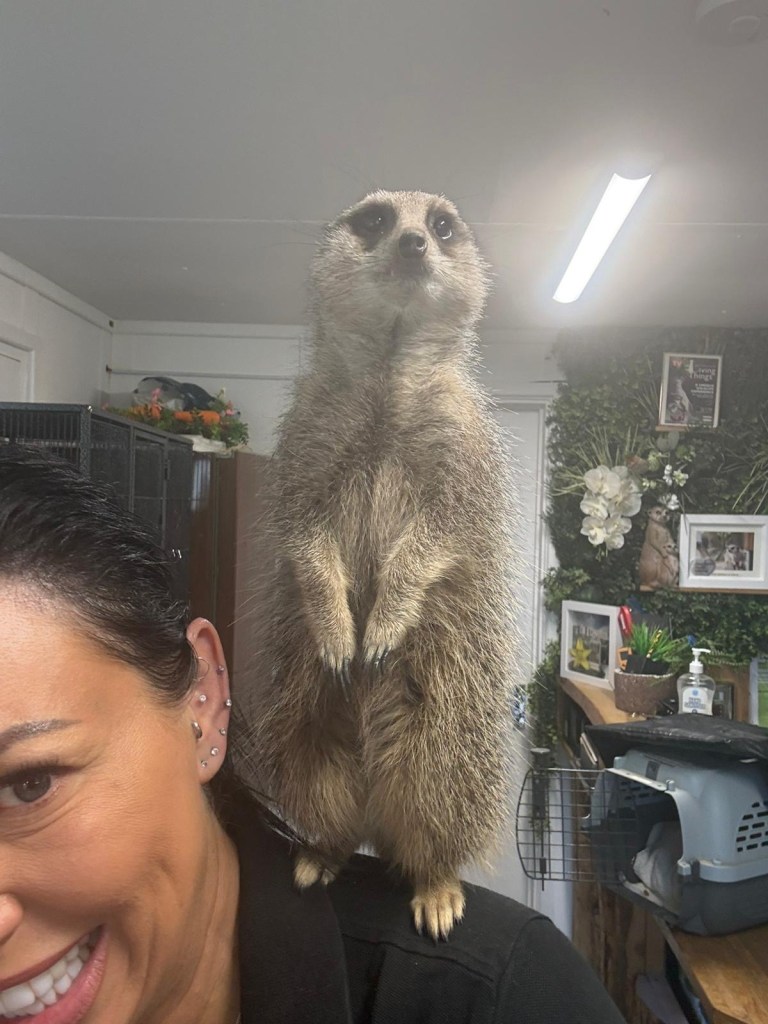
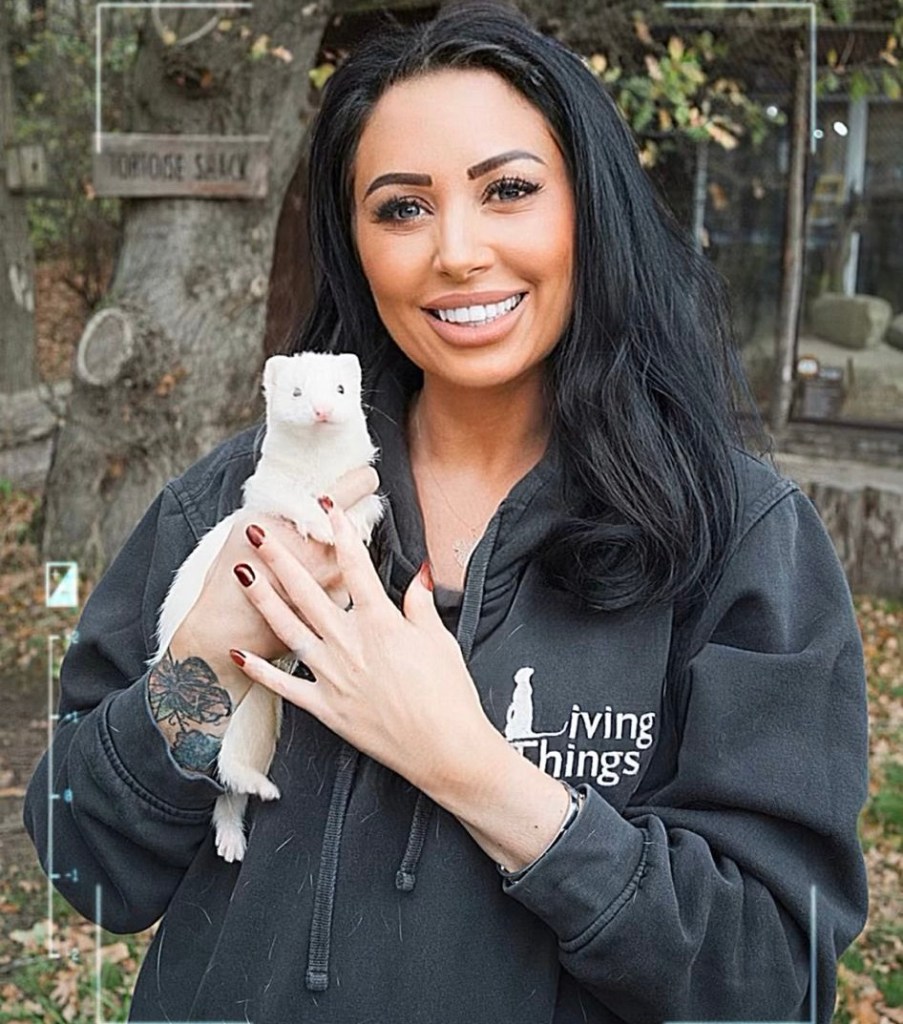
Dolly Dolittle’s Wildlife Adventure is coming to Billericay this April in celebration of World Autism Awareness Day, bringing together acclaimed Animal Wildlife Presenter Nicki Rodriguez at Living Things in support of Anna Kennedy Online.
The special family-friendly event will take place on Thursday, 2nd April, from 12:00pm to 2:30pm at The Beauvoir Arms, Downham Road, Downham, Billericay, CM11 1QH.
The main show will begin at 12:30pm and will be followed by a buffet for guests included in the price .
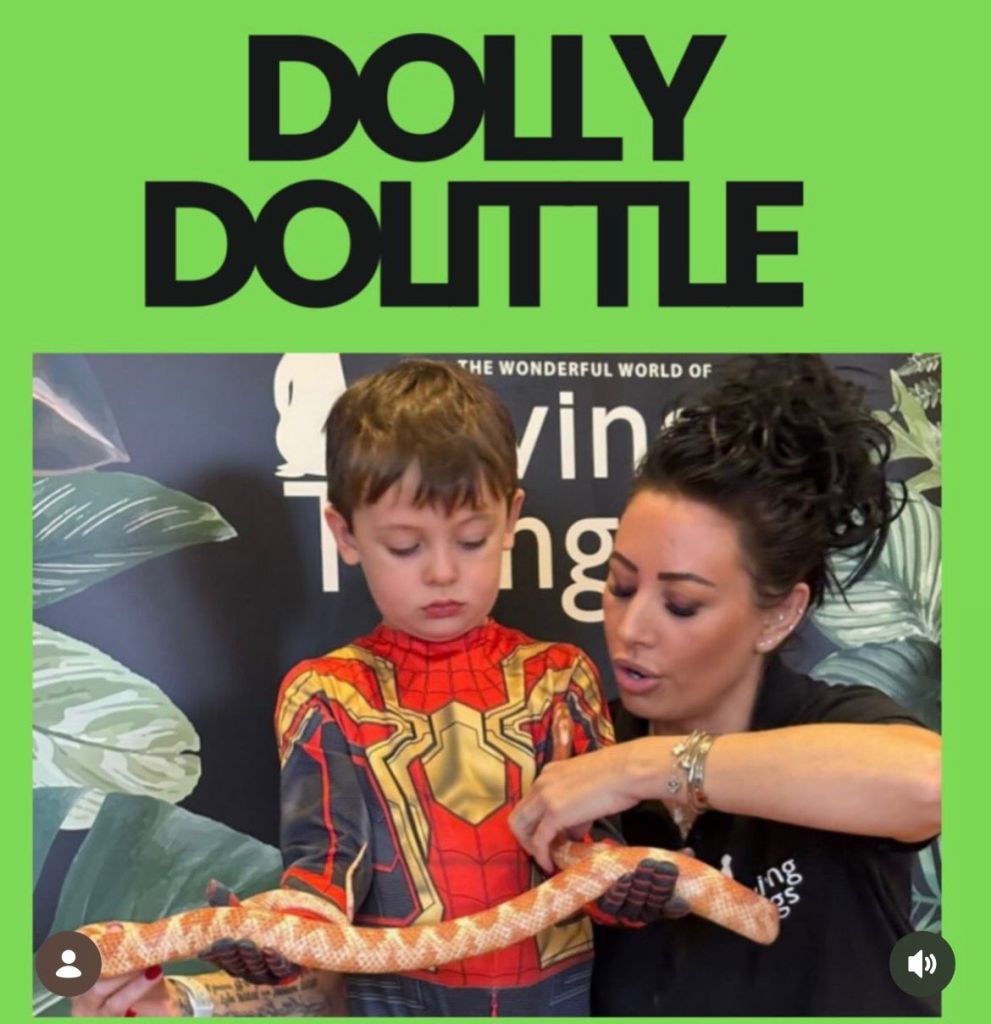
Meet a friendly snake .
Organised to mark World Autism Awareness Day, the event aims to raise awareness and vital funds for Anna Kennedy Online, a leading UK charity dedicated to supporting autistic individuals and their families through advocacy, education, and community programmes. Dolly Dolittle’s Wildlife Adventure offers children and adults a unique opportunity to engage safely with a range of fascinating animals, including meerkats, snakes, tarantulas, and flying sugar gliders. Delivered in a fully supervised and educational environment, the experience encourages respect for wildlife while inspiring curiosity and learning.
The expert team at Living Things are nationally recognised for their high standards of animal care and are regularly trusted by television and film productions for their professionalism and specialist knowledge. Every animal featured in the show is carefully looked after, ensuring both their wellbeing and a positive experience for visitors. Nicky Rodriguez is also energetic and her engaging performances have delighted audiences across the UK. Having entertained royalty, celebrities, and thousands of children, Nicki is known for creating inclusive, welcoming events that combine entertainment with education.
All proceeds from the event will support the ongoing work of Anna Kennedy Online, helping to improve understanding, access to services, and quality of life for autistic people and their families. Guests will also have the opportunity to meet Dr Anna Kennedy OBE, founder of the charity, following the event. After the wildlife presentation, attendees will enjoy a buffet at the award-winning Beauvoir Arms, providing a relaxed and friendly space for families to connect, share experiences, and reflect on a memorable afternoon. Dolly Dolittle’s Wildlife Adventure promises to be an inspiring celebration of community, learning, and inclusion, offering fun for all ages while supporting an important cause. The event aims to leave families with lasting memories and a deeper appreciation for both wildlife and the autism community. https://www.eventbrite.com/e/1982671122700?aff=oddtdtcreator
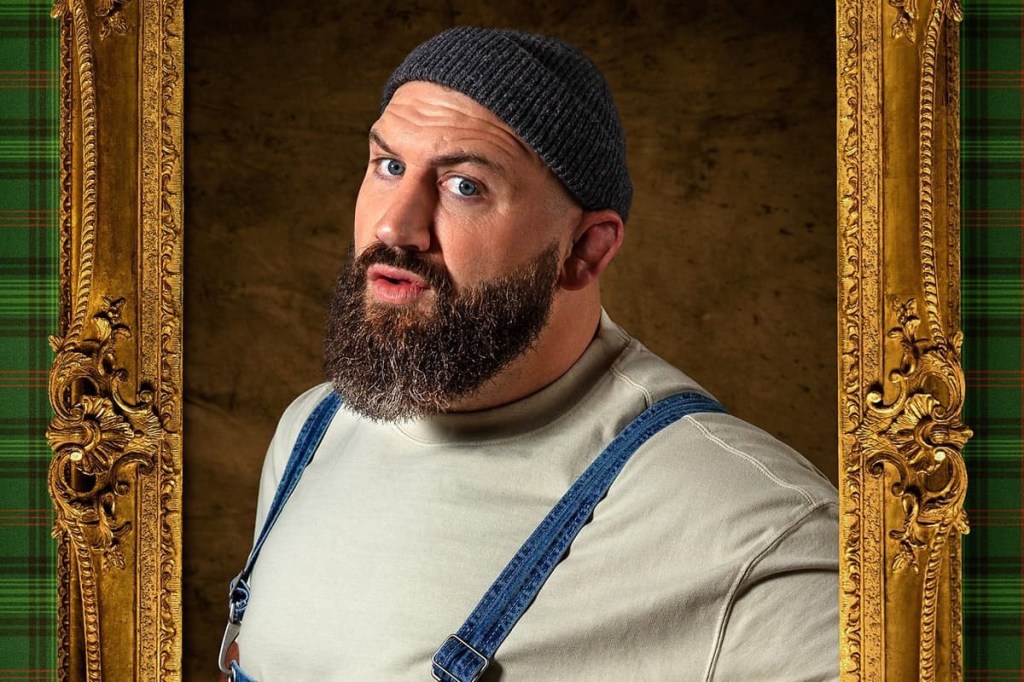
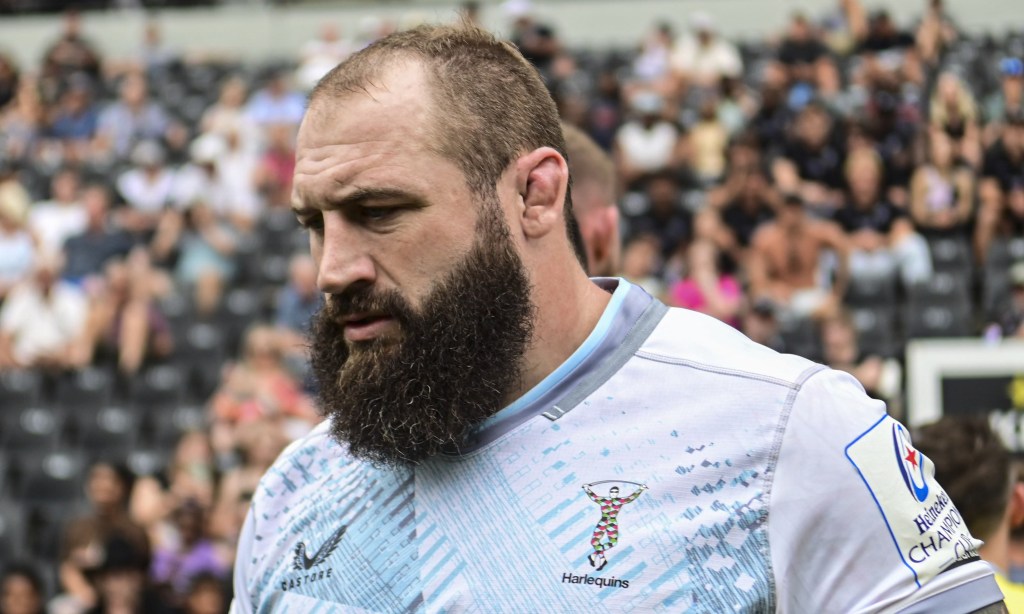
In the ever-evolving landscape of British entertainment, certain personalities burst onto the scene with such warmth and authenticity that audiences instantly connect with them. One such figure is Joe Marler, whose transition from sporting hero to television favourite has been nothing short of remarkable. From rugby pitches to reality TV, and now into the world of podcasting, Marler has carved out a unique space — and his talk show, Will See You Now, is fast becoming one of the most talked-about formats in modern media.
For many viewers, Joe truly captured hearts during his appearance on The Traitors. By the end of the series, it was almost impossible not to develop something akin to a “man crush” on him. He emerged as everyone’s favourite dad, big brother, and loyal mate rolled into one — approachable, funny, and refreshingly honest.
What made Joe stand out was not just his gameplay, but his no-nonsense approach to life. He didn’t pretend to be someone he wasn’t. His humour was natural, his reactions genuine, and his emotional intelligence quietly impressive. In a show built on deception and suspicion, Joe’s openness felt like a breath of fresh air.
When the dramatic finale arrived and Joe was eliminated just short of victory, many viewers felt he had been unfairly “robbed.” Social media lit up with disappointment, with fans lamenting the loss of one of the show’s most likeable contestants. Yet, in typical Joe fashion, he handled defeat with grace and good humour — proving once again why audiences admired him so deeply.
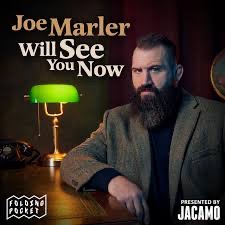
Thankfully, The Traitors was far from the end of Joe’s television journey. Instead, it marked the beginning of something even more personal: his own talk show and podcast, Joe Marler Will See You Now.
Available on YouTube and podcast platforms, the show takes an unconventional and delightfully playful approach to interviews. Set up as a kind of “clinic,” Joe positions himself — tongue firmly in cheek — as an unqualified therapist, ready to examine the minds, stories, and quirks of his guests. the “Clinic”: Joe is joined by his faithful assistant, Jake, as they host sessions featuring awkward small talk and probing questions.With Janet coordinating who we never see.
But make no mistake: behind the humour lies genuine insight. Joe has an uncanny ability to make people feel relaxed, safe, and willing to open up. He doesn’t interrogate; he converses. He listens. He reacts. And in doing so, he creates moments of real connection that traditional interview formats often fail to capture.
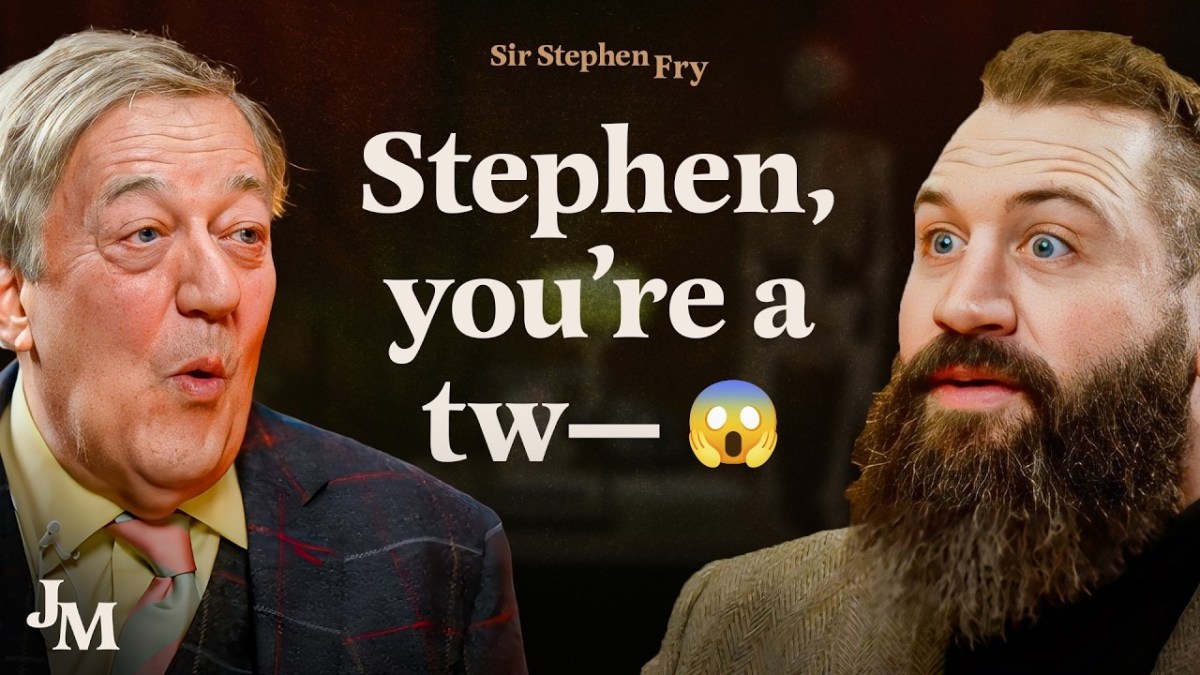
One of the most celebrated episodes to date features Stephen Fry, a guest whose presence alone elevates any conversation. In this standout instalment, viewers are treated to a rare blend of wit, wisdom, and vulnerability. Hillarous moment when he pretends to be Joe and message the Traitors whatsapp group as him asking if he should open and “Only fans page “
Johnathan Ross replys sure and do forget to include a free microscope for members. Others were more encouraging
The episode sees Fry reflecting on creativity, mental health, fame, and identity, while Joe responds not as a distant host but as an engaged, curious human being. Their chemistry is effortless — at times deeply moving, at others laugh-out-loud funny. It is a masterclass in how thoughtful conversation can still thrive in the digital age.
For many fans, the Stephen Fry episode confirmed that Will See You Now is more than just a celebrity chat show. It is a space for meaningful dialogue — where humour and heart sit side by side.
Other episodes have featured comedians, athletes, entertainers, and public figures, each bringing their own stories and struggles to the table. Whether discussing career highs, personal setbacks, or unexpected life lessons, Joe guides every conversation with empathy and authenticity.
What makes the show truly compelling is Joe himself. He never hides behind a polished persona. He is honest about his own doubts, his mistakes, and his journey. That openness invites guests — and viewers — to be open too.
In an age where many celebrity interviews feel rehearsed and formulaic, Will See You Now feels refreshingly real. It’s unpredictable, warm, occasionally chaotic, and always engaging. You never quite know where the conversation will go — and that’s exactly the point.
Joe Marler’s evolution from rugby star to beloved broadcaster has been organic and heartfelt. He hasn’t chased fame; he’s simply followed curiosity and stayed true to himself. And audiences have followed willingly.
With standout episodes like the one featuring Stephen Fry, and a growing list of fascinating guests, Joe Marler Will See You Now is quickly establishing itself as a must-watch series. It’s the talk show everyone wants to be on — and increasingly, one everyone wants to watch.
In a world hungry for authenticity, Joe Marler is delivering it, one conversation at a time. Lets have it a main stream show as it is funny orginal and what we need right now .
When we talk about male grooming, most men immediately think of haircuts, beard trims, maybe the occasional wet shave if they’re feeling indulgent. Walk down any British high street and you’ll see it for yourself: slick barbershops offering everything from skin fades to hot towel shaves, nose waxing, ear hair removal and precision beard sculpting. Male grooming is no longer niche — it’s big business.
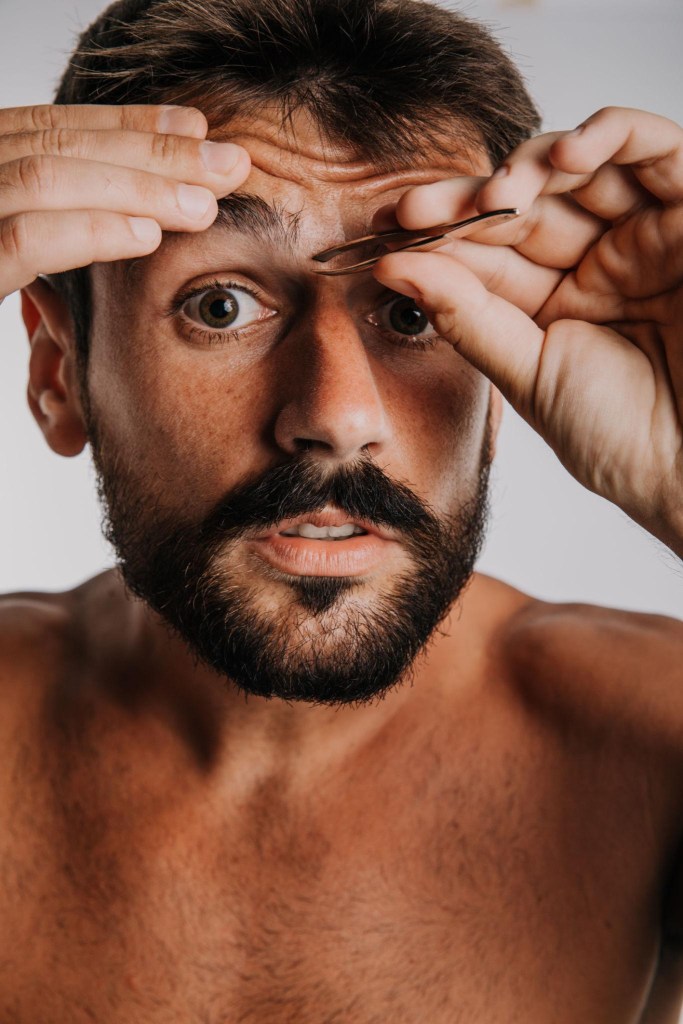
Men struggle with brows .
What’s perhaps less talked about is how many men are now quietly crossing the threshold into what were once considered female-only beauty spaces. Over the last decade, men have made up around a third of beauty salon clientele — and in some areas, even more. The reasons vary. For some, it’s confidence. For others, it’s professionalism. And for many, it’s simply about holding the hands of time back just a little.
Grooming isn’t about vanity. It’s about maintenance. If your home starts to look tired, you redecorate. If the roof needs fixing, you repair it. No one judges that. Caring for your face, hair and skin should be viewed in exactly the same way.
The Silent Ageing Culprit: Eyebrows
One of the most overlooked areas when it comes to male ageing is the eyebrows. Men often obsess over hair loss on the head while completely ignoring what’s happening just above the eyes.
Here’s the truth: eyebrows age us. They thin, lose definition, grow unruly, curl unpredictably, and sometimes disappear in patches altogether. Even the thickest brows aren’t immune. Over time they can begin to resemble overgrown caterpillars — or worse, stray hairy bugs with a mind of their own.
Waxing, threading and tinting can help, of course, but they require constant upkeep and the results can be inconsistent. For many men, especially as we get older, it becomes a losing battle.
I should know.
Turning sixty-five, my own eyebrows had become a point of quiet frustration. One brow was noticeably thinner and weaker than the other. The “good” one, meanwhile, had developed those wiry, curling hairs that refuse to lie flat no matter how much trimming you do. I found myself plucking constantly between salon visits — and yes, occasionally filling them in with a brow pen. Let’s be honest: if you’re doing that in secret, something isn’t working.
Asking for Advice (and Taking the Leap)
So I did what I always advise others to do — I asked a professional. My dear friend and beauty PR powerhouse Abby Knight listened patiently and then made a suggestion that, I’ll admit, made me pause.
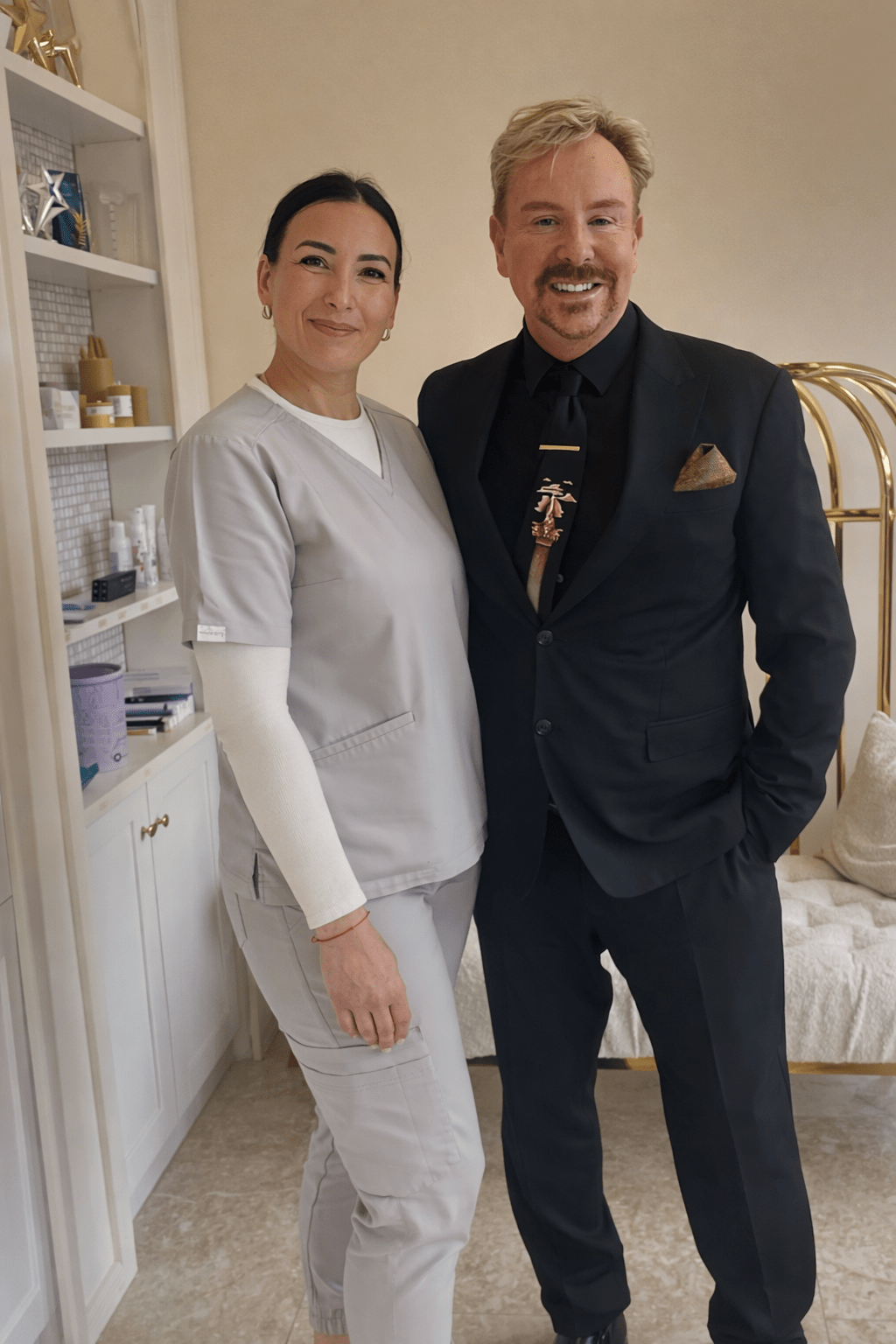
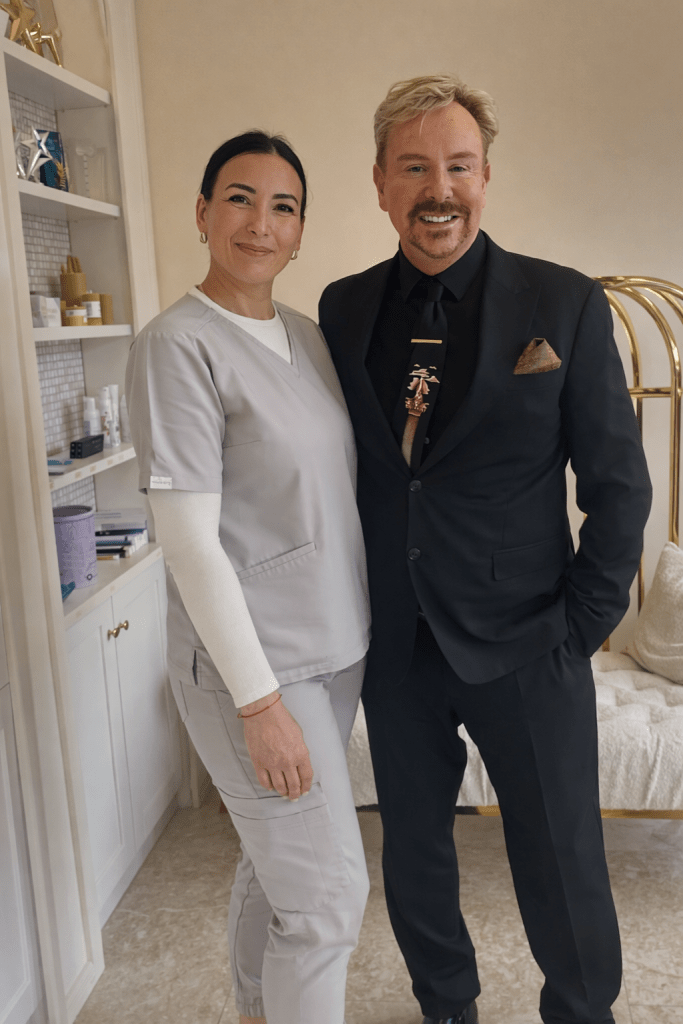
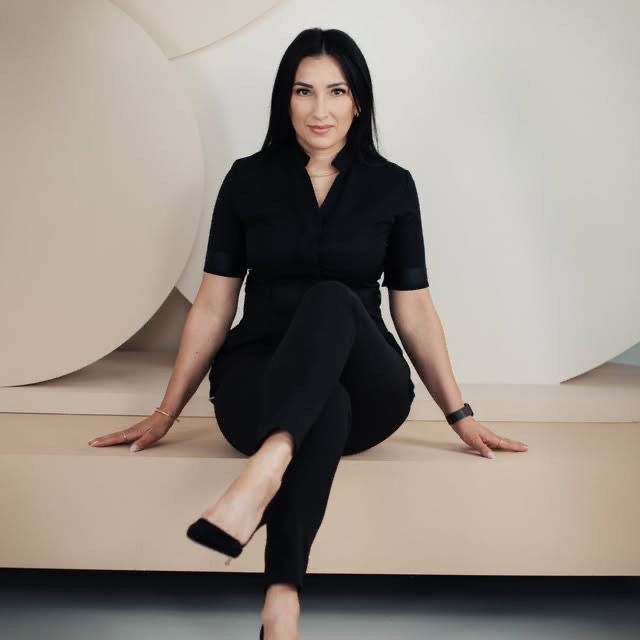
She recommended a visit to Everlasting Salon, to see eyebrow specialist and known in the business as “ The beauty enhancer” Sylwia Kucharska.
SylwiaKucharska beauty expert
Now, gentlemen, if the idea of walking into a salon like this makes you nervous, let me put you at ease immediately. From the moment I arrived, I felt welcome, respected and completely safe. The team are highly trained, discreet and genuinely sensitive to men who may feel a little out of their comfort zone. There’s no judgement — just professionalism.
Sylwia herself was an absolute joy. Warm, reassuring, and empathetic by the bucket load, she listened carefully as I explained my eyebrow woes. Within minutes, she made me feel less like a client and more like an old friend.
Her recommendation? Microblading.
Microblading: Not What You Think
At the mention of microblading, I’ll be honest — alarm bells rang. Images flashed through my mind of overly dark, overly sharp brows I’d seen on some men, better suited to drag performance than everyday life. No offence intended — just not my look.
Sylwia laughed. “Not at all,” she said. “This is completely different.”
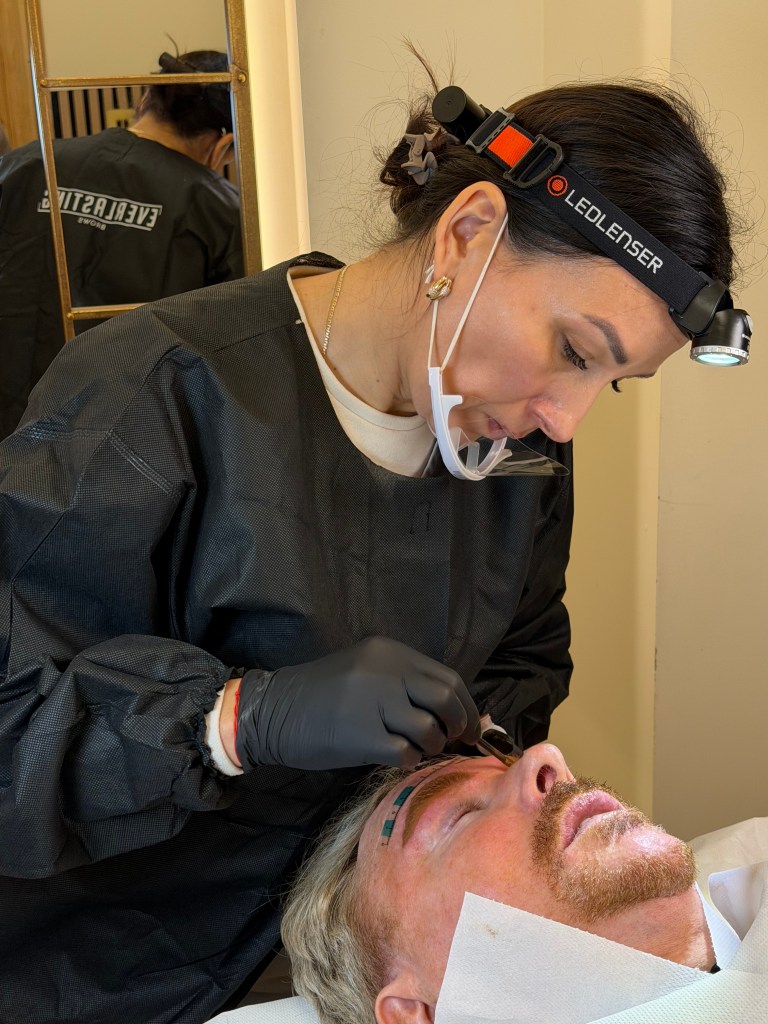
She explained that microblading is a semi-permanent eyebrow treatment designed to create the illusion of fuller, natural brows using ultra-fine, hair-like strokes. The pigment is deposited just beneath the surface of the skin with a handheld tool made up of tiny needles, mimicking real hair growth rather than solid blocks of colour.
Masculine. Subtle. Natural.
Beautiful Everlasting Salon .
My first appointment was simply a consultation and patch test to ensure I wasn’t allergic to the pigment — something I strongly advise everyone to do. No pressure, no hard sell.
The Treatment Experience
A few weeks later, I returned — this time genuinely excited. What struck me most was that Sylwia seemed just as invested in the result as I was. She asked if I was nervous, but with such calm, caring hands, it was impossible to be.
Taking the leap in the very capable hands of SylwiaKucharska
Before the treatment begins, the brows are carefully mapped and shaped to suit the face. I’ll admit, this moment nearly gave me cold feet. The outline looked strong — too strong, I worried. But I was reassured that this was just a guide, not the finished look.
A numbing cream was applied to minimise discomfort, and the full process — including consultation and shaping — took around two hours. The sensation? Mild at worst. At no point was I uncomfortable, and the care taken throughout was exceptional.
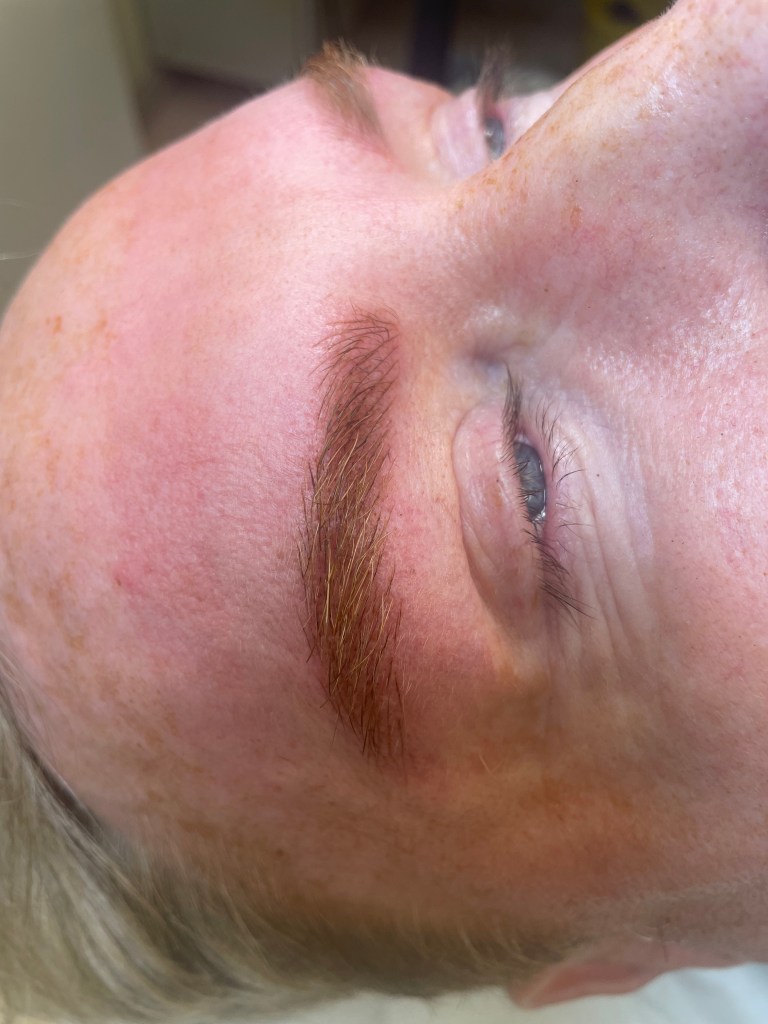
Natural looking brows at Everlasting Salon
When I first looked in the mirror, I liked them immediately — though I did worry the colour appeared a little warm. Sylwia calmly explained that this is normal and would soften as the skin healed. She was right. Over the following days, the tone settled beautifully into my natural colouring.
The Results — and the Reality
Despite having written about almost every treatment under the sun, I still had a wobble later that day. Was it too much? Had I overdone it?
But as the days passed, the brows softened, healed and blended seamlessly. The result? Brows that look youthful, thicker, and — most importantly — entirely believable.
Sylwia provided clear aftercare advice. Avoiding the gym for a week was a shock (I won’t lie), but everything else was common sense and easy to follow.
I’ll return in four weeks for a check and possible top-up, but already I’m thrilled. My eyebrows no longer betray my age. They frame my face properly again, without shouting for attention.
Final Thoughts
If you’re a man who’s noticed thinning, uneven or ageing brows and quietly wondered if there’s a solution — there is. And it doesn’t have to look obvious, artificial or un-masculine.
Looking after yourself isn’t vanity. It’s self-respect.
And sometimes, the smallest changes make the biggest difference.
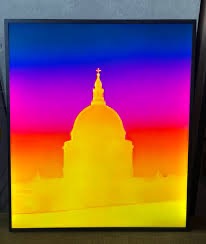
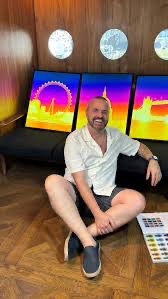
If you’re looking for art that truly stands out—something with edge, intellect and a distinct Italian flavour—then Italian-born artist Ernesto Romano is a name worth seeking out.
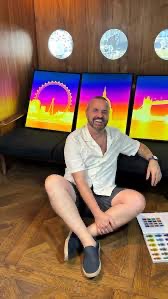
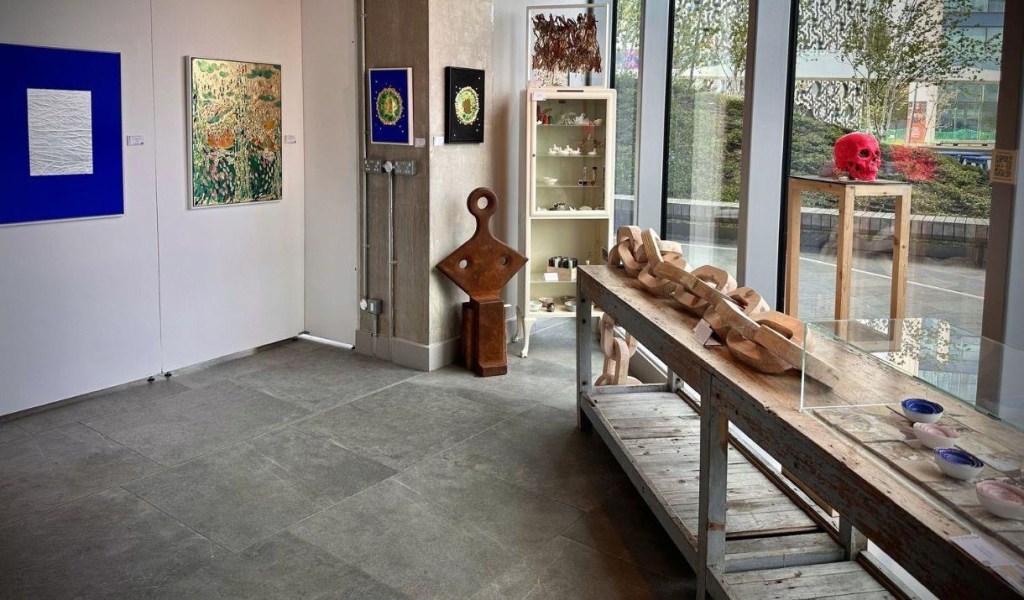
Romano lives and works in London, where his practice reaches far beyond the surface of the body and into its very core. Based at the remarkable FirePit Gallery, just moments from The O2, he creates work that is as visually seductive as it is intellectually provocative. This is the kind of art that stops people in their tracks—the portrait no one else has, and the talking point everyone wants.
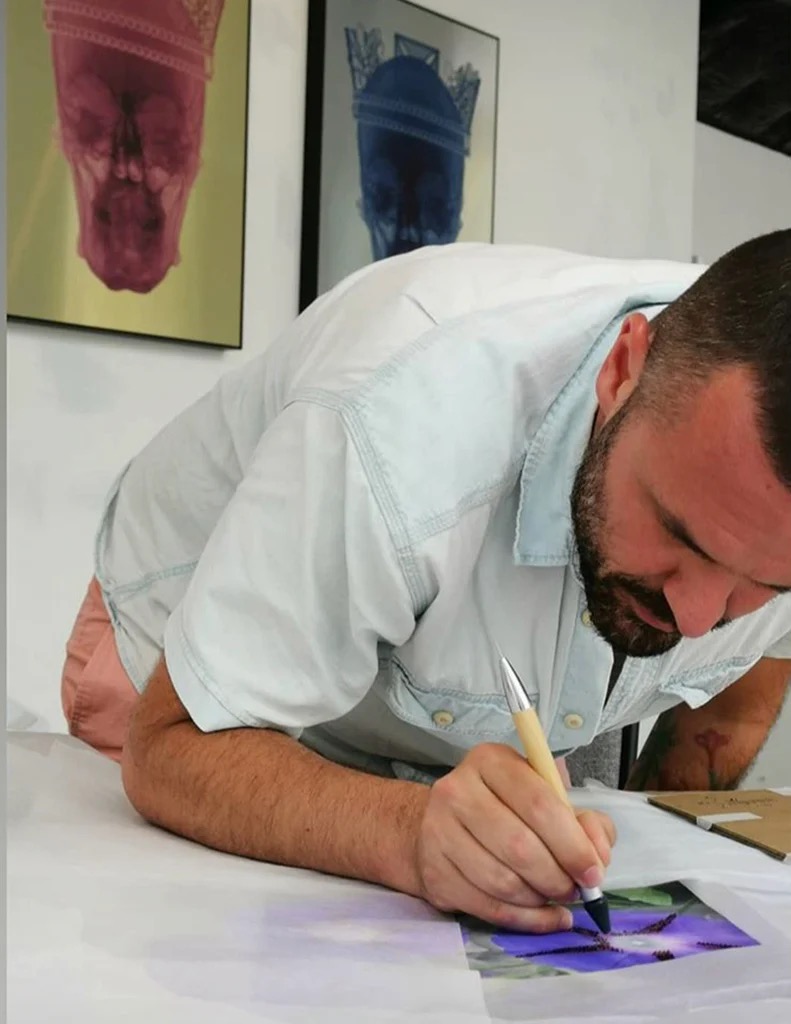
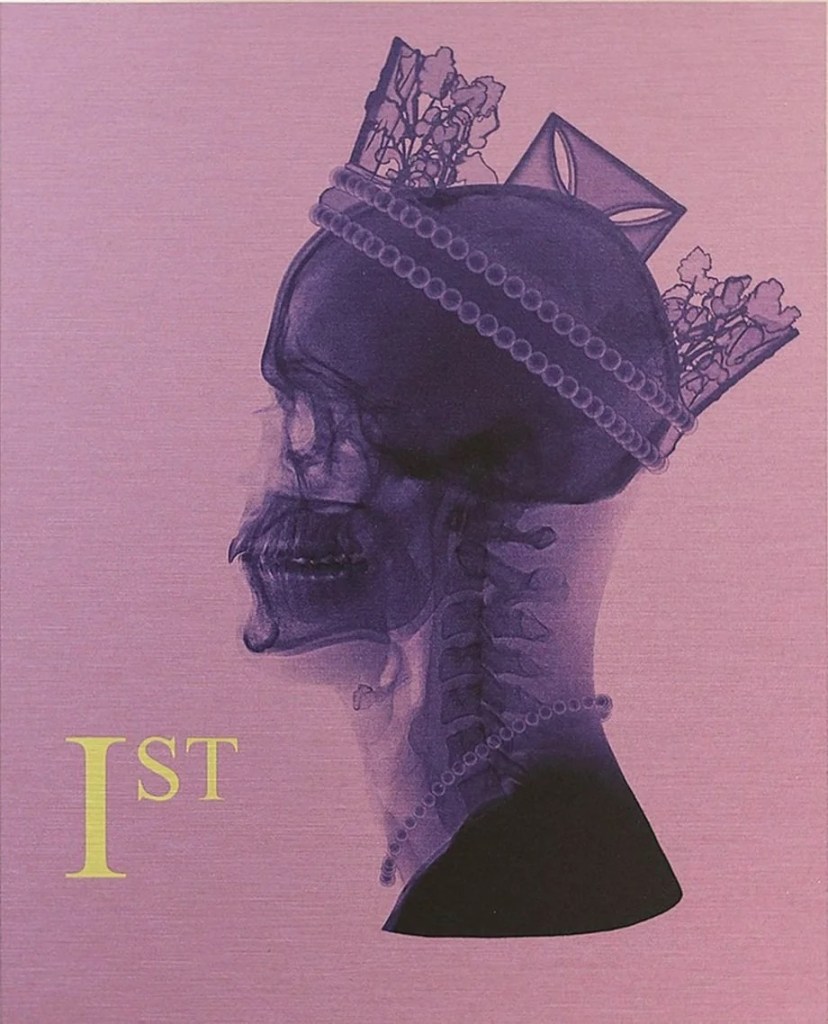
At the heart of Romano’s work is an extraordinary and deeply personal source material: his own medical records. X-rays, MRIs and internal scans of his body are transformed into striking, often playful artworks that quietly ask some of life’s biggest questions. “I am progressively dissecting myself,” he says with a smile. By stripping the body of its external markers—fashion, status, wealth and adornment—Romano reveals a powerful truth: beneath it all, we are equal. Bones, organs and neural structures carry no hierarchy. Jewels mean nothing here.
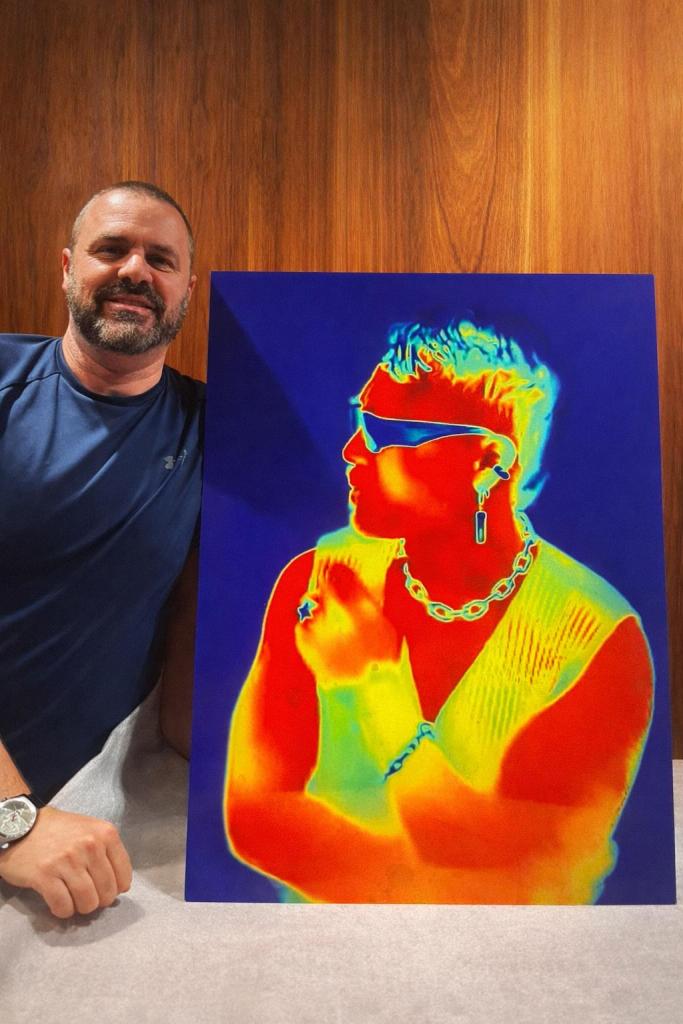
And yet, paradoxically, jewels and decoration frequently appear in his work. Glitter, gold leaf and even diamond dust sit alongside stark medical imagery, creating a fascinating tension between what lies beneath the skin and the sparkle we use to present ourselves to the world. Bold colour is central to his practice, an influence he traces back to Pop Art, and for Romano, colour is inseparable from life itself. It is a celebration of being alive, of being human. You can easily imagine his work echoing the iconic glamour of Andy Warhol’s portraits of Marilyn, and being sought after by collectors and celebrities alike.
Research plays a vital role in his creative process. Romano spends countless hours studying historical anatomical drawings, medical imagery and scientific material. He is also deeply inspired by documentaries about the Universe. Reflecting on humanity’s origins and our place within something so vast can feel overwhelming, he admits, but it is precisely that sense of scale that fuels his creativity. Big questions, after all, lead to bold ideas.
At the core of his practice is an ongoing, almost forensic exploration of his own body. Each project focuses on a different internal element, analysed, reimagined and transformed. His most recent work centres on the brain: a three-dimensional print created from an MRI scan converted into a digital 3D file. Next, he hopes, will be the heart—both literally and conceptually.
Romano cites Damien Hirst as a key influence, particularly in terms of colour, though he is careful to stress that his admiration is selective. If he could own any artwork, Guido Reni’s Ecce Homo would be high on the list, while in the contemporary world he is drawn to the visceral, energetic paintings of Riccardo Cinalli, which he describes as full of carnality and pathos.
Originally trained as an architect, Romano brings a strong sense of proportion, balance and material awareness to his art. Architecture taught him the emotional power of simplicity, the relationship between order and chaos, and the importance of restraint. “Less is more,” he says, echoing Mies van der Rohe—a philosophy that underpins even his most glittering works.
Away from the studio, his passions are quieter but no less revealing. If he weren’t an artist, he would be a botanist. He grows flowers from seed and finds the process meditative—a gentle counterpoint to the intensity of his conceptual work. Electronic music provides the soundtrack to his studio hours, while Stephen Hawking’s The Universe in a Nutshellremains his favourite book, a fitting choice for an artist fascinated by existence, origin and meaning.
Looking ahead, Romano dreams of showing his work in unconventional settings. A techno club such as Berghain, housed in a former power station, feels like a natural fit—raw, industrial and immersive. He imagines his pieces on a monumental scale, backlit like giant lightboxes, vibrating with sound and energy. He has already made an international impact, having spent three months working in Shanghai, and his ambitions continue to expand globally.
Ask him where he sees himself in ten years and the answer is simple and quietly confident: at home, making exciting new work for another exhibition somewhere in the world, tea in hand, surrounded by plants. Always moving forward. Always creating.
It’s All Hanky Panky as the London Fetish Film Festival Returns
It is all hanky-panky as the London Fetish Film Festival returns for its seventh year, once again lifting the curtain on a world that many people are curious about, some quietly participate in, and others still regard as taboo. Fetish, after all, has always occupied that fascinating space between the private and the performative, the misunderstood and the mythologised.
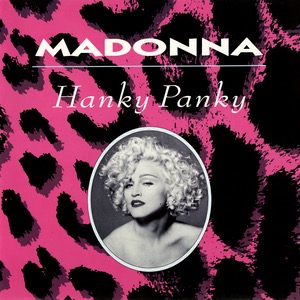
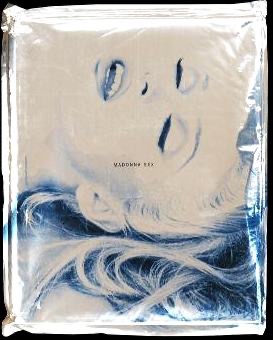
Long before hashtags and streaming platforms, Madonna helped drag fetish culture into the mainstream. In the 1990s she didn’t just flirt with provocation; she weaponised it. Her song Hanky Panky cheekily suggested there was nothing quite like a good spanking, while her 1992 book Sex boldly invited readers to explore fantasies ranging from bondage and domination to submission and exhibitionism. What had once been whispered about behind closed doors was suddenly glossy, photographed, and unapologetically public. Madonna didn’t just shock — she reframed desire as something to be examined rather than hidden, daring readers to “make love in Paris” or “let her be your mistress”.
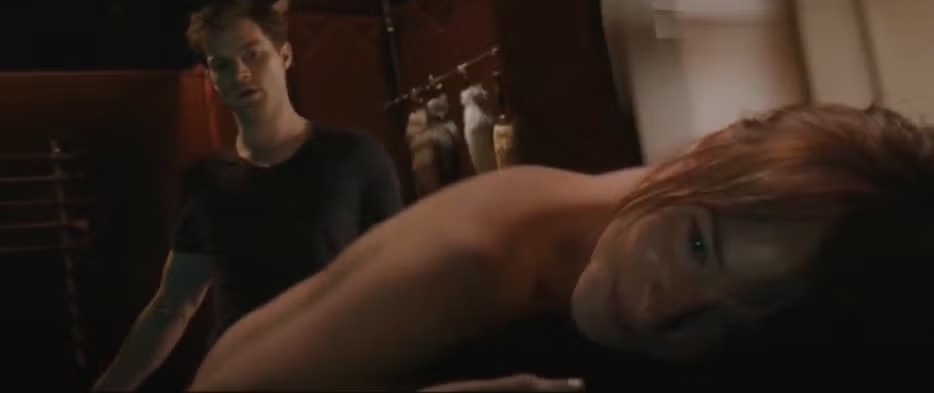
Then came Fifty Shades of Grey, which flew off bookshop shelves and dominated bestseller lists. Its story of a young woman entering a sexually dominant relationship with a billionaire reignited debates about power, consent, and feminism. Critics argued it set women’s liberation back decades, yet the reality was more nuanced. I couldn’t help noticing how many women were reading it openly — on trains, on planes, in cafés — suggesting that whatever the book’s flaws, it tapped into something real and widespread.
50 shades spanking .
It’s often said that one in three of us has a submissive side. But I’ve always wondered: if the dominant figure in Fifty Shades lived in a council flat rather than a penthouse, would the story have been as romanticised? Or would he have been slapped, arrested, or both? Wealth and aesthetics, it seems, can dramatically change how power dynamics are perceived.
Of course, fetish itself is nothing new. Evidence of flagellation, bondage, and erotic imagery can be traced back to cave drawings, ancient Egypt, and the Roman Empire, who were particularly enthusiastic when it came to indulgence. Some argue certain fetishes may stem from childhood trauma, but that’s a conversation for another article entirely.
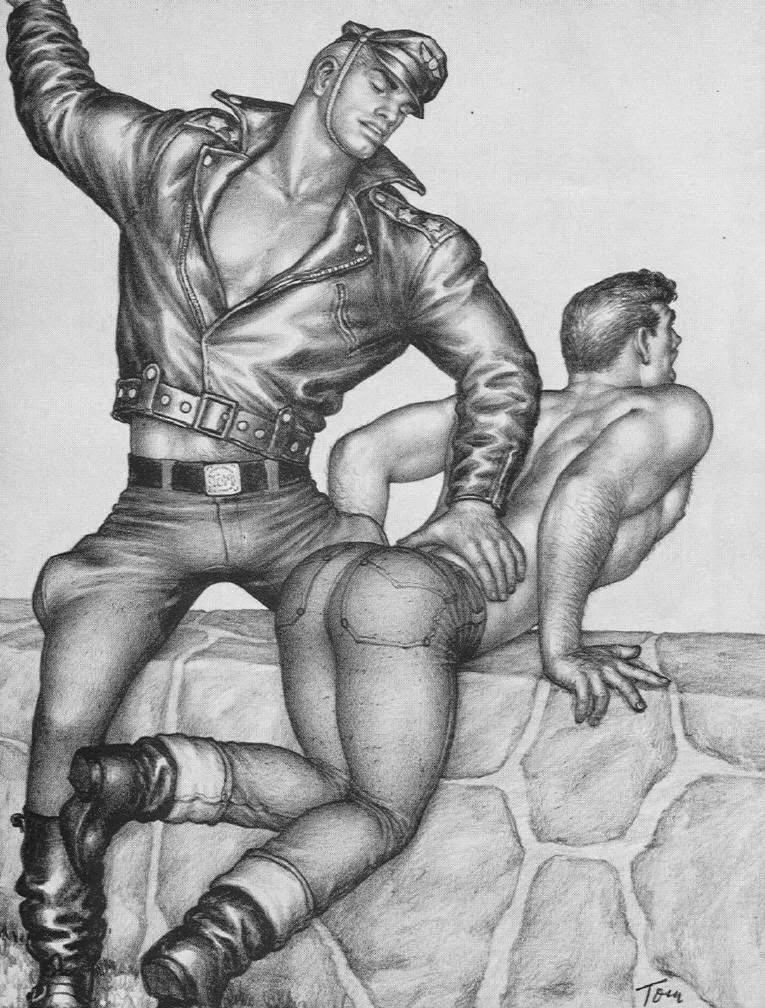
Like many people coming of age in the 1990s, I wore the leather trousers and biker jacket, blissfully unaware that I was echoing a long-standing visual language of rebellion and desire well thats what I tell people . Clubs embraced biker and fetish aesthetics, encouraging people to explore what was often described as their “forbidden side”. London saw nights like Torture Garden spring up at venues such as the Hoist, while across the Atlantic the New York gay scene was already miles ahead. The Eagle, with its hyper-masculine leather culture in the 70s and 80s, set a template that still influences fetish spaces today.
I once thought of myself as very liberal and worldly — until Florida taught me otherwise. In a celebrity-frequented club with a strong fetish theme, people dressed as if they’d stepped straight out of Madonna’s Sex era or a George Michael video, playing with master-and-slave imagery. Much of it felt like cosplay: people loved the look but many would run a mile if a leather daddy’s belt actually landed near them. They admired the surface without really understanding the psychology beneath it.
Tom Of Finland fantasy .
Over the years, many dominatrices have told me the same thing: a large number of their clients are men who hold immense power in everyday life — heads of companies, senior military figures, decision-makers used to absolute control. For an hour or two, giving that control away can be a profound relief. When discussed openly and practised safely, role-play can even strengthen relationships. Yet for a small section of society, this isn’t theatre at all — it’s identity.
One moment in particular floored me. A man at a club stared at me so intensely it became unsettling. My friend eventually asked him what he wanted. He vanished — or so we thought. Five minutes later, I felt something brush my ankles. Looking down, I discovered a man in a full black cat suit. My friend laughed and said, “It would happen to you.” I was told to at least stroke the poor thing. It was, quite literally, the last time I went for a pussy.
Just when you think you’ve seen it all.
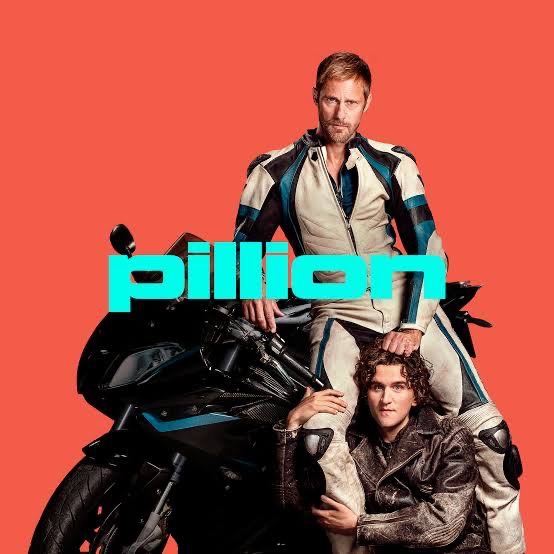
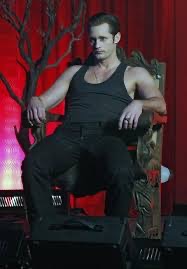
Which brings me to cinema. While the Fifty Shades films were largely dismal, I was curious about what a gay equivalent might look like. After all, who didn’t fall for Alexander Skarsgård in True Blood? As a vampire who commanded worship and dismissal in equal measure, he embodied dominance with chilling ease.
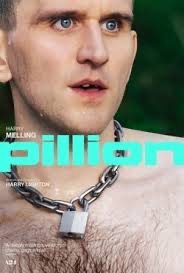
The film Pillion, despite rave reviews, sadly fails on many levels to explain the dom-sub relationship. While I admire the decision to use real fetishists, it never quite lands emotionally. Ironically, it does highlight one truth often misunderstood: the submissive is frequently the one truly in control, setting boundaries and rules. Beyond that, the sex scenes are oddly cold, and I found myself more worried about the dogs tied up and left alone than anything else.
There is a brilliant dom-sub film waiting to be made. Pillion isn’t it — not an amazing love story, not a revelatory exploration — but watching Alexander Skarsgård is reason enough to give it a look. That, of course, is just my opinion. Many people are raving about it.
The film is screening as part of the London Fetish Film Festival, and I’d urge you not to take my word alone. Dive in, make up your own mind, and perhaps discover that fetish, like all good cinema, tells us as much about ourselves as it does about what’s happening on screen.
HOWL is a sexual wellness brand revolutionising intimacy through innovative sex tech
products. They leverage the power of experiential events and a viral media channel to
dismantle shame and champion pleasure.
LFFF: Shorts Session 1
Saturday 21st February
4pm
93.47min run time
Featuring 8 short films
Tickets £12
Join us for a dripping new curation of ‘Fun Fetish’ and 2024 LFFF award winning short films!
Indulgent Delights
8mins 11secsAn electrifying front row seat as burlesque performer Leila Delicious adorns her body with
glitter.
Lee in Leatherland
6mins
The speaker, a queer man searching for the hypermasculine fantasy figures drawn by Tom
of Finland, journeys from Helsinki to London in pursuit of desire made flesh. In Vauxhall’s
clubs and darkrooms, he encounters the sweaty, neon-lit world of gay nightlife – full of
longing, bravado, and disappointment.
Darwin Fantasia
10mins 56secs
Canela immerses herself in Darwin’s studies on the plant world, focusing particularly on The
Fertilisation of Orchids. As she explores the meticulous accounts of interactions between
plants and insects, she discovers something that goes beyond mere survival: a web of
curiosity, play, and pleasure that also seems to captivate the naturalist himself.
2024 Award Winners: Best Short + Best Screenplay
A Pacific Touch
37mins 43secs
This is a story about love. Isolation, and an unusual obsession. Alexei , a young man,
becomes consumed by his passion for his new wallpaper, slowly withdrawing from the world
outside. As he drifts deeper into his fixation, Texture Pasifique explores the limits of love and
obsession, revealing the complexities of intimacy with both people and objects.
Jacked Out
7mins 53secs
What is a virtual pet in an era of mass surveillance? Jack out of the Y2KAGE in this erotic
hauntology film probing the persistent feedback loops of future’s past in our present, forces
of technological dominance, and virtual pets unleashed!
2024 Award Winners: Best Animation
Klimax
2min 47secs
Klimax explores the topic of female masturbation in order to redefine the already negatively
connoted image of the female sex and thus strives to create new aesthetic associations of
femininity. Our main protagonist, Barbie, undergoes a process of transformation.
My Perfect Dolly
17mins
A pretty pink dollification scene with two non-binary plus size femmes, followed by a
conversation.
Lupae x Hardwerk4mins 37secs
LFFF: Shorts Session 2
Saturday 21st February
6:30pm
Full run time with interval 149.24mins
Featuring 20 short films
Tickets £15
Join us for a dripping new curation of Kink Art, Fetish Horror and 2024 LFFF award winning
short films!
The Nest
7mins
It’s the first night he’s bringing someone home. They must be quiet.
2024 Award Winners: Best Edit
What if I Told You to
4mins 21secs
Official music video
2024 Award Winners: Best Comedy
Squeegee
10mins 54secs
A high-powered businesswoman meets a high-rise window-washer for an erotic rendezvous
on opposite sides of her skyscraper window.
Fetish
21mins
Oddball Clark meets the girl of his dreams, but the relationship is threatened by his foot
fetish.
2024 Award Winners: Best Production Design
The Debutante
14mins 35secs
When a young woman agrees to satisfy a peculiar request in exchange for a luxurious pair of
shoes, what begins as a simple act of submission soon spirals out of, and then into, control –
reshaping her identity and his shoe collection.
Guro
7minsIn the harsh Arctic landscape of Longyearbyen, Guro meets a mysterious client for a
straightforward transaction. However, as they travel together along the isolated, icy roads,
the client makes an unusual request that tests Guro in unexpected ways.
Virgin X – Billionaires
2mins 18secs
Official music video
20 MINS INTERVAL
Operotica: Stabat Mater
4mins 22secs
A music video for Operotica’s re-orchestration of the first movement of Pergolesi’s Stabat
Mater, featuring Operotica as latex-clad nuns, rigged together with shibari by Dominatrix
Veronica Viper. The awkwardness of their positioning reflects the close suspensions in the
music
Virgin X – Splinters
3mins 25secs
Official music video
Bath Bomb
9mins 55secs
A possessive doctor prepares an ostensibly romantic bath for his narcissistic boyfriend, but
after an accusation of infidelity, things take a deeply disturbing turn.
2024 Award Winners: Best Sound Design
Mutations of Desire
5mins 27secs
A queer tribute to the Cronenberg film, Deadringers. Sade and Odette create a disorienting
world of latex, strange medical instruments, and hallucination.
Woman ASMR
4mins 25secs
A woman and her microphone provide an erotic autonomous sensory meridian response.
Virgin X – Shame
3mins 48secs
Official music video
2024 Award Winners: Yes it’s F*cking Political
Dori Dori
3mins 39secs
In a world that tries to suppress who you are, Sara ATH shows
us that the soul can’t be caged and takes a stand against the shame and silencing of her
fellow queers. Rapping in Arabic, it’s her turn on the mic to sing out loud who she is and howproud she is – a rebellious act that may bar her from ever returning to her home country.
Symbolising the internal battles of accepting your sexuality and grappling with self-identity,
the music video explores the liberation and eventual acceptance of queer existence and how
‘orgasmic’ this enlightenment feels.
Vanessa
5mins
Making love to an inanimate body; the mannequin Vanessa.
2024 Award Winners: Best Costume + Best Music Video
Virgin X – Fuck Myself
3mins 23secs
Official music video
Hyperion
1min 44secs
Hyperion is a high order penitentiary complex. Walls rewrite identity, silence reshapes desire,
and every exit demands transformation. No one leaves Hyperion, at least not without
fundamentally changing themselves.
Blood – Humanification
1min
An intriguing creature seems to have fallen from the sky, confused and unmoored. It will
witness how its passage through Earth shapes its body and its identity, and how, slowly, we
all end in the same cage when we betray ourselves. Even the most rare and bizarre can be
shaped to humanity. No one escapes.
2024 Award Winners: Best Kink Moment (Human Chopping Board)
Thing
10mins 50secs
The everyday life of a mistress and her furniture slave. When he suddenly disappears, they
find themselves in an identity crisis.
Moan
8mins 38secs
Framed against a blood red haze of stark crimson backdrops, the conclusive short film
MOAN presents a visually penetrating feast. The ultimate climactic crescendo sees
unsuspecting strangers thrust into the throws of breath-slick tension, curdling curiosity
ultimately ending in a hypnotic descent of all-consuming indulgent, auditory stimulation.
Throbbing suspense, washed out groans and the illicit breathy moans staining the lips of
those who dare pick up the phone. The voice, wet, sticky and intoxicatingly close.LFFF: Documentaries
Sunday 22nd February
2:30pm
83.33mins runtime
Tickets £10
Sex in Colour: Kinky and Loving It
48mins 33secs
KINKY AND LOVING IT is an empowering documentary highlighting the transformative
potential of reclamation. Celebrating how Black folks reclaim agency over their desires,
bodies, and identities, KINKY AND LOVING IT is a liberating journey into the transformative
power of radical acceptance, reclamation, and love within Black kink.
Mr. Bound & Gagged
35mins
“Bob Wingate and Lee Clauss, former publishers of the legendary Bound & Gagged
magazine, open the archive and the floodgates in this richly layered excavation of queer
kink, media history, and erotic resistance. Set against the backdrop of the Leather Archives
& Museum in Chicago, this candid portrait splices salacious nostalgia with radical politics,
tracing decades of defiant desire, artistic transgression, and unapologetic love. A necessary
tribute to two aging icons of the underground.
” (CUFF32)
LFFF: Inside Fetish
Sunday 22nd February
4:30pm
92.43mins runtime
Tickets £12
On The Erotics Of Stuffing Large Objects Into Small Spaces
15mins
Aexperimental film about the submissive desire for restrictive bondage. The subject – a single figure
locked in a dog crate, hooded and caged – shares his internal monologue: “This cage will never be
comfortable, though I find it deeply comforting.
Ripples: Libra
5mins 36secs
A Shibari short from Director Guillaume Pin
Oasis6mins 34secs
Shot with super8 camera in the desert of Joshua Tree , this film is about a Gay Asian Cowboy
reconnecting with a version of his younger self via ropes.
Breakfast Time
17mins 58secs
A raw, intimate documentary about a queer pup eating breakfast from his dog bowl. As he eats, a
candid voiceover unfolds – reflections on the nature of desire and disgust, failed relationships,
encounters with gay-bashing, and the feeling of isolation that comes along with stigmatized desire.
Sanguine
4mins 54secs
A love letter to blood accompanied by seraphic, breathy music. Beau Flex (they/them) meditates on
the strength of flesh in this ritualistic solo scene. Engaging in self piercing play, Beau focuses on
coaxing blood out of their thigh, producing round ruby droplets. As they smear the blood upon their
skin, they smile at the release in their art.
Babyblue
4mins 27scs
An exploration of tenderness and catharsis through needle play. Shot on Finn’s last day in New York
City, this performance symbolises goodbyes and a rite of passage to mark their way back home.
σάρξ [Sarx]
1min 59secs
A masochist mortification of the flesh. A perversion of prayer.
A.S.F.R. (alt.sex.fetish.robots.)
5mins
Vudhi K., a Thai ASFR practitioner, recounts the process of transformation and the moment his fetish
first took hold. A memory, a primal scene, a mercurial awakening. The drag of a brush against skin
blurs the boundary between subject and object, drone and human. Featuring performers Damian
Dragon and Botan Peony.
2024 Award Winners: Best Director
The Pleasure in Pain
18mins 28secs
An arthouse short documentary following key figures of the London kink scene on an exploration into
BDSM and the notorious fetish event Klub Verboten. The film touches upon themes of psychology,
trauma, LGBTQ+ rights and black representation.
2024 Award Winners: Best Documentary
Lasting Marks
14mins 47secs
The story of a group of men with shared sexual desires, lucky to have found each other yet
unfortunate to be considered criminal for expressing them.LFFF: A Body to Live In + Short Films
Sunday 22nd February
6:30pm
122.57mins runtime
Tickets £15
2024 Award Winners: Best Performer + Best Cinematography + Festival Director’s
Choice
Subspace
20mins 18secs
This love-story being dom and sub is a BDSM film that explores the intimacy and trust
between partners.
Starring Commander Ares and Roughkicks
Dir. Matt Lambert
2024 Award Winners: Best Art Direction
The Architect
4mins 39secs
Odette Engle performing a process of inverted architectural mapping on the suspended body
of Cute But Deadly.
A Body to Live In
1hr 38mins
A BODY TO LIVE IN is a feature film that traces the life and work of legendary photographer,
performer, and “Gender Flex” cultural icon, Fakir Musafar (1930-2018). Through
investigating the body modification movement and the trajectory of Fakir’s art career and
philosophy, A BODY TO LIVE IN uncovers a riveting facet of queer history. Using Fakir’s
early experiments in body play and his photographic works from the 1940s and 50s as a
springboard, the film traces the body modification movement as it emerged in LGBT
subculture in the early 1970s. The film introduces us to early collaborative experimentation
at gay underground BDSM parties, leading to the first piercing shop, moving through the
radical faerie movement and the role of body modification during the AIDS epidemic, the
emergence of body-based performance art, and the rise of an entire subculture. Insights
from key figures including Annie Sprinkle, Ron Athey, Idexa Stern, Cléo Dubois, Jim Ward,
Midori, and others provoke deeper reflections about art making, surviving AIDS, and the
controversial collaging of various spiritual and cultural practices to build a philosophy.
Captured in static 16mm film portraits, A BODY TO LIVE IN unfolds conversationally
between Fakir’s archive of 100+ hours of unseen footage, and the voices of the canonical
elders of this movement, to create intergenerational dialog, question cultural responsibility,
and provoke larger ideas about the drive to transcend the limits of the body.Please do mention our 2026 sponsors and collaborators:








 2Shades Magazine