
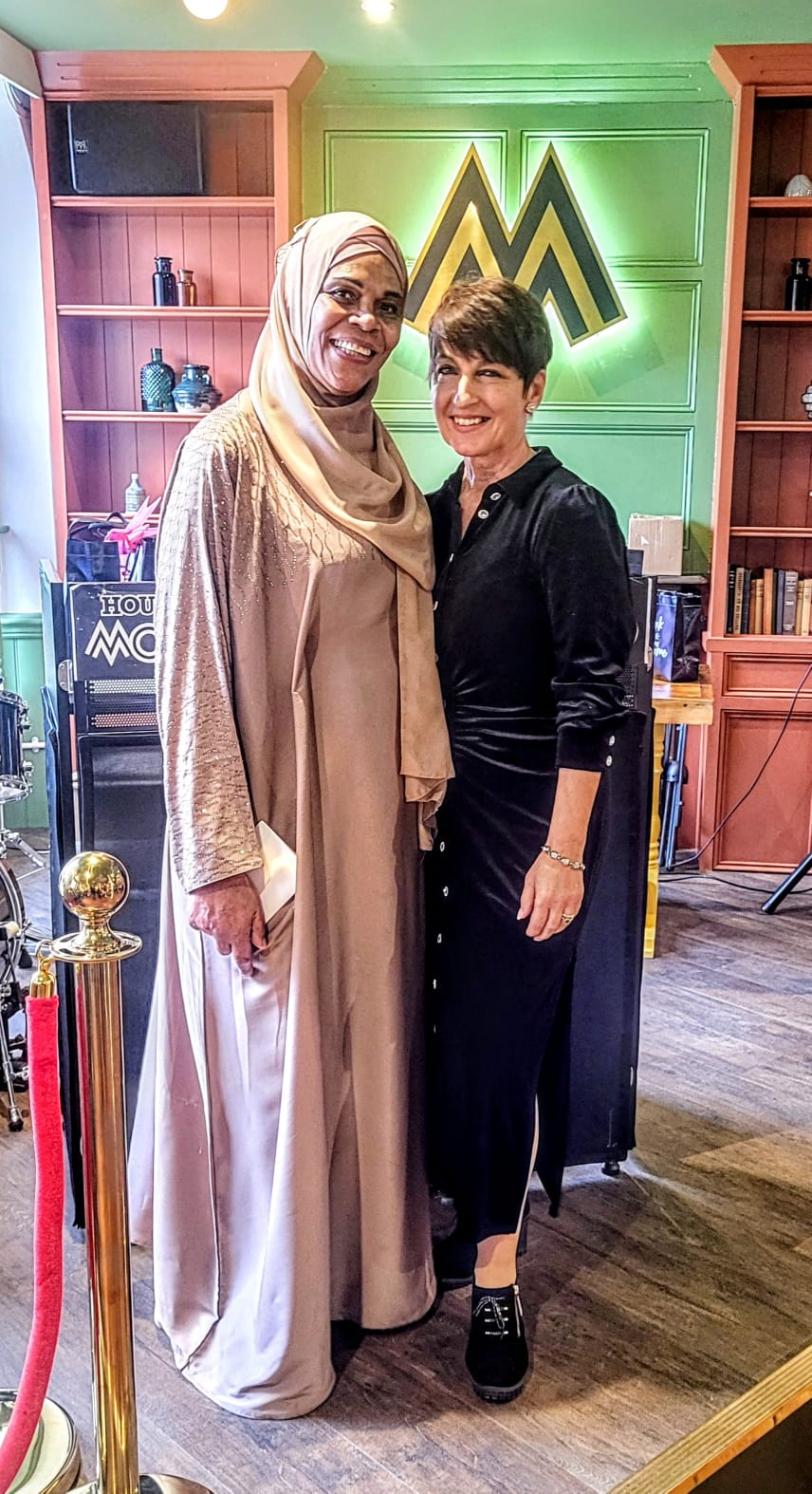
International Women’s Day: Dr Anna Kennedy OBE Celebrates at the Powerful Women Event
Steven Smith reports
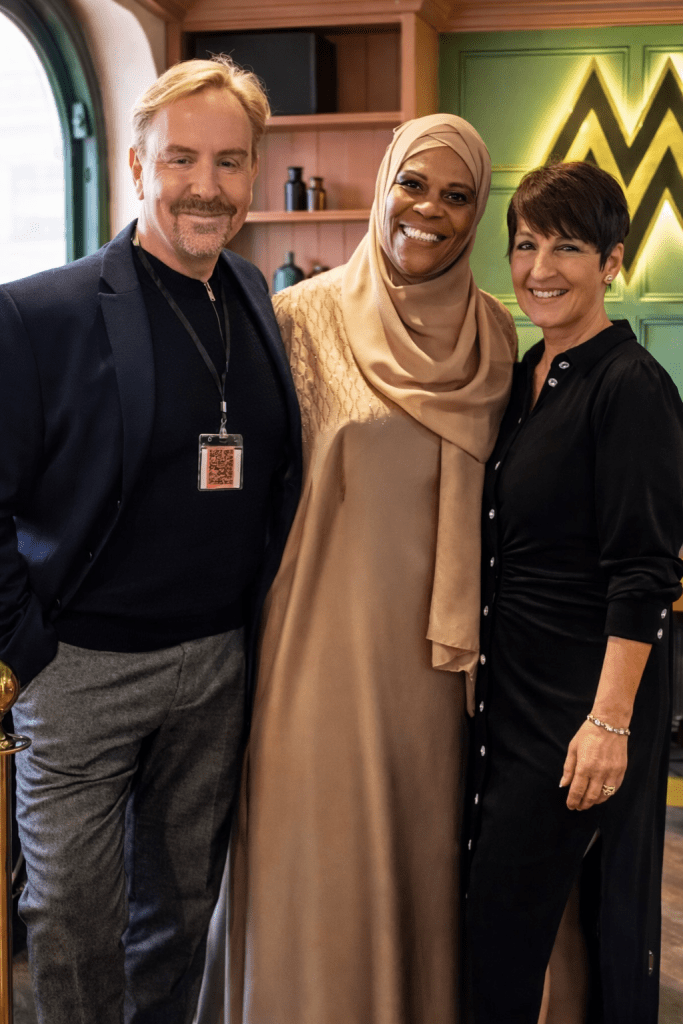
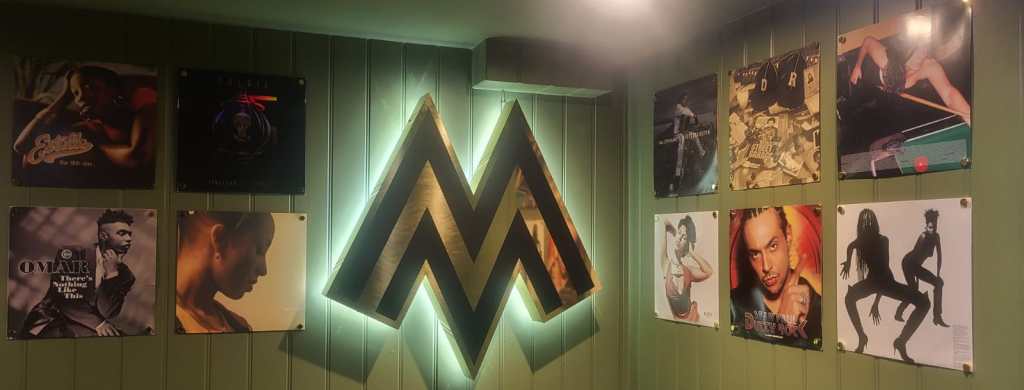
To mark International Women’s Day, leading autism campaigner Anna Kennedy OBE joined an inspiring line-up of speakers at the inaugural Powerful Women Event, hosted by Marie Hanson MBE and Rabi-Jaeier at the prestigious House of MOBO in London.
The event brought together community leaders, campaigners, artists, and changemakers to celebrate the achievements of women while highlighting the importance of solidarity and collaboration in tackling some of society’s most pressing challenges.
The gathering was organised by the STORM Family Centre, a charity founded by Marie Hanson MBE that supports individuals and families facing domestic abuse, poverty, youth crime, and other social issues. Based in Battersea, the organisation has built a strong reputation for helping vulnerable communities and empowering people to rebuild their lives.
The acronym S.T.O.R.M. stands for Support, Trust, Opportunity, Rebuilding, and Motivation—principles that sit at the heart of the charity’s mission. Through its work, the centre addresses a wide range of issues including domestic violence, sexual exploitation, long-term unemployment, and youth wellbeing. It also provides youth programmes and practical support to help individuals move forward with confidence.
The event itself proved hugely popular, selling out quickly and attracting an audience eager to celebrate women’s achievements while learning about the important work being done by charities and community leaders across London.
Opening the programme, Marie Hanson MBE welcomed guests and spoke passionately about the need for charities to work together, especially during challenging financial times. She emphasised that collaboration, rather than competition, would help organisations continue to support the communities that rely on them.
Her remarks were followed by a powerful short film produced by her son Elijah showcasing the work and impact of STORM Family Centre, highlighting stories of resilience, survival, and empowerment.
The event also featured a keynote address from Kanya King CBE, the pioneering music entrepreneur and founder of the MOBO Awards. King spoke about the importance of representation, resilience, and creating opportunities for future generations of women.
Guests were also treated to a heartfelt video message from international humanitarian and patron of the charity Sabrina Dhowre Elba. In her message, she praised the work of the organisation and encouraged women everywhere to continue supporting and uplifting one another.
Adding a civic voice to the proceedings, Jeremy Amache Mayor of Wandsworth addressed the audience and spoke about the importance of unity within communities. He highlighted how local organisations and charities play a vital role in supporting vulnerable residents and strengthening neighbourhoods.
Maitie, a trustee of the charity who also kindly donated the goody bags received by every guest, delivered a heartfelt speech about the importance of giving back. During her address, she also announced the launch of her own charity dedicated to supporting men living with domestic violence. Her words were deeply moving, and there was a palpable sense of warmth, admiration, and support for her throughout the room.
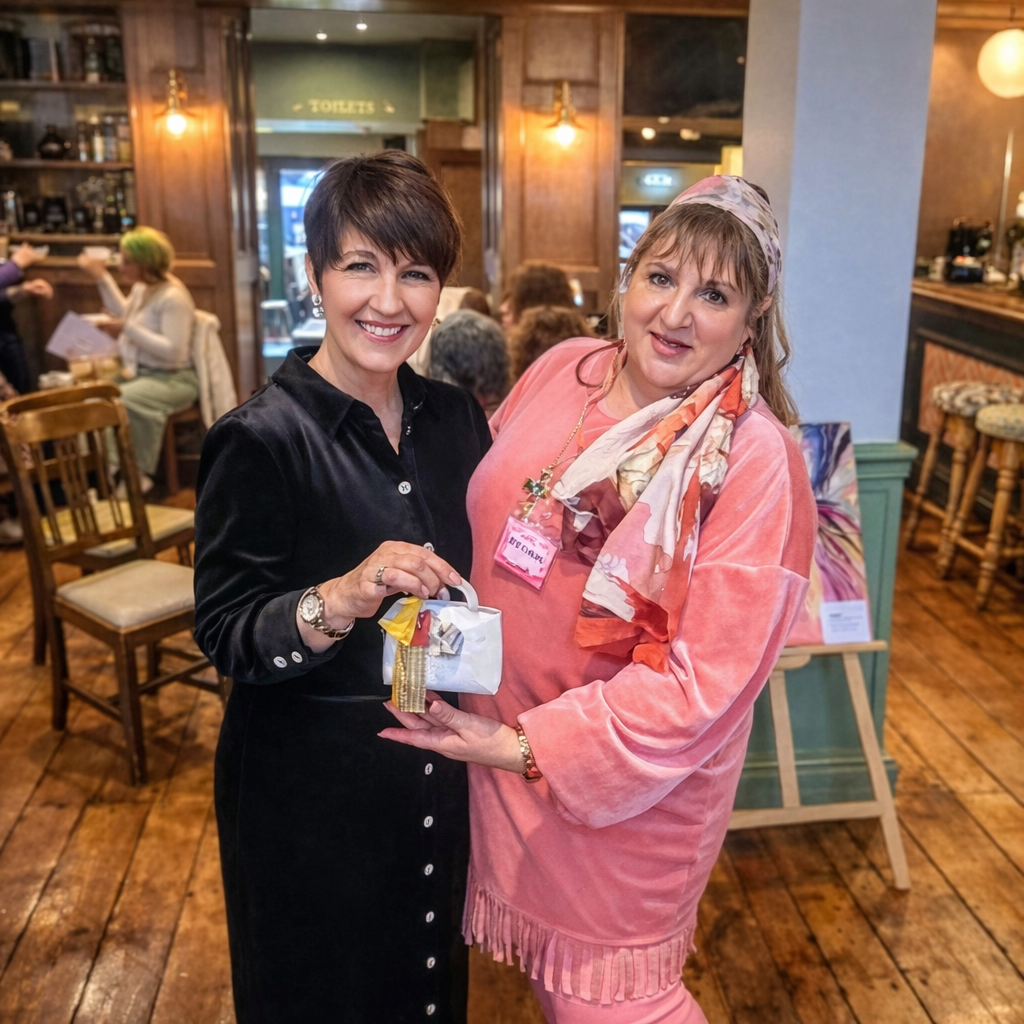
There was a beautiful poem read out by Marie Son Elijah who is studying photography at University
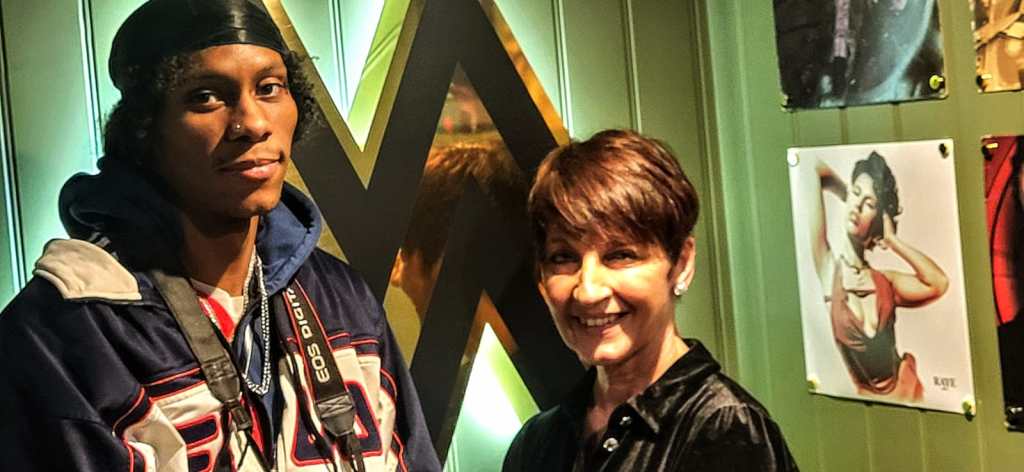
One of the standout moments of the afternoon came when Anna Kennedy OBE took to the stage. Known internationally for her tireless advocacy for autistic people and their families through her charity Anna Kennedy Online, Anna delivered an inspiring speech that deeply resonated with the audience.
Speaking about her journey and the work of her organisation, Anna highlighted the importance of recognising and supporting autistic individuals while also celebrating the incredible dedication of parents and carers.
She also spoke about one of the charity’s most popular initiatives, the annual talent showcase Autism’s Got Talent, which provides a national platform for autistic performers to share their abilities and creativity.
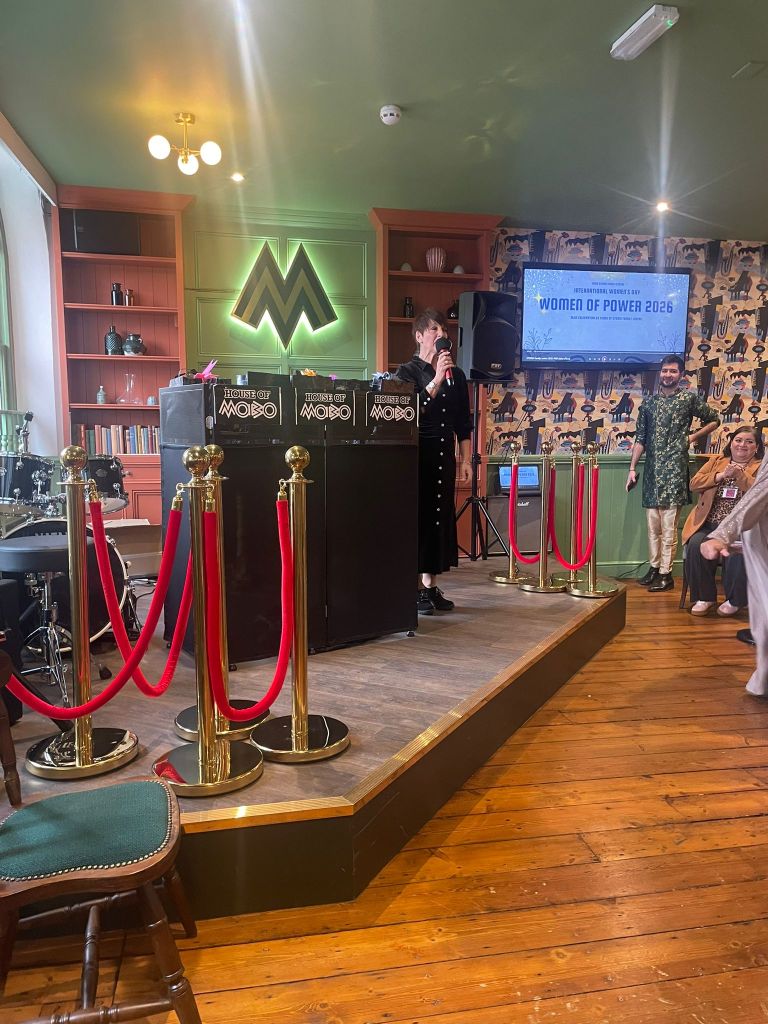
Anna said she was deeply moved by the whole event and by the calibre of the speakers who had taken part.
Her words were met with warm applause, and the audience was then treated to an example of the extraordinary talent within the autism community as the charity single “Baby Boy” was played, demonstrating the calibre of performers involved in Autism’s Got Talent.
Anna said:
“Tomorrow is International Women’s Day, and I want to recognise autistic women and the incredible mothers raising autistic children. Being part of this community has shown me the strength, patience, and resilience that so many women carry every single day.”
The room was reduced to tears when Sanctuary 4sisterhood founder Anella read a poem about her own battle with domestic violence beautifully crafted giving not just her own prospective but how affects those around her.
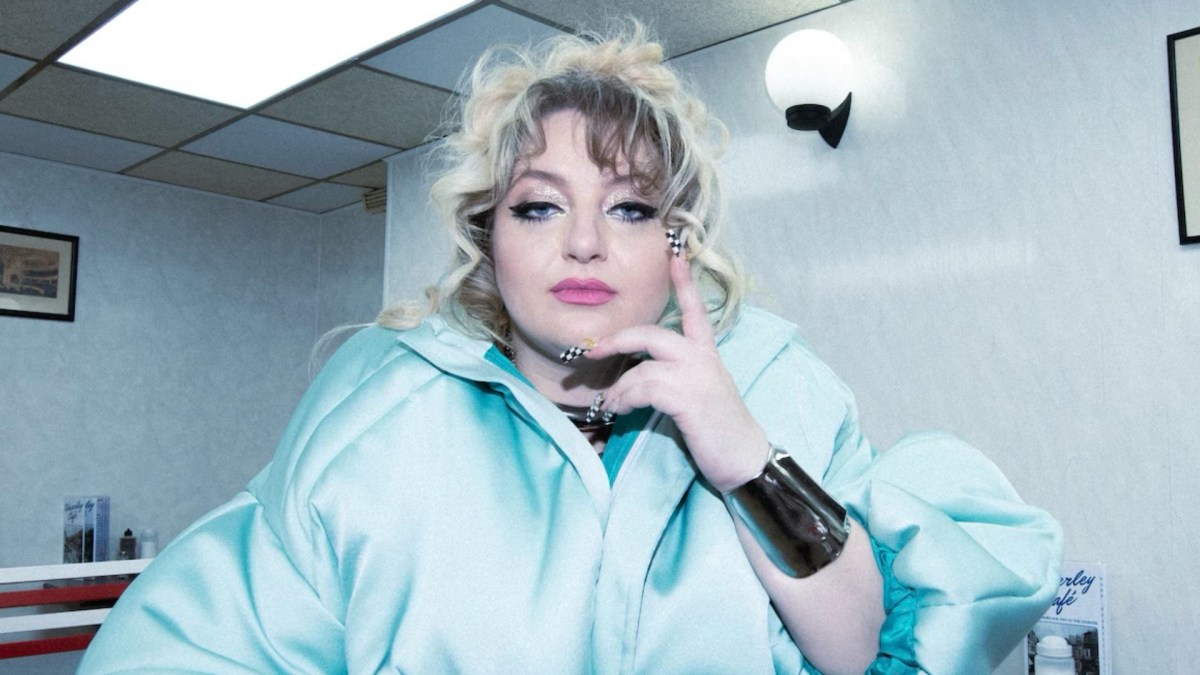
The celebration also featured a musical performance from best-selling singer Alysha Warren, who delighted the audience with several powerful songs. Raised in a musical Christian household and later signed by RCA, Warren’s impressive voice and uplifting performance added a vibrant energy to the event.
Although humanitarian speaker Lady Hagir Ahmed had been scheduled to appear, she was unfortunately unable to attend. Nevertheless, the programme continued to inspire those present with its powerful mix of speeches, music, and storytelling.
The Powerful Women Event proved to be a fitting tribute to International Women’s Day — a day dedicated to recognising the achievements of women across the world while encouraging continued progress towards equality, empowerment, and opportunity.
Above all, the event highlighted the importance of community, collaboration, and compassion. FromA grassroots charities to global advocates, the message was clear: when women support one another, extraordinary change is possible. A huge thank – you to the incredible friendly staff at the House of MOBO
Sources
https://stormfamilycentre.com/gallery/
https://houseofmobo.com
https://annakennedyonline.com/anna-kennedy-obe
https://www.instagram.com/sanctuary4sisterhoodcic/





 2Shades Magazine