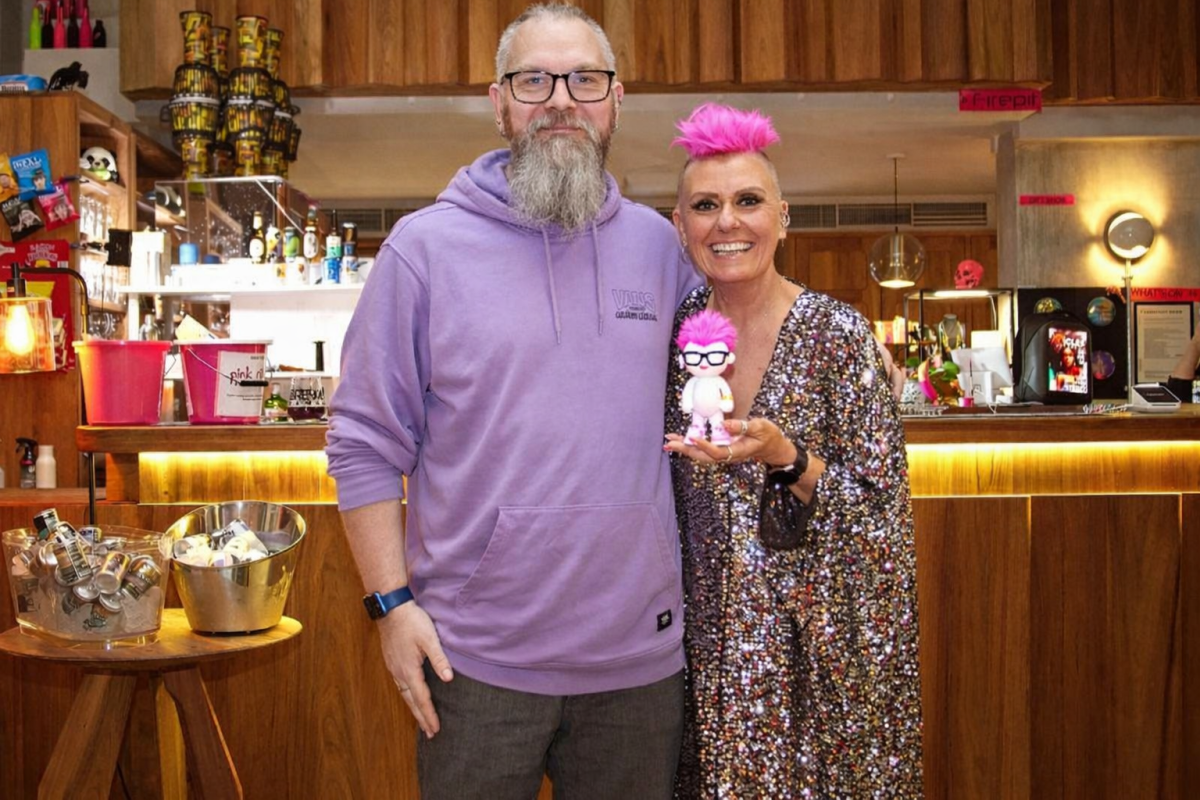
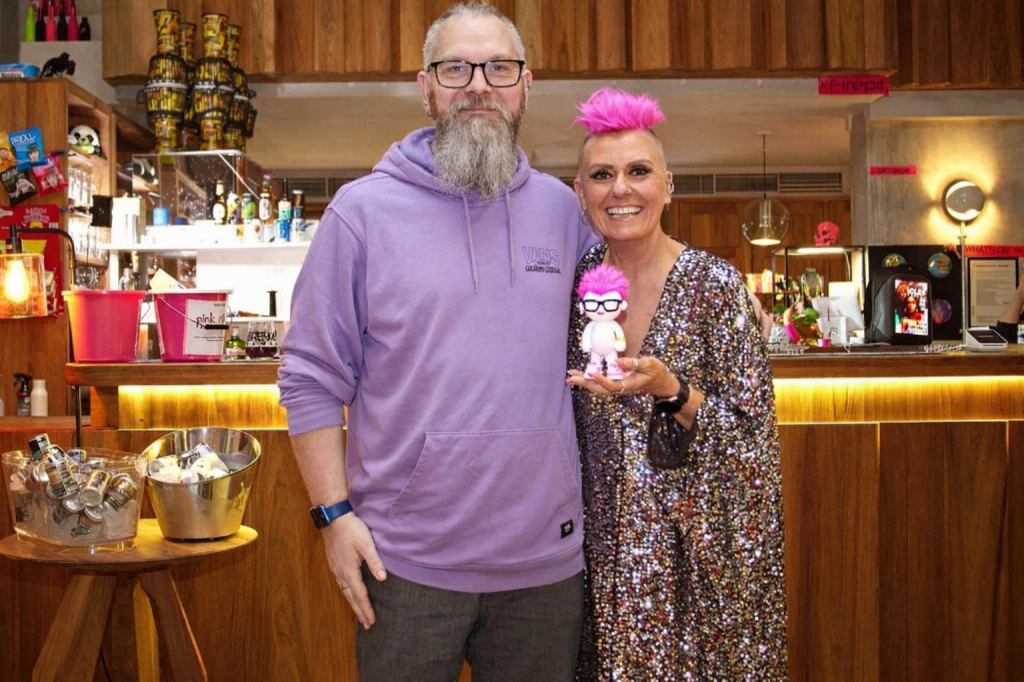
t was with palpable excitement that artist Alistair Blaster unveiled a deeply personal and touching tribute to Lisa Allen of the Pink Ribbon breast cancer charity—her very own “Blanky,” lovingly created in her image. The presentation took place at the Firepit Gallery by the O2, a vibrant creative hub that has become synonymous with championing grassroots art and meaningful causes. Surrounded by an enthusiastic and supportive crowd, the moment captured not only the spirit of artistic expression but also the profound sense of community that events like this inspire.
The evening was a celebration of both creativity and compassion, with attendees gathering to support the vital work of the Pink Ribbon charity. Alistair’s piece stood as a heartfelt acknowledgment of Lisa Allen’s tireless dedication and the impact she continues to make in raising awareness and supporting those affected by breast cancer. The “Blanky” itself—playful yet poignant—embodied warmth, comfort and resilience, echoing the very ethos of the charity it honoured.
Also on display was the striking work BustOut by artist Anne-marie Bickerton, whose bold and expressive style added another layer of depth to the evening’s artistic offering. Her work, known for its emotional intensity and fearless use of colour, complemented the tone of the event perfectly, reinforcing how art can be both visually captivating and socially powerful.
Alistair Blaster is rapidly emerging as a distinctive voice within the contemporary art scene. His unique creations—often character-driven and rich in narrative—have already attracted the attention of notable figures, including Vicki Michelle Allo Allo ” and Dr Anna Kennedy. OBE His work has also begun to cross into storytelling, inspiring children’s literature that carries the same warmth and imaginative spirit found in his visual pieces.
Speaking about the inspiration behind the “Blanky,” Alistair shared: “I am a huge supporter of Pink Ribbon, and I wanted to do something to celebrate not only the charity but Lisa Allen, who is truly inspirational in her work.” His words resonated with many in the room, underlining the importance of recognising the individuals behind charitable movements—those who quietly and consistently make a difference.
The event at Firepit Gallery was more than just an art showcase; it was a reminder of how creativity can be harnessed for good, bringing people together in support of causes that matter. With his growing reputation and heartfelt approach, Alistair Blaster is certainly an artist to watch.
Scenes with Girls — Sass, Spark and a Slice of London Life ⭐️⭐️⭐️⭐️
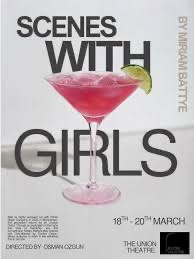
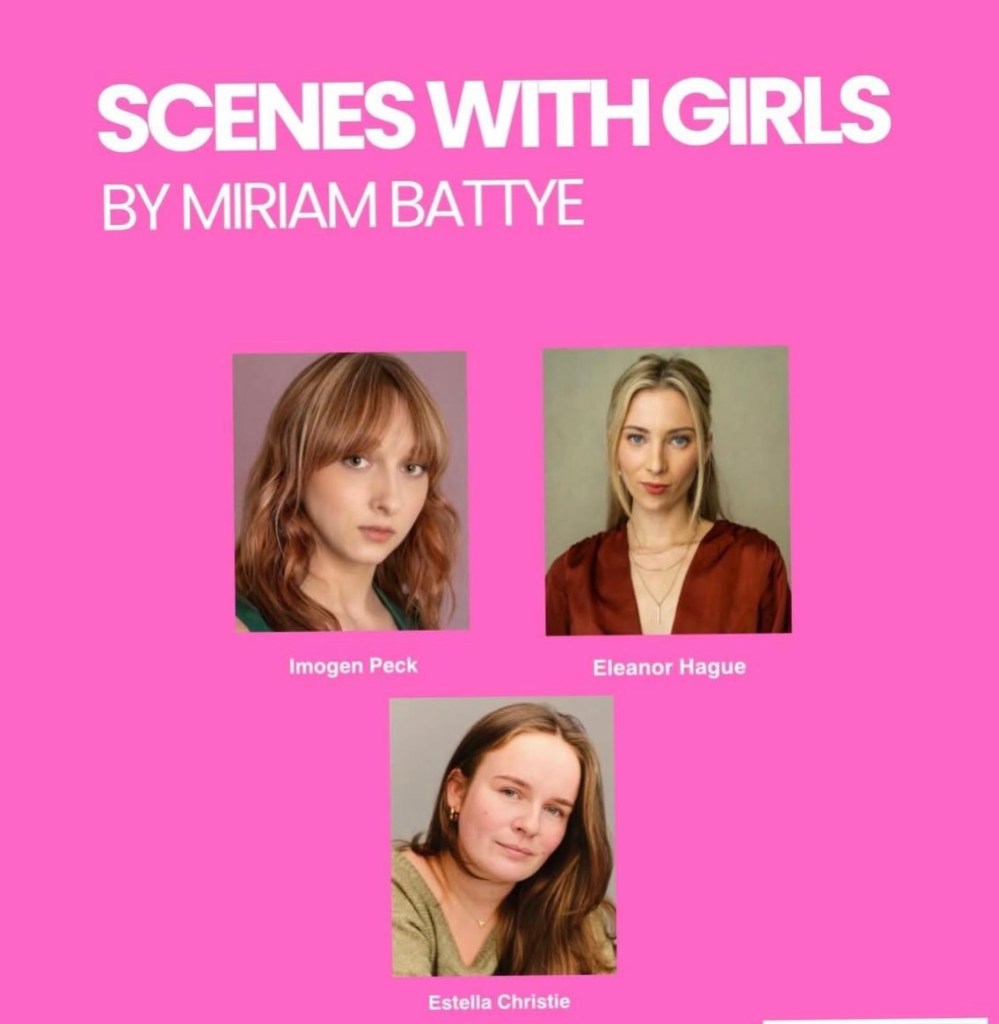
If you like your theatre sharp, stylish and just a little bit chaotic, then Scenes with Girls at the Union Theatre is one to put firmly on your cultural radar.
Presented by Two Souls Productions and penned by the brilliantly observant Miriam Battye, this deliciously modern piece throws us headfirst into the tangled web of female friendship, dating disasters and the emotional rollercoaster that is being a young woman in London. It’s witty, it’s raw, and at times it cuts a little too close to the bone — just how we like it.
Now let’s talk talent.
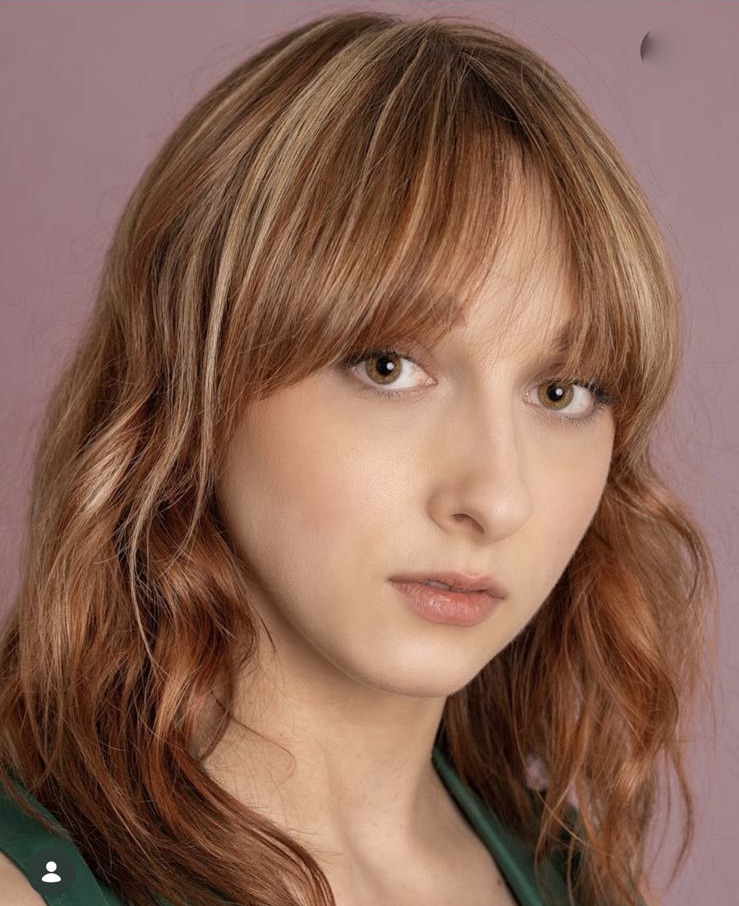
Imogen Peck is, quite simply, one to watch. She owns the stage with a confidence that feels entirely natural, never forced. There’s a magnetism about her — that elusive “it factor” — and you find yourself drawn in every time she speaks. Mark my words, this is a rising star in the making.
Imogen Peck
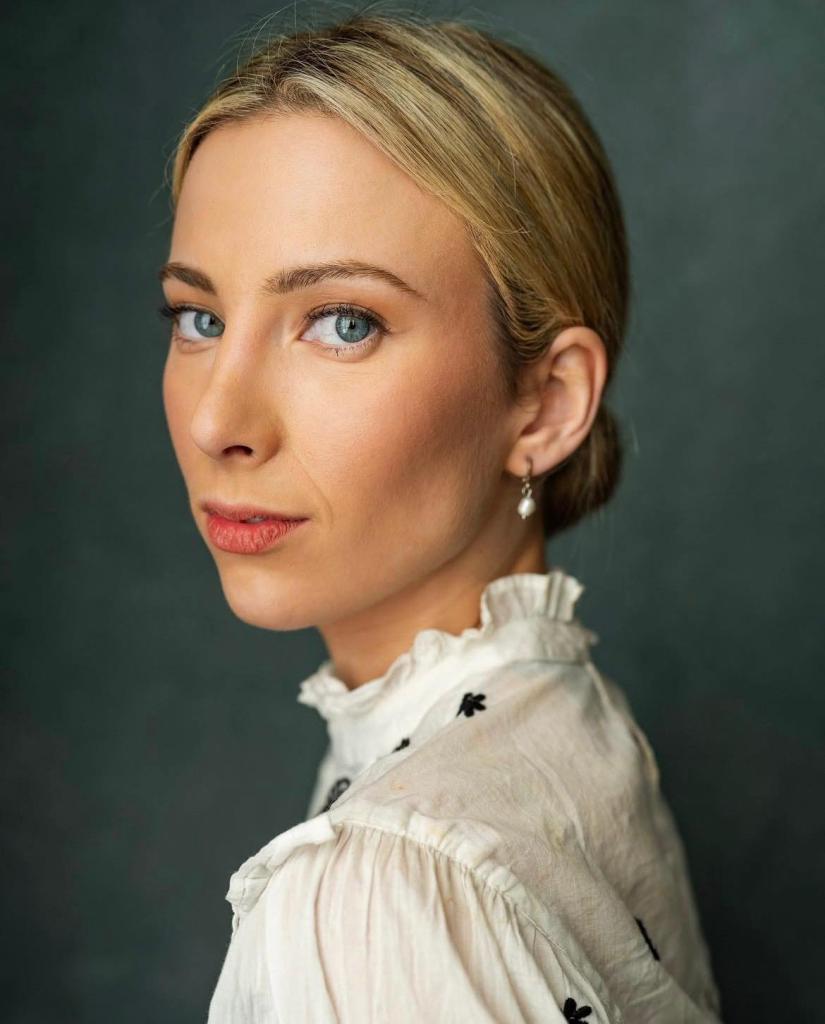
Eleanor Hague, meanwhile, brings a different flavour. With a face absolutely destined for the camera, she has that cinematic quality casting directors dream about. Her performance is a little more acting alone in places in other she commands the stage , but there’s a quiet intrigue there — the kind that suggests, given time, she could be a real force both on stage and screen.
Eleanor Hague,
The script? Oh, it’s clever. Very clever. Battye captures the rhythm of modern conversation with razor-sharp precision — the awkward pauses, the brutal honesty, the humour that masks something deeper. It’s brilliantly written and packed with moments that will have you wincing in recognition.
That said — and we keep it honest at 2Shades — acting is reacting, and in places the connection between performers doesn’t quite land. There are moments where the energy dips slightly, where you want that extra spark, that sharper exchange. But here’s the thing: this is exactly what makes the production exciting. With a little more time, a little more polish, this could be exceptional.
And let’s not forget the unsung heroes — the technical team. Slick, seamless and quietly impressive, they support the piece beautifully without ever overshadowing it.
As for the venue, the Union Theatre remains one of London’s best-kept secrets. Intimate, atmospheric and full of charm, it’s the kind of place where theatre feels alive. Pro tip: arrive early, grab a drink, and soak up the vibe — the staff are as fabulous as the performances.
All in all, Scenes with Girls is a bold, funny and promising showcase of emerging talent. It may not be perfect, but darling, it absolutely has potential — and that’s far more exciting.
Go. Watch. And say you saw them before they were stars.
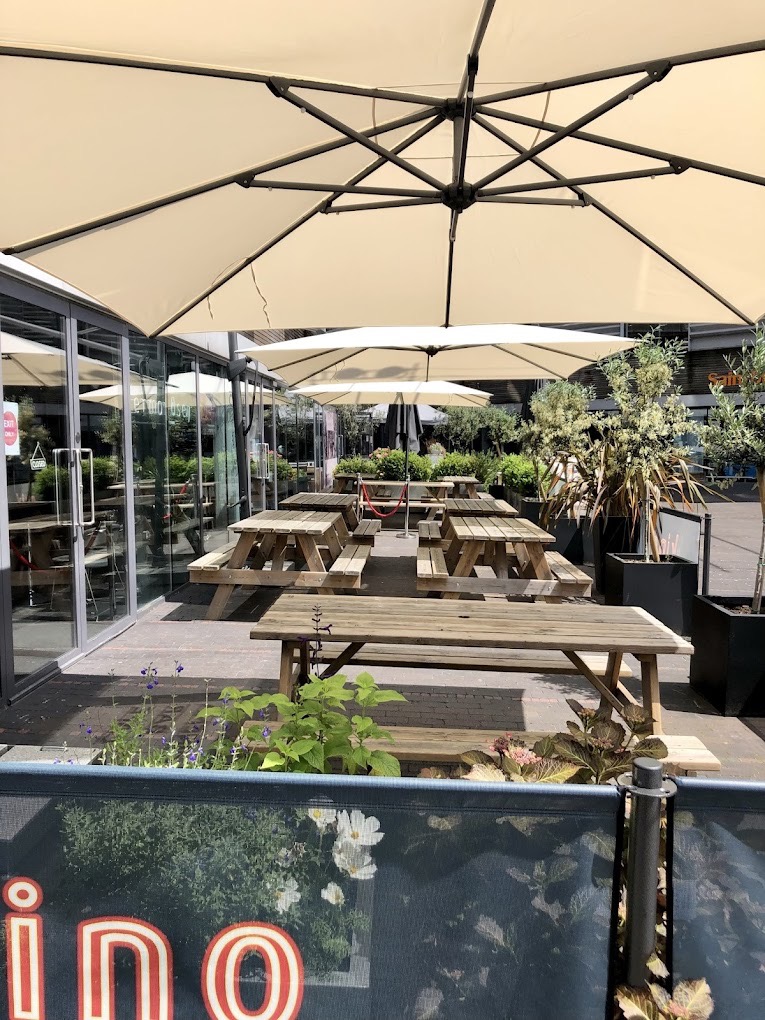
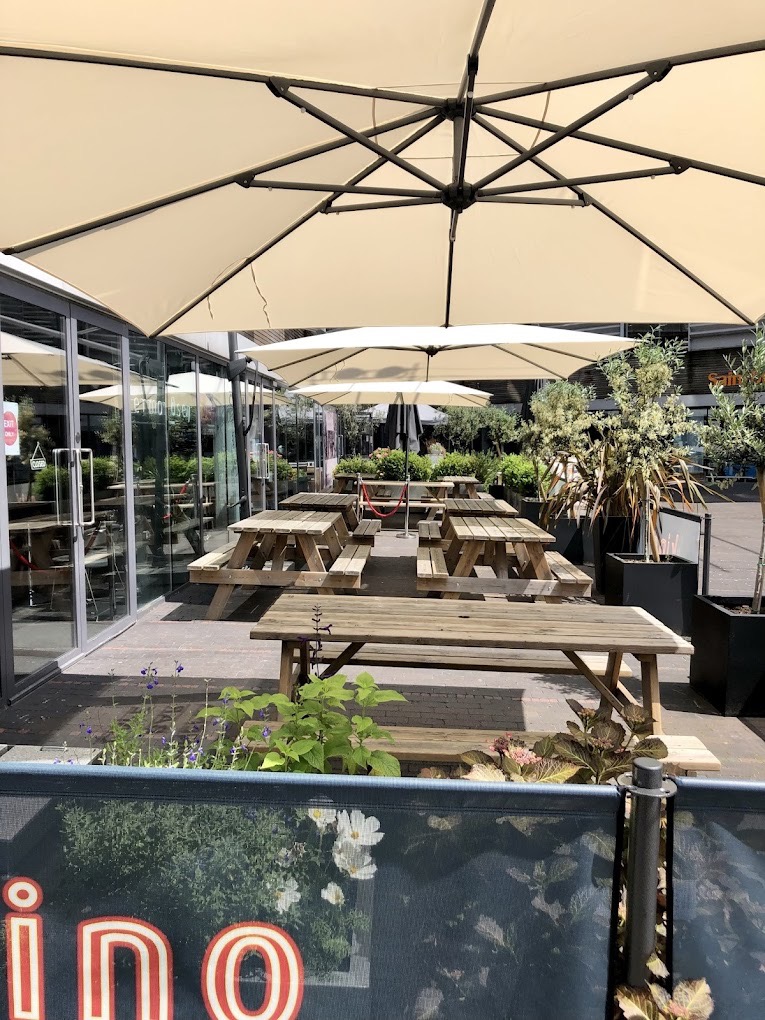
On a rain-soaked Friday night, I took the walk from London Bridge to see what everyone had been talking about: The Arzner — London’s only dedicated LGBTQ+ cinema, tucked away in Bermondsey. The heavens had opened, and by the time I arrived, soaked and slightly windswept, ducking beneath its glowing sign felt like a small act of salvation.
Stepping inside, it became immediately clear that this is no ordinary picture house. The Arzner feels less like a traditional cinema and more like a long-awaited living room for queer film lovers — and, I should add, for anyone who simply loves great cinema. This is not an exclusive “gay bubble”; it is a welcoming, inclusive cultural space.
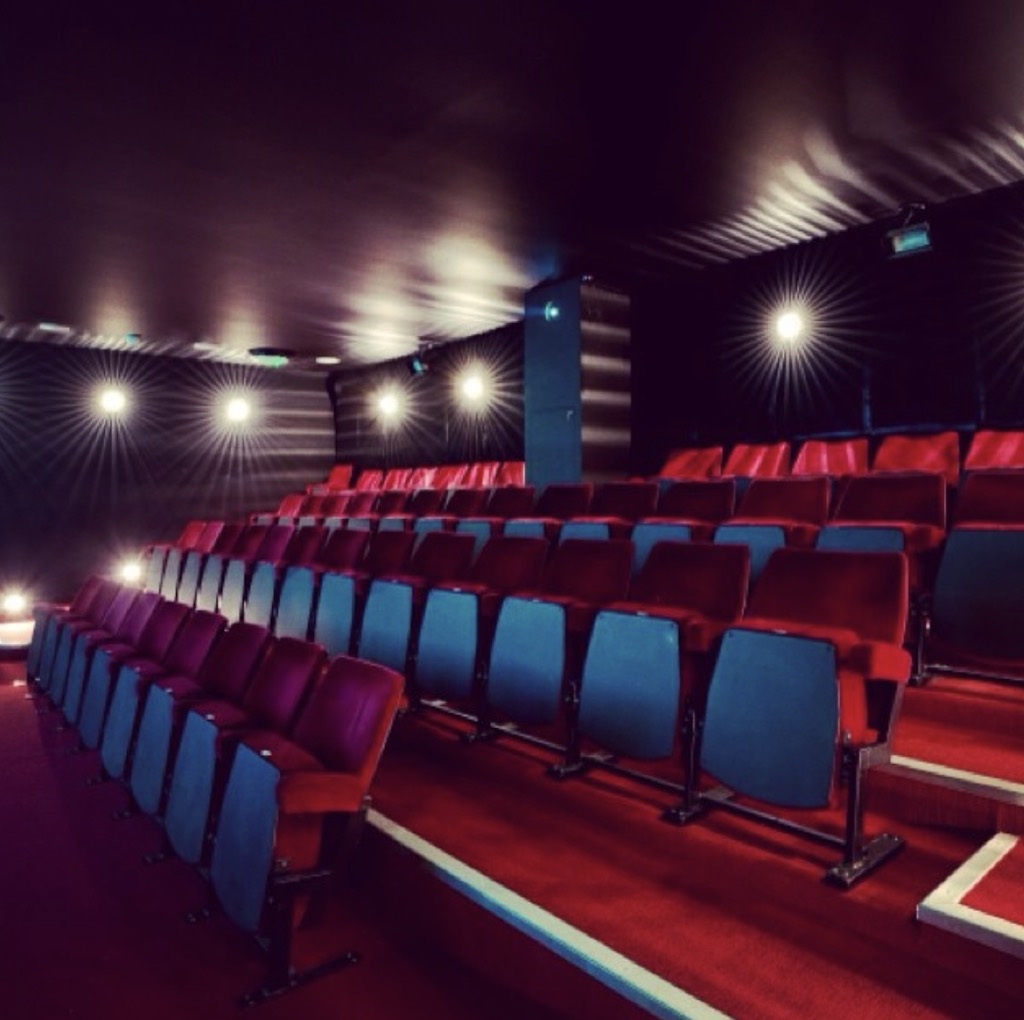
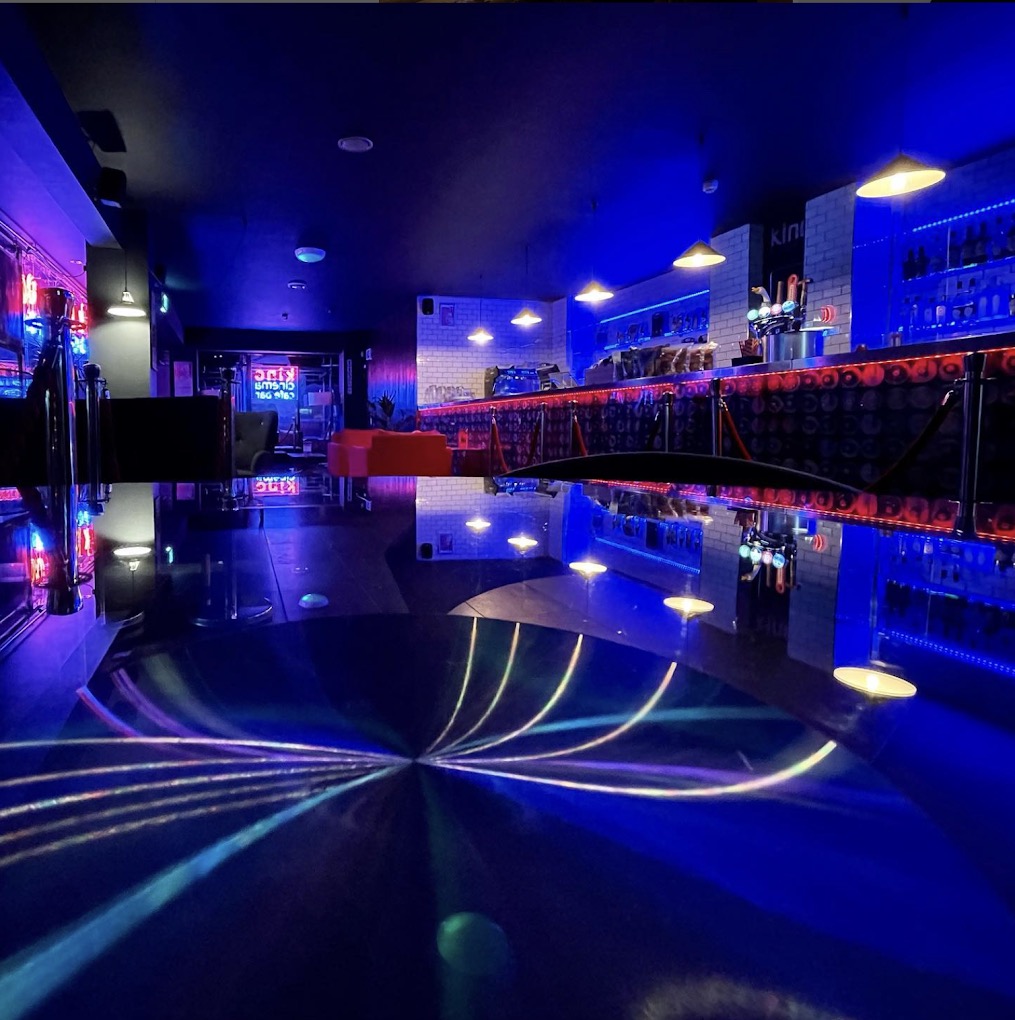
The low lighting, rich red tones, Everything here feels thoughtfully designed. And before you even enter the screening room, let me tell you: the bar is outstanding. From beautifully crafted cocktails to quality wines and excellent non-alcoholic options, it is easily five-star. Arrive early, or even pop in just for a drink — you won’t regret it.
Named after Dorothy Arzner, the trailblazing Hollywood director who forged a remarkable career as an openly gay woman during the studio era, the cinema wears its heritage proudly yet lightly. Portraits of queer cultural icons line the walls, drinks are passed across the bar, and familiar faces greet one another. Arriving alone, yet never feeling lonely, is one of the evening’s first quiet triumphs.
The venue occupies the former site of Kino Bermondsey, but any sense of corporate uniformity has been replaced by a carefully curated personality. Its programming is unapologetically queer, spanning restored classics, contemporary independent releases, international features, and short-film showcases that amplify emerging LGBTQ+ voices.
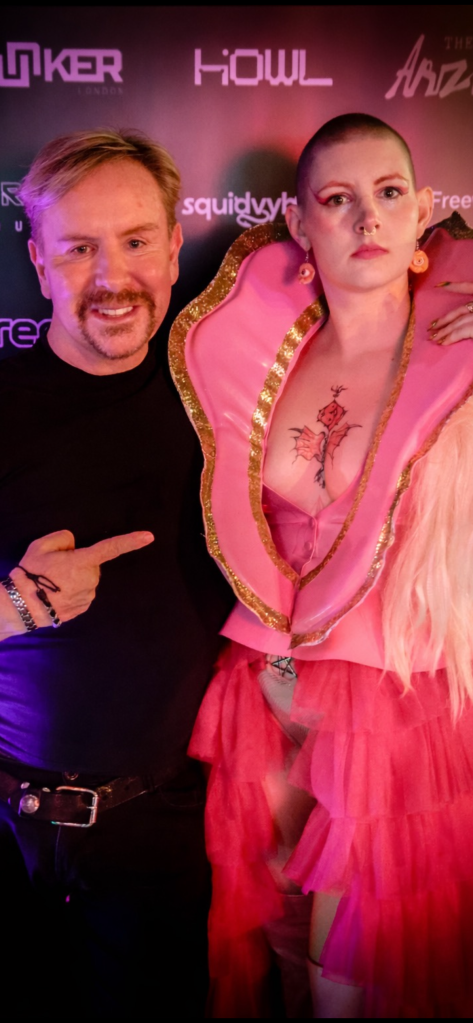
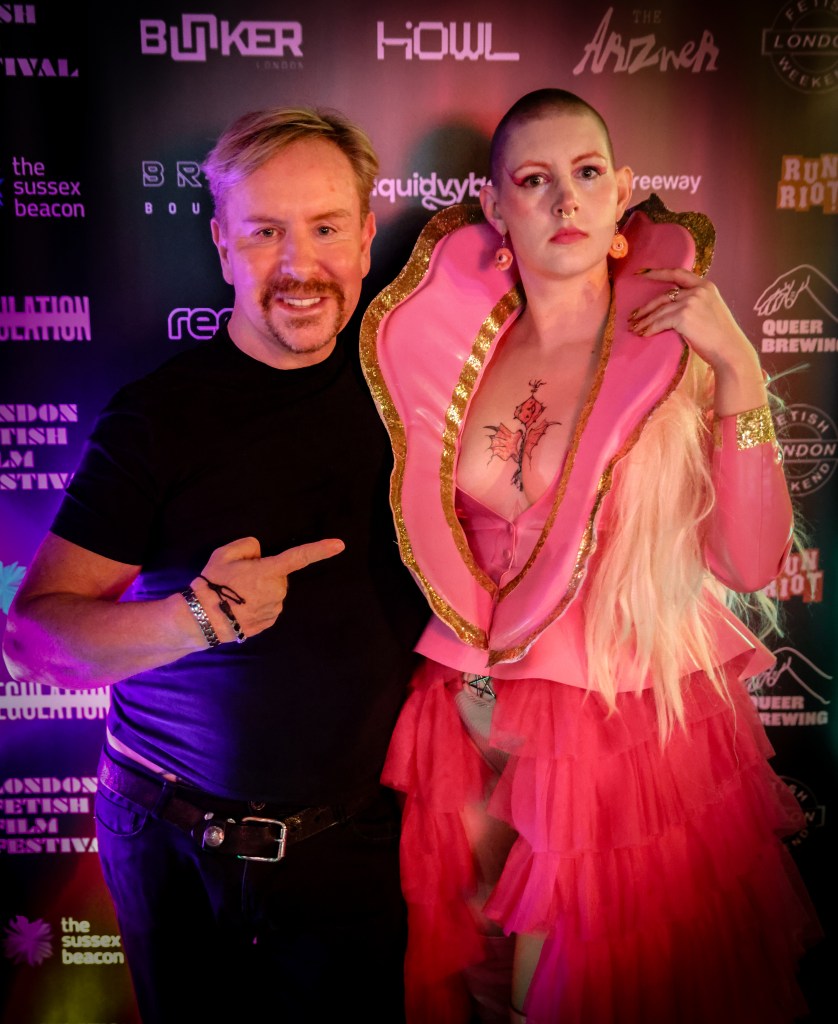
On this particular Friday, I had been invited by my friend Amy Rose, an artist and one of the organisers of the London Fetish Film Festival. Now, before anyone gets their knickers in a twist, fetish cinema has grown significantly over recent decades, and this well-established three-day festival is now in its seventh year. The eclectic crowd alone demonstrated just how diverse and fascinating the scene has become.
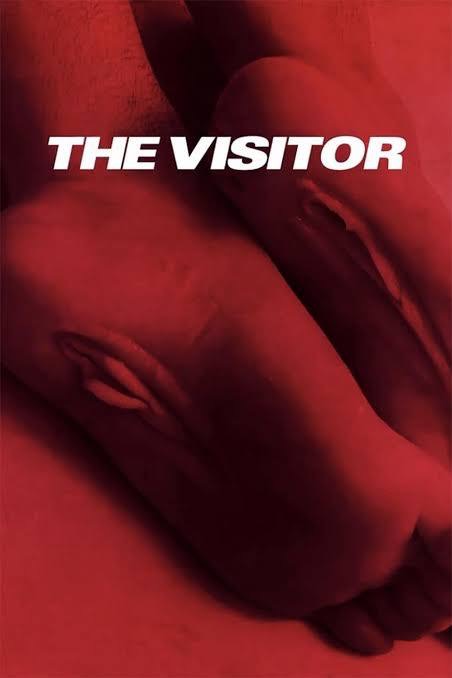
The first film I saw, The Visitor (2024), featured stunning cinematography and a memorable soundtrack. Imagine Federico Fellini meeting an early, less camp version of John Waters — complete with what may be the worst wig in cinematic history. Even Divine might have fainted. The screening was followed by a lively Q&A with director Bruce LaBruce.
On Sunday, the programme shifted to documentaries, which proved genuinely eye-opening. For anyone interested in sexuality, identity, and the human mind, these films are well worth exploring. The performers and contributors certainly went the extra mile.
What truly distinguishes The Arzner is its atmosphere. The buzz is friendly and eclectic. Mainstream cinemas can often feel anonymous, even indifferent, but here the staff introduce films with genuine enthusiasm, sharing details about upcoming themed nights and community events.
Regular special screenings, Q&As, and curated seasons ensure that the cinema is not a passing novelty, but an evolving cultural hub. Conversations continue long after the credits roll, with patrons lingering over drinks to debate performances and recommend future screenings. The line between audience and community beautifully blurs.
Technically, the cinema delivers on every level: crisp projection, balanced sound, and comfortable seating that rival any arthouse venue in the capital. Yet it is the emotional resonance that lingers most. Watching queer stories unfold in a room filled largely with LGBTQ+ viewers shifts the energy entirely. Applause feels communal rather than polite, and moments of silence carry collective meaning.
As I eventually stepped back into the rain — still wondering if it would ever end — I couldn’t help smiling at the thought of Noah popping in for “just one cocktail” before watching Brat, the Charlie XCX film, and joking about building an ark by closing time.
Spending time at The Arzner felt like a privilege. It is not merely London’s only LGBTQ+ cinema; it is a statement of permanence and pride in a city where queer spaces have too often been lost to redevelopment. By offering a year-round home for queer film, it provides something far more enduring than novelty.
It offers visibility, celebration, and the simple, radical pleasure of seeing one’s community centred on screen.
And I, for one, am very much looking forward to going back. ps there even a pop up greeting from Stephen Fry to kick your night off ,
It’s All Hanky Panky as the London Fetish Film Festival Returns
It is all hanky-panky as the London Fetish Film Festival returns for its seventh year, once again lifting the curtain on a world that many people are curious about, some quietly participate in, and others still regard as taboo. Fetish, after all, has always occupied that fascinating space between the private and the performative, the misunderstood and the mythologised.
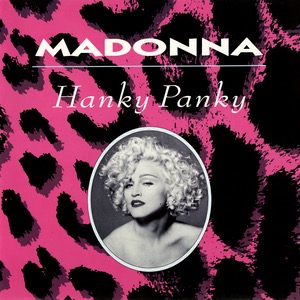
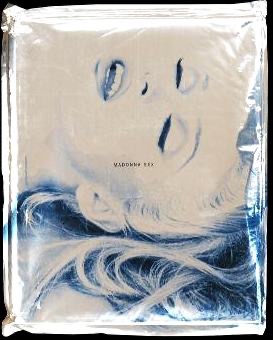
Long before hashtags and streaming platforms, Madonna helped drag fetish culture into the mainstream. In the 1990s she didn’t just flirt with provocation; she weaponised it. Her song Hanky Panky cheekily suggested there was nothing quite like a good spanking, while her 1992 book Sex boldly invited readers to explore fantasies ranging from bondage and domination to submission and exhibitionism. What had once been whispered about behind closed doors was suddenly glossy, photographed, and unapologetically public. Madonna didn’t just shock — she reframed desire as something to be examined rather than hidden, daring readers to “make love in Paris” or “let her be your mistress”.
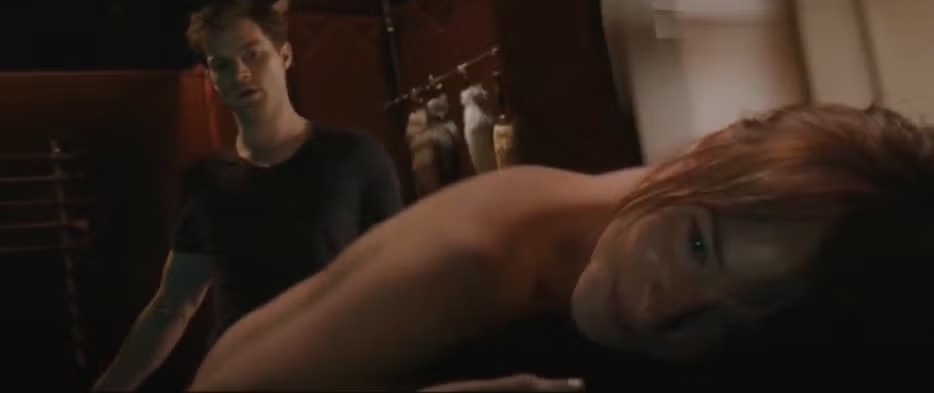
Then came Fifty Shades of Grey, which flew off bookshop shelves and dominated bestseller lists. Its story of a young woman entering a sexually dominant relationship with a billionaire reignited debates about power, consent, and feminism. Critics argued it set women’s liberation back decades, yet the reality was more nuanced. I couldn’t help noticing how many women were reading it openly — on trains, on planes, in cafés — suggesting that whatever the book’s flaws, it tapped into something real and widespread.
50 shades spanking .
It’s often said that one in three of us has a submissive side. But I’ve always wondered: if the dominant figure in Fifty Shades lived in a council flat rather than a penthouse, would the story have been as romanticised? Or would he have been slapped, arrested, or both? Wealth and aesthetics, it seems, can dramatically change how power dynamics are perceived.
Of course, fetish itself is nothing new. Evidence of flagellation, bondage, and erotic imagery can be traced back to cave drawings, ancient Egypt, and the Roman Empire, who were particularly enthusiastic when it came to indulgence. Some argue certain fetishes may stem from childhood trauma, but that’s a conversation for another article entirely.
Like many people coming of age in the 1990s, I wore the leather trousers and biker jacket, blissfully unaware that I was echoing a long-standing visual language of rebellion and desire well thats what I tell people . Clubs embraced biker and fetish aesthetics, encouraging people to explore what was often described as their “forbidden side”. London saw nights like Torture Garden spring up at venues such as the Hoist, while across the Atlantic the New York gay scene was already miles ahead. The Eagle, with its hyper-masculine leather culture in the 70s and 80s, set a template that still influences fetish spaces today.
I once thought of myself as very liberal and worldly — until Florida taught me otherwise. In a celebrity-frequented club with a strong fetish theme, people dressed as if they’d stepped straight out of Madonna’s Sex era or a George Michael video, playing with master-and-slave imagery. Much of it felt like cosplay: people loved the look but many would run a mile if a leather daddy’s belt actually landed near them. They admired the surface without really understanding the psychology beneath it.
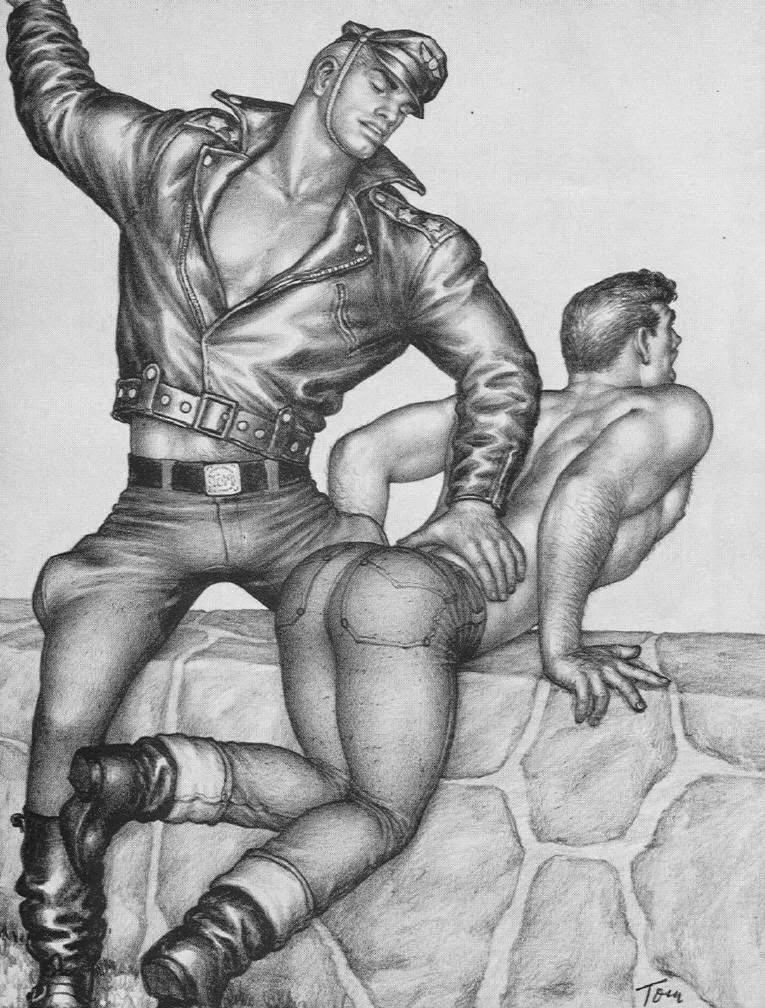
Tom Of Finland fantasy .
Over the years, many dominatrices have told me the same thing: a large number of their clients are men who hold immense power in everyday life — heads of companies, senior military figures, decision-makers used to absolute control. For an hour or two, giving that control away can be a profound relief. When discussed openly and practised safely, role-play can even strengthen relationships. Yet for a small section of society, this isn’t theatre at all — it’s identity.
One moment in particular floored me. A man at a club stared at me so intensely it became unsettling. My friend eventually asked him what he wanted. He vanished — or so we thought. Five minutes later, I felt something brush my ankles. Looking down, I discovered a man in a full black cat suit. My friend laughed and said, “It would happen to you.” I was told to at least stroke the poor thing. It was, quite literally, the last time I went for a pussy.
Just when you think you’ve seen it all.
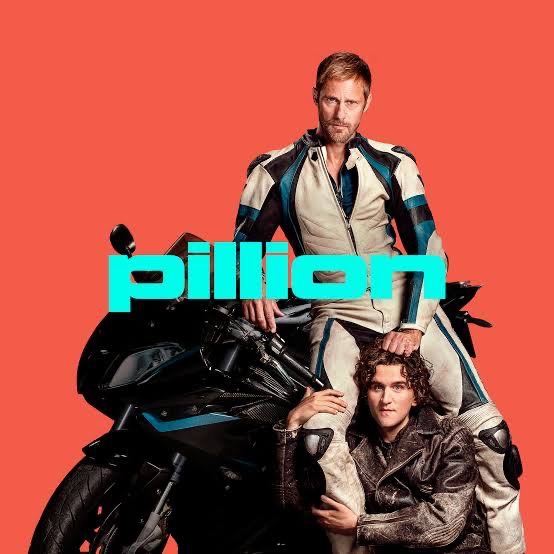
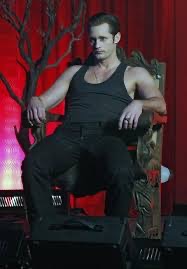
Which brings me to cinema. While the Fifty Shades films were largely dismal, I was curious about what a gay equivalent might look like. After all, who didn’t fall for Alexander Skarsgård in True Blood? As a vampire who commanded worship and dismissal in equal measure, he embodied dominance with chilling ease.
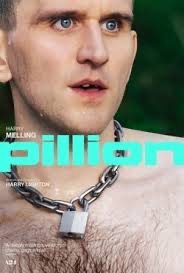
The film Pillion, despite rave reviews, sadly fails on many levels to explain the dom-sub relationship. While I admire the decision to use real fetishists, it never quite lands emotionally. Ironically, it does highlight one truth often misunderstood: the submissive is frequently the one truly in control, setting boundaries and rules. Beyond that, the sex scenes are oddly cold, and I found myself more worried about the dogs tied up and left alone than anything else.
There is a brilliant dom-sub film waiting to be made. Pillion isn’t it — not an amazing love story, not a revelatory exploration — but watching Alexander Skarsgård is reason enough to give it a look. That, of course, is just my opinion. Many people are raving about it.
The film is screening as part of the London Fetish Film Festival, and I’d urge you not to take my word alone. Dive in, make up your own mind, and perhaps discover that fetish, like all good cinema, tells us as much about ourselves as it does about what’s happening on screen.
HOWL is a sexual wellness brand revolutionising intimacy through innovative sex tech
products. They leverage the power of experiential events and a viral media channel to
dismantle shame and champion pleasure.
LFFF: Shorts Session 1
Saturday 21st February
4pm
93.47min run time
Featuring 8 short films
Tickets £12
Join us for a dripping new curation of ‘Fun Fetish’ and 2024 LFFF award winning short films!
Indulgent Delights
8mins 11secsAn electrifying front row seat as burlesque performer Leila Delicious adorns her body with
glitter.
Lee in Leatherland
6mins
The speaker, a queer man searching for the hypermasculine fantasy figures drawn by Tom
of Finland, journeys from Helsinki to London in pursuit of desire made flesh. In Vauxhall’s
clubs and darkrooms, he encounters the sweaty, neon-lit world of gay nightlife – full of
longing, bravado, and disappointment.
Darwin Fantasia
10mins 56secs
Canela immerses herself in Darwin’s studies on the plant world, focusing particularly on The
Fertilisation of Orchids. As she explores the meticulous accounts of interactions between
plants and insects, she discovers something that goes beyond mere survival: a web of
curiosity, play, and pleasure that also seems to captivate the naturalist himself.
2024 Award Winners: Best Short + Best Screenplay
A Pacific Touch
37mins 43secs
This is a story about love. Isolation, and an unusual obsession. Alexei , a young man,
becomes consumed by his passion for his new wallpaper, slowly withdrawing from the world
outside. As he drifts deeper into his fixation, Texture Pasifique explores the limits of love and
obsession, revealing the complexities of intimacy with both people and objects.
Jacked Out
7mins 53secs
What is a virtual pet in an era of mass surveillance? Jack out of the Y2KAGE in this erotic
hauntology film probing the persistent feedback loops of future’s past in our present, forces
of technological dominance, and virtual pets unleashed!
2024 Award Winners: Best Animation
Klimax
2min 47secs
Klimax explores the topic of female masturbation in order to redefine the already negatively
connoted image of the female sex and thus strives to create new aesthetic associations of
femininity. Our main protagonist, Barbie, undergoes a process of transformation.
My Perfect Dolly
17mins
A pretty pink dollification scene with two non-binary plus size femmes, followed by a
conversation.
Lupae x Hardwerk4mins 37secs
LFFF: Shorts Session 2
Saturday 21st February
6:30pm
Full run time with interval 149.24mins
Featuring 20 short films
Tickets £15
Join us for a dripping new curation of Kink Art, Fetish Horror and 2024 LFFF award winning
short films!
The Nest
7mins
It’s the first night he’s bringing someone home. They must be quiet.
2024 Award Winners: Best Edit
What if I Told You to
4mins 21secs
Official music video
2024 Award Winners: Best Comedy
Squeegee
10mins 54secs
A high-powered businesswoman meets a high-rise window-washer for an erotic rendezvous
on opposite sides of her skyscraper window.
Fetish
21mins
Oddball Clark meets the girl of his dreams, but the relationship is threatened by his foot
fetish.
2024 Award Winners: Best Production Design
The Debutante
14mins 35secs
When a young woman agrees to satisfy a peculiar request in exchange for a luxurious pair of
shoes, what begins as a simple act of submission soon spirals out of, and then into, control –
reshaping her identity and his shoe collection.
Guro
7minsIn the harsh Arctic landscape of Longyearbyen, Guro meets a mysterious client for a
straightforward transaction. However, as they travel together along the isolated, icy roads,
the client makes an unusual request that tests Guro in unexpected ways.
Virgin X – Billionaires
2mins 18secs
Official music video
20 MINS INTERVAL
Operotica: Stabat Mater
4mins 22secs
A music video for Operotica’s re-orchestration of the first movement of Pergolesi’s Stabat
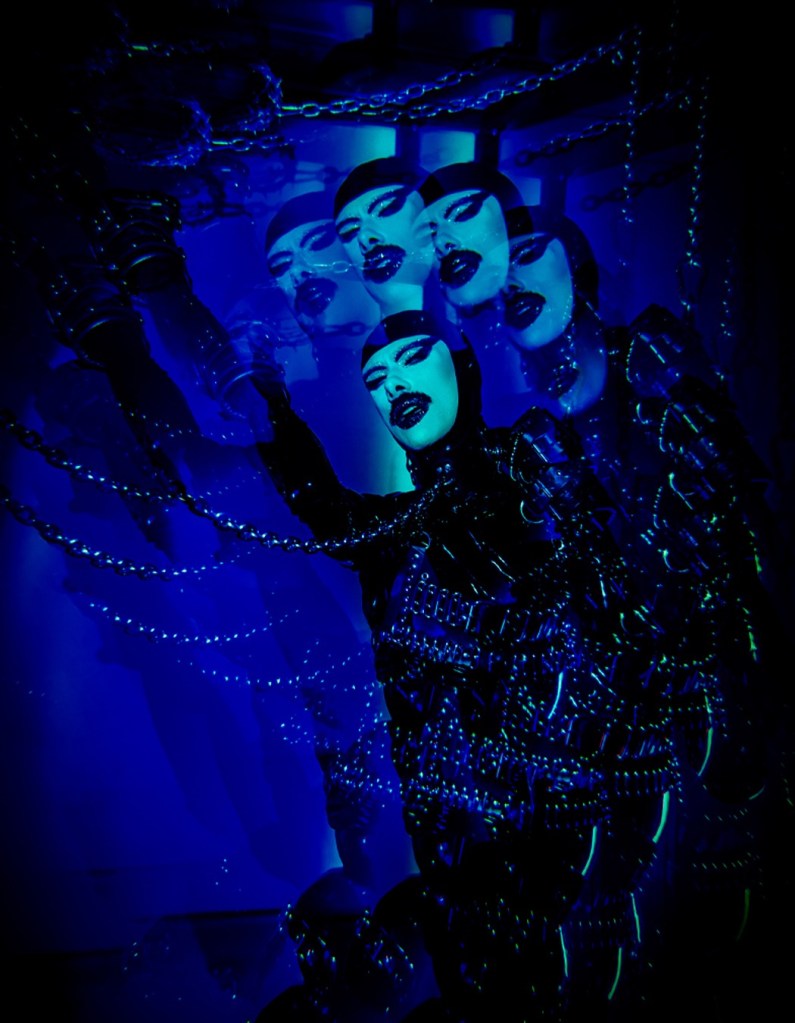
Mater, featuring Operotica as latex-clad nuns, rigged together with shibari by Dominatrix
Veronica Viper. The awkwardness of their positioning reflects the close suspensions in the
music
Virgin X – Splinters
3mins 25secs
Official music video
Bath Bomb
9mins 55secs
A possessive doctor prepares an ostensibly romantic bath for his narcissistic boyfriend, but
after an accusation of infidelity, things take a deeply disturbing turn.
2024 Award Winners: Best Sound Design
Mutations of Desire
5mins 27secs
A queer tribute to the Cronenberg film, Deadringers. Sade and Odette create a disorienting
world of latex, strange medical instruments, and hallucination.
Woman ASMR
4mins 25secs
A woman and her microphone provide an erotic autonomous sensory meridian response.
Virgin X – Shame
3mins 48secs
Official music video
2024 Award Winners: Yes it’s F*cking Political
Dori Dori
3mins 39secs
In a world that tries to suppress who you are, Sara ATH shows
us that the soul can’t be caged and takes a stand against the shame and silencing of her
fellow queers. Rapping in Arabic, it’s her turn on the mic to sing out loud who she is and howproud she is – a rebellious act that may bar her from ever returning to her home country.
Symbolising the internal battles of accepting your sexuality and grappling with self-identity,
the music video explores the liberation and eventual acceptance of queer existence and how
‘orgasmic’ this enlightenment feels.
Vanessa
5mins
Making love to an inanimate body; the mannequin Vanessa.
2024 Award Winners: Best Costume + Best Music Video
Virgin X – Fuck Myself
3mins 23secs
Official music video
Hyperion
1min 44secs
Hyperion is a high order penitentiary complex. Walls rewrite identity, silence reshapes desire,
and every exit demands transformation. No one leaves Hyperion, at least not without
fundamentally changing themselves.
Blood – Humanification
1min
An intriguing creature seems to have fallen from the sky, confused and unmoored. It will
witness how its passage through Earth shapes its body and its identity, and how, slowly, we
all end in the same cage when we betray ourselves. Even the most rare and bizarre can be
shaped to humanity. No one escapes.
2024 Award Winners: Best Kink Moment (Human Chopping Board)
Thing
10mins 50secs
The everyday life of a mistress and her furniture slave. When he suddenly disappears, they
find themselves in an identity crisis.
Moan
8mins 38secs
Framed against a blood red haze of stark crimson backdrops, the conclusive short film
MOAN presents a visually penetrating feast. The ultimate climactic crescendo sees
unsuspecting strangers thrust into the throws of breath-slick tension, curdling curiosity
ultimately ending in a hypnotic descent of all-consuming indulgent, auditory stimulation.
Throbbing suspense, washed out groans and the illicit breathy moans staining the lips of
those who dare pick up the phone. The voice, wet, sticky and intoxicatingly close.LFFF: Documentaries
Sunday 22nd February
2:30pm
83.33mins runtime
Tickets £10
Sex in Colour: Kinky and Loving It
48mins 33secs
KINKY AND LOVING IT is an empowering documentary highlighting the transformative
potential of reclamation. Celebrating how Black folks reclaim agency over their desires,
bodies, and identities, KINKY AND LOVING IT is a liberating journey into the transformative
power of radical acceptance, reclamation, and love within Black kink.
Mr. Bound & Gagged
35mins
“Bob Wingate and Lee Clauss, former publishers of the legendary Bound & Gagged
magazine, open the archive and the floodgates in this richly layered excavation of queer
kink, media history, and erotic resistance. Set against the backdrop of the Leather Archives
& Museum in Chicago, this candid portrait splices salacious nostalgia with radical politics,
tracing decades of defiant desire, artistic transgression, and unapologetic love. A necessary
tribute to two aging icons of the underground.
” (CUFF32)
LFFF: Inside Fetish
Sunday 22nd February
4:30pm
92.43mins runtime
Tickets £12
On The Erotics Of Stuffing Large Objects Into Small Spaces
15mins
Aexperimental film about the submissive desire for restrictive bondage. The subject – a single figure
locked in a dog crate, hooded and caged – shares his internal monologue: “This cage will never be
comfortable, though I find it deeply comforting.
Ripples: Libra
5mins 36secs
A Shibari short from Director Guillaume Pin
Oasis6mins 34secs
Shot with super8 camera in the desert of Joshua Tree , this film is about a Gay Asian Cowboy
reconnecting with a version of his younger self via ropes.
Breakfast Time
17mins 58secs
A raw, intimate documentary about a queer pup eating breakfast from his dog bowl. As he eats, a
candid voiceover unfolds – reflections on the nature of desire and disgust, failed relationships,
encounters with gay-bashing, and the feeling of isolation that comes along with stigmatized desire.
Sanguine
4mins 54secs
A love letter to blood accompanied by seraphic, breathy music. Beau Flex (they/them) meditates on
the strength of flesh in this ritualistic solo scene. Engaging in self piercing play, Beau focuses on
coaxing blood out of their thigh, producing round ruby droplets. As they smear the blood upon their
skin, they smile at the release in their art.
Babyblue
4mins 27scs
An exploration of tenderness and catharsis through needle play. Shot on Finn’s last day in New York
City, this performance symbolises goodbyes and a rite of passage to mark their way back home.
σάρξ [Sarx]
1min 59secs
A masochist mortification of the flesh. A perversion of prayer.
A.S.F.R. (alt.sex.fetish.robots.)
5mins
Vudhi K., a Thai ASFR practitioner, recounts the process of transformation and the moment his fetish
first took hold. A memory, a primal scene, a mercurial awakening. The drag of a brush against skin
blurs the boundary between subject and object, drone and human. Featuring performers Damian
Dragon and Botan Peony.
2024 Award Winners: Best Director
The Pleasure in Pain
18mins 28secs
An arthouse short documentary following key figures of the London kink scene on an exploration into
BDSM and the notorious fetish event Klub Verboten. The film touches upon themes of psychology,
trauma, LGBTQ+ rights and black representation.
2024 Award Winners: Best Documentary
Lasting Marks
14mins 47secs
The story of a group of men with shared sexual desires, lucky to have found each other yet
unfortunate to be considered criminal for expressing them.LFFF: A Body to Live In + Short Films
Sunday 22nd February
6:30pm
122.57mins runtime
Tickets £15
2024 Award Winners: Best Performer + Best Cinematography + Festival Director’s
Choice
Subspace
20mins 18secs
This love-story being dom and sub is a BDSM film that explores the intimacy and trust
between partners.
Starring Commander Ares and Roughkicks
Dir. Matt Lambert
2024 Award Winners: Best Art Direction
The Architect
4mins 39secs
Odette Engle performing a process of inverted architectural mapping on the suspended body
of Cute But Deadly.
A Body to Live In
1hr 38mins
A BODY TO LIVE IN is a feature film that traces the life and work of legendary photographer,
performer, and “Gender Flex” cultural icon, Fakir Musafar (1930-2018). Through
investigating the body modification movement and the trajectory of Fakir’s art career and
philosophy, A BODY TO LIVE IN uncovers a riveting facet of queer history. Using Fakir’s
early experiments in body play and his photographic works from the 1940s and 50s as a
springboard, the film traces the body modification movement as it emerged in LGBT
subculture in the early 1970s. The film introduces us to early collaborative experimentation
at gay underground BDSM parties, leading to the first piercing shop, moving through the
radical faerie movement and the role of body modification during the AIDS epidemic, the
emergence of body-based performance art, and the rise of an entire subculture. Insights
from key figures including Annie Sprinkle, Ron Athey, Idexa Stern, Cléo Dubois, Jim Ward,
Midori, and others provoke deeper reflections about art making, surviving AIDS, and the
controversial collaging of various spiritual and cultural practices to build a philosophy.
Captured in static 16mm film portraits, A BODY TO LIVE IN unfolds conversationally
between Fakir’s archive of 100+ hours of unseen footage, and the voices of the canonical
elders of this movement, to create intergenerational dialog, question cultural responsibility,
and provoke larger ideas about the drive to transcend the limits of the body.Please do mention our 2026 sponsors and collaborators:
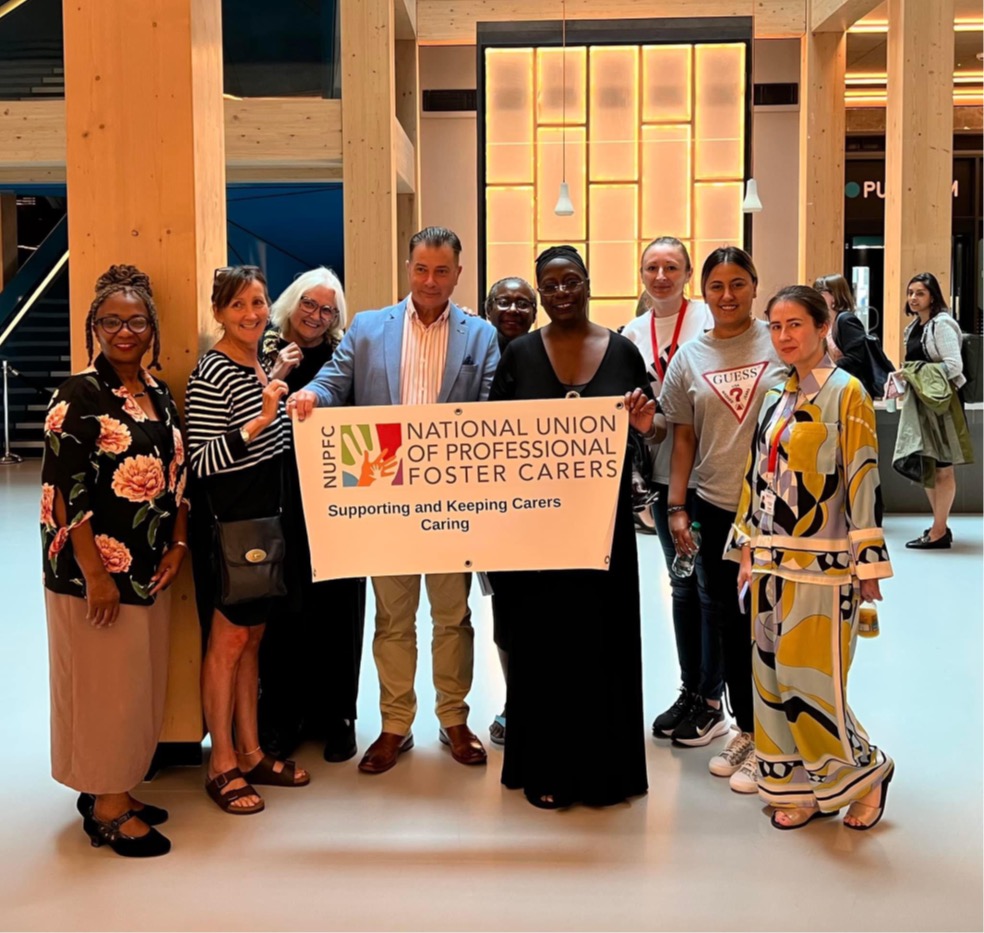
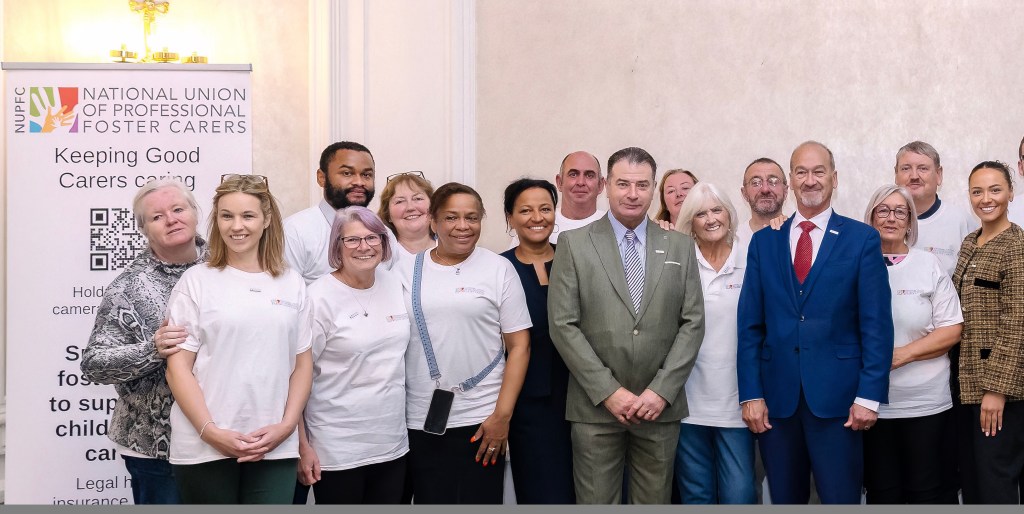
2Shades is delighted to announce the National Union of Professional Foster Cares as a sponsor of The Autism Hero Awards .
2Shades is delighted to announce the National Union of Professional Foster Carers (NUPFC) as a sponsor of this year’s Autism Hero Awards, supporting the Parent / Carer of the Year category.
The NUPFC is the only government-certified trade union in the UK dedicated exclusively to supporting foster carers, kinship carers, special guardians, and adopters. Its mission is clear: to ensure carers are informed, protected, and properly supported as they provide care for some of the most vulnerable children in society.
What sets the NUPFC apart is its depth of lived experience. Its specialist caseworkers — available 365 days a year — include current and former foster carers alongside retired social workers. This hands-on understanding allows the organisation to offer practical, empathetic guidance rooted in real-world challenges. A strong legal team further ensures members are never left navigating complex systems alone.
Caring for children who have experienced emotional harm or additional challenges can be demanding and emotionally complex. The NUPFC works closely with professionals around each child, helping to ensure carers — and in turn, the children themselves — receive the support, advocacy, and understanding they deserve.
Many children within the care system are autistic, while many others remain undiagnosed. The NUPFC actively promotes early diagnosis, recognising that timely understanding can make a profound difference to a child’s wellbeing, access to support, and long-term outcomes.
By sponsoring the Parent / Carer of the Year category at the Autism Hero Awards, the NUPFC is shining a light on the resilience, commitment, and quiet heroism of carers. This partnership not only celebrates individual achievement but also raises wider awareness of autism and caring within professional circles and among key decision-makers.
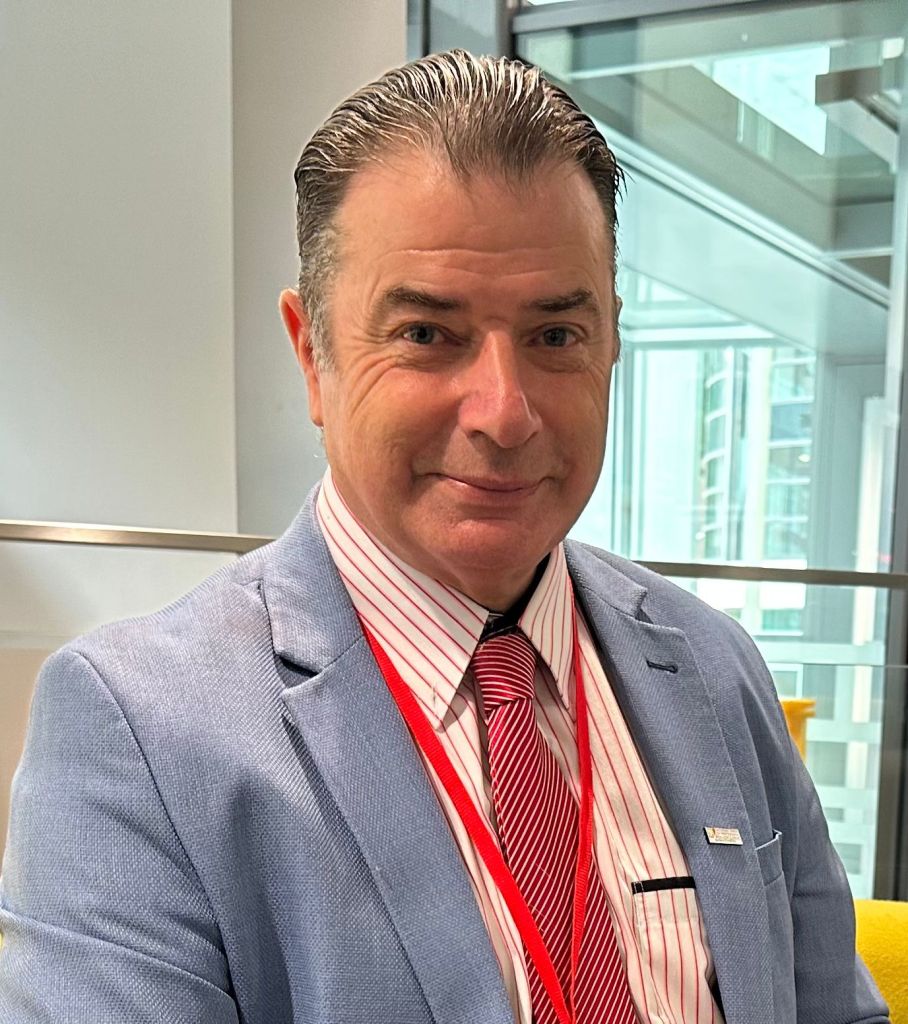
Robin Findlay, Founder and General Secretary of the National Union of Professional Foster Carers, said:
“Anna Kennedy’s tireless campaigning continues to raise awareness of the many strengths, talents, and contributions that autistic people bring to our communities. We are proud to support the Autism Hero Awards and to stand alongside Anna Kennedy Online in encouraging autistic people, and their parents and carers, to seek support when needed, build confidence, and achieve great things.”
Anna Kennedy OBE added:
“We are absolutely delighted to welcome the National Union of Professional Foster Carers as sponsors of the Autism Hero Awards. Their commitment to carers and families aligns closely with our values, and we look forward to working together to celebrate autistic individuals and recognise the dedication of those who support them every day.”
The Eleventh Hour Group is proud to sponsor the Young Person of the Year category at the Autism Hero Awards.
Known for its people-first approach, the Eleventh Hour Group is built on professionalism, integrity, and long-term partnerships within healthcare. Working closely with NHS Trusts, private providers, and local authorities, the organisation supports vital services by ensuring the right people are in the right place at the right time — always with care and respect at the heart of what they do.
That ethos extends beyond healthcare delivery into meaningful community engagement. This year, the Eleventh Hour Group is honoured to sponsor the Young Person of the Year category at the Autism Hero Awards, an event that celebrates achievement, advocacy, and lived experience across the autism community.
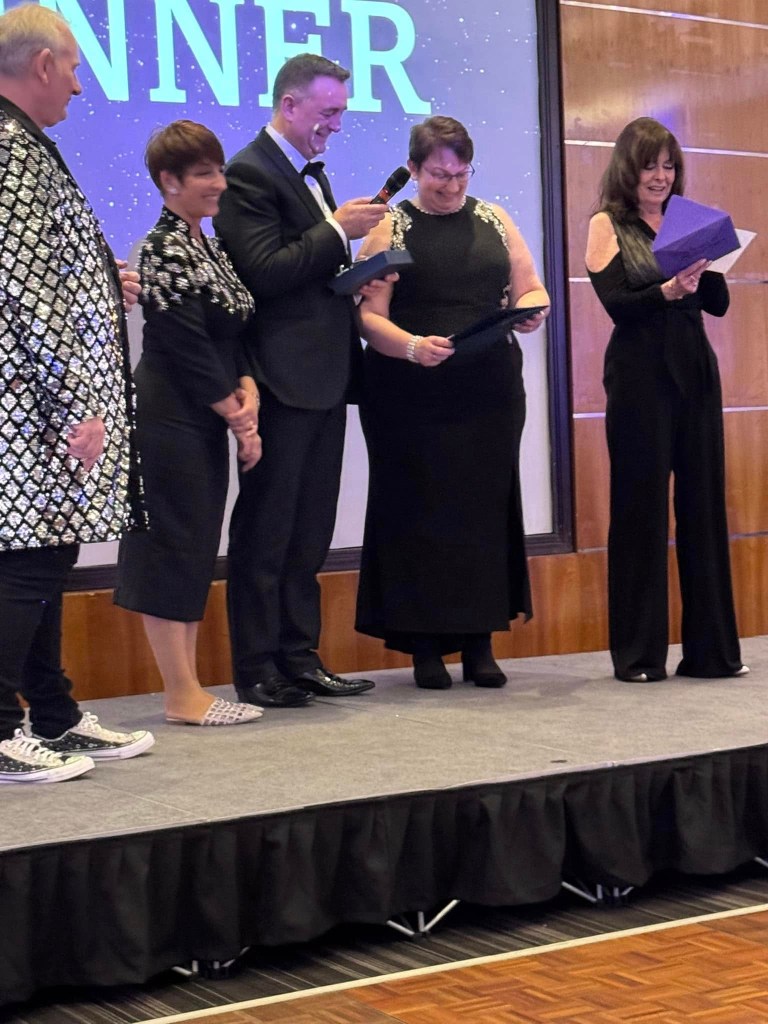
Anna Kennedy on line patron Vicki Michelle presents an award along with Dr Anna Kennedy OBE at the Autism Hero Awards .
Speaking about the sponsorship, Aaliyah McGuire, Director of Complex Care at the Eleventh Hour Group, said:
“EHG is proud to be supporting the Autism Hero Awards and sponsoring the Young Person of the Year category. Anna Kennedy Online’s work has a profound impact on the lives of autistic individuals, and their values align closely with ours. It’s a privilege to support such an important celebration of young people and their achievements.”
Hosted by Anna Kennedy Online, the Autism Hero Awards recognise individuals and organisations making a genuine difference. The Young Person of the Year category is a particularly powerful moment of the evening, shining a spotlight on young autistic individuals whose resilience, creativity, and voices deserve national recognition.
The awards ceremony will take place on 9 May at the Holiday Inn, Regent’s Park, bringing together families, professionals, advocates, and supporters to celebrate progress, inclusion, and positive change.
Dr Anna Kennedy OBE has long been a leading voice in autism advocacy. Through her tireless work with Anna Kennedy Online, and events such as the Autism Hero Awards, she continues to champion understanding, inclusion, and opportunity for autistic individuals and their families.
Dr Anna Kennedy OBE said:
“I am absolutely thrilled to have a company like the Eleventh Hour Group join us. With their strong background in healthcare, it is incredibly exciting to welcome them into the Anna Kennedy Online family. Their support truly reflects a shared commitment to people, care, and inclusion.”
By supporting the Young Person of the Year category, the Eleventh Hour Group reinforces its belief that true impact comes from valuing people, recognising potential, and investing in the next generation.
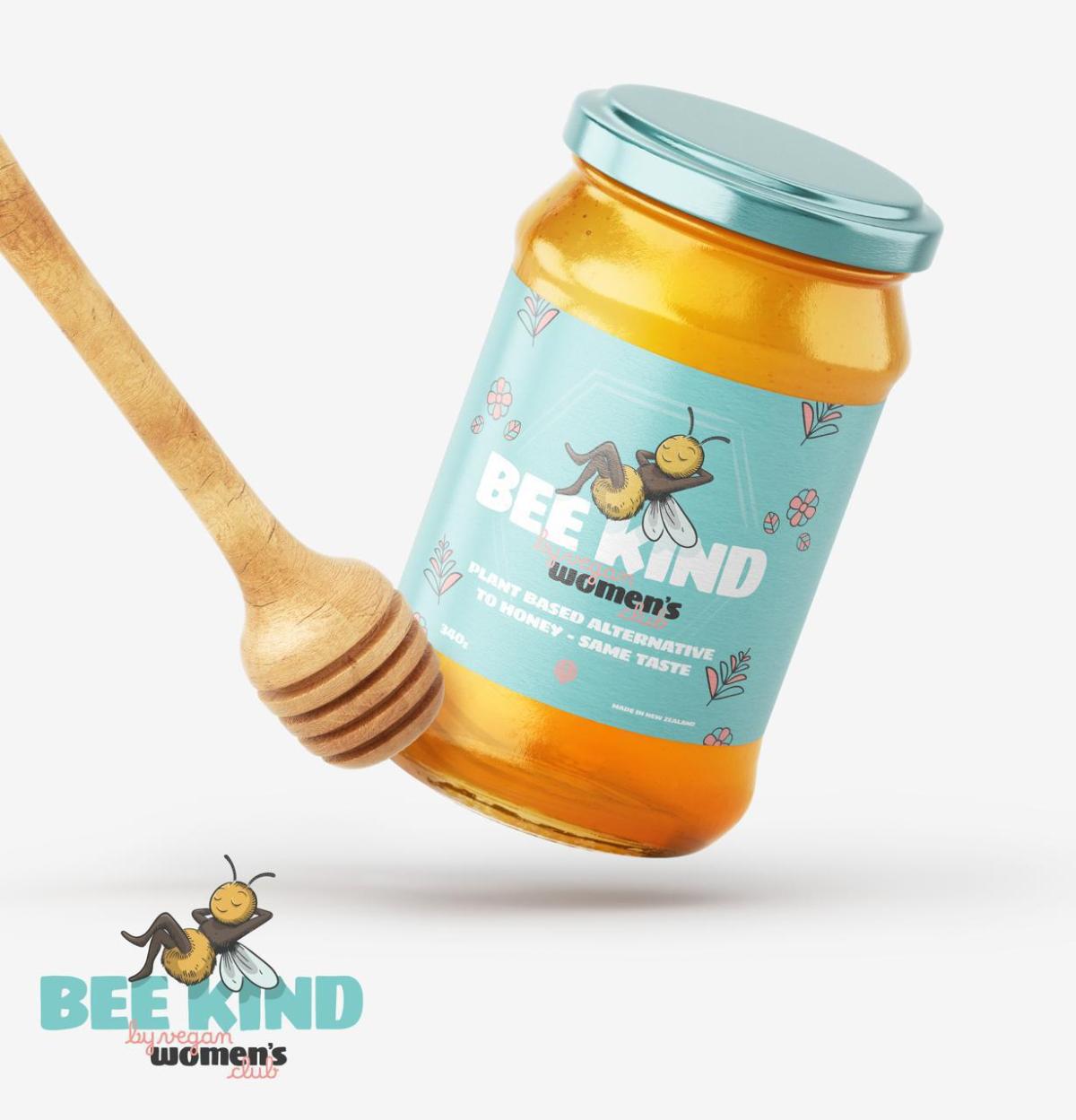
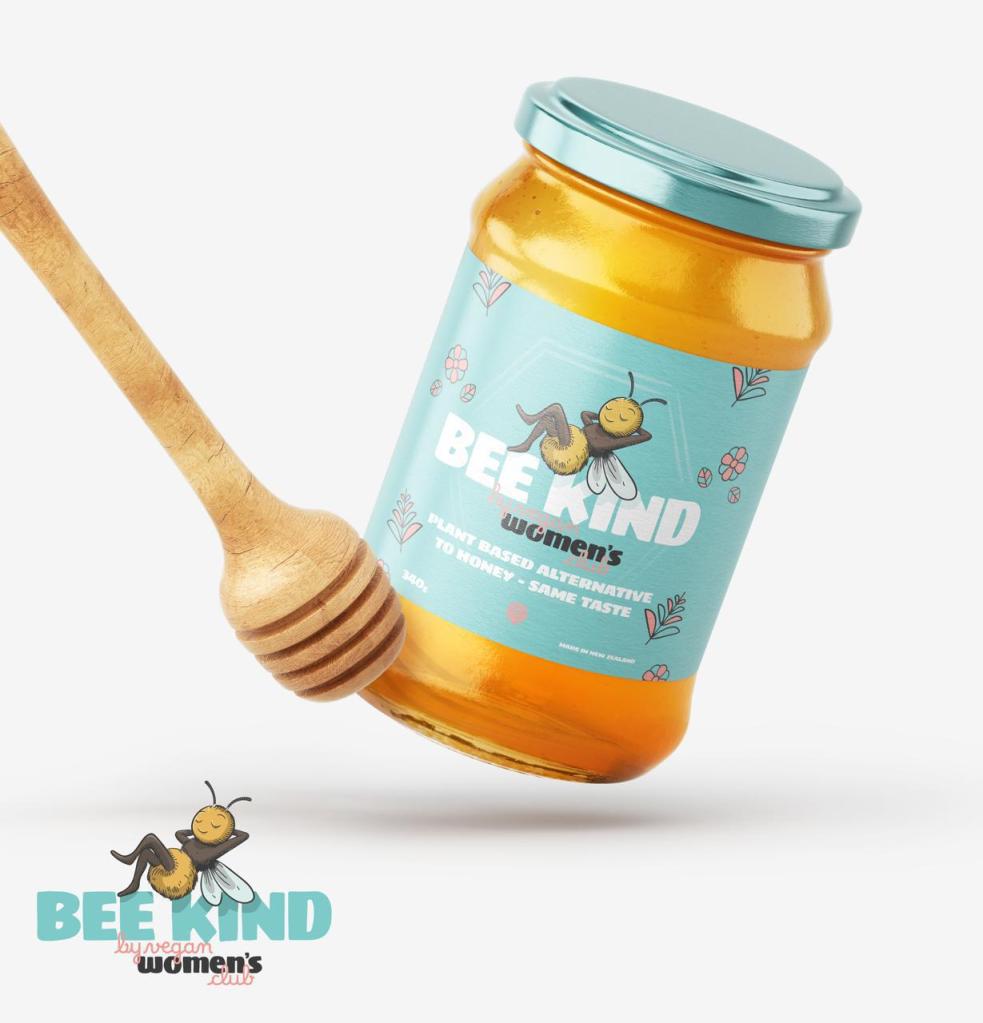
I just have to share something new and genuinely exciting — and trust me, you absolutely do not have to be vegan to enjoy this plant-based treat. I first tried it at the Vegan Women’s Club, casually spooned it onto something sweet, and by the end of the evening I was already plotting how to get more. Yes… vegan honey.
Before you ask — “Tell em about the honey mummy !” — let me say this straight away: this is a sexy little number, and once you try it, you’ll understand exactly what I mean. Nothing to do with the the Honey Monster or the serial.
Bee Kind is a newly launched, plant-based alternative to honey that’s already creating serious buzz around the world. Crafted in small batches, Bee Kind is made from pine needles using traditional infusion methods that recreate the taste, sweetness, and mouthfeel of conventional honey — without harming a single bee. And astonishingly, it’s virtually indistinguishable from the real thing.
Available in Golden (Original), Creamed, and Horopito Chilli, Bee Kind delivers something for every palate. The Golden variety offers that familiar, comforting honey flavour we all know and love. The Creamed version has the same authentic taste but with a smooth, spreadable texture that feels luxuriously indulgent on toast or stirred through yoghurt. Then there’s the Horopito Chilli — a quietly confident blend of sweetness with a gentle, warming peppery kick inspired by the New Zealand pepper tree. It’s bold, unexpected, and utterly addictive.
What makes Bee Kind even more fascinating is its use of pine needles — an ingredient that has been consumed for centuries across many cultures and historically valued for its naturally occurring compounds. Bee Kind cleverly reimagines this heritage ingredient, transforming it into a modern, ethical alternative that feels both innovative and rooted in tradition.
There’s also a deeper story here. Commercial bee production often involves practices that place enormous stress on bees and are increasingly recognised as harmful. Bee Kind removes bees from the production process entirely, offering a more compassionate choice for those who want to enjoy honey-like sweetness without contributing to exploitation.
Despite being a recent launch, Bee Kind is already making serious waves internationally. Reviews have been glowing, and orders are coming in from as far afield as Israel, Dubai, and Belgium — clear proof that demand for thoughtful, plant-based alternatives is no longer niche but truly global.
Whether you’re vegan, plant-curious, or simply someone who appreciates good food made with integrity, Bee Kind is one of those discoveries that feels exciting to share. It’s indulgent without guilt, familiar yet refreshingly new — and once you’ve tried it, you’ll find yourself reaching for it again and again.
Bee Kind is available now via the Vegan Women’s Club, with an exclusive and generous discount for members. Consider yourself warned: one taste, and you may never look at honey the same way again. 🍯✨
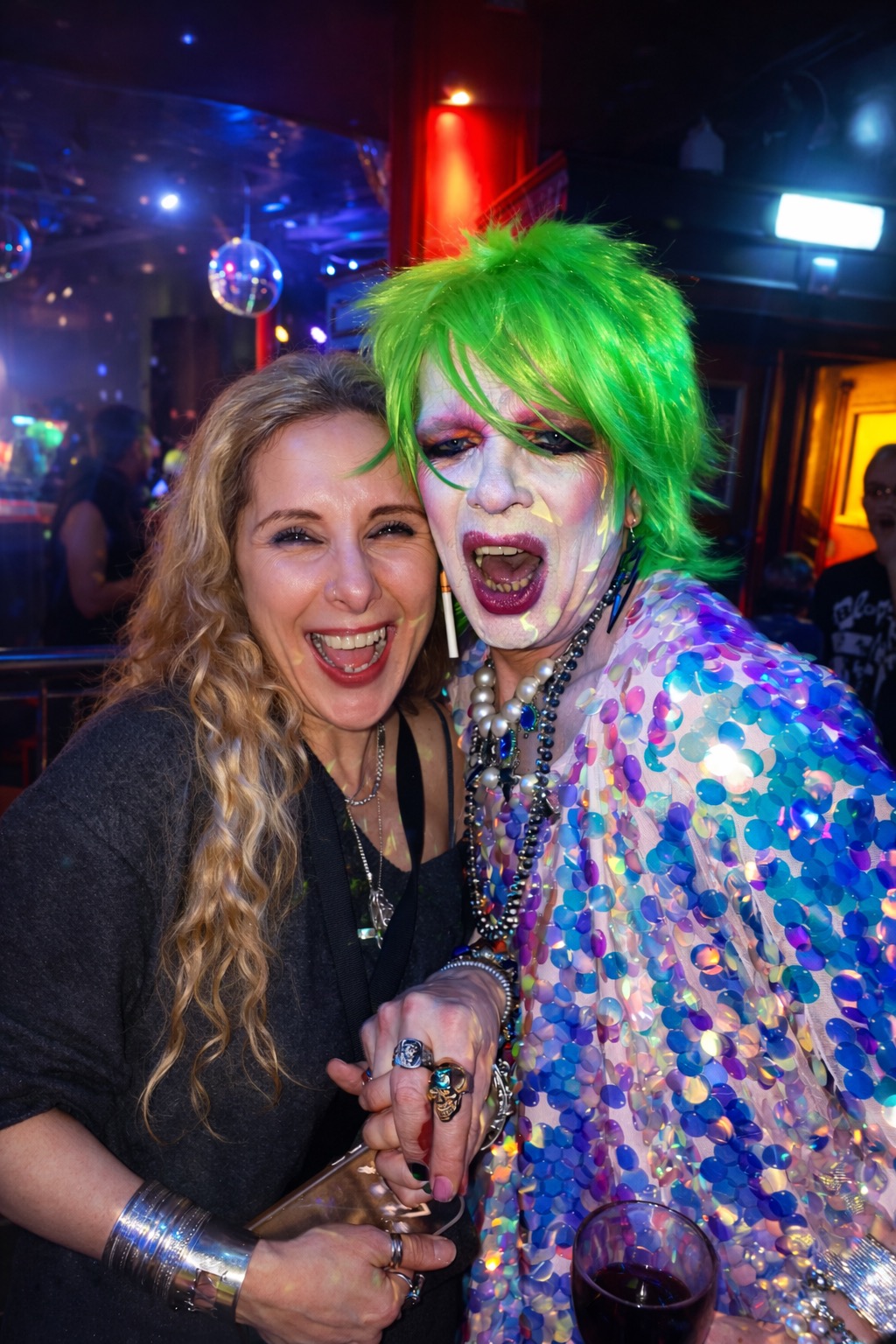
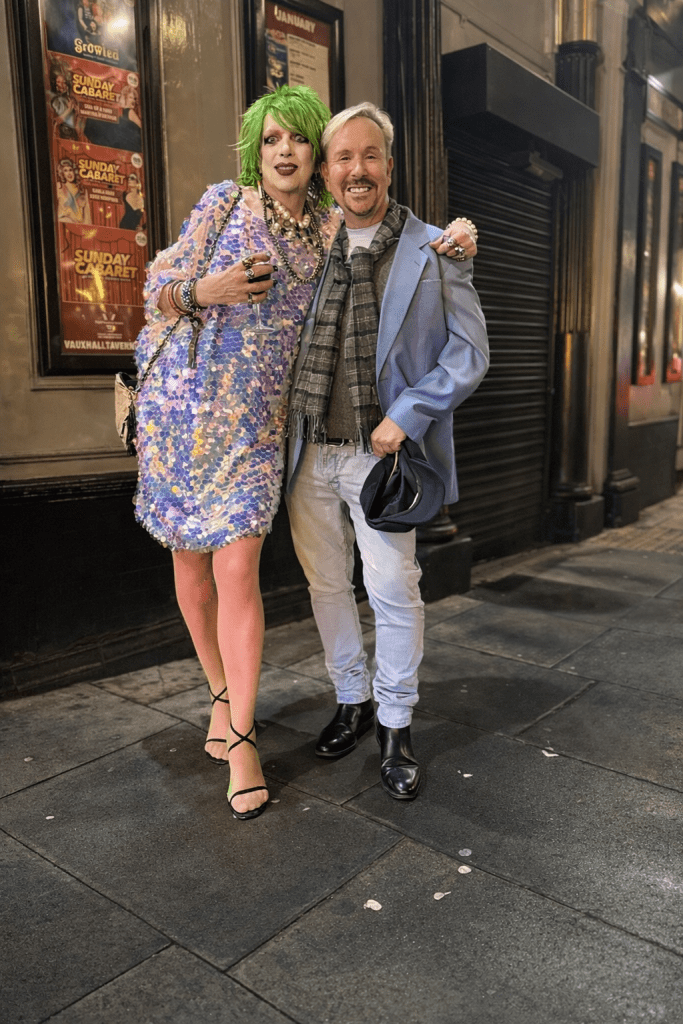
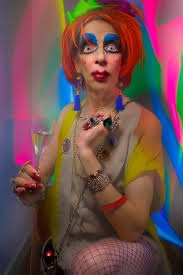
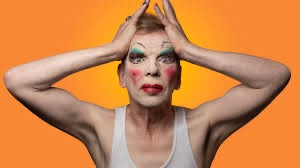
There are nights out, and then there are nights that feel like a rite of passage. One such evening found artist Piluca and myself stepping through the doors of the legendary Royal Vauxhall Tavern, to witness the singular brilliance of David Hoyle—a figure who exists somewhere between performer, prophet, poet, and living artwork.
I once described Hoyle as the love child of Kate Bush and Lindsay Kemp, and I stand by it. He is not merely an accomplished performer—with a career spanning television, film, and theatre—but an artist who uses his entire being as medium and message. Last year alone he appeared on stage in an adaptation of Hedda Gabler, proving once again that he is as comfortable in classical reinterpretation as he is in anarchic cabaret.
Hoyle is, quite simply, a walking piece of art. He cuts a vein—metaphorical, emotional, spiritual—and allows the audience to witness everything that spills out: his fears, his hopes, his contradictions. There is no armour, no polite distance. When I interviewed him previously for FLUX magazine, it was immediately clear that what you see on stage is not an act but an extension of the man himself. His work screams originality. It declares, unapologetically: This is me. This is David.
The Royal Vauxhall Tavern functions as his church, and Hoyle its high priest. From the roof—sometimes literally—he preaches love, acceptance, beauty, and defiance. His congregation is as eclectic as it is devoted. On any given night you might find Princess Julia rubbing shoulders with City bankers, artists, drag legends, first-timers, and the gloriously undefinable. It would not be absurd to compare the atmosphere to Warhols Factory in its heyday: a collision of art, celebrity, and counterculture, bound together by a shared understanding that something special is happening in the room.
What is striking is the complete absence of age anxiety. Hoyle himself dismisses it with a wave of the hand: “Everyone is beautiful in the room.” And they are. Young and old gather as equals at the metaphorical fountain, drinking in his wisdom, his wit, and his generosity of spirit. The atmosphere is electric yet oddly intimate, like a secret shared by hundreds.
Piluca and me at The Royal Vauxhall Tavern
This is not to say the evening is solemn. Far from it. Hoyle’s humour is razor-sharp, his observations hilariously precise—particularly when directed at the audience. Sit front and centre and expect to become fodder. But crucially, he is never cruel. There is warmth beneath the provocation, and affection behind the mischief.
The man seated next to me informed me—without a hint of irony—that this was his 135th time seeing Hoyle perform. A true disciple. By contrast, my gorgeous friend Piluca—Spanish-born artist and creative force—was a virgin to the experience. I could think of no one better to introduce to what I consider a kindred artistic spirit.
Two incredible artist Piluca meets Hoyle
She was utterly blown away. The evening began with a film tribute to our shared hero, David Bowie, and Piluca leaned over to whisper, “It’s like being dipped in everything I love.” She could not wait to come back, already plotting a return before the night had even ended.
Adding to the richness of the evening, Pam—taking a brief pause from her charity work—took to the stage to read poetry. We were promised one poem and given two, a small but perfect act of generosity that felt entirely in keeping with the spirit of the night.
The show concluded with Hoyle playing cupid, creating a live portrait of two handsome men from the audience—art, flirtation, and theatre merging in real time. To be part of such an evening is to leave not only entertained, but altered. You walk out thinking differently, feeling differently, slightly braver perhaps.
This is not just a show. It is an experience—unique, communal, and deeply worthwhile. In a world increasingly starved of authenticity, David Hoyle remains gloriously, defiantly real.
Welcome to Steven’s Viewz — the first of 2026. And let’s start the year with an uncomfortable truth.
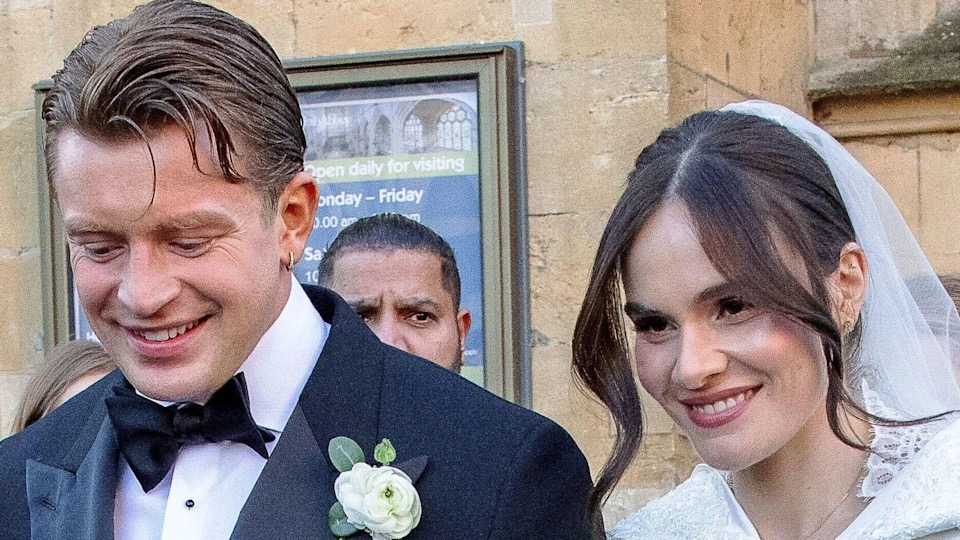
Adam and Holly
Is it ever okay not to invite a family member to a major life event? Is it ever acceptable to distance yourself — or even cut ties completely?
The short answer is this: yes, sometimes it is not only acceptable, it is necessary.
The question has been dragged into the spotlight following the wedding of the year, as Adam Peaty married Holly Ramsay and chose not to invite his mother. Predictably, the outrage machine kicked into gear. Headlines screamed. Opinions flooded in. Armchair judges — armed with no facts and limitless certainty — rushed to condemn.
Here’s what struck me most: how quick people are to defend family in theory, and how unwilling they are to accept the damage family can cause in reality.
Not all families are The Waltons. Some families are battlegrounds dressed up as photo albums.
Behind the smiling Christmas cards and Facebook posts lie power struggles, control, emotional manipulation, and silence that screams louder than words. And when someone finally says “enough,” the world often turns on them — not the behaviour that pushed them there.
I know this terrain well.
I grew up in a family where people disappeared without explanation. At nine years old, I came home to find myself locked out. Eventually, the letterbox opened and my mother asked, “Are you on your own?” A row between her and her mother — my grandmother — had ended the relationship entirely. One moment she was part of our lives; the next, she was erased.
Visiting my grandparents had once been a joy. Then it became forbidden. When I later wrote to my gran, there were consequences. At fourteen, I was sent alone to Glasgow — not to reconnect, but to persuade my grandparents not to take my father’s side in court. That was the last time I ever saw them.
That isn’t family warmth. That’s family politics.
So when people scoff and say, “But she’s his mother,” I don’t hear wisdom — I hear denial.
Adam and muu Caroline .
Because sometimes family isn’t a source of love. Sometimes it’s a source of fear, obligation, and emotional exhaustion. And no wedding day — no milestone — should be overshadowed by anxiety about who might erupt, undermine, or hijack the moment.
Much as you try to make it work, some people are only content when they are in control. When they aren’t centre stage, they create drama to pull the spotlight back. And when confronted, they cast themselves as the victim — never acknowledging the trail of damage behind them.
Let’s be honest: if a friend behaved that way — belittling you, calling you names, sabotaging your happiness — would you keep them in your life? Of course you wouldn’t. Yet when it’s family, we’re told to endure it. Smile through it. Absorb it.
Why?
Mental health does not become optional because someone shares your DNA.
Often, when people move into new social circles or build lives different from the ones they were raised in, it triggers insecurity in those left behind. Even when efforts are made to include them, their anxiety spills out as disruptive behaviour. Weddings, birthdays, celebrations — all become stages for unresolved resentment.
If Adam’s mother were truly the injured party, dignity would have been her strongest ally. Silence, reflection, restraint — not public outrage. Those who are genuinely wronged rarely need to shout the loudest.
Adam didn’t just make a decision about a wedding invitation. He changed his surname. That is not impulsive. That is not petty. That is the culmination of years of internal conflict, careful thought, and emotional cost.
And I applaud him for doing it early — before resentment calcifies, before damage multiplies, before patterns repeat. Family member may love you but it does not allow them to hurt you and be in denial.
No family member should ever make you feel small, fearful, or unworthy. Family should be the safest place — not the one you brace yourself for.
Sometimes the bravest, healthiest choice is to step away. Not out of bitterness, but out of self-respect. Not to punish, but to protect.
And if that makes people uncomfortable, perhaps it’s because it forces them to confront a truth they’d rather ignore:
Family doesn’t get a free pass to hurt you.
Why Amandaland Was the Christmas Treat We Didn’t Know We Needed
There is a particular kind of Christmas television that feels like slipping into a familiar jumper: slightly stretched, deeply comforting, and faintly ridiculous. The Amandaland Christmas special is exactly that kind of viewing — and all the better for it.
Christmas Day television is a battlefield. Big budgets, earnest dramas, and aggressively “heartwarming” narratives often jostle for attention, all while families argue over the remote and someone burns the sprouts. Amandaland cuts through the noise by doing something radical: it knows precisely what it is. A sharp, character-driven comedy about social aspiration, emotional repression, and the very British terror of appearing ordinary — now wrapped in tinsel.
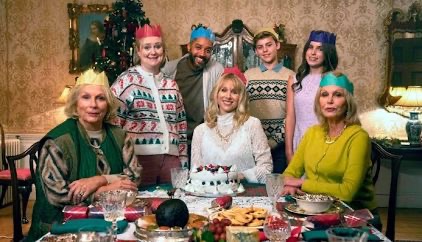
The episode’s premise is delightfully simple. Amanda, our tightly wound heroine, decides to recreate a “perfect” childhood Christmas at her aunt’s country home. Naturally, this requires absolute aesthetic control, emotional denial, and an unwavering belief that nothing — not weather, children, or other people — should interfere with her vision. What follows is a festive slow-motion collapse, played with exquisite comic timing.
Enter Jennifer Saunders, who turns up as Aunt Joan like a glitter cannon fired directly into the episode. Saunders doesn’t merely steal scenes — she annexes them. Her performance is gloriously unfiltered, full of physical comedy, throwaway lines, and the sense that she is enjoying herself enormously. This is not nostalgia casting; this is a master at work, reminding us how joyful comedy can be when it’s driven by confidence rather than caution.
Then there’s Joanna Lumley, a woman who could make a shopping list sound withering. As Amanda’s emotionally glacial mother, Lumley delivers her lines with that unmistakable mix of elegance and quiet disdain. Every raised eyebrow lands like a punchline. She doesn’t chase laughs — she allows them to come to her, which somehow makes them sharper. Watching Lumley and Saunders share the screen again is less a reunion and more a reminder: this is what happens when comic icons are trusted to do what they do best.
What makes Amandaland such perfect Christmas viewing is its refusal to be falsely sentimental. Yes, there’s warmth here — but it’s earned, not imposed. The show understands that Christmas isn’t magical because it’s perfect; it’s memorable because it rarely is. The forced cheer, the unresolved family tensions, the desperate attempts to manufacture tradition — all of it rings painfully, hilariously true.
In an era where television often feels either too bleak or too bland, Amandaland occupies a sweet spot we desperately need more of. It’s clever without being smug, affectionate without being soft, and funny without shouting for attention. Most importantly, it trusts its audience — and its performers — to appreciate humour rooted in character rather than spectacle.
By the time the credits roll, you feel lighter. Not because everything’s been neatly resolved, but because you’ve laughed at the chaos instead of pretending it doesn’t exist. And really, isn’t that the whole point of Christmas television?
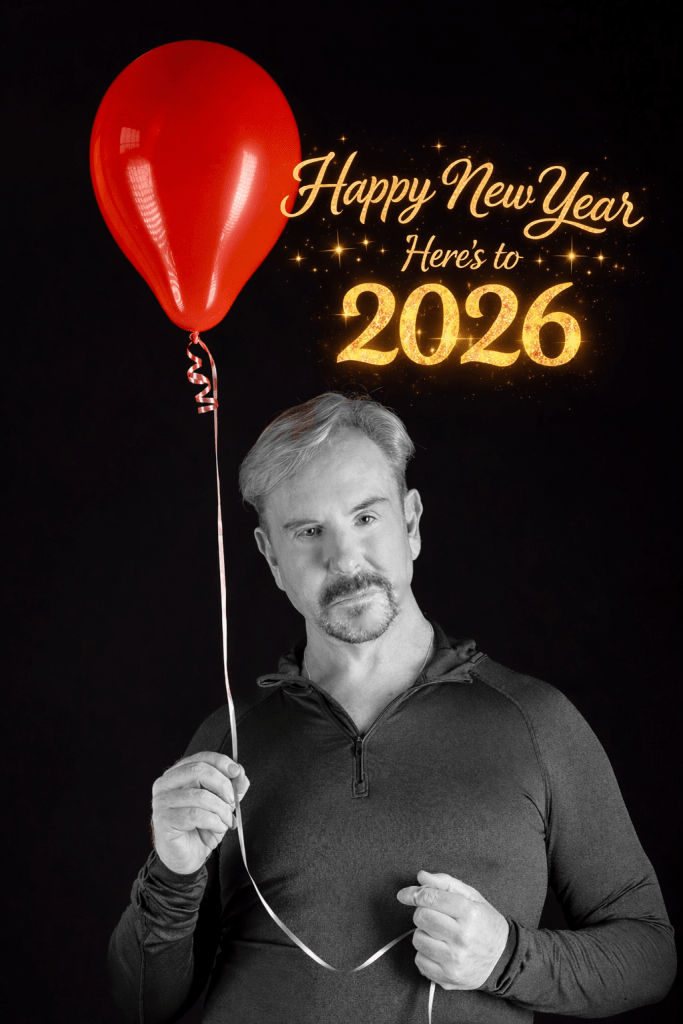
As we approach the end of another eventful year and step into the promise of 2026, I want to begin by wishing every one of you a very Happy Christmas. Whether you celebrate the season quietly, joyfully, or somewhere in between, I hope the coming weeks bring you warmth, connection, and moments of genuine peace. Christmas is a time of reflection as much as celebration, and for me, looking back over 2025 brings both change and gratitude.
One of the biggest changes this year was saying farewell—though never goodbye—to my gorgeous friend and co-founder of 2Shades, Adishiri Chengappa. Many of you will know her as the bright, compassionate, and fiercely driven woman who helped bring this magazine to life. Adishiri has returned to India to study counselling, and I have absolutely no doubt she will become a brilliant one. Her heart, her empathy, and her ability to really listen to people make her an extraordinary human being, and those are precisely the qualities that will make her excel in her new profession.
Although Adishiri is stepping down from the magazine to focus on her studies, she remains a lifelong friend—both to 2Shades and to me personally. Our bond is permanent, and her contribution to the magazine will always be part of its foundations. Behind the scenes, we are now in discussions with a new partner who will join the 2Shades family and help carry the torch forward.
For those of you who may be newer readers, let me say this clearly: 2Shades has never been “just” an LGBTQ+ magazine. From day one, we envisioned a vibrant, inclusive space—a place for everyone. A magazine that is joyful yet unafraid; stylish yet unfiltered; a platform for voices that deserve to be heard. We speak our minds, we cover subjects that others shy away from, and we stand firmly by our philosophy that representation and honesty matter.
Over the years, we’ve covered everything from fashion, art, and entertainment to some of the most difficult and deeply important topics affecting people today. We have reported on male rape, mental health, identity, domestic violence, addiction, grief, and more. The world is multifaceted, and so are the people in it; 2Shades aims to reflect that complexity.
A huge part of what makes this magazine special is our remarkable team of columnists. Our Agony Aunt, Heidi Gammon, continues to grow in popularity, offering advice with wit, warmth, and plain-spoken honesty. Dr Anna Kennedy OBE brings vital insight, advocacy, and compassion through her work in autism awareness and support. Our beauty expert Clare McSweeney adds glamour, empowerment, and the kind of practical advice that boosts confidence. And this year we welcomed Richard Andrews, who’s new “Money Matters” column is already proving invaluable to readers navigating finances during turbulent times.
Clare 2Shades columnist with Aston Avery she is on Gateway every month .
All of them are thriving on social media, and their readership continues to soar—a testament to the authenticity and relevance they bring.
What makes all of this even more remarkable is that the magazine still has no sponsors. I work entirely for free, as do many involved. And we do it because we believe in 2Shades, in its purpose, and in the community surrounding it. But as we look ahead to the future—and to the possibility of expanding globally—sponsors and advertisers will eventually be essential. If you’ve enjoyed the work we’ve done, if the magazine has informed, entertained, or supported you in any way, then please help us grow by spreading the word. Share the link, recommend us, tell people who we are and what we stand for. That simple act makes a world of difference.
And speaking of difference: there is something else I’d like to ask this Christmas.
If you feel moved to show appreciation for the magazine’s work this year, please consider donating to Anna Kennedy Online, a charity that means an incredible amount to me personally. Not only is Anna a dear friend, but I am honoured to have been a patron of her autism charity for nearly twelve years—something I remain immensely proud of. The work AKO does is life-changing for autistic children, adults, and families across the UK. If you would like to donate, the details are below; even the smallest contribution helps.
Dr Anna Kennedy OBE with me.
Looking ahead, my biggest hope is that 2026 will be the year 2Shadesbecomes a global success. A huge portion of our readership already comes from the United States and Australia, which shows that our message resonates far beyond the UK. We speak to universal experiences—identity, struggle, connection, joy, and truth. These things transcend borders.
And that brings me to my wish for 2026, a simple yet powerful one: More empathy. More understanding. More respect.
We live in an increasingly polarised world, where disagreement is seen as a personal attack and differing opinions are met with hostility rather than curiosity. One of the wisest things I heard this year came from Peter Tatchell at the screening of “Legendary Children: All of Them Queer.” He said:
“By going into other places and organisations and being your authentic self, making a positive difference, people will start to change their views.”
That stayed with me, because it reminds us that real progress rarely comes from shouting or fighting—it comes from presence, compassion, and consistency.
Yet too often, respect is missing from the smallest everyday interactions. I’ll give you an example. I have not eaten red meat or pork for 49 years. It’s part of who I am. I don’t need to explain why; it doesn’t need to be debated. Yet more times than I can count, I’ve sat down to a meal only to be told, “Oh, just scrape it off,” as if my boundary were an inconvenience rather than something worthy of respect.
It’s such a small thing, but small things matter. Empathy shows itself in the details. Most people, of course, are thoughtful and considerate—but we all know others who refuse to see beyond their own beliefs. They hold strong opinions on everything yet become instantly outraged if you question theirs. They expect understanding but rarely offer it in return.
And then there are those who appear addicted to drama—who cannot be content unless they are creating conflict or turning an event into something about them. Rather than bringing joy, talent, or positive energy to a gathering, they bring chaos. It is, in my opinion, a kind of addiction in itself. A hunger for attention that stifles empathy and dims the light for everyone else. As such addiction is an illness and I have empathy there. However when an illness is contagious or has a knock on effect on your mental health you need to walk away in the end.
Imagine how different the world could be if empathy were something we practised as naturally as breathing. If instead of reacting, we paused. Instead of judging, we listened. Instead of assuming, we asked. If 2026 could bring even a fraction more understanding into everyday life, what a transformation we would see.
So as we wrap presents, raise glasses, and welcome the new year, my message is this: Celebrate with kindness. Speak with honesty. Live authentically. Respect differences—not just the ones that are easy, but the ones that challenge you. And above all, look for ways to make someone else’s world a little better.
To every reader, supporter, contributor, and friend of 2Shades: thank you for being part of this journey. Here’s to a beautiful Christmas, a hopeful New Year, and a 2026 filled with courage, connection, and compassion.









 2Shades Magazine